


በአፖሎ ኤዲቶሪያል ቡድን ተገምግሟል
ፈጣን መልስ
Ureteroscopy is a procedure in which a urologist passes a very thin telescope through the natural urinary passage into the ureter, the tube that carries urine from the kidney to the bladder. It is most often used to find and remove stones, usually by breaking them with a laser, and it can also be used to look for the cause of bleeding or a blockage. No cuts are made on the skin. Most people go home the same day or the next day, often with a temporary soft tube called a stent in place.
| ቁልፍ እውነታዎች | ዝርዝሮች |
|---|---|
| ምንድን ነው | An examination and treatment of the ureter and kidney using a thin telescope passed through the urethra and bladder |
| ዋና አጠቃቀም | Removing stones in the ureter or kidney; also used to investigate bleeding, narrowing or a suspected growth |
| Cuts on the skin | አንድም |
| Anaesthesia | አብዛኛውን ጊዜ አጠቃላይ ወይም የአከርካሪ ማደንዘዣ |
| የሆስፒታል ቆይታ | Often a day care procedure; some people stay one night |
| Stent afterwards | Common, usually for a few days to a few weeks, and removed in a short second visit |
| ወደ ዴስክ ሥራ ይመለሱ | Often within a few days, depending on stent symptoms and your doctor's advice |
| ማን ያከናውናል | የማህፀን ሐኪም |
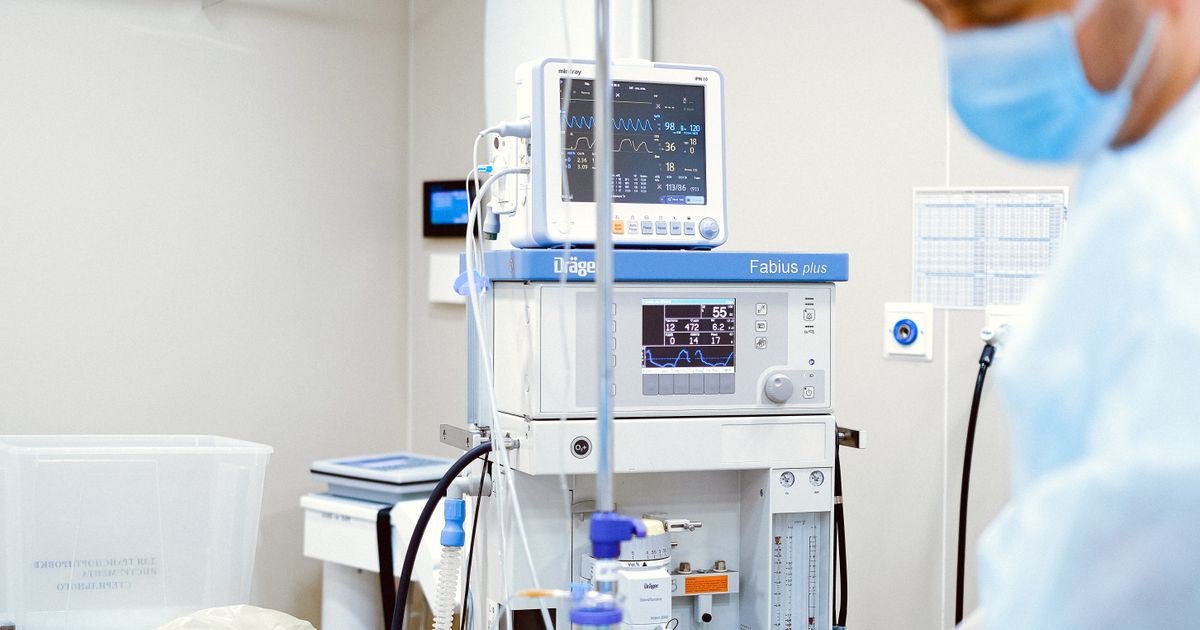
ureteroscopy ምንድን ነው?
The urinary system has two kidneys, two ureters, the bladder and the urethra. Each ureter is a narrow muscular tube, about as long as a hand span and a half, that carries urine from a kidney down to the bladder. Because it is narrow, it is the place where የኩላሊት ጠጠር most often get stuck and cause severe pain.
In ureteroscopy, the urologist uses a ureteroscope, a long and very thin telescope with a light and a camera at its tip. It is passed through the urethra, into the bladder and then up into the ureter. The surgeon watches the inside of the urinary passage on a screen. Fine instruments can be passed through a channel in the scope to break a stone, pick up fragments, take a small tissue sample or treat a narrowing. Because the scope travels through natural passages, there is no cut and no scar.
Ureteroscopy is different from a bladder examination. A ሳይስቶይሮሮስኮስኮፕ looks only at the urethra and bladder, while ureteroscopy goes further up, into the ureter and sometimes into the kidney itself.
Other names for ureteroscopy
- URS
- Ureteroscopic stone removal
- ዩሬቴሮስኮፒክ ሊቶትሪፕሲ (URSL)
- Laser ureteroscopy or laser stone surgery
- Ureterorenoscopy
Why is ureteroscopy done?
The most common reason is a stone that is unlikely to pass on its own, or one that is causing ongoing trouble. Your urologist may advise ureteroscopy for:
- Stones in the ureter: ureteral ድንጋዮች that are too large to pass, have not moved after a period of waiting, or cause pain that cannot be controlled.
- Stones blocking the kidney: A stone that causes swelling of the kidney, known as hydronephrosis, or that affects kidney function.
- Some kidney stones: Small and medium stones inside the kidney can be reached with a flexible scope.
- ግልጽ ያልሆነ የደም መፍሰስ; Blood in the urine, including blood seen only under a microscope, when scans suggest the source may be in the ureter or kidney.
- A suspected growth: To look at and take a sample from an abnormal area when cancer of the ureter or the kidney lining is suspected.
- Narrowing or blockage: To examine and sometimes treat a የሽንት ቧንቧ መዘጋት.
Not every stone needs a procedure. Many small stones pass on their own with fluids, pain relief and time.
Types of ureteroscopy
There are two main kinds of scope. The choice depends on where the problem is.
- Semi-rigid ureteroscopy: A straight, slim scope that works well for stones in the lower and middle parts of the ureter.
- ተለዋዋጭ የዩሬቶስኮፒ; A scope with a tip that bends, so it can reach the upper ureter and turn into the different chambers of the kidney. When it is used to treat stones inside the kidney, the operation is often called retrograde intrarenal surgery.
Ureteroscopy compared with other stone treatments
| የባህሪ | ኡሬተርኮስኮፕ | Shock wave lithotripsy | ፒሲኤንኤል |
|---|---|---|---|
| How the stone is reached | Scope through the natural urinary passage | ከሰውነት ውጭ ያተኮሩ የድንጋጤ ሞገዶች | Scope through a small cut in the back, directly into the kidney |
| Cuts on the skin | አንድም | አንድም | One small cut |
| ብዙውን ጊዜ ልብሶች | Stones in the ureter and small to medium kidney stones | Selected small stones that show clearly on imaging | Large or complex kidney stones |
| የሆስፒታል ቆይታ | የቀን እንክብካቤ ወይም አንድ ሌሊት | አብዛኛውን ጊዜ የቀን እንክብካቤ | ብዙውን ጊዜ ጥቂት ቀናት |
በበለጠ ማንበብ ይችላሉ extracorporeal shock wave lithotripsy ና percutaneous nephrolithotomy (PCNL) on their own pages. Very large branching stones, such as a የስታግሆርን ካልኩለስ, are usually better treated with PCNL than with ureteroscopy.
Who is suitable for ureteroscopy?
Ureteroscopy suits most adults, and many children, who have a stone in the ureter or a small to medium stone in the kidney. It is often preferred when:
- The stone is in the lower ureter, where the scope reaches it easily.
- The stone is hard, or does not show well on X-ray, so shock waves are less likely to work.
- The person takes a blood thinner that cannot safely be stopped. In selected cases ureteroscopy can still be done, which is not true of some other stone treatments.
Who may not be suitable, or may need to wait
- Untreated urine infection: ገባሪ በሽንት ኢንፌክሽን must be treated first. If a stone is blocking an infected kidney, the urgent step is drainage with a stent or a የኔፍሮስቶሚ ቱቦ, and the stone is removed later.
- A very narrow ureter: Sometimes the scope cannot be passed safely at the first attempt. A stent is then left for a couple of weeks to let the ureter relax, and the procedure is repeated.
- Very large kidney stones: These may need PCNL, or more than one ureteroscopy session.
How to prepare for ureteroscopy
ከሂደቱ በፊት የሚደረጉ ምርመራዎች
- A scan to confirm the size and position of the stone, usually a ሲቲ ስካን without contrast dye, or an አልትራሳውንድ ና ኤክስ ሬይ.
- A የሽንት መደበኛ ምርመራ እና የሽንት ባህል ኢንፌክሽንን ለማስወገድ።
- የደም ምርመራዎችን ጨምሮ የኩላሊት ተግባር ምርመራዎች, blood count and clotting tests.
- An ECG and other fitness checks if your age or health calls for them.
ለመወያየት የሚረዱ መድሃኒቶች
- Blood thinners and medicines that affect clotting. Do not stop them on your own. Your doctors will tell you whether to continue, pause or change them.
- Any allergies, especially to antibiotics, anaesthetic medicines or latex.
ቀን ላይ ፡፡
- የማደንዘዣ ቡድኑ የሚሰጠውን የጾም መመሪያ ይከተሉ።
- Arrange for an adult to take you home. You should not drive after anaesthesia.
- Tell the team if you have a fever, burning urine or feel unwell, as the procedure may need to be postponed.
How is ureteroscopy performed?
The procedure usually takes between half an hour and an hour and a half, depending on the size, number and position of the stones.
- ማደንዘዣ; You are given a general or spinal anaesthetic so that you feel no pain. The የማደንዘዣ ዓይነቶች and their risks are explained to you beforehand.
- Bladder inspection: A scope is passed through the urethra into the bladder, and the opening of the ureter is found.
- Guide wire: A soft, fine wire is passed up the ureter under X-ray guidance. It acts as a safety track for the instruments.
- Passing the ureteroscope: The ureteroscope is advanced gently up the ureter while sterile fluid keeps the view clear. For kidney stones, a thin protective tube called an access sheath may be placed first.
- Treating the stone: A thin laser fibre is passed through the scope and the stone is broken into small pieces or dust. Larger pieces are removed with a tiny wire basket. A fragment is usually sent for stone analysis.
- የድንኳን አቀማመጥ፡- In many cases a soft plastic tube called a ureteric stent, or DJ stent, is left between the kidney and the bladder. It keeps urine draining while swelling settles. If the procedure was short and simple, a stent may not be needed.
ከሂደቱ በኋላ ምን ይሆናል?
You are moved to a recovery area, where your pulse, blood pressure and breathing are watched until the anaesthetic wears off.
It is normal to pass urine more often, to feel burning when you pass urine and to see pink or light red urine for a few days. You will be asked to drink plenty of fluids. Most people go home the same evening or the next morning with pain relief, sometimes a short course of antibiotics, and written advice about the stent if one has been placed.
Risks and complications of ureteroscopy
Ureteroscopy is a commonly performed procedure and serious problems are uncommon, but no procedure is free of risk.
የተለመደ እና አብዛኛውን ጊዜ መለስተኛ
- Burning or stinging when passing urine for a few days.
- Blood in the urine, which usually clears with fluids.
- Stent symptoms: a frequent or urgent need to pass urine, discomfort in the bladder, and an ache in the side that is worse while passing urine.
ያነሰ የተለመደ
- Urinary infection, occasionally with fever, needing antibiotics.
- Stone fragments left behind, or a stone that moves back into the kidney, which may need another session.
- Being unable to reach the stone at the first attempt because the ureter is tight, so that a stent is placed and the procedure is done later.
- Difficulty passing urine for a short time, known as የሽንት ማቆየት.
ያልተለመደ ግን ከባድ
- Injury to the wall of the ureter. Small injuries usually heal with a stent. A major tear is rare and may need open or keyhole repair.
- Narrowing of the ureter from scarring months later, which may need further treatment.
- Severe infection spreading to the blood, which needs urgent hospital care.
- A forgotten stent. A stent left in for too long can become coated with stone and be hard to remove, so the removal date must not be missed.
Results: how well does ureteroscopy work?
For most stones in the ureter, a single ureteroscopy clears the stone. Results are best for stones in the lower ureter and for smaller stones. Larger stones, stones in the lower part of the kidney and multiple stones are more likely to leave fragments or to need a second session.
Clearing a stone does not stop new stones from forming. Many people who have had one stone will form another in later years unless the cause is found and addressed. Stone analysis, and sometimes blood and urine tests, help identify types such as የዩሪክ አሲድ ድንጋዮች or የሳይስቲን ድንጋዮች, which need specific prevention.
Recovery after ureteroscopy
- የመጀመሪያው ሳምንት: Most people return to light activity and desk work within a few days.
- የስቴንት ማስወገድ፦ This is usually done after a few days to a few weeks. It is a short procedure through the bladder, often under local anaesthetic jelly. Stent symptoms usually settle within a day or two of removal.
- ክትትል: A scan may be arranged some weeks later to confirm that the stone has cleared and the kidney is draining well.
የሕክምና ዕርዳታ ለማግኘት መቼ
- Fever, chills or shivering.
- Severe pain in the side or abdomen that is not eased by the pain relief you were given.
- Bright red urine with clots, or bleeding that is getting heavier.
- Being unable to pass urine.
Life after ureteroscopy
Once you have recovered, the aim is to lower the chance of another stone. General measures that help most people include:
- Drink enough fluid through the day so that your urine stays pale.
- Cut down on salt, including packaged and restaurant food.
- Do not avoid calcium in food unless your doctor tells you to. Normal dietary calcium is usually helpful.
The page on የኩላሊት ጠጠር ማስወገድ gives an overview of the different options if stones come back.
Benefits of ureteroscopy
- No cut on the skin and no scar.
- The stone is seen directly and broken under vision, which gives a high chance of clearing it in one session for most ureteric stones.
- Short hospital stay and a fairly quick return to routine activity.
What is the cost of ureteroscopy in India?
ዋጋው ከአንድ ሰው ወደ ሌላ ሰው ይለያያል። ዋና ዋናዎቹ ምክንያቶች የሚከተሉት ናቸው፡
- Whether a semi-rigid or a flexible scope is needed.
- The size, number and position of the stones, and whether laser is used.
- Whether a stent is placed, and the later stent removal.
- The type of anaesthesia and the length of hospital stay.
- Room category, city and hospital.
ዋጋዎች ከሰው ወደ ሰው ይለያያሉ። ትክክለኛ ዋጋዎችን ለማወቅ እባክዎን ከሆስፒታሉ ጋር ያረጋግጡ።
Many health insurance policies cover stone procedures that are medically necessary, but cover and waiting periods differ, so check with your insurer before admission.
Why choose Apollo Hospitals for ureteroscopy?
- Urology teams that treat stone disease regularly, including stones in the ureter and kidney.
- Imaging, laboratory and anaesthesia services on site, so assessment and treatment can be planned together.
- A range of stone treatments, so the method can be matched to the stone instead of the other way round.
- Stone analysis and advice on preventing further stones as part of follow up.
- የተደራሽነት ሁኔታ በማዕከላት መካከል ይለያያል። እባክዎን ከሆስፒታሉ ጋር ያረጋግጡ።
To discuss whether ureteroscopy is right for you, you can ከዩሮሎጂስት ጋር ቀጠሮ ይያዙ በአፖሎ ሆስፒታሎች.
ተዛማጅ ንባብ
- Kidney stones: symptoms, causes and treatment
- ureteral ድንጋዮች
- Percutaneous nephrolithotomy (PCNL)
- Extracorporeal ድንጋጤ ማዕበል lithotripsy
- የፊኛ ድንጋይ ማስወገድ
Questions to ask your doctor about ureteroscopy
- How big is my stone and where exactly is it?
- Could my stone pass on its own, and how long is it safe to wait?
- Why do you recommend ureteroscopy over shock wave treatment or PCNL for me?
- Will I need a stent, and for how long?
- ሁለተኛ ሂደት የሚያስፈልገው እድል ምን ያህል ነው?
- What should I do about my regular medicines, especially blood thinners?
- When can I go back to work, drive and exercise?
- What can I do to prevent another stone?
ተደጋጋሚ ጥያቄዎች
1. Is ureteroscopy a major surgery?
It is a minimally invasive procedure done through the natural urinary passage, with no cuts. It still needs anaesthesia and carries some risk, but recovery is usually quick.
2. Is ureteroscopy painful?
You feel no pain during the procedure because of the anaesthetic. Burning when passing urine and stent discomfort are common for a few days afterwards.
3. How long does ureteroscopy take?
Usually between half an hour and an hour and a half. Large or multiple stones take longer.
4. Will I have a stent after ureteroscopy?
Many people do. It keeps urine draining while swelling settles. After a simple procedure, a stent may not be needed.
5. What does a stent feel like?
Some people hardly notice it. Others feel a frequent need to pass urine and an ache in the side while passing urine. This stops soon after removal.
6. How is the stent removed?
With a small scope passed into the bladder, usually under local anaesthetic jelly, in a few minutes. Some stents have a thread and are removed by pulling it.
7. How soon can I return to work after ureteroscopy?
Many people with desk jobs return within a few days. Physically heavy work may need longer.
8. Is blood in the urine normal after ureteroscopy?
Yes. Pink or light red urine is expected for a few days and can return while a stent is in place. Report heavy bleeding or clots.
9. Can a stone come back after ureteroscopy?
The treated stone does not return, but new stones can form. Fluids, less salt and advice based on stone analysis lower the risk.
10. What size of stone can be treated with ureteroscopy?
Most stones in the ureter and small to medium kidney stones. Very large kidney stones are usually better treated with PCNL.
11. Is ureteroscopy done in children and older adults?
Yes, when needed. Smaller instruments are used for children, and older adults have a careful anaesthesia assessment.
12. Can ureteroscopy be done during pregnancy?
Most stones in pregnancy are managed without a procedure. If treatment is needed, an experienced team may consider ureteroscopy, limiting X-ray exposure.
13. What happens if the scope cannot reach the stone?
The surgeon does not force the scope. A stent is placed to let the ureter widen, and the procedure is repeated after a couple of weeks.
14. Which doctor performs ureteroscopy?
A urologist, a surgeon who specialises in the urinary tract, working with an anaesthetist and a trained theatre team.
መደምደሚያ
Ureteroscopy is a well established way to treat stones in the ureter and many stones in the kidney without any cut on the skin. A discussion with a urologist, with your scans in hand, is the best way to decide whether ureteroscopy, another stone treatment or simple observation suits you.
ይህ ገጽ ለአጠቃላይ መረጃ የተዘጋጀ ሲሆን የዶክተርዎን ምክር አይተካም። የሕክምና ውሳኔዎች መደረግ ያለባቸው የሕክምና ታሪክዎን በሚያውቅ ብቃት ባለው ባለሙያ ነው።
በቅርቡ የተጨመረ


በአፖሎ ሆስፒታሎች የሚገኙ የሽንት ሐኪሞች









የክህደት ቃል:
በዚህ ገጽ ላይ የቀረበው መረጃ ለአጠቃላይ መረጃ እና ለትምህርታዊ ዓላማዎች ብቻ የታሰበ ነው። መረጃው ትክክለኛ፣ አስተማማኝ እና በየጊዜው የሚገመገም መሆኑን ለማረጋገጥ ምክንያታዊ ጥረቶችን ብናደርግም፣ ለሙያዊ የሕክምና ምክር፣ ምርመራ ወይም ሕክምና ምትክ ተደርጎ ሊወሰድ አይገባም።
የሕክምና ሂደት ተስማሚነት፣ ከጥቅሞቹ፣ ከአደጋዎቹ፣ ከዝግጁነቱ፣ ከማገገም፣ ሊከሰቱ ከሚችሉ ችግሮች እና ከሚጠበቁ ውጤቶች ጋር ከሰው ወደ ሰው ሊለያይ ይችላል። የጤና እንክብካቤ ባለሙያዎ አንድ አሰራር ተገቢ መሆኑን ወይም አለመሆኑን የሚወስነው በግል ሁኔታዎ እና በሕክምና ታሪክዎ ላይ በመመስረት ነው።
ማንኛውንም የሕክምና ሂደት በተመለከተ ውሳኔ ከማድረግዎ በፊት እባክዎን ለግል የተበጀ ምክር ለማግኘት ብቁ የጤና እንክብካቤ ባለሙያ ያማክሩ።
የሕክምና ይዘታችን እንዴት እንደሚፈጠር፣ እንደሚገመገም፣ እንደሚዘመን እና እንደሚጠበቅ ተጨማሪ መረጃ ለማግኘት እባክዎ [የአርታኢ መመሪያችንን] ያንብቡ ።




