


በአፖሎ ኤዲቶሪያል ቡድን ተገምግሟል
ፈጣን መልስ
Axillary lymph node dissection is an operation to remove a group of lymph nodes from the armpit, most often as part of treatment for breast cancer that has spread to those nodes. It is done under general anaesthesia, usually along with breast surgery, and the removed nodes are examined in the laboratory to guide further treatment. Many people with early breast cancer now need only a smaller test called sentinel lymph node biopsy, so a full dissection is kept for those who are likely to benefit. The main long-term concern is arm swelling called lymphoedema, which can be reduced and managed with early care.
| ቁልፍ እውነታዎች | ዝርዝሮች |
|---|---|
| ምንድን ነው | Surgical removal of lymph nodes from the armpit (axilla) |
| ዋና ምክንያት | Cancer found in the armpit lymph nodes, most often from breast cancer and sometimes from melanoma |
| Anaesthesia | አጠቃላይ ሰመመን |
| የተለመደው የቆይታ ጊዜ | About one to two hours, longer when combined with breast surgery |
| የሆስፒታል ቆይታ | Often one to two days, depending on the other surgery done |
| ጎርፍ | A thin tube is commonly left in the armpit for several days to two weeks |
| Main long-term risk | Lymphoedema (swelling of the arm, hand, breast or chest wall) |
| ማን ያከናውናል | Breast surgeon or surgical oncologist |
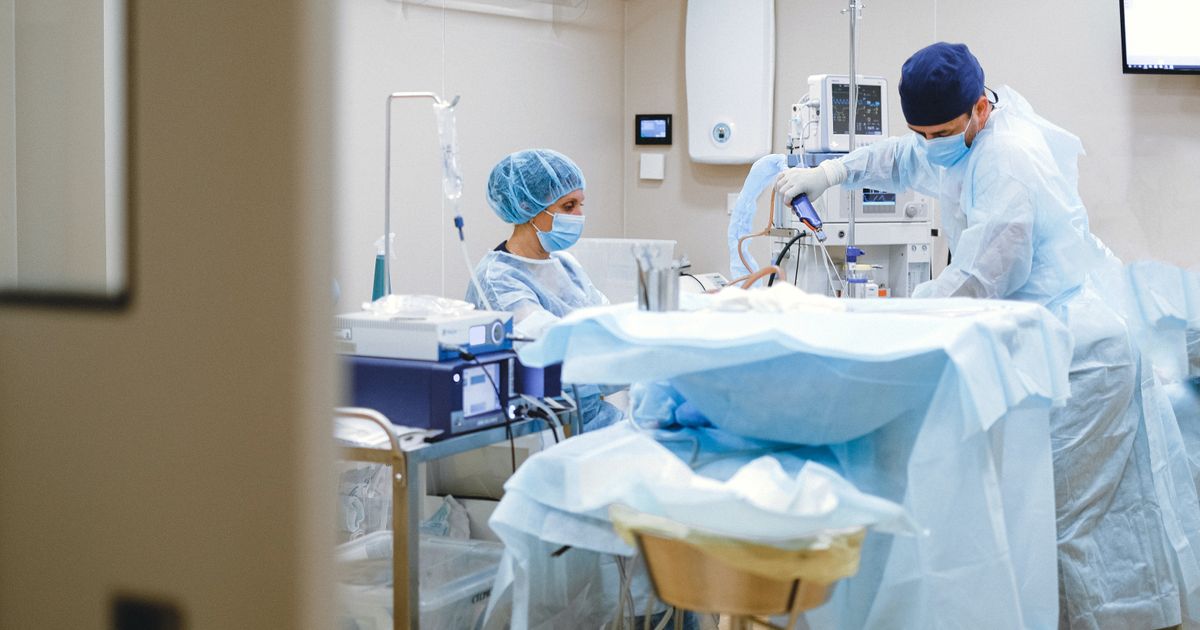
What is axillary lymph node dissection?
Lymph nodes are small, bean-shaped glands that filter a fluid called lymph and form part of the body's defence system. The armpit contains a cluster of these nodes, and lymph from the breast, the arm and the upper chest wall drains through them. When cancer cells leave a tumour in the breast, the armpit nodes are usually the first place they travel to.
In an axillary lymph node dissection, the surgeon removes the pad of fatty tissue from the lower and middle parts of the armpit that contains these nodes. Surgeons describe the armpit nodes in three levels. A standard dissection removes levels one and two. The highest level is removed only if it appears to be involved. A pathologist then examines each node under a microscope and reports how many contain cancer.
Other names for axillary lymph node dissection
- ALND
- የ Axillary መበታተን
- Axillary clearance or axillary node clearance
- Axillary lymphadenectomy
- Armpit lymph node removal
Why is axillary lymph node dissection done?
The operation has two purposes. It removes cancer that is present in the armpit so that it does not keep growing there, and it tells the treating team how many nodes are affected. That number is one of the factors used to decide on treatments such as ኬሞቴራፒ, radiotherapy, ዒላማ የተደረገ ቴራፒ or hormone-blocking treatment.
Your doctor may advise it in situations such as:
- የጡት ካንሰር with armpit nodes that can be felt or seen on scans and are proven to contain cancer on a needle test
- Cancer found in several sentinel nodes, or in sentinel nodes when the other planned treatment would not adequately treat the armpit
- Cancer still present in the nodes after chemotherapy given before surgery
- የሚያቃጥል የጡት ካንሰር
- Cancer that has come back in the armpit after earlier treatment
- A sentinel node that could not be located during surgery
- Some cases of ሜላኖማ or other skin cancers of the arm or trunk that have spread to the armpit nodes
Axillary dissection and other ways of treating the armpit
Over the past two decades, armpit surgery has become smaller for many people. Research has shown that selected patients with early breast cancer and limited spread to one or two sentinel nodes can safely avoid a full dissection, particularly when they are also having radiotherapy.
| ቀረበ | ምን ተደረገ? | When it is usually used | Lymphoedema risk |
|---|---|---|---|
| ሴንትነል ሊምፍ ኖድ ባዮፕሲ | Only the first one to a few draining nodes are found with a dye or tracer and removed | Early cancer with armpit nodes that seem normal on examination and scans | ዝቅ ያለ |
| Targeted axillary dissection | Sentinel nodes plus a node that was marked with a clip before chemotherapy are removed | Selected patients whose involved nodes responded well to chemotherapy given before surgery | Lower than full dissection |
| Axillary ሊምፍ ኖድ መበታተን | Level one and two nodes are removed together | Proven or more extensive node involvement | Higher than the other surgical options |
| Axillary radiotherapy | The armpit is treated with radiation instead of further surgery | የተወሰነ የሴንቲነል ኖድ ተሳትፎ ያላቸው የተመረጡ ታካሚዎች | Lower than full dissection, though not zero |
Axillary dissection is usually done in the same operation as the breast surgery. That may be breast-conserving surgery (እባጩን) or removal of the breast (ማስቴክቶሚ). When the whole breast and the armpit nodes are removed together, the operation is called a የተሻሻለ ሥር ነቀል ማስቴክቶሚ.
ማን ተስማሚ ነው፣ እና ማን ላይሆን ይችላል?
You are likely to be considered for this operation if tests have confirmed cancer in your armpit nodes and you are fit for general anaesthesia.
It may not be advised, or may be postponed, if:
- Your armpit nodes appear normal and a sentinel node biopsy is enough
- Only one or two sentinel nodes are involved and your overall plan already treats the armpit adequately
- The cancer has already spread to distant organs, where medicines rather than armpit surgery are usually the main treatment (see metastatic የጡት ካንሰር)
- Other medical conditions make a general anaesthetic unsafe until they are better controlled
እንዴት እንደሚዘጋጁ
ከቀዶ ጥገናው በፊት ሙከራዎች
- Breast imaging such as ማሞግራፊ እና አልትራሳውንድ of the breast and armpit
- መርፌ ባዮፕሲ of the breast lump and of any suspicious node
- An MRI ወይም PET-CT ቅኝት። in selected cases, to check the extent of disease
- Blood tests, a heart tracing and a pre-anaesthetic check-up
ለመወያየት የሚረዱ መድሃኒቶች
Tell your doctor about every medicine and supplement you take. Blood thinners, some diabetes medicines and herbal products may need to be stopped or adjusted for a few days. Do not stop any medicine on your own.
ቀን ላይ ፡፡
- Follow the fasting instructions given by the anaesthesia team
- Bathe as advised and do not shave the armpit yourself unless you are told to
- Ask a family member to stay with you and take you home
It helps to ask for arm measurements before surgery. A baseline makes it easier to spot early swelling later.
How is axillary lymph node dissection performed?
- ማደንዘዣ; You are given general anaesthesia so that you sleep through the operation.
- አቀማመጥ You lie on your back with the arm on the affected side supported away from the body.
- መቆረጥ፡ If you are having a mastectomy, the nodes are usually removed through the same cut. Otherwise a separate cut of a few centimetres is made in the skin crease of the armpit.
- Finding the landmarks: The surgeon identifies the main vein of the armpit and the nerves that supply the muscles of the shoulder blade and back, and protects them.
- Removing the nodes: The fatty tissue holding the level one and two nodes is freed and removed in one piece. A small skin nerve that crosses the armpit is preserved where possible.
- Drain placement: A soft tube is placed to collect fluid and is connected to a small suction bottle.
- ማቆሚያ The wound is closed, usually with stitches that dissolve, and covered with a dressing.
- Laboratory examination: The tissue goes to the pathology laboratory.
ከዚያ በኋላ ምን ይሆናል?
You wake up in the recovery area and are moved to the ward once you are comfortable. Pain is usually moderate and is controlled with pain relief medicines. A nurse will show you how to empty and measure the drain, and a physiotherapist will teach gentle arm and shoulder exercises. Many people go home with the drain still in place. It is removed in the clinic once the daily amount of fluid falls, which commonly takes one to two weeks.
አደጋዎች እና ውስብስቦች
የተለመደ ነው
- ሴሮማ፡ a collection of fluid under the wound after the drain is removed. It may need to be drawn off with a needle in the clinic.
- የመደንዘዝ ወይም የመደንዘዝ ስሜት; of the inner upper arm and armpit, because a small skin nerve is stretched or cut. It often improves but may be permanent.
- Shoulder stiffness: which usually responds to regular exercises.
- Cording: tight, rope-like bands under the skin running from the armpit down the arm. This usually settles over weeks to months with stretching and physiotherapy.
- ሊምፎዴማ; described in detail below.
ያነሰ የተለመደ
- የቁስል ኢንፌክሽን ወይም የዘገየ ፈውስ
- Bleeding or a blood collection that needs to be drained
- Injury to a nerve that controls shoulder blade or back muscles, which can cause weakness or a winged shoulder blade
- Blood clots in the leg veins (ሥር የሰደደ የደም ሥር እጢ) and the general risks of anaesthesia
Lymphoedema: what you should know
Removing armpit nodes interrupts some of the channels that carry lymph out of the arm. In some people the remaining channels cannot cope, and fluid builds up in the arm, hand, breast or chest wall. This is lymphoedema. It can appear within months of surgery or many years later, so the risk is lifelong. It is more likely after a full dissection than after a sentinel node biopsy, and the risk rises further if the armpit also receives radiotherapy, if you are overweight, or if the arm has repeated infections.
Most people who have this operation do not develop troublesome swelling, but it is not possible to predict in advance who will. Lymphoedema cannot always be prevented or cured. Caught early, it can usually be kept under control.
ውጤቶች፡ ምን ያህል በጥሩ ሁኔታ ይሰራል?
Axillary dissection is an effective way of clearing cancer from the armpit, and cancer coming back in the armpit after a complete dissection is uncommon. The operation also gives accurate information about the stage of the disease. It does not treat cancer cells that may have travelled elsewhere in the body, which is why it is usually one part of a plan that can include chemotherapy, radiotherapy, hormone-blocking treatment, targeted therapy or immunotherapy.
መዳን
- የመጀመሪያዎቹ ሁለት ሳምንታት; Rest, short walks, drain care and the gentle exercises you were taught. Avoid lifting anything heavy with the affected arm.
- Two to six weeks: Shoulder movement returns gradually. Many people go back to desk work in two to four weeks.
- ከስድስት ሳምንታት በኋላ፦ Most normal activities, including exercise, can be resumed step by step.
የሕክምና ዕርዳታ ለማግኘት መቼ
- Fever, or redness, warmth or pus at the wound
- Sudden swelling under the arm or a wound that opens
- The drain stops working, falls out, or the fluid becomes bright red or cloudy
- New or increasing swelling, heaviness or tightness of the arm, hand or breast
- A red, hot, painful area on the arm, which may be a skin infection called ሴሉቴይትስ
- Pain and swelling in a calf, chest pain or breathlessness
Life after axillary lymph node dissection
Looking after the arm on the operated side is a long-term habit, not a short-term restriction.
- ይንቀሳቀሱ: Regular exercise, including gradually progressed strength training, is safe and appears to help.
- Care for the skin: Moisturise daily, wear gloves for gardening and washing up, treat cuts and insect bites promptly, and take care with nails.
- ጤናማ ክብደት ይኑርዎት; Excess weight is one of the clearer risk factors for lymphoedema.
- Blood tests and blood pressure: Evidence that needles or blood pressure cuffs on the affected arm cause lymphoedema is limited. Many teams still suggest using the other arm when it is practical.
- ቀደምት ምልክቶችን ይመልከቱ: Rings, bangles or sleeves feeling tighter, or a feeling of heaviness, should be reported early.
- If swelling develops: Treatment by a trained lymphoedema therapist includes compression sleeves, bandaging, special massage, exercise and skin care. For selected people with persistent swelling, lymphoedema surgery may be discussed.
ጥቅሞች
- Removes cancer that is present in the armpit nodes
- Gives a precise count of involved nodes, which helps in planning further treatment
- Low chance of the cancer returning in the armpit
- Usually done in the same sitting as breast surgery, so one anaesthetic covers both
What is the cost of axillary lymph node dissection in India?
ዋጋው በብዙ ሁኔታዎች ላይ የተመሰረተ ነው-
- Whether it is done alone or with a lumpectomy, mastectomy or breast reconstruction
- The tests and scans needed before surgery
- Room category and length of hospital stay
- Anaesthesia, operating theatre and pathology charges
- Physiotherapy, compression garments and follow-up visits
ዋጋዎች ከሰው ወደ ሰው ይለያያሉ። ትክክለኛ ዋጋዎችን ለማወቅ እባክዎን ከሆስፒታሉ ጋር ያረጋግጡ።
Most health insurance policies cover cancer surgery that is medically necessary, but you should confirm the terms with your insurer before admission.
Why choose Apollo Hospitals for axillary lymph node dissection?
- Breast and surgical oncology teams who perform sentinel node biopsy and axillary dissection and advise on which one is appropriate
- Tumour board review, so that surgery, radiotherapy and medical treatment are planned together
- Imaging, pathology and cancer treatment services available within the hospital network
- Physiotherapy support for shoulder exercises and arm care after surgery
- Availability of specific services, such as dedicated lymphoedema clinics, differs between centres. Please check with the hospital.
To discuss your reports and treatment options, you can ከካንሰር ስፔሻሊስት ጋር ቀጠሮ ይያዙ በአቅራቢያዎ በሚገኝ የአፖሎ ሆስፒታል።
ተዛማጅ ንባብ
Questions to ask your doctor about axillary lymph node dissection
- Why do I need a full dissection and not a sentinel node biopsy?
- Is targeted axillary dissection or armpit radiotherapy an option for me?
- Will the armpit surgery be done with my breast operation?
- How long will the drain stay, and who will remove it?
- What is my personal risk of lymphoedema, and how will I be monitored for it?
- When will the pathology report be ready, and how might it change my treatment?
- When can I return to work, driving and exercise?
- Whom do I contact if my arm starts to swell?
ተደጋጋሚ ጥያቄዎች
1. Is axillary lymph node dissection a major operation?
It is a moderate operation done under general anaesthesia. Most people are in hospital for one or two days, and full recovery of arm movement takes a few weeks.
2. How many lymph nodes are removed?
The surgeon removes the tissue containing the level one and two nodes, not a fixed number. The pathologist counts the nodes afterwards.
3. What is the difference between sentinel node biopsy and axillary dissection?
A sentinel node biopsy removes only the first few nodes that drain the breast, to check whether cancer has spread. Axillary dissection removes most of the nodes in the lower and middle armpit.
4. Will I definitely get lymphoedema after this surgery?
No. Most people do not develop troublesome swelling, but the risk is higher than after a sentinel node biopsy and it lasts for life.
5. Can lymphoedema be cured?
It often cannot be cured completely, but it can usually be controlled. Compression, exercise, skin care and specialist therapy reduce swelling and discomfort.
6. ማገገም ምን ያህል ህመም ያስከትላል?
Pain is usually moderate for the first few days and eases with regular pain relief. Numbness, tingling or a burning feeling on the inner upper arm is common and tends to improve over months.
7. How long will the drain stay in?
Usually between a few days and two weeks. It is removed when the amount of fluid collected each day falls below the level set by your surgeon.
8. What is cording?
Cording, also called axillary web syndrome, is a tight band you can feel or see running from the armpit down the inner arm. It is not dangerous and generally improves with stretching and physiotherapy.
9. When can I start exercising my arm?
Gentle hand, elbow and shoulder exercises usually begin the day after surgery. Your physiotherapist will tell you when to move on to fuller stretches, typically after the drain is removed.
10. Can I have blood tests or injections in the affected arm?
The evidence that these cause lymphoedema is limited. Many doctors still advise using the other arm when possible.
11. Can I travel by air after axillary dissection?
Air travel has not been shown to cause lymphoedema in most people. If you already have swelling and wear a compression sleeve, wear it during the flight.
12. Will I need radiotherapy or chemotherapy after the surgery?
Many people do. The decision depends on the size and type of the tumour, the number of nodes involved and other features in the pathology report.
13. Do lymph nodes grow back after they are removed?
No. Removed nodes do not regrow. Over time the body can open up other lymph channels, which is why many people never develop swelling.
14. Which doctor performs axillary lymph node dissection?
It is performed by a breast surgeon or a surgical oncologist.
መደምደሚያ
Axillary lymph node dissection remains an important operation for people whose cancer has clearly spread to the armpit nodes. It carries a real, lifelong risk of lymphoedema, so it is advised only when a smaller procedure is not enough. Ask your surgeon why it is being recommended for you, and learn how to look after your arm from the first day.
ይህ ገጽ ለአጠቃላይ መረጃ የተዘጋጀ ሲሆን የዶክተርዎን ምክር አይተካም። የሕክምና ውሳኔዎች መደረግ ያለባቸው የሕክምና ታሪክዎን በሚያውቅ ብቃት ባለው ባለሙያ ነው።
በቅርቡ የተጨመረ


በአፖሎ ሆስፒታሎች የካንሰር ስፔሻሊስቶች




የክህደት ቃል:
በዚህ ገጽ ላይ የቀረበው መረጃ ለአጠቃላይ መረጃ እና ለትምህርታዊ ዓላማዎች ብቻ የታሰበ ነው። መረጃው ትክክለኛ፣ አስተማማኝ እና በየጊዜው የሚገመገም መሆኑን ለማረጋገጥ ምክንያታዊ ጥረቶችን ብናደርግም፣ ለሙያዊ የሕክምና ምክር፣ ምርመራ ወይም ሕክምና ምትክ ተደርጎ ሊወሰድ አይገባም።
የሕክምና ሂደት ተስማሚነት፣ ከጥቅሞቹ፣ ከአደጋዎቹ፣ ከዝግጁነቱ፣ ከማገገም፣ ሊከሰቱ ከሚችሉ ችግሮች እና ከሚጠበቁ ውጤቶች ጋር ከሰው ወደ ሰው ሊለያይ ይችላል። የጤና እንክብካቤ ባለሙያዎ አንድ አሰራር ተገቢ መሆኑን ወይም አለመሆኑን የሚወስነው በግል ሁኔታዎ እና በሕክምና ታሪክዎ ላይ በመመስረት ነው።
ማንኛውንም የሕክምና ሂደት በተመለከተ ውሳኔ ከማድረግዎ በፊት እባክዎን ለግል የተበጀ ምክር ለማግኘት ብቁ የጤና እንክብካቤ ባለሙያ ያማክሩ።
የሕክምና ይዘታችን እንዴት እንደሚፈጠር፣ እንደሚገመገም፣ እንደሚዘመን እና እንደሚጠበቅ ተጨማሪ መረጃ ለማግኘት እባክዎ [የአርታኢ መመሪያችንን] ያንብቡ ።




