


Àtúnyẹ̀wò láti ọwọ́ Apollo Editorial Team
Idahun yara
Ambulatory phlebectomy is a minor procedure that removes bulging varicose veins lying just under the skin through a series of tiny punctures. It is done under a numbing injection, usually takes under an hour or so for one leg, and you walk out the same day. It treats the visible surface veins. If the main vein feeding them is faulty, that vein is treated as well, often in the same sitting by laser, glue or another method. Bruising is common and settles in a few weeks.
| Awọn otitọ bọtini | awọn alaye |
|---|---|
| Kini o jẹ | Removal of surface varicose veins through tiny skin punctures |
| o dara fun | Bulging, rope-like veins close to the skin |
| Not meant for | Fine spider veins, or the deep veins |
| Akuniloorun | Local numbing injection; sedation or other anaesthesia if combined with a bigger procedure |
| duro | Day care. You walk the same day |
| Stitches | Usually none. Punctures are closed with adhesive strips |
| Itọju | Compression bandage or stockings and regular walking |
| Ti o ṣe nipasẹ | Onisegun iṣan iṣan |
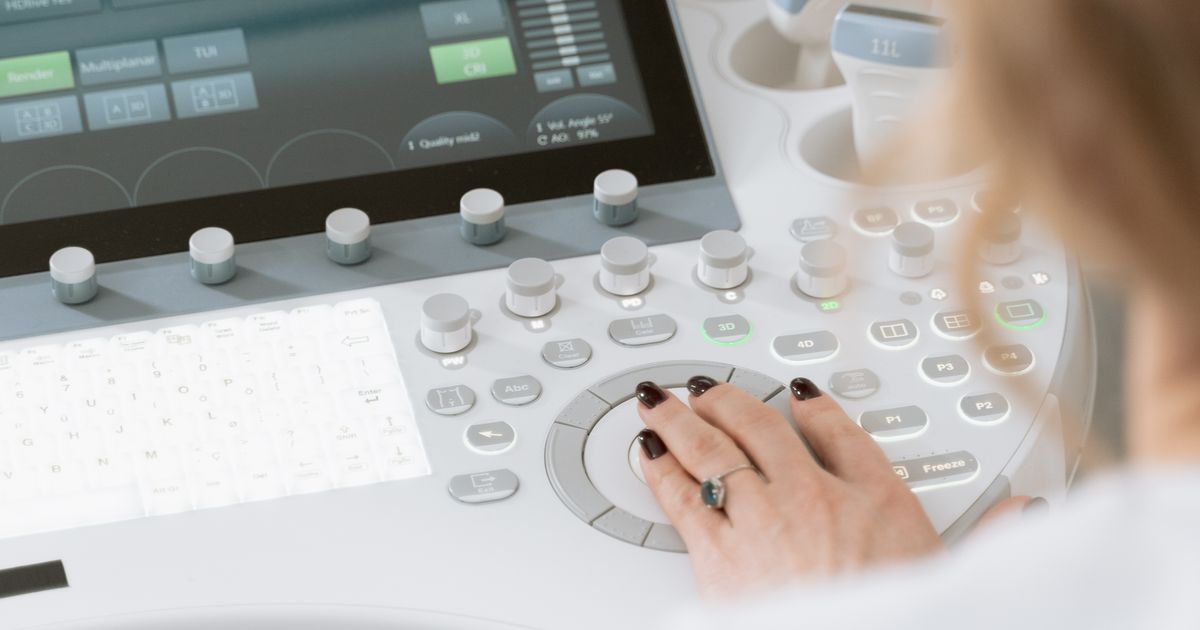
Kini phlebectomy?
Veins carry blood back to the heart. In the legs they have one-way valves that stop blood falling back down. When the valves weaken, blood pools and the surface veins stretch into twisted, bulging iṣọn varicose.
Phlebectomy means removing a vein. In ambulatory phlebectomy the surgeon makes punctures of only a few millimetres beside the marked vein, hooks out a loop of vein with a fine instrument and gently pulls the vein out in sections. Blood that used to flow through it finds its way through healthier veins. The word ambulatory means walking: you are on your feet straight afterwards.
The procedure deals with the surface branches. It does not by itself correct a faulty main trunk vein (the saphenous vein) higher up. That is why an ultrasound scan is always done first, and why phlebectomy is so often paired with another treatment.
Other names for phlebectomy
- Ambulatori phlebectomy
- Microphlebectomy or mini phlebectomy
- Stab phlebectomy or stab avulsion
- Hook phlebectomy
- Multiple avulsions
- Varicose vein removal
Why is phlebectomy done?
- To remove bulging varicose veins that cause aching, heaviness, throbbing, itching, swelling or night cramps
- To remove veins that remain after the main trunk vein has been closed by laser, radiofrequency or glue
- To treat veins that have bled or are at risk of bleeding because the skin over them is thin
- To treat veins that have had repeated painful inflammation with clot (superficial thrombophlebitis)
- As part of treatment for skin changes or ulcers caused by vein disease, such as venous stasis dermatitis tabi a venous ulcer
- For appearance, when prominent veins trouble the person
Not every varicose vein needs a procedure. Mild symptoms are often managed with walking, weight control, leg elevation and compression stockings. Our page on how varicose veins can be treated describes the full range.
Types of phlebectomy and how it fits with other varicose vein treatments
Ways phlebectomy is done
- Ambulatory (hook) phlebectomy. The standard method described on this page, done under local anaesthesia.
- Phlebectomy combined with trunk vein treatment. Done in the same sitting as laser, radiofrequency, glue or open surgery, so that the source and the branches are dealt with together.
- Staged phlebectomy. The trunk vein is treated first. Branch veins often shrink over the following weeks, and only those that remain are removed later.
- Powered phlebectomy. A device breaks up and suctions out large clusters of veins through fewer cuts under a light placed beneath the skin. It needs regional or general anaesthesia and is used in selected cases.
Comparison with other varicose vein procedures
| ilana | Ohun tí ó ń tọ́jú | Bi o ti ṣiṣẹ |
|---|---|---|
| Ambulatori phlebectomy | Bulging surface branch veins | Vein is removed through tiny punctures |
| Itọju lesa (endovenous laser therapy) | Faulty main trunk vein | Heat from a laser fibre inside the vein seals it shut |
| Glue treatment | Faulty main trunk vein | Medical adhesive closes the vein from inside |
| Ṣiṣẹ abẹ (ligation and stripping) | Faulty main trunk vein | Vein is tied at the groin and pulled out |
| Sclerotherapy | Spider veins and small varicose veins | An injected solution makes the vein close and fade |
Your surgeon will often recommend a combination, for example laser for the trunk vein and phlebectomy for the branches.
Who is suitable for phlebectomy?
You may be suitable if you have visible, bulging varicose veins near the skin surface, you can walk, and an ultrasound has mapped which veins are faulty.
Ẹni tí ó lè má yẹ
- People with a current clot in the deep veins (iṣọn-ara iṣan jinjin) or blocked deep veins
- People with poor arterial blood supply to the leg (arun agbeegbe), who cannot safely wear compression
- People with skin infection in the area
- Awọn aboyun. Awọn iṣọn varicose ninu oyun often improve after delivery, so treatment is usually deferred.
- People who cannot walk, since early walking is part of the treatment
- People with a bleeding disorder, severe leg swelling from lymph blockage, or allergy to local anaesthetic
- People with only spider veins, for whom injections or surface laser are more appropriate
How to prepare for phlebectomy
igbeyewo
- A duplex scan (colour Doppler test) of the leg veins, done standing, to find faulty valves and check the deep veins. See also olutirasandi ti iṣan.
- A check of foot pulses, with an ankle brachial index if artery disease is suspected
- Basic blood tests if sedation or anaesthesia is planned, or if you have other health conditions
Àwọn oògùn láti jíròrò
Tell your surgeon about blood thinners, medicines that affect platelets, hormone tablets, diabetes medicines and any allergy, especially to numbing injections or adhesive tape. You will be told what to continue and what to pause.
Ni ọjọ naa
- You can usually eat a light meal if the procedure is under local anaesthesia alone. Follow fasting instructions if sedation or anaesthesia is planned.
- Do not apply oil, cream or lotion to the legs.
- Wear loose trousers or a skirt and comfortable flat shoes.
- Bring your compression stockings if you were asked to buy them.
- Ṣe ètò fún ẹnìkan láti mú ọ lọ sílé.
How is phlebectomy performed?
- Siṣamisi. While you stand, the surgeon marks the veins on the skin with a pen, sometimes with ultrasound guidance. Veins flatten when you lie down, so this step is important.
- Fífọ àti pípa ara ẹni mọ́. The leg is cleaned and draped. A dilute numbing solution is injected along the marked veins. You feel the needle pricks and some pressure, then the area goes numb.
- Tiny punctures. Punctures of a few millimetres are made beside the vein with a fine blade or needle.
- Hooking the vein. A small hook is passed through the puncture to lift out a loop of vein.
- Removing the vein. The loop is grasped and eased out. The surgeon moves to the next puncture a few centimetres away and repeats until the marked vein is removed.
- Trunk vein treatment. If planned, laser, glue or another treatment of the main vein is done in the same sitting.
- Wíwọ aṣọ. The punctures are closed with adhesive strips. Absorbent pads and a firm compression bandage or stocking are applied from foot to thigh.
- Nrin. You are asked to walk for a short while before going home.
What happens after phlebectomy?
You go home the same day. Some pink fluid from the numbing solution may ooze into the dressing in the first day. This is expected. The bandage is usually kept on for a day or two and then replaced with a compression stocking, worn for the period your surgeon advises, commonly one to two weeks.
Soreness is usually mild and controlled with simple pain relief. You are encouraged to walk several times a day from the start.
Risks and complications of phlebectomy
Wọpọ ati nigbagbogbo igba diẹ
- Bruising along the treated veins, which fades over two to four weeks
- Tenderness and firm lumps under the skin where blood has collected in the vein track
- Mild swelling of the ankle or leg
- Patches of numbness or tingling from irritation of small skin nerves, which usually recover over weeks to months
- Brown discolouration of the skin over the treated area, which generally fades
Ibanilẹru
- Infection of a puncture site
- Bleeding or a larger collection of blood
- Blisters or skin irritation from tape or bandages
- Clusters of fine red veins appearing near the treated area
- Small visible scars, or raised scars in people prone to them
- Inflammation in a remaining segment of vein
- Lasting numbness in a small patch of skin
- A clot in the deep veins. This is rare, and early walking lowers the risk.
- Reaction to the local anaesthetic
Results: how well does phlebectomy work?
The veins that are removed are gone permanently, and the bulges are flat as soon as the swelling and bruising settle. Aching and heaviness usually improve over the following weeks. The punctures heal as faint marks that become hard to see in most people.
Phlebectomy does not change the tendency to form varicose veins. New veins can appear over the years, more so if a faulty trunk vein was left untreated. Treating the source at the same time, and keeping active afterwards, gives the most durable result.
Recovery after phlebectomy
- Ọjọ kanna: walk, then rest with the leg raised when sitting.
- Awọn ọjọ diẹ akọkọ: keep the dressings dry. Most people return to desk work within a day or two.
- Awọn ọsẹ meji akọkọ: wear compression as advised, walk daily and avoid long periods of standing still.
- Ọsẹ meji si mẹrin: return to running, gym work and heavy lifting once your surgeon agrees. Avoid long flights until cleared.
- Protect the treated skin from strong sun until bruising has faded, to limit discolouration.
Nigbati lati wa iranlọwọ iṣoogun
- Bleeding that soaks through the bandage and does not stop with firm pressure and raising the leg
- Increasing redness, warmth, pus or fever
- Pain and swelling of the calf or whole leg
- Sudden breathlessness or chest pain. This is an emergency. Read about eje didi.
- Toes that turn cold, blue or numb, which may mean the bandage is too tight
- Severe pain not eased by the advised pain relief
Life after phlebectomy
- Walk every day. The calf muscles pump blood up the leg.
- Avoid standing or sitting still for long. Move your ankles, and take short walking breaks.
- Raise your legs when resting.
- Jeki iwuwo to ni ilera.
- Wear compression stockings during long days on your feet or long journeys if your doctor recommends them.
- Moisturise the skin of the lower legs and protect it from injury, since skin over vein disease heals slowly. See ọgbẹ ẹsẹ.
- Attend the follow-up scan if one is planned, and report new veins early.
Benefits of phlebectomy
- Removes the bulging veins directly, with an immediate change once healing is complete
- Done under local anaesthesia as a day care procedure
- Tiny punctures that usually need no stitches and leave minimal marks
- Quick return to walking and daily activity
- Can be combined with treatment of the trunk vein in one sitting
What is the cost of phlebectomy in India?
Iye owo da lori:
- The number and extent of veins removed, and whether one or both legs are treated
- Whether laser, radiofrequency, glue or open surgery for the trunk vein is done at the same time
- Local anaesthesia alone, or sedation, regional or general anaesthesia
- Procedure room or operating theatre, and day care or admission
- Ultrasound scans before and after
- Àwọn ibọ̀sẹ̀ ìfúnpọ̀ àti àwọn aṣọ ìbora
- City and hospital
Iye owo naa yatọ lati ọdọ eniyan si eniyan. Jọwọ ṣayẹwo pẹlu ile-iwosan fun iye owo gangan.
Insurers usually cover varicose vein treatment that is medically necessary, but may not cover treatment done only for appearance. Check with your insurer.
Why choose Apollo Hospitals for phlebectomy?
- Vascular surgeons who assess the whole vein system before advising treatment
- Duplex ultrasound mapping of the leg veins as part of the assessment
- A range of varicose vein treatments, so that the plan can match the veins involved
- Day care facilities with anaesthesia support when needed
- Not every technique is offered at every hospital. Availability differs between centres. Please check with the hospital.
To have your leg veins assessed, you can ṣe adehun ipade pẹlu oniṣẹ abẹ iṣan-ẹjẹ ni Awọn ile-iwosan Apollo.
Kika ti o ni ibatan
- Awọn iṣọn Varicose
- Laser varicose veins surgery
- Glue varicose veins surgery
- Open varicose veins surgery
Questions to ask your doctor about phlebectomy
- What did my ultrasound show? Is the main trunk vein faulty?
- Do I need phlebectomy alone or with another treatment?
- Will everything be done in one sitting or in stages?
- Iru oogun apakokoro wo ni mo yoo mu?
- How many punctures should I expect, and how will they heal on my skin type?
- How long must I wear compression?
- When can I return to work, exercise and travel?
- What is the chance of new veins appearing?
- Would injections be a better option for any of my veins?
FAQs
1. Is phlebectomy painful?
The numbing injections sting briefly. After that you feel pulling or pressure but not sharp pain. Soreness afterwards is usually mild.
2. How long does phlebectomy take?
It commonly takes from half an hour to an hour or so for one leg, depending on how many veins are removed and whether another treatment is added.
3. Ṣé àwọn àmì àrùn náà yóò máa ṣẹlẹ̀ sí mi?
The punctures are a few millimetres long and usually heal as faint marks. People with darker skin or a tendency to raised scars may notice marks for longer.
4. Is it safe to remove these veins? Does the leg need them?
Yes, it is safe. Varicose surface veins are not working properly, and blood returns through the deep veins and healthy surface veins. The deep veins are checked by ultrasound beforehand.
5. What is the difference between phlebectomy and vein stripping?
Stripping removes the long trunk vein through cuts at the groin and lower leg. Phlebectomy removes the smaller surface branches through tiny punctures. The two can be done together.
6. What is the difference between phlebectomy and sclerotherapy?
Phlebectomy physically removes larger bulging veins. Sclerotherapy uses injections to close spider veins and small varicose veins, which then fade over weeks.
7. Do I need laser treatment as well?
Only if the ultrasound shows a faulty trunk vein. If so, treating it by laser, glue or another method along with phlebectomy lowers the chance of the veins returning.
8. Can I walk immediately after the procedure?
Yes. Walking straight away is encouraged and helps prevent clots.
9. How long do I have to wear compression stockings?
Commonly for one to two weeks, but follow your own surgeon's advice, which depends on what was done.
10. When will the bruising go?
Bruising is usually at its most noticeable in the first week and fades over two to four weeks. Firm lumps under the skin can take a little longer to soften.
11. Can varicose veins come back after phlebectomy?
The removed veins do not come back, but new varicose veins can form over time. Treating the underlying faulty vein and staying active reduce this.
12. Can both legs be treated on the same day?
Sometimes, if the veins are limited. Many surgeons treat one leg at a time so that the dose of numbing solution stays within safe limits and walking afterwards is easier.
13. Is phlebectomy done during pregnancy?
It is usually postponed. Veins often improve in the months after delivery, and treatment is planned after that if still needed.
14. Which doctor performs phlebectomy?
A vascular surgeon performs phlebectomy. Some general surgeons and other specialists trained in vein treatment also perform it.
ipari
Ambulatory phlebectomy removes bulging surface varicose veins through tiny punctures under local anaesthesia, and you walk home the same day. It works well for the veins you can see, and it is most durable when any faulty trunk vein is treated too. Expect bruising for a few weeks and a short period in compression stockings. A vascular surgeon can map your veins with ultrasound and tell you which combination of treatments suits your legs.
Ojú ìwé yìí wà fún ìwífún gbogbogbòò, kò sì rọ́pò ìmọ̀ràn láti ọ̀dọ̀ dókítà rẹ. Ó yẹ kí a ṣe ìpinnu ìtọ́jú pẹ̀lú onímọ̀ nípa ìtàn ìṣègùn rẹ.
Laipe ti fi kun


Àwọn Oníṣẹ́-abẹ Iṣan-ara ní Àwọn Ilé Ìwòsàn Apollo


 Ó wà ní ọjọ́ Àìkú




Ó wà ní ọjọ́ Àìkú


be:
Àwọn ìwífún tí a pèsè lórí ojú ìwé yìí wà fún ìwífún gbogbogbò àti ẹ̀kọ́ nìkan. Bó tilẹ̀ jẹ́ pé a ń gbìyànjú láti rí i dájú pé ìwífún náà péye, ó ṣeé gbẹ́kẹ̀lé, àti pé a ń ṣe àtúnyẹ̀wò déédéé, kò yẹ kí a kà á sí àfikún ìmọ̀ràn ìṣègùn, àyẹ̀wò, tàbí ìtọ́jú.
Ìbámu tó wà nínú iṣẹ́ ìṣègùn, pẹ̀lú àwọn àǹfààní rẹ̀, ewu rẹ̀, ìmúrasílẹ̀ rẹ̀, ìwòsàn rẹ̀, àwọn ìṣòro tó lè ṣẹlẹ̀, àti àwọn àbájáde tí a retí, lè yàtọ̀ láti ọ̀dọ̀ ẹnìkọ̀ọ̀kan. Onímọ̀ nípa ìlera rẹ yóò pinnu bóyá iṣẹ́ ìṣègùn kan yẹ ní ìbámu pẹ̀lú ipò rẹ àti ìtàn ìṣègùn rẹ.
Jọ̀wọ́ kan si onímọ̀ nípa ìlera tó péye fún ìmọ̀ràn ara ẹni kí o tó ṣe ìpinnu nípa ìlànà ìṣègùn èyíkéyìí.
Fún ìwífún síi nípa bí a ṣe ń ṣẹ̀dá, ṣe àtúnyẹ̀wò, ṣe àtúnṣe, àti ṣe àtúnṣe àwọn àkóónú ìṣègùn wa, jọ̀wọ́ ka [Ìlànà Olóòtú].




