


Àtúnyẹ̀wò láti ọwọ́ Apollo Editorial Team
Idahun yara
Cryoballoon ablation is a catheter procedure for atrial fibrillation (AF). A small balloon is passed through a vein in the groin into the heart and cooled so that it freezes a ring of tissue around each pulmonary vein, blocking the faulty electrical signals that trigger AF. It works best for AF that comes and goes. It reduces episodes and symptoms for most people, but AF can return and some need a repeat procedure.
| Awọn otitọ bọtini | awọn alaye |
|---|---|
| Kini o jẹ | Freezing treatment delivered by a balloon catheter to isolate the pulmonary veins |
| Awọn itọju | Atrial fibrillation, mainly the paroxysmal (intermittent) type |
| Ẹni tó ń ṣe é | A cardiac electrophysiologist (heart rhythm cardiologist) |
| Akuniloorun | General anaesthesia or sedation |
| Access | Through a vein at the top of the leg; no chest incision |
| Iwosan ile -iwosan | Usually one night |
| imularada | Light activity in a few days; most people resume normal routines within about a week |
| Awọn ohun ti o jẹ ẹjẹ | Needed before and after; long-term use depends on your stroke risk |
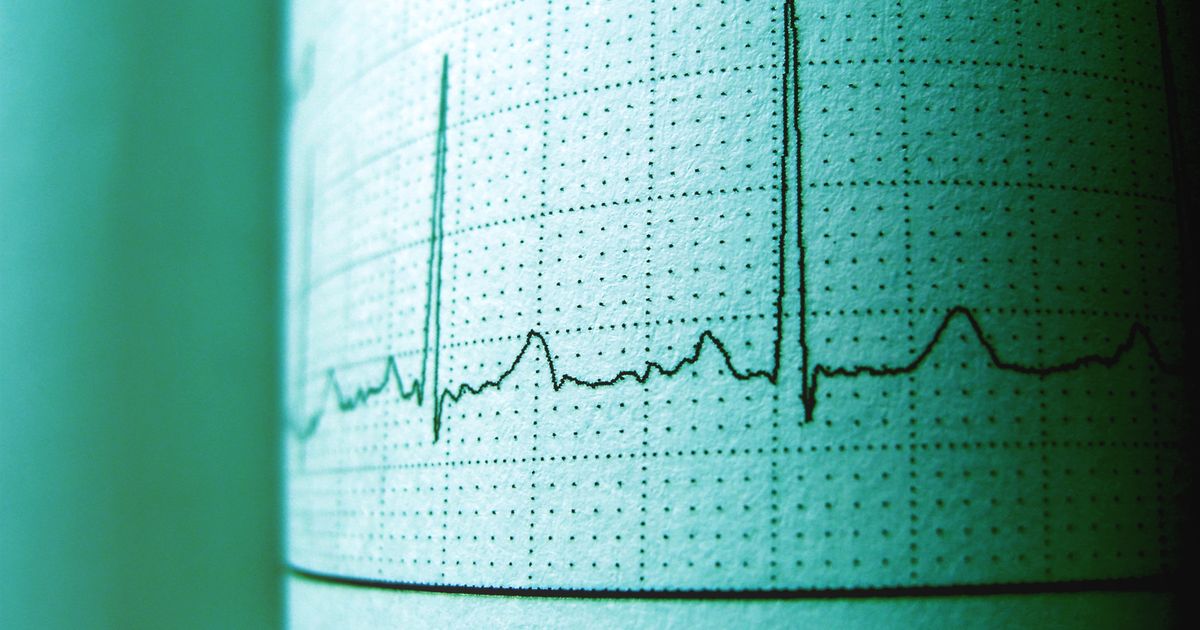
What is cryoballoon ablation?
In atẹlẹsẹ iṣan, the upper chambers of the heart quiver in a fast, disorganised way instead of beating regularly. In most people the abnormal signals that start an episode come from the pulmonary veins, the four vessels that bring blood from the lungs into the left upper chamber (left atrium).
Ablation means creating small, controlled scars that electrical signals cannot cross. In cryoballoon ablation, a balloon at the tip of a catheter is placed at the mouth of each pulmonary vein and filled with a very cold gas. The cold freezes a ring of tissue where the balloon touches the heart wall. Once healed, this ring acts as an electrical fence. Doctors call this pulmonary vein isolation.
It is one form of ìyọkúrò catheter fún fibrillation atrial. The other forms use heat or short electrical pulses instead of cold.
Other names for cryoballoon ablation
- Cryo balloon ablation
- Cyoablation fun atrial fibrillation
- Cryoballoon pulmonary vein isolation (PVI)
- AF cryoablation
- Balloon cryotherapy for AF
Why is cryoballoon ablation done?
The aim is to reduce or stop AF episodes and the symptoms they cause, such as palpitations, breathlessness, tiredness and reduced exercise capacity. Your cardiologist may suggest it when:
- You have symptomatic paroxysmal AF, where episodes start and stop on their own.
- Rhythm-control medicines have not worked, cause side effects or are not what you want to take long term.
- You have persistent AF of fairly recent onset and your doctor expects a reasonable chance of success.
- AF is contributing to a weakened heart muscle or okan ikuna.
Ablation treats symptoms and rhythm. It has not been shown to remove the need for blood thinners in people at higher risk of ọpọlọ. It is also not designed for other rhythm problems; typical atrial flutter, for example, is treated with a different ablation line.
Types of energy used for AF ablation
All three methods aim for the same result, isolation of the pulmonary veins. They differ in how the scar is made. Large trials in paroxysmal AF found that cryoballoon and radiofrequency ablation give similar success and safety overall. Pulsed field ablation is newer, with encouraging early results and less long-term data.
| ẹya-ara | Cryoballoon | Idahun redio | Pulsed field |
|---|---|---|---|
| Bi o ti ṣiṣẹ | Ó di àsọ ara | Ó ń gbóná àsopọ | Short electrical pulses open pores in heart muscle cells |
| Bawo ni o ṣe lo | One balloon application per vein | Point by point around each vein, guided by 3D mapping | Several brief applications per vein with a shaped catheter |
| Dara julọ ti baamu si | Pulmonary vein isolation in paroxysmal AF with standard vein anatomy | Pulmonary vein isolation plus extra lines, repeat procedures, flutter and other rhythms | Pulmonary vein isolation; wider uses are being studied |
| Àkókò ìlànà déédéé | Often shorter and more predictable | Nigbagbogbo gun | Often short |
| Particular cautions | Temporary weakness of the nerve to the diaphragm | Heating of nearby structures such as the food pipe | Newer method; long-term results still being gathered; not available everywhere |
Ka siwaju sii nipa radiofrequency cardiac ablation, pulsed field ablation ati cardiac cryoablation in general. The choice depends on your type of AF, your heart's anatomy and what your centre and operator use most.
Ta ló yẹ, ta ló sì lè máà yẹ bẹ́ẹ̀?
You are more likely to benefit if your AF is intermittent, your left atrium is not greatly enlarged, and AF has been present for a shorter time.
It may not be suitable, or may be delayed, if:
- A blood clot is found in the left atrium.
- You cannot take blood thinners.
- AF has been continuous for many years or the left atrium is very enlarged, where success is lower.
- Your pulmonary veins have an unusual shape or size that the balloon cannot seal well; another energy source may be chosen.
- You have an active infection, or are pregnant.
- AF is caused by a correctable problem, such as an overactive thyroid, which should be treated first.
How to prepare for cryoballoon ablation
igbeyewo
- An ECG, ati igba a Holter atẹle, to confirm AF.
- An iwoyi to assess chamber size, valves and pumping function.
- A cardiac CT scan or an echo through the food pipe to show the pulmonary veins and rule out a clot.
- Blood tests, including kidney and thyroid function.
Àwọn oògùn láti jíròrò
You will usually take a blood thinner for some weeks beforehand. Your team will tell you exactly whether to continue or pause it, and what to do with rhythm, diabetes and blood pressure medicines. Do not stop anything on your own. Mention allergies, particularly to contrast dye.
Ni ọjọ naa
- Do not eat for about six hours beforehand, or as your hospital instructs.
- The groin area is cleaned and may be clipped.
- Arrange for someone to take you home and stay with you the first night after discharge.
How is cryoballoon ablation performed?
The procedure takes place in an electrophysiology laboratory and commonly lasts around two hours, although this varies.
- Anaesthesia: you are given general anaesthesia or sedation, and monitoring is attached.
- Iwọle si iṣan iṣan: thin tubes are placed in a vein at the top of the leg, usually using ultrasound guidance.
- Crossing to the left atrium: a fine needle makes a small opening in the wall between the upper chambers so the catheter can reach the left atrium. Blood thinner is given through the drip.
- Positioning the balloon: the balloon is inflated and pressed against the mouth of a pulmonary vein. A little contrast dye under X-ray confirms a good seal.
- Didi: cold gas flows into the balloon for a few minutes. The team watches the temperature and the vein's electrical signals.
- Protecting the diaphragm nerve: while the right-sided veins are treated, the nerve to the diaphragm is paced and its movement checked. Freezing stops at once if the movement weakens.
- Repeating: the steps are repeated for each vein, and isolation is confirmed.
- Ti pari: catheters are removed and the groin is closed with pressure or a stitch.
If you are in AF at the end, a kadioversion may be done to restore normal rhythm.
Kini yoo ṣẹlẹ lẹhin ilana naa?
You lie flat for a few hours while the groin seals, with your heart rhythm and blood pressure monitored. Most people stay one night. Mild chest discomfort, a cough, tiredness or a sore throat are common for a day or two. Before discharge you are told which medicines to continue. Blood thinners are continued for at least two to three months in everyone, and longer if your stroke risk calls for it.
Awọn ewu ati awọn ilolu
Serious complications are uncommon, but they can happen and should be understood before you consent.
More common, usually minor
- Bruising, soreness or a small lump in the groin
- Chest discomfort, cough or headache for a short time
- Palpitations or short runs of AF in the first weeks
Ibanilẹru
- Weakness of the nerve to the diaphragm, causing breathlessness; this is the complication most linked with cryoballoon and usually recovers over weeks to months
- Significant bleeding or vessel damage in the groin
- Blood collecting around the heart, which may need to be drained
- Stroke or mini-stroke
- Narrowing of a pulmonary vein
- Reaction to contrast dye or anaesthesia; a small dose of X-ray radiation
Ṣẹ́ẹ̀ ṣùgbọ́n ó ṣe pàtàkì
- An abnormal connection between the left atrium and the food pipe, which appears days to weeks later and is an emergency
- Death, which is very rare
Àwọn èsì: báwo ni ó ṣe ń ṣiṣẹ́ dáadáa?
In trials of paroxysmal AF, a majority of patients were free of AF a year after a single cryoballoon procedure, and results were similar to radiofrequency ablation. Many of those who still have episodes find them shorter and less troublesome. Success is lower in persistent AF.
AF can return months or years later, most often because a pulmonary vein has reconnected. A repeat ablation, usually with radiofrequency or pulsed field energy, is then an option. Ablation does not treat the conditions that drive AF, such as high blood pressure, excess weight, sleep apnoea and alcohol, so controlling these improves long-term results.
Recovery after cryoballoon ablation
- First two to three days: rest, walk gently and avoid straining.
- Ni ọsẹ akọkọ: avoid heavy lifting, vigorous exercise and long soaks in a bath until the groin has healed.
- Wakọ ati iṣẹ: many people return to desk work within a week; ask your doctor about driving.
- First three months: this is called the blanking period. Extra beats or short AF episodes are common while the heart heals and do not mean the procedure has failed.
Nigbati lati wa iranlọwọ iṣoogun
- Bleeding or rapidly growing swelling at the groin
- A cold, numb or painful leg
- Chest pain, or breathlessness that is new or getting worse
- Fever, pain on swallowing or vomiting blood in the weeks after the procedure
- Weakness of the face, arm or leg, trouble speaking or sudden loss of vision
- Fainting, or a fast heartbeat that does not settle
Life after cryoballoon ablation
- Take your blood thinner exactly as prescribed. The decision to stop it depends on your stroke risk, not on how your rhythm feels.
- Attend follow-up visits; your doctor may arrange an ECG, a Holter or a cardiac event monitor to look for silent AF.
- Keep blood pressure, blood sugar and weight under control.
- Limit alcohol, stop smoking and get assessed for sleep apnoea if you snore heavily.
- Build up regular moderate exercise as advised.
Benefits of cryoballoon ablation
- No chest incision; access is through a leg vein
- One application treats the whole circumference of a vein
- Procedure times tend to be shorter and more predictable
- Results in paroxysmal AF comparable to radiofrequency ablation
- May reduce or remove the need for rhythm-control medicines
What is the cost of cryoballoon ablation in India?
Iye owo da lori:
- The balloon catheter and other single-use equipment
- Type of anaesthesia and length of the procedure
- Scans and tests needed beforehand
- Ẹ̀ka yàrá àti àkókò ìdúró rẹ̀
- Whether cardioversion or extra ablation is needed
- Other health conditions and any complications
- Ìlú àti ilé ìwòsàn
Iye owo naa yatọ lati ọdọ eniyan si eniyan. Jọwọ ṣayẹwo pẹlu ile-iwosan fun iye owo gangan.
Health insurance often covers medically necessary ablation; confirm cover and any limits on equipment with your insurer.
Why choose Apollo Hospitals for cryoballoon ablation?
- Heart rhythm specialists who can advise on medicines, catheter ablation and other AF treatments
- Electrophysiology laboratories with cardiac anaesthesia and intensive care support
- Cardiac imaging to plan the procedure and check for clots
- Follow-up for rhythm monitoring and stroke prevention
- Wíwà ní àwọn ilé ìwòsàn yàtọ̀ síra. Jọ̀wọ́ ṣe àyẹ̀wò pẹ̀lú ilé ìwòsàn náà.
To find out whether ablation suits your type of AF, book an appointment with a cardiologist ni Awọn ile-iwosan Apollo.
Kika ti o ni ibatan
- Catheter ablation fun atrial fibrillation
- Pulsed field ablation
- Cardioversion
- Tiipa ohun elo atrial osi
- Surgical atrial fibrillation ablation
Questions to ask your doctor about cryoballoon ablation
- Is my type of AF likely to respond well to ablation?
- Why do you recommend cryoballoon instead of radiofrequency or pulsed field ablation?
- What is the chance that I will need a second procedure?
- Which scans do I need beforehand?
- How should I take my blood thinner before and after?
- Will I be able to stop my rhythm medicines?
- What are the risks in my case?
- When can I drive, exercise and return to work?
FAQs
1. Is cryoballoon ablation a cure for atrial fibrillation?
It can stop AF for long periods, and many people remain free of episodes. It is safer to think of it as a treatment that controls AF, because the rhythm can return and the conditions behind AF still need attention.
2. Is cryoballoon ablation better than radiofrequency ablation?
Neither is clearly better for a first procedure in paroxysmal AF; trials show similar success and safety. Radiofrequency is more flexible when extra lines or other rhythms need treatment. Your operator will advise.
3. How does it compare with pulsed field ablation?
Pulsed field ablation uses electrical pulses that mainly affect heart muscle and may spare nearby structures. Early results are encouraging, but cryoballoon has a much longer record. Availability also differs.
4. Bawo ni ilana naa ṣe pẹ to?
Commonly around two hours, although preparation and recovery add to the time away from the ward. Unusual anatomy can make it longer.
5. Will I be awake?
Many centres use general anaesthesia, others use sedation. Either way you should not feel pain during the freezing.
6. Igba melo ni mo yoo duro ni ile iwosan?
Usually one night. Some people need longer if there is bleeding or a rhythm problem that requires observation.
7. Is it normal to have palpitations after ablation?
Yes. In the first three months the healing tissue can cause extra beats or short AF episodes. Tell your doctor, but this does not mean the procedure has failed.
8. Can I stop blood thinners after a successful ablation?
Not automatically. They are continued for at least two to three months, and after that the decision rests on your stroke risk factors. Never stop them without medical advice.
9. What is phrenic nerve injury?
The nerve that moves the diaphragm runs close to the right-sided pulmonary veins and can be stunned by cold. It is monitored throughout, and when weakness occurs it usually recovers.
10. What if AF comes back?
Your doctor may adjust medicines, perform a cardioversion or suggest a repeat ablation to close gaps where a vein has reconnected.
11. Does cryoballoon ablation work for persistent AF?
It can, but success is lower than in paroxysmal AF, and more than one procedure may be needed.
12. Can I have it if I have a pacemaker?
Usually yes. The team takes care around the leads and checks the device afterwards.
13. When can I exercise again?
Gentle walking can start within a day or two. Avoid strenuous exercise and heavy lifting for about a week, then build up gradually.
14. Which doctor performs cryoballoon ablation?
A cardiac electrophysiologist, a cardiologist with specialist training in heart rhythm disorders, performs it with an anaesthetist, nurses and technicians.
ipari
Cryoballoon ablation isolates the pulmonary veins by freezing and is an established option for atrial fibrillation, particularly the intermittent type. Most people have fewer episodes and better quality of life, but it does not suit everyone, AF can recur, and blood thinners may still be needed. A heart rhythm specialist can help you compare it with medicines and other forms of ablation.
Ojú ìwé yìí wà fún ìwífún gbogbogbòò, kò sì rọ́pò ìmọ̀ràn láti ọ̀dọ̀ dókítà rẹ. Ó yẹ kí a ṣe ìpinnu ìtọ́jú pẹ̀lú onímọ̀ nípa ìtàn ìṣègùn rẹ.
Laipe ti fi kun


Heart Specialists at Apollo Hospitals







be:
Àwọn ìwífún tí a pèsè lórí ojú ìwé yìí wà fún ìwífún gbogbogbò àti ẹ̀kọ́ nìkan. Bó tilẹ̀ jẹ́ pé a ń gbìyànjú láti rí i dájú pé ìwífún náà péye, ó ṣeé gbẹ́kẹ̀lé, àti pé a ń ṣe àtúnyẹ̀wò déédéé, kò yẹ kí a kà á sí àfikún ìmọ̀ràn ìṣègùn, àyẹ̀wò, tàbí ìtọ́jú.
Ìbámu tó wà nínú iṣẹ́ ìṣègùn, pẹ̀lú àwọn àǹfààní rẹ̀, ewu rẹ̀, ìmúrasílẹ̀ rẹ̀, ìwòsàn rẹ̀, àwọn ìṣòro tó lè ṣẹlẹ̀, àti àwọn àbájáde tí a retí, lè yàtọ̀ láti ọ̀dọ̀ ẹnìkọ̀ọ̀kan. Onímọ̀ nípa ìlera rẹ yóò pinnu bóyá iṣẹ́ ìṣègùn kan yẹ ní ìbámu pẹ̀lú ipò rẹ àti ìtàn ìṣègùn rẹ.
Jọ̀wọ́ kan si onímọ̀ nípa ìlera tó péye fún ìmọ̀ràn ara ẹni kí o tó ṣe ìpinnu nípa ìlànà ìṣègùn èyíkéyìí.
Fún ìwífún síi nípa bí a ṣe ń ṣẹ̀dá, ṣe àtúnyẹ̀wò, ṣe àtúnṣe, àti ṣe àtúnṣe àwọn àkóónú ìṣègùn wa, jọ̀wọ́ ka [Ìlànà Olóòtú].




