


Zrecenzowane przez zespół redakcyjny Apollo
Szybka odpowiedź
Orthognathic surgery, also called corrective jaw surgery, moves the upper jaw, the lower jaw or both so that the teeth meet properly and the face is better balanced. An oral and maxillofacial surgeon performs it under general anaesthesia, usually with braces before and after. Most people stay in hospital for one to three nights and eat soft food for about six weeks. It is planned treatment for jaw problems that braces alone cannot correct.
| Kluczowe fakty | Szczegóły |
|---|---|
| Co to jest | Surgery that cuts and repositions the jaw bones to correct the bite and jaw alignment |
| Kto to wykonuje? | Oral and maxillofacial surgeon, working with an orthodontist |
| Znieczulenie | Znieczulenie ogólne |
| Pobyt w szpitalu | Usually one to three nights |
| Where the cuts are made | Mostly inside the mouth, so visible scars on the face are uncommon |
| Diet afterwards | Liquids first, then soft food for about six weeks |
| Early bone healing | About six weeks; complete healing takes several months |
| Total treatment time | Often two to three years including braces before and after surgery |
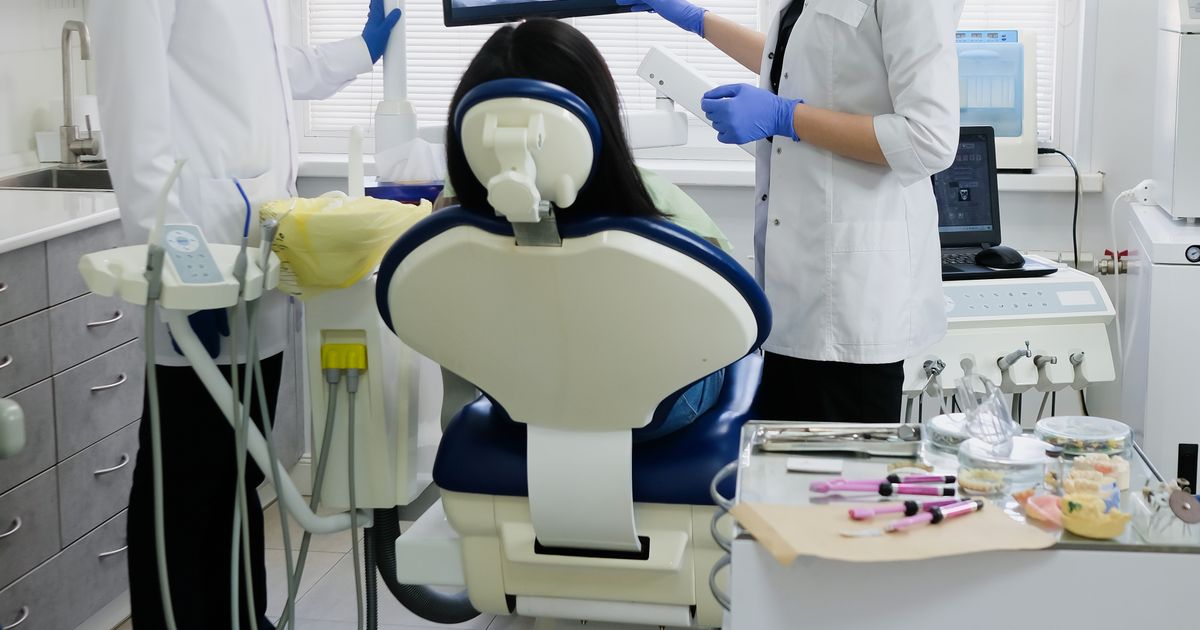
What is orthognathic surgery?
Orthognathic surgery is an operation on the bones of the face that hold the teeth. The word comes from Greek terms meaning "straight jaw". When the upper and lower jaws have grown to different sizes or in different directions, the teeth cannot meet correctly, however well they are straightened. This is called a skeletal wada zgryzu. Braces can move teeth, but they cannot change the size or position of the jaw bones in an adult. In orthognathic surgery the surgeon makes planned cuts in the jaw bone, moves the tooth-bearing part into its new position and fixes it there with small plates and screws.
The operation is part of chirurgia szczękowo-twarzowa. It is almost always combined with orthodontic treatment, so you will be looked after by a surgeon and an orthodontist who plan the treatment together.
Other names for orthognathic surgery
- Operacja korekcyjna szczęki
- Jaw surgery or jaw correction surgery
- Jaw alignment surgery
- Bimaxillary surgery or double jaw surgery (when both jaws are moved)
- Maxillary osteotomy or Le Fort I osteotomy (upper jaw surgery)
- Mandibular osteotomy or sagittal split osteotomy (lower jaw surgery)
- Surgical orthodontics
Why is orthognathic surgery done?
Surgery is advised when the bite problem lies in the jaw bones and not only in the teeth. Function is the main reason for the operation, although facial appearance usually changes too. Conditions that may be treated include:
- A lower jaw that sits too far forward (rokowanie), often causing an podbić
- A small or set-back lower jaw (mikrognacja), often causing a marked overbite
- An open bite, where teeth do not touch when the mouth is closed
- A crossbite or a jaw shifted to one side, giving facial asymmetry
- An upper jaw that is too long, short or narrow, including some "gummy" smiles
- Jaw growth problems after a repaired rozszczep podniebienia
- A broken jaw that healed out of place
- Wybrane przypadki obturacyjny bezdech senny
Surgery may or may not improve jaw joint symptoms or bóle szczęki, so joint pain alone is not a reason for this operation.
Types of orthognathic surgery
The operation depends on which jaw needs to move, and in which direction.
| Typ | What is moved | Powszechnie używane do |
|---|---|---|
| Upper jaw surgery (Le Fort I osteotomy) | The upper jaw and upper teeth are freed above the tooth roots and moved forward, back, up or down | Set-back upper jaw, open bite, gummy smile, crossbite |
| Lower jaw surgery (bilateral sagittal split osteotomy) | The lower jaw is split behind the molars on both sides and the tooth-bearing part slides forward or back | Small lower jaw, protruding lower jaw, asymmetry |
| Double jaw surgery (bimaxillary osteotomy) | Both jaws are moved in one operation | Larger or combined discrepancies, some sleep apnoea cases |
| Chin surgery (genioplasty) | The chin point is cut and repositioned; the bite does not change | Small, long or off-centre chin, often added to jaw surgery |
| Segmental surgery or surgically assisted expansion | The jaw is divided into sections or widened gradually | Narrow upper jaw, uneven bite levels |
Usually braces come first, then surgery, then braces again to finish the bite. In a surgery-first approach the operation is done at the start and the teeth are aligned afterwards; this suits only selected bite patterns. Jaw movements are planned in advance on dental models or on a computer using scans.
Who is suitable for orthognathic surgery?
Możesz być odpowiednią osobą, jeśli:
- Your jaw growth is complete. This is usually in the late teens, and a little earlier in girls than in boys. Operating before growth stops risks the problem returning.
- You have a jaw discrepancy that an orthodontist has confirmed cannot be corrected by braces alone.
- You are in good general health and fit for general anaesthesia.
- Your teeth and gums are healthy, or have been treated first.
- You understand the length of the treatment and can attend regular orthodontic visits.
Kto może nie być odpowiedni
- Children and teenagers who are still growing, except in special situations
- People with poorly controlled long-term illness, such as uncontrolled diabetes, bleeding disorders or serious heart or lung disease
- People with active gum disease or untreated tooth decay
- Smokers who cannot stop around the time of surgery, because smoking slows healing
- People whose main concern is appearance and whose expectations cannot be met by surgery
How to prepare for orthognathic surgery
Oceny i testy
- A joint consultation with the surgeon and orthodontist, with photographs and impressions or digital scans of your teeth
- Zdjęcia rentgenowskie zębów and often a three-dimensional tomografia komputerowa twarzy
- Pełna badanie stomatologiczne, with fillings or gum treatment completed first
- Pre-anaesthetic check-up with blood tests such as a pełna morfologia krwi, Oraz ECG potrzeba
- A nauka snu if surgery is planned for sleep apnoea
Braces before surgery
Fixed braces are usually worn for roughly 12 to 18 months before the operation. Your bite may look worse during this phase because the jaw mismatch becomes more obvious. This is expected.
Medicines and habits to discuss
- Tell the team about every medicine and supplement you take, especially blood thinners, diabetes medicines and steroids. Do not stop any medicine on your own.
- Mention allergies, bleeding tendency and previous problems with anaesthesia.
- Stop smoking and all tobacco use well before surgery.
W dniu
You will be asked not to eat or drink for a set number of hours before surgery. The znieczulenie team will meet you and explain how you will be put to sleep.
How is orthognathic surgery performed?
The operation takes about one to two hours for a single jaw and several hours for double jaw surgery.
- Znieczulenie: You are given general anaesthesia, usually with the breathing tube passed through the nose.
- Incisions inside the mouth: The surgeon cuts the gum above the upper teeth or behind the lower molars.
- Bone cuts (osteotomy): The jaw is divided along the planned lines, protecting tooth roots and nerves.
- Repositioning the jaw: The freed segment is moved into place, guided by a thin plastic splint made before surgery.
- Utrwalenie: Small titanium plates and screws hold the bone in its new position. A bone graft may be added if a gap is created.
- Second jaw or chin, if planned: The same steps are repeated.
- Zamknięcie: The gum is closed with dissolving stitches. Elastic bands may be placed between the braces. Wiring the jaws shut is now uncommon.
Co dzieje się po operacji?
You wake up in the recovery area and may be monitored closely on the first night. Expect facial swelling, a blocked nose after upper jaw surgery, slight oozing of blood and numb lips, chin or cheeks. Pain is usually moderate and is controlled with pain relief medicines. Antibiotics and medicine to limit swelling are given as your surgeon decides. Nurses will help with cold packs, mouth rinses and drinking. Most people go home in one to three days, once they can drink enough.
Risks and complications of orthognathic surgery
Common and expected effects
- Swelling and bruising of the face, settling over several weeks
- Numbness or tingling of the lips, chin or cheeks, which recovers over weeks to months in most people
- Limited mouth opening and stiffness (katalepsja)
- Nasal stuffiness after upper jaw surgery
- Temporary weight loss because of the restricted diet
Less common complications
- Lasting numbness or altered sensation in the lip, chin or tongue in a small proportion of people
- Infection of the wound or around a plate, which may need antibiotics or removal of the plate
- Heavy bleeding needing further treatment
- Bone not splitting or healing as planned, needing another operation
- Relapse, where the jaw drifts partly back towards its old position
- A bite that is not exactly as planned, needing more orthodontic work or revision surgery
- New or worse jaw joint clicking or pain
- Changes in the shape of the nose after upper jaw movement
- Risks of general anaesthesia and blood clots in the legs, as with any major operation
Results: how well does orthognathic surgery work?
When carefully planned and combined with orthodontics, orthognathic surgery gives a stable, improved bite for most people, and satisfaction is generally high. The result is not immediate: swelling hides the final shape for some months and braces continue after surgery. Large movements and widening of the upper jaw have a higher tendency to relapse. For sleep apnoea, a repeat sleep study is needed to confirm the benefit. Appearance changes cannot be guaranteed to match a simulation exactly.
Recovery after orthognathic surgery
- Pierwszy tydzień: Swelling peaks around the second or third day. Rest with your head raised, take liquids often and keep your mouth clean.
- Tygodnie od drugiego do szóstego: You move from liquids to blended and soft foods. Many people return to study or desk work in two to four weeks.
- Po sześciu tygodniach: Chewing is brought back gradually as your surgeon advises.
- Three to twelve months: Bone healing completes, sensation continues to return and orthodontic finishing is done.
Avoid contact sports and any blow to the face for about three months, or as advised.
Kiedy szukać pomocy medycznej
- Bleeding from the mouth or nose that does not stop with gentle pressure and rest
- Fever, increasing pain, new swelling, pus or a foul taste after the first few days
- Trudności w oddychaniu lub połykaniu
- A sudden change in the way your teeth meet, or a plate or screw that feels loose
- Persistent vomiting, or being unable to take enough fluids
- Pain, swelling or redness in a calf, chest pain or breathlessness
Life after orthognathic surgery
- Keep every orthodontic appointment and wear your retainers once braces are removed.
- Brush gently but thoroughly after each meal. Poor cleaning around braces can lead to zapalenie dziąseł or decay.
- Eat enough protein and calories. Soups, milk, curd, dal, khichdi, eggs and mashed vegetables are practical soft-diet choices.
- Nie palić ani nie żuć tytoniu.
- It is common to feel low in the first weeks while the face is swollen. Speak to your team if this persists.
Benefits of orthognathic surgery
- A bite in which the upper and lower teeth meet properly
- Easier biting and chewing, and sometimes clearer speech
- Lips that close without strain
- Less uneven wear on the teeth over time
- Better balance between the upper jaw, lower jaw and chin
- A wider airway and improved breathing during sleep in selected people with sleep apnoea
- Correction of problems that braces alone cannot fix
What is the cost of orthognathic surgery in India?
Na koszt wpływają m.in.:
- Whether one jaw, both jaws or the chin are operated on
- Scans, splints and surgical planning
- Plates, screws and any bone graft used
- Operating theatre and anaesthesia charges
- Days in hospital and any intensive care stay
- Orthodontic treatment, which is usually billed separately
- Kategoria miasta, szpitala i pokoju
Koszty różnią się w zależności od osoby. Aktualne ceny można sprawdzić w szpitalu.
Insurance may cover jaw surgery done for a functional reason but often excludes cosmetic and orthodontic care, so check with your insurer.
Why choose Apollo Hospitals for orthognathic surgery?
- Oral and maxillofacial surgeons and dental specialists plan treatment together.
- Surgery is done in hospital operating theatres with anaesthesia and intensive care support on site.
- Imaging, laboratory tests and pre-anaesthetic check-ups are available within the hospital.
- Related specialists such as ENT surgeons and dietitians are available when needed.
- Dostępność różni się w zależności od ośrodka. Prosimy o kontakt ze szpitalem.
To discuss whether jaw surgery is right for you, you can book an appointment with a dental surgeon w szpitalu Apollo w Twojej okolicy.
Powiązane czytanie
- Malocclusion: types, causes and treatment
- Dysfunkcja stawu skroniowo-żuchwowego (TMJ)
- Naprawa rozszczepu wargi i podniebienia
- Zabiegi przeszczepiania kości
- Ząb wbijany
Questions to ask your doctor about orthognathic surgery
- Is my bite problem caused by my teeth, my jaws or both?
- Can braces alone give an acceptable result in my case?
- Which jaw or jaws need to be moved?
- How long will I need braces before and after surgery?
- What is my risk of lasting numbness in the lip or chin?
- How will my face and nose look different afterwards?
- How long will I be in hospital and off work or college?
- What happens if the bite relapses?
FAQ
1. Is orthognathic surgery painful?
You feel nothing during the operation because of general anaesthesia. Afterwards most people describe pressure and moderate discomfort, which is managed with regular pain relief.
2. How long does orthognathic surgery take?
Surgery on one jaw often takes about one to two hours. Double jaw surgery, with or without a chin procedure, can take several hours.
3. What is the right age for jaw surgery?
It is usually done after the jaws stop growing, in the late teens. There is no fixed upper age limit if you are healthy and your teeth and gums are in good condition.
4. Will my jaws be wired shut?
Usually not. Plates and screws hold the bones, so most people only have elastic bands between the braces to guide the bite.
5. Will I have scars on my face?
The cuts are made inside the mouth in most operations, so visible scars are uncommon. Occasionally a tiny cheek cut is needed to place screws.
6. How long is the recovery after corrective jaw surgery?
Most people return to study or desk work in two to four weeks. Bone needs about six weeks to join for gentle chewing, and complete healing can take up to a year.
7. What can I eat after jaw surgery?
You start with liquids, then move to blended and soft foods that need no chewing. Normal chewing returns gradually after about six weeks.
8. Is the numbness after jaw surgery permanent?
Numbness of the lip, chin or cheek is very common at first and improves over weeks to months in most people. A small proportion have some permanent change in feeling.
9. Can braces alone correct my jaw problem?
Braces can correct tooth position and mild jaw mismatches. When the difference between the jaws is large in an adult, braces alone may only disguise the problem.
10. Do I need braces before and after surgery?
In most cases, yes. Braces before surgery line up the teeth on each jaw, and braces afterwards fine-tune the bite.
11. Will orthognathic surgery change my appearance?
Yes, to some degree, because jaw position shapes the lower face. The exact final look cannot be promised, and swelling hides it for the first few months.
12. Can jaw surgery cure sleep apnoea?
Moving both jaws forward helps many carefully selected people with obstructive sleep apnoea, but it does not work for everyone. A sleep study after recovery checks the result.
13. Are the plates and screws removed later?
They are normally left in place for life. They are removed only if they become infected or cause discomfort.
14. Which doctor performs orthognathic surgery?
An oral and maxillofacial surgeon performs it, working with an orthodontist who manages the braces before and after the operation.
Wniosek
Orthognathic surgery corrects jaw positions that braces cannot, giving a working bite and better balance between the jaws. It is a long treatment that needs commitment to braces, a restricted diet for some weeks and patience while swelling and numbness settle. Understanding the steps, the likely benefits and the risks will help you decide with your surgeon and orthodontist whether it is the right choice for you.
Ta strona ma charakter ogólny i nie zastępuje porady lekarskiej. Decyzje dotyczące leczenia należy podejmować z wykwalifikowanym specjalistą, który zna Twoją historię medyczną.
Niedawno dodane


Specjaliści stomatologiczni i szczękowo-twarzowi w szpitalach Apollo







Zrzeczenie się:
Informacje zawarte na tej stronie służą wyłącznie celom informacyjnym i edukacyjnym. Dokładamy wszelkich starań, aby informacje były dokładne, wiarygodne i regularnie weryfikowane, jednak nie powinny one zastępować profesjonalnej porady medycznej, diagnozy ani leczenia.
Odpowiedniość zabiegu medycznego, wraz z jego korzyściami, ryzykiem, przygotowaniem, rekonwalescencją, potencjalnymi powikłaniami i oczekiwanymi rezultatami, może się różnić w zależności od osoby. Lekarz określi, czy zabieg jest odpowiedni, na podstawie Twojego indywidualnego stanu zdrowia i historii choroby.
Przed podjęciem decyzji dotyczącej jakiegokolwiek zabiegu medycznego należy skonsultować się z wykwalifikowanym pracownikiem służby zdrowia w celu uzyskania indywidualnej porady.
Aby uzyskać więcej informacji na temat sposobu tworzenia, sprawdzania, aktualizowania i utrzymywania naszych treści medycznych, zapoznaj się z naszą [Polityką redakcyjną].




