


Zrecenzowane przez zespół redakcyjny Apollo
Szybka odpowiedź
Lymphadenectomy, also called lymph node dissection, is surgery to remove a group of lymph nodes from one region of the body, usually as part of cancer treatment. It shows how far a cancer has spread and removes nodes that contain or may contain cancer. The operation is named after the region treated, such as the neck, armpit, chest, abdomen, pelvis or groin, and is often done together with removal of the main tumour. The side effects depend on the region, and the most important long-term one is swelling called lymphoedema.
| Kluczowe fakty | Szczegóły |
|---|---|
| Co to jest | Surgical removal of a group of lymph nodes from one body region |
| Główny cel | To stage cancer accurately and to remove nodes involved by cancer |
| Wspólne regiony | Neck, armpit, chest, abdomen, pelvis and groin |
| Znieczulenie | General anaesthesia in most cases |
| Podejście | Open, laparoscopic (keyhole) or robot-assisted, depending on the region |
| Pobyt w szpitalu | From one day to a week or more, depending on the main operation |
| Main long-term risk | Lymphoedema of the arm, leg, neck or genital area, depending on the site |
| Kto to wykonuje? | Surgical oncologist or an organ-specific cancer surgeon |
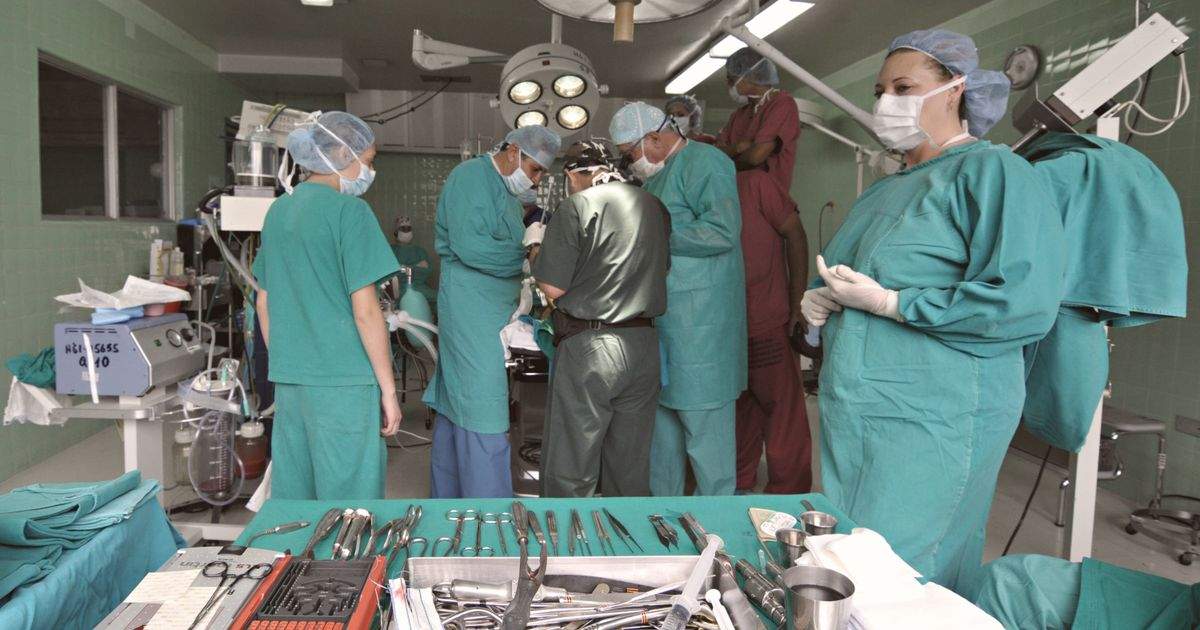
What is lymphadenectomy?
The lymphatic system is a network of fine channels and small bean-shaped glands called lymph nodes. It carries a clear fluid called lymph from the tissues back to the bloodstream and helps the body fight infection. Each organ drains to its own nearby group of nodes. Cancer cells that break away from a tumour often travel along these channels and settle first in those nodes.
In a lymphadenectomy the surgeon removes the nodes that drain the cancer, together with the fatty tissue around them, in one block. A pathologist examines every node under the microscope. The report states how many nodes were removed and how many contain cancer, which is a key part of the cancer stage.
Other names for lymphadenectomy
- Rozwarstwienie węzłów chłonnych
- Lymph node removal or lymph node clearance
- Wycięcie węzłów chłonnych regionalnych
- Nodal dissection
- Region names such as neck dissection, axillary dissection, pelvic lymph node dissection, retroperitoneal lymph node dissection (RPLND) and inguinal (groin) dissection
Why is lymphadenectomy done?
- Inscenizacja: Knowing whether nodes are involved, and how many, helps the team decide whether treatments such as chemoterapia, radiotherapy, terapia celowana or immunoterapia are needed after surgery.
- Leczenie: Removing nodes that contain cancer lowers the chance of the disease returning in that region and, in some cancers, improves the chance of cure.
- Złagodzenie objawów: Occasionally, enlarged nodes that cause pain or pressure are removed for comfort.
Lymphadenectomy is used for solid tumours. It is generally not a treatment for chłoniak, a cancer that starts in the lymphatic system itself, where a single node is usually removed only for diagnosis and treatment is mainly with medicines.
Types of lymphadenectomy by body region
| Region | Usual name | Cancers where it is commonly used | Side effects specific to the region |
|---|---|---|---|
| Szyja | Wycięcie szyi | Mouth, throat and voice box cancers, rak tarczycy, skin cancers of the head and neck | Shoulder stiffness or weakness, neck numbness, leakage of lymph fluid |
| Pacha | Wycięcie węzłów chłonnych pachowych | Rak piersi, melanoma of the arm or trunk | Arm lymphoedema, numbness of the inner arm, shoulder stiffness |
| Pierś | Wycięcie węzłów chłonnych śródpiersia | Rak płuc, cancer of the food pipe | Hoarse voice, leakage of lymph fluid into the chest |
| Upper abdomen and bowel | Regional or D2 dissection, mesenteric dissection | Rak żołądka, pancreatic cancer, raka jelita grubego and rectal cancer | Usually few beyond those of the main operation |
| Back of the abdomen | Wycięcie węzłów chłonnych zaotrzewnowych | Rak jąder, some kidney and gynaecological cancers | Change in ejaculation that can affect fertility, lymph fluid collection |
| Miednica | Wycięcie węzłów chłonnych miednicy | Prostata, pęcherz, szyjny oraz endometrium nowotwory | Lymph fluid collection (lymphocele), leg swelling |
| Pachwina | Inguinal or ilio-inguinal dissection | Rak prącia, rak sromu, melanoma of the leg | Slow wound healing, wound infection, leg lymphoedema |
How much is removed
- Biopsja węzła wartowniczego: Only the first one to a few nodes that drain the tumour are found with a dye or tracer and removed. If they are clear, a full dissection can often be avoided. It is standard in early breast cancer and melanoma and is used in some other cancers.
- Selective or limited dissection: Only the node groups most likely to be involved are removed, and nearby nerves, muscles and vessels are kept.
- Complete or radical dissection: All node groups in the region are removed. This is used when nodes are clearly involved.
Open and keyhole approaches
Neck, armpit and groin dissections are usually open operations. Nodes in the chest, abdomen and pelvis can often be removed by keyhole or robot-assisted surgery through small cuts, as part of the main cancer operation. The choice depends on the cancer, your earlier surgery and the surgeon's judgement.
Kto się nadaje, a kto nie?
Lymphadenectomy may be advised if you have a solid cancer in which node removal is a standard part of treatment, if scans or a needle test show cancer in regional nodes, or if a sentinel node contains cancer and further clearance is expected to help.
Może nie być to zalecane, jeśli:
- The cancer is very early and the risk of node spread is low
- A sentinel node biopsy has shown clear nodes
- The cancer has already spread widely, so that removing regional nodes would add risk without benefit
- Radiotherapy or medicines can treat the nodes equally well with fewer side effects
- Your general health makes a longer operation unsafe
Jak przygotować
Testy
- Scans to map the tumour and nodes, such as an ultradźwięk, A tomografia komputerowa, MRI lub Skan PET-CT
- Igła biopsja of a suspicious node in some cases
- Blood tests, heart and lung checks, and a pre-anaesthetic assessment
Leki do omówienia
Give your doctor a full list of your medicines and supplements. Blood thinners and some diabetes medicines may need to be paused or adjusted. Do not stop anything without advice.
W dniu
- Follow the fasting instructions you are given
- Stop smoking as early as you can before surgery, as it slows healing
- Men having retroperitoneal surgery who wish to have children can ask about sperm banking beforehand
- Arrange for someone to accompany you home
How is lymphadenectomy performed?
- Znieczulenie: You receive general anaesthesia and are positioned according to the region to be operated on.
- Dostęp: The surgeon makes an open incision over the region or places small ports for keyhole or robot-assisted instruments.
- Identifying structures: Major blood vessels and nerves that run through the node-bearing tissue are identified and protected.
- Removing the nodes: The fatty tissue containing the nodes is separated and removed in one piece. Small lymph channels and vessels are sealed or tied.
- Main tumour surgery: When planned, the main tumour is removed in the same operation, before or after the nodes.
- Drenaż: A soft tube is often left in place to carry away fluid for a few days.
- Zamknięcie: The wound is closed and dressed, and the tissue is sent to the laboratory.
Co dzieje się później?
You are monitored in the recovery area and then moved to the ward. Pain relief is given regularly. You are encouraged to sit up and walk early to lower the risk of blood clots and chest infection. If you have a drain, nurses measure the fluid each day, and it is removed when the amount falls. The pathology report is usually ready within one to two weeks and is discussed at a follow-up visit, when further treatment is planned.
Ryzyko i komplikacje
Bardziej powszechne
- Fluid collecting under the wound (seroma) or in the pelvis (lymphocele)
- Numbness or tingling of the skin near the scar
- Stiffness of the nearby shoulder or hip
- Wound infection or slow healing, especially in the groin
- Lymphoedema: swelling of the arm, leg, neck, breast or genital area that can begin months or years later
Mniej popularne
- Bleeding that needs a return to theatre
- Injury to a nearby nerve, causing weakness, for example of the shoulder after neck surgery
- Leakage of milky lymph fluid (chyle leak) after neck, chest or abdominal dissections
- Dry or backward ejaculation after retroperitoneal dissection. Nerve-sparing techniques reduce this risk.
- Blood clots in the legs (Zakrzepica żył głębokich) or lungs, and the general risks of anaesthesia
The risk of lymphoedema is higher when more nodes are removed, when the same area also receives radiotherapy, and in people who are overweight. It cannot always be prevented, but early treatment usually keeps it under control.
Wyniki: jak dobrze to działa?
Lymphadenectomy gives the most accurate information available about node involvement, and this guides the rest of the treatment. Its effect on cure differs between cancers. In some, such as testicular cancer and cancers of the head and neck, removing involved nodes is an established part of curative treatment. In others, such as early breast cancer and melanoma, research has shown that routine complete dissection after limited sentinel node involvement does not always improve survival, so it is now used more selectively. Your surgeon can explain what is known for your type of cancer.
regeneracja
- Pobyt w szpitalu: One to three days after neck, armpit or groin dissection alone. Longer when it is part of a major chest or abdominal operation.
- Pierwsze dwa tygodnie: Wound and drain care, short walks and the exercises taught by the physiotherapist.
- Od dwóch do sześciu tygodni: Gradual return to daily activities and light work. Avoid heavy lifting until your surgeon agrees.
- Dłuższy okres: Follow-up visits, any further cancer treatment, and regular checks for swelling.
Kiedy szukać pomocy medycznej
- Gorączka lub dreszcze
- Redness, warmth, increasing pain or discharge at the wound
- A sudden increase in drain fluid, or milky or bright red fluid
- New swelling, heaviness or tightness of a limb
- A red, hot area of skin on the limb, which may be zapalenie tkanki łącznej
- Ból łydki, ból w klatce piersiowej lub duszność
Life after lymphadenectomy
- Pozostań aktywny: Regular exercise helps lymph flow and joint movement. Build up gradually.
- Chroń skórę: Keep the skin of the affected limb clean and moisturised, and treat cuts, insect bites and fungal infections early.
- Utrzymuj zdrową wagę: This lowers the risk of lymphoedema.
- Report swelling early: Compression garments, bandaging, special massage and exercise work better when started early. For selected people with persistent swelling, lymphoedema surgery może być opcją.
- Utrzymuj wizyty kontrolne: These check for recurrence and for late effects of treatment.
Korzyści
- Accurate staging, so that further treatment is neither too little nor too much
- Removal of cancer in the regional nodes
- Lower chance of the cancer returning in that region
- In some cancers, a better chance of cure
What is the cost of lymphadenectomy in India?
Koszt zależy od:
- The body region and the extent of the dissection
- Whether it is combined with removal of the main tumour
- Open, laparoscopic or robot-assisted approach
- Scans, pathology and other tests
- Room category, length of stay and any intensive care needed
- Physiotherapy, compression garments and follow-up
Koszty różnią się w zależności od osoby. Aktualne ceny można sprawdzić w szpitalu.
Health insurance usually covers medically necessary cancer surgery, but check the terms of your policy with your insurer.
Why choose Apollo Hospitals for lymphadenectomy?
- Surgical oncologists and organ-specific cancer surgeons who perform node dissections in different body regions
- Tumour board discussion, so that surgery, radiotherapy and medical treatment are planned together
- Imaging and pathology services within the hospital network to support staging
- Physiotherapy and rehabilitation support after surgery
- Keyhole and robot-assisted surgery and dedicated lymphoedema services are not offered at every hospital. Availability differs between centres. Please check with the hospital.
To discuss your reports and options, you can book an appointment with a cancer specialist w szpitalach Apollo.
Powiązane czytanie
Questions to ask your doctor about lymphadenectomy
- Which group of lymph nodes do you plan to remove, and why?
- Is a sentinel node biopsy an option in my case?
- Will the nodes be removed in the same operation as the main tumour?
- Will the surgery be open, keyhole or robot-assisted?
- What side effects are specific to the region being operated on?
- What is my risk of lymphoedema, and how can I lower it?
- When will the pathology report be ready, and how could it change my treatment?
- Kiedy mogę wrócić do pracy i normalnej aktywności?
FAQ
1. Are lymphadenectomy and lymph node dissection the same thing?
Yes. Both terms mean surgical removal of a group of lymph nodes from one region of the body.
2. How is it different from a lymph node biopsy?
A biopsy removes one node, or a sample of it, to make a diagnosis. A lymphadenectomy removes the whole group of nodes in a region to stage and treat a known cancer.
3. How many lymph nodes are removed?
It depends on the region and on the person. The surgeon removes the node-bearing tissue, and the pathologist counts the nodes afterwards. For some cancers there is a minimum number that should be examined for accurate staging.
4. Can I live normally without these lymph nodes?
Yes. The body has hundreds of lymph nodes, and the remaining ones continue to work. The main effect of removing a group is on fluid drainage from that region, which is why swelling can occur.
5. Does removing lymph nodes weaken immunity?
Removing one regional group does not noticeably weaken the body's overall defence against infection. The skin of the affected limb can be more prone to local infection, so skin care matters.
6. Does a positive lymph node mean the cancer cannot be cured?
No. Many cancers with node involvement are treated with the aim of cure, usually by combining surgery with other treatments. Node involvement does mean the stage is higher, and your doctor will explain what that means for you.
7. What is lymphoedema and when does it appear?
Lymphoedema is long-term swelling caused by a build-up of lymph fluid after nodes are removed or irradiated. It can appear within months or many years later. Early treatment gives the best control.
8. Is the operation painful?
You will be asleep during surgery. Afterwards, pain is usually moderate and is managed with regular pain relief. Numbness near the scar is common and may be lasting.
9. Ile trwa operacja?
It ranges from about an hour for a limited dissection to several hours when it is part of a larger cancer operation. Your surgeon can give an estimate for your case.
10. Will I have a drain?
Often, yes, particularly after neck, armpit and groin dissections. It stays for a few days to about two weeks, until the fluid reduces.
11. Can lymph nodes be removed by keyhole or robotic surgery?
Nodes in the chest, abdomen and pelvis are often removed this way as part of the main operation. Neck, armpit and groin dissections are usually open. Not every centre offers every approach.
12. Will I need more treatment after lymphadenectomy?
That depends on the pathology report. If nodes contain cancer, chemotherapy, radiotherapy or other treatment is often advised.
13. Do lymph nodes grow back?
No. Removed nodes do not regrow, but nearby lymph channels can take over some of the drainage with time.
14. Which doctor performs lymphadenectomy?
A surgical oncologist or a cancer surgeon who specialises in the organ involved, such as a head and neck, breast, thoracic, gastrointestinal, urological or gynaecological cancer surgeon.
Wniosek
Lymphadenectomy is a standard part of surgery for many solid cancers. It tells the team how far the disease has spread and removes involved nodes, but it carries region-specific side effects and a lasting risk of lymphoedema. Surgeons now remove fewer nodes when it is safe to do so. Ask your surgeon which nodes will be removed, why, and how the result will shape your treatment.
Ta strona ma charakter ogólny i nie zastępuje porady lekarskiej. Decyzje dotyczące leczenia należy podejmować z wykwalifikowanym specjalistą, który zna Twoją historię medyczną.
Lymphadenectomy (Lymph Node Dissection) at Apollo Hospitals near you
Wybierz swoje miasto, aby zobaczyć lekarzy, placówki i szczegóły dotyczące rezerwacji w danym szpitalu.
Niedawno dodane


Specjaliści onkolodzy w szpitalach Apollo




Zrzeczenie się:
Informacje zawarte na tej stronie służą wyłącznie celom informacyjnym i edukacyjnym. Dokładamy wszelkich starań, aby informacje były dokładne, wiarygodne i regularnie weryfikowane, jednak nie powinny one zastępować profesjonalnej porady medycznej, diagnozy ani leczenia.
Odpowiedniość zabiegu medycznego, wraz z jego korzyściami, ryzykiem, przygotowaniem, rekonwalescencją, potencjalnymi powikłaniami i oczekiwanymi rezultatami, może się różnić w zależności od osoby. Lekarz określi, czy zabieg jest odpowiedni, na podstawie Twojego indywidualnego stanu zdrowia i historii choroby.
Przed podjęciem decyzji dotyczącej jakiegokolwiek zabiegu medycznego należy skonsultować się z wykwalifikowanym pracownikiem służby zdrowia w celu uzyskania indywidualnej porady.
Aby uzyskać więcej informacji na temat sposobu tworzenia, sprawdzania, aktualizowania i utrzymywania naszych treści medycznych, zapoznaj się z naszą [Polityką redakcyjną].




