


Прегледано от редакционния екип на Аполо
Бърз отговор
Tumour resection is surgery to remove a tumour, usually with a rim of healthy tissue around it. It is used for many cancers and for non-cancerous tumours that cause symptoms or may turn harmful. The operation differs greatly depending on the organ involved, so each type has its own page. For cancer, surgery is often combined with chemotherapy, radiotherapy or other treatment, and the plan is made by a team of specialists.
| Ключови факти | Детайли |
|---|---|
| Какво е | Surgical removal of a tumour, in whole or in part |
| Използва се за | Cancerous (malignant) and non-cancerous (benign) tumours |
| Main aims | Cure, control of the disease, relief of symptoms, or diagnosis |
| подходи | Open, keyhole or robotic, and endoscopic surgery |
| анестезия | Usually general anaesthesia |
| Hospital stay and recovery | Varies widely with the organ and the size of the operation |
| Изпълнено от | Surgical oncologist or an organ-specific surgeon |
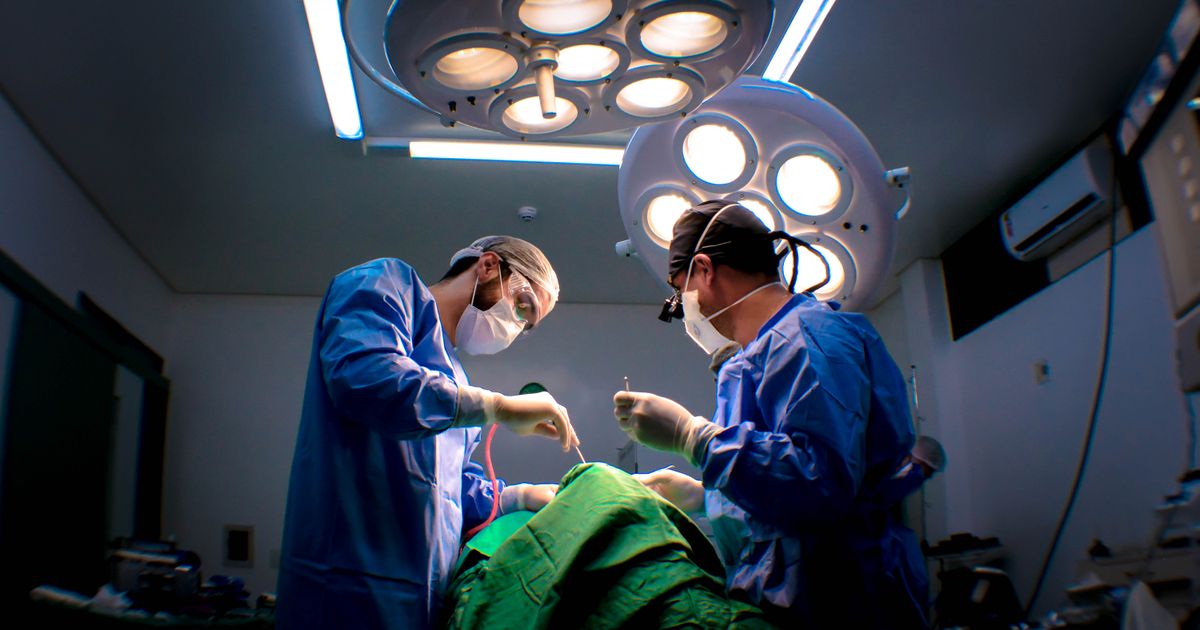
What is tumour resection?
A tumour is a lump formed by cells that grow more than they should. Some are доброкачествен and do not spread. Others are cancers that can invade nearby tissue and spread to other parts of the body. Resection means cutting out. In a tumour resection, the surgeon removes the tumour and, for cancers, a margin of normal tissue around it. Nearby lymph nodes may be removed too, to check whether the disease has spread.
Other names for tumour resection
- Tumour removal surgery
- Tumour excision
- Cancer surgery or oncosurgery
- Хирургична резекция
- Tumor resection (American spelling)
Types of tumour resection
Tumour surgery is usually named after the organ or area treated. The table lists common types, with links to the detailed pages.
| Район | Какво се прави | Когато се използва | Прочетете повече |
|---|---|---|---|
| Мозък | The tumour is removed through an opening in the skull or through the nose | Brain and pituitary tumours that can be reached safely | Craniotomy for tumour, Pituitary tumour surgery |
| Brain, in children | Tumour removal planned for a growing child | Childhood brain tumours | Paediatric brain tumour resection |
| Гръбначен мозък | The tumour is freed from the cord and nerves | Tumours pressing on the spinal cord | Spinal cord tumour surgery |
| Костни и меки тъкани | The tumour is removed and the limb is rebuilt where possible | Bone tumours and sarcomas | Резекция на костен тумор, Резекция на саркома |
| Chest (mediastinum) | A tumour between the lungs is removed | Thymus and other mediastinal tumours | Mediastinal tumour resection |
| Пикочен мехур | The tumour is removed through the urine passage with a telescope | Diagnosis and treatment of bladder tumours | ТУРБТ |
| Панкреас | The tumour alone, or part of the pancreas, is removed | Hormone-producing and other pancreatic tumours | Pancreatic endocrine tumour resection |
| Черен дроб | The part of the liver holding the tumour is removed | Liver cancer and some tumours that have spread to the liver | Резекция на черния дроб |
| Надбъбречна жлеза | The affected adrenal gland is removed | Надбъбречни тумори | адреналектомията |
| Гърди | The lump or the breast is removed | Рак на гърдата | Рак на гърдата |
| Children's tumours | Removal of solid tumours in children | Tumours of the kidney, abdomen and other sites in childhood | Paediatric tumour surgery |
When a cancer cannot be removed completely, the surgeon may remove as much as is safe. This is called debulking surgery.
Why is tumour resection done?
- To cure: when a cancer is confined to one area and can be removed completely
- To control: to reduce the amount of tumour so that other treatments work better
- To relieve symptoms: such as pain, bleeding, blockage or pressure on an organ
- To diagnose: when removing the lump is the best way to find out what it is
- To prevent harm: for benign tumours that are growing or could become cancerous
Surgery is not right for every tumour. Blood cancers, cancers that have spread widely and tumours in places where removal would cause serious harm are usually treated in other ways, such as химиотерапия, radiotherapy, насочена терапия or имунотерапия.
How is tumour resection done in general?
The tumour is first studied with scans such as CT, MRI or a PET-CT сканиране, and usually a биопсия. For cancer, a team of surgeons, oncologists, radiologists and pathologists agrees on the plan. Some people have treatment before surgery to shrink the tumour, or afterwards to lower the chance of it returning. See adjuvant and neoadjuvant chemotherapy.
Под анестезия, the surgeon reaches the tumour by an open cut, by keyhole or робот surgery, or with an endoscope. The tumour is removed with a margin of healthy tissue where possible, and the area is repaired or reconstructed. A pathologist examines the tissue. The report shows the exact type of tumour and whether the edges are free of tumour cells, which guides further treatment.
Risks of tumour resection
Risks depend on the organ, the size of the operation and your general health. In general they include:
- Bleeding, sometimes needing a blood transfusion
- Infection of the wound or chest
- Кръвни съсиреци в краката или белите дробове
- Damage to nearby organs, nerves or blood vessels
- Loss of some function of the organ operated on
- Реакции на анестезия
- Tumour cells left behind, or the tumour coming back later
Recovery after tumour resection
Recovery ranges from a day or two after a small endoscopic procedure to several weeks after major surgery. Follow-up visits and scans are needed to review the pathology report, plan any further treatment and watch for recurrence.
Кога да се потърси медицинска помощ
- Треска или втрисане
- Bleeding, redness, swelling or discharge from the wound
- Pain that is getting worse
- Задух или болка в гърдите
- Болка или подуване в единия крак
- Repeated vomiting, or being unable to eat or drink
What is the cost of tumour resection in India?
Цената зависи от няколко фактора:
- The organ involved and the size of the operation
- Open, keyhole, robotic or endoscopic approach
- Need for reconstruction, implants or intensive care
- Scans, biopsy and pathology tests
- Length of stay and type of room
- Other cancer treatments given before or after surgery
Цените варират от човек на човек. Моля, проверете в болницата за актуалните цени.
Health insurance usually covers medically necessary tumour surgery. Check your policy terms before admission.
Why choose Apollo Hospitals for tumour resection?
- Surgical oncologists and organ-specific surgeons working in one team
- Tumour boards where each cancer case is discussed by several specialists
- Imaging, pathology, chemotherapy and radiotherapy services alongside surgery
- Keyhole and robotic surgery at selected centres. Availability differs between centres. Please check with the hospital.
To discuss treatment for a tumour, you can запишете си час при онколог в болници Аполо.
Questions to ask your doctor about tumour resection
- Is my tumour benign or cancerous, and what stage is it?
- Is the aim of surgery to cure, to control or to relieve symptoms?
- Can the whole tumour be removed?
- Will I need treatment before or after surgery?
- How will the operation affect the way the organ works?
- What follow-up will I need?
Въпроси и Отговори
1. Is tumour resection the same as cancer surgery?
Not always. Tumour resection includes surgery for cancers and for benign tumours.
2. What does a clear margin mean?
The surgeon removes a rim of normal tissue around a cancer. If the pathologist finds no tumour cells at the edge of this tissue, the margin is called clear or negative.
3. Can every tumour be removed by surgery?
No. Some tumours are too widespread, too close to essential structures, or better treated with medicines or radiotherapy.
4. Will I need chemotherapy or radiotherapy after tumour resection?
It depends on the type and stage of the tumour and the pathology report. Many benign tumours need no further treatment. Many cancers are treated with a combination of surgery and other therapy.
5. Can a tumour come back after it is removed?
Yes, some tumours can return in the same place or elsewhere. The risk varies with the type of tumour and how completely it was removed.
6. What is the difference between resection and debulking?
Resection aims to remove the whole tumour. Debulking removes as much as can be done safely when complete removal is not possible, to ease symptoms or help other treatments work.
7. How long does recovery take after tumour resection?
It can be a few days after a small procedure or several weeks after a major operation.
8. Which doctor performs tumour resection?
A surgical oncologist or a surgeon who specialises in the affected organ, such as a neurosurgeon, urologist, orthopaedic oncologist or gastrointestinal surgeon.
Заключение
Tumour resection is a central part of treatment for many tumours, but the operation is very different from one organ to another. Use the links above to read about the surgery that applies to you, and discuss the aim, risks and follow-up plan with your treating team.
Тази страница е за обща информация и не замества съвета от Вашия лекар. Решенията за лечение трябва да се вземат с квалифициран специалист, който познава Вашата медицинска история.
Неотдавна добавени


Специалисти по онкология в болниците Аполо



Опровержение:
Информацията, предоставена на тази страница, е предназначена само за обща информационна и образователна цел. Въпреки че полагаме разумни усилия, за да гарантираме, че информацията е точна, надеждна и редовно преглеждана, тя не следва да се счита за заместител на професионални медицински съвети, диагноза или лечение.
Подходящостта на дадена медицинска процедура, заедно с нейните ползи, рискове, подготовка, възстановяване, потенциални усложнения и очаквани резултати, може да варира от човек на човек. Вашият медицински специалист ще определи дали дадена процедура е подходяща въз основа на вашето индивидуално състояние и медицинска история.
Моля, консултирайте се с квалифициран медицински специалист за персонализиран съвет, преди да вземете решения относно каквато и да е медицинска процедура.
За повече информация относно това как се създава, преглежда, актуализира и поддържа нашето медицинско съдържание, моля, прочетете нашата [Редакционна политика].




