


Sinuri ng Apollo Editorial Team
Mabilis na sagot
Thyroidectomy is surgery to remove all or part of the thyroid gland in the front of the neck. It is done for thyroid cancer, suspicious nodules, a large goitre that presses on the windpipe or food pipe, and an overactive thyroid that has not responded to other treatment. The main types are hemithyroidectomy, total thyroidectomy, subtotal thyroidectomy and thyroidectomy with lymph node dissection. How much is removed decides whether you will need thyroid hormone tablets afterwards.
| key mga katotohanan | Detalye |
|---|---|
| Ano ito? | Surgical removal of part or all of the thyroid gland |
| Pangunahing dahilan | Thyroid cancer, suspicious nodules, large goitre, overactive thyroid |
| Mga pangunahing uri | Hemithyroidectomy, total, subtotal, and thyroidectomy with lymph node dissection |
| Pangpamanhid | Pangkalahatang kawalan ng pakiramdam |
| Pananatili sa ospital | Karaniwan isa hanggang dalawang araw |
| Pagbawi | About one to two weeks for most people |
| Pagkatapos | Thyroid hormone replacement is needed for life after total removal, and sometimes after partial removal |
| Isinagawa ni | Endocrine surgeon, general surgeon, head and neck surgeon or ENT surgeon |

Ano ang thyroidectomy?
The thyroid is a butterfly-shaped gland at the base of the neck. It has two lobes joined by a narrow bridge, and it makes hormones that control how the body uses energy. In a thyroidectomy, the surgeon removes one lobe, most of the gland or the whole gland through a cut in a skin crease low in the neck. Care is taken to protect the nerves to the voice box and the small parathyroid glands, which control calcium levels.
Other names for thyroidectomy
- Thyroid removal surgery
- Thyroid operation
- Thyroid gland surgery
- Operasyon sa goiter
- Thyroid lobectomy (when one lobe is removed)
Types of thyroidectomy
The types differ in how much thyroid tissue is removed. Each has its own detailed page.
| uri | Ano ito? | Kapag ito ay karaniwang ginagamit | Magbasa nang higit pa |
|---|---|---|---|
| Hemithyroidectomy | One lobe of the thyroid is removed, with the bridge between the lobes | A single nodule that is suspicious or causing symptoms, and some small, low-risk cancers | Hemithyroidectomy |
| Kabuuang thyroidectomy | The whole gland is removed | Most thyroid cancers, large goitres affecting both lobes, and Graves' disease needing surgery | Kabuuang thyroidectomy |
| Subtotal thyroidectomy | Most of the gland is removed and a small amount is left behind | Selected cases of goitre or overactive thyroid; used less often today | Subtotal thyroidectomy |
| With lymph node dissection | The thyroid is removed along with lymph nodes in the neck | Thyroid cancer that has spread, or is likely to spread, to nearby lymph nodes | Thyroidectomy with or without lymph node dissection |
When many lymph nodes at the side of the neck need to be removed, the operation is combined with a paghiwalay ng leeg. Some centres also offer endoscopic or robotic approaches that move the scar away from the front of the neck.
Why is thyroidectomy done?
- Katawan ng thyroid, or a nodule that looks suspicious on testing
- A teroydeo nodule that keeps growing or cannot be confirmed as harmless
- Ang isang malaking goiter causing difficulty in swallowing or breathing, or a visible swelling
- An overactive thyroid, such as in Sakit ng libingan, when medicines or radioactive iodine are not suitable or have not worked
Many thyroid nodules and goitres never need surgery.
How is thyroidectomy done in general?
Before surgery you will have mga pagsusuri sa function ng thyroid, a neck ultratunog and often a needle test (Fnac) of the nodule. Calcium levels are checked, and the vocal cords may be examined. An overactive thyroid is brought under control first.
Ang operasyon ay isinasagawa sa ilalim ng pangkalahatang anesthesia and usually takes one to three hours. The surgeon makes a cut in a neck crease, identifies and protects the voice nerves and parathyroid glands, removes the planned amount of thyroid tissue, and closes the wound with fine stitches. The removed tissue is examined in the laboratory, and the report guides any further treatment.
Risks of thyroidectomy
- Voice changes: hoarseness or a weak voice from irritation of the voice nerves. This is usually temporary and rarely permanent.
- Low calcium: tingling around the mouth or in the fingers, or muscle cramps, if the parathyroid glands are disturbed. It is usually temporary and treated with calcium and vitamin D supplements. See hypocalcaemia.
- Bleeding in the neck: uncommon, but it can cause swelling and breathing difficulty and needs urgent treatment.
- Underactive thyroid: expected after total removal and possible after partial removal. See hypothyroidism.
- Wound infection, fluid collection under the scar, and a noticeable scar
- Mga reaksyon sa kawalan ng pakiramdam
The risks to the voice and calcium levels are higher with total thyroidectomy, repeat surgery and lymph node dissection than with hemithyroidectomy.
Recovery after thyroidectomy
Most people eat, drink and walk on the day of surgery or the next morning and go home in one to two days. A sore throat, neck stiffness and mild difficulty in swallowing are common for a few days. Many return to desk work in one to two weeks. Avoid heavy lifting and straining the neck for about two weeks. If the whole gland was removed, you will start a daily thyroid hormone tablet, and blood tests will be used to adjust the dose. After cancer surgery, your team will tell you whether further treatment such as radioactive iodine is needed.
Kailan humingi ng tulong medikal
- Swelling or tightness in the neck, or difficulty in breathing: this is an emergency
- Tingling or numbness around the lips, hands or feet, or muscle cramps
- Fever, or redness and discharge from the wound
- Increasing difficulty in swallowing
- A voice change that is getting worse
Magkano ang halaga ng thyroidectomy sa India?
Ang gastos ay nakasalalay sa ilang mga kadahilanan:
- The type of thyroidectomy and whether lymph nodes are removed
- Whether the surgery is for cancer
- Tests, scans and laboratory examination of the tissue
- Length of stay and type of room
- Open, endoscopic or robotic approach
- Ang lungsod at ospital
Nag-iiba-iba ang mga presyo sa bawat tao. Mangyaring sumangguni sa ospital para sa aktwal na mga presyo.
Health insurance usually covers medically necessary thyroid surgery. Check your policy terms before admission.
Why choose Apollo Hospitals for thyroidectomy?
- Surgeons experienced in thyroid and neck surgery
- Endocrinologists, oncologists and nuclear medicine specialists working together for thyroid cancer
- Ultrasound, needle testing and laboratory services for accurate diagnosis
- Endoscopic or robotic thyroid surgery at selected centres. Availability differs between centres. Please check with the hospital.
To discuss thyroid surgery, you can book an appointment with a surgeon sa Apollo Hospitals.
Questions to ask your doctor about thyroidectomy
- Do I need surgery, or can my thyroid problem be watched or treated another way?
- How much of my thyroid will be removed, and why?
- Tatanggalin ba ang mga lymph node?
- What are my risks of voice change and low calcium?
- Will I need thyroid hormone tablets for life?
- Will I need any treatment after surgery?
Mga Madalas Itanong
1. Is thyroidectomy a major surgery?
It is a significant operation done under general anaesthesia, but most people recover quickly and go home within one to two days.
2. Which type of thyroidectomy will I need?
It depends on the reason for surgery. A single nodule may need only one lobe removed. Most cancers, Graves' disease and large goitres on both sides usually need total thyroidectomy. Lymph nodes are removed when cancer has spread to them or is likely to.
3. Will I need thyroid tablets for life after thyroidectomy?
After total thyroidectomy, yes, a daily thyroid hormone tablet is needed for life. After hemithyroidectomy, the remaining lobe is often enough, but some people still need a tablet.
4. Will my voice change after thyroid surgery?
Mild hoarseness or voice tiredness is fairly common in the first weeks and usually settles. Lasting voice change from nerve injury is uncommon.
5. Why is calcium checked after thyroidectomy?
The parathyroid glands sit next to the thyroid and control calcium. They can be stunned by surgery, causing low calcium for a while. Supplements usually correct this, and only a few people need them long term.
6. How big is the scar?
The cut is usually a few centimetres long and placed in a natural skin crease low in the neck.
7. How long is the recovery after thyroidectomy?
Most people are back to light activity within a week and to normal routines in about two weeks.
8. Which doctor performs thyroidectomy?
Thyroidectomy is performed by an endocrine surgeon, general surgeon, head and neck surgeon, ENT surgeon or surgical oncologist with experience in thyroid surgery.
Konklusyon
Thyroidectomy removes part or all of the thyroid gland, and the type chosen depends on the condition being treated. Read the page for the operation your doctor has suggested, and discuss the expected benefits, risks and need for hormone replacement with your surgeon.
Ang pahinang ito ay para sa pangkalahatang impormasyon at hindi pumapalit sa payo ng iyong doktor. Ang mga desisyon sa paggamot ay dapat gawin kasama ng isang kwalipikadong espesyalista na nakakaalam ng iyong medikal na kasaysayan.
Kamakailan Added


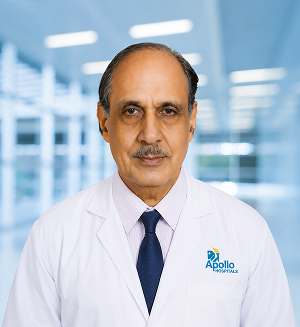
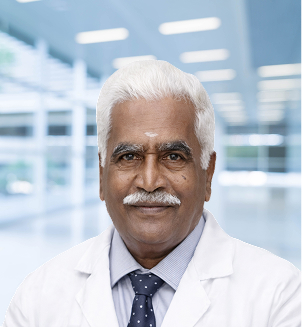
Mga Pangkalahatang Siruhano sa Apollo Hospitals









Disclaimer:
Ang impormasyong ibinigay sa pahinang ito ay para lamang sa pangkalahatang impormasyon at layuning pang-edukasyon. Bagama't gumagawa kami ng mga makatwirang pagsisikap upang matiyak na ang impormasyon ay tumpak, maaasahan, at regular na sinusuri, hindi ito dapat ituring na kapalit ng propesyonal na medikal na payo, pagsusuri, o paggamot.
Ang pagiging angkop ng isang medikal na pamamaraan, kasama ang mga benepisyo, panganib, paghahanda, paggaling, mga potensyal na komplikasyon, at inaasahang mga resulta, ay maaaring mag-iba sa bawat tao. Ang iyong propesyonal sa pangangalagang pangkalusugan ang magpapasiya kung ang isang pamamaraan ay angkop batay sa iyong indibidwal na kondisyon at medikal na kasaysayan.
Mangyaring kumonsulta sa isang kwalipikadong propesyonal sa pangangalagang pangkalusugan para sa personal na payo bago gumawa ng mga desisyon tungkol sa anumang medikal na pamamaraan.
Para sa karagdagang impormasyon tungkol sa kung paano nililikha, sinusuri, ina-update, at pinapanatili ang aming medikal na nilalaman, pakibasa ang aming [Patakaran sa Editoryal].




