


Sinuri ng Apollo Editorial Team
Mabilis na sagot
Salpingostomy is an operation in which a surgeon makes a small opening in a fallopian tube while leaving the tube in place. It is done for two main reasons: to remove an ectopic pregnancy that has implanted in the tube, or to open a tube that is blocked at its far end so that an egg may be able to enter it again. It is usually performed by keyhole (laparoscopic) surgery under general anaesthesia. Whether it is the right choice depends on how damaged the tube is, the condition of the other tube and your plans for pregnancy.
| key mga katotohanan | Detalye |
|---|---|
| Ano ito? | A surgical opening made in the fallopian tube, with the tube preserved |
| Pangunahing dahilan | Tubal ectopic pregnancy; blockage at the outer end of the tube (including some cases of hydrosalpinx) |
| Karaniwang pamamaraan | Laparoscopy (keyhole surgery); open surgery in selected or emergency situations |
| Pangpamanhid | Pangkalahatang kawalan ng pakiramdam |
| Pananatili sa ospital | Often same day or one night after keyhole surgery; longer after open surgery |
| Pag-asikaso | After ectopic pregnancy, repeat blood pregnancy hormone tests until the level returns to non-pregnant |
| Pangunahing mga limitasyon | Does not guarantee pregnancy; the risk of a future ectopic pregnancy is higher than average |
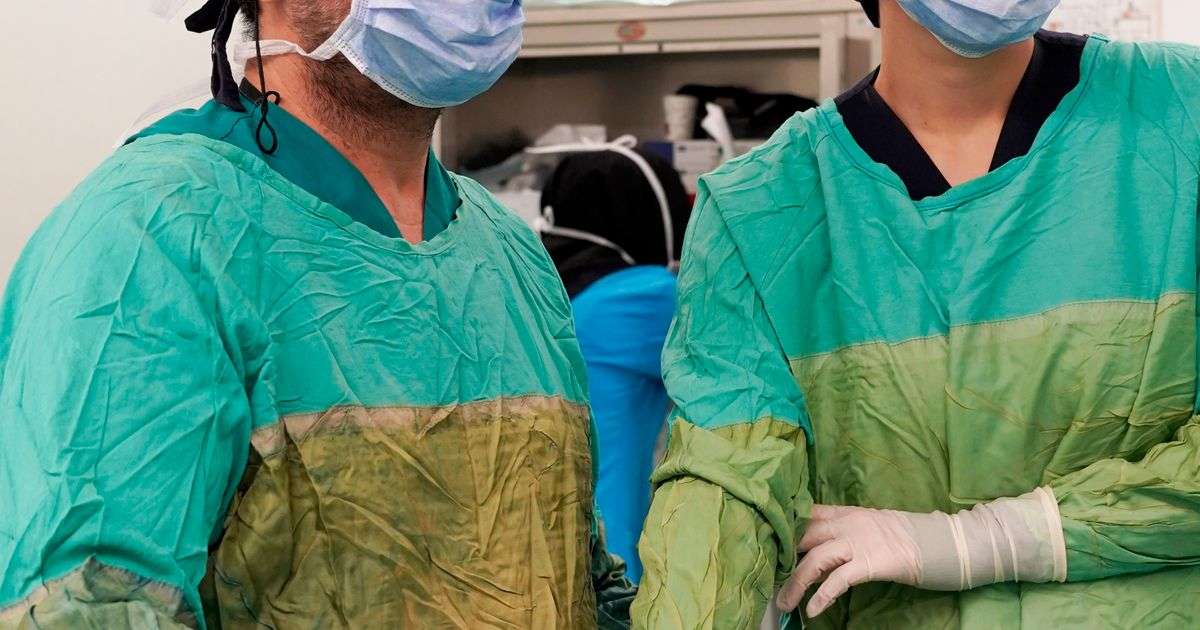
What is salpingostomy?
The fallopian tubes are two narrow tubes that connect the ovaries to the womb. Each month an egg is picked up by the finger-like end of a tube (the fimbriae), and fertilisation normally happens inside the tube. The fertilised egg then travels to the womb.
In a salpingostomy, the surgeon makes an opening in the wall or at the end of a fallopian tube. The tube itself is not removed. This is the main difference from a salpingectomy, in which the whole tube is taken out.
Other names for salpingostomy
- Linear salpingostomy (for ectopic pregnancy)
- Neosalpingostomy (creating a new opening in a blocked tube)
- Tube-preserving surgery or conservative tubal surgery
- Salpingotomy (a closely related term that is often used to mean the same thing)
Why is salpingostomy done?
Ectopic pregnancy in the fallopian tube
An ectopic pregnancy is one that implants outside the cavity of the womb, most often in a fallopian tube. It cannot continue as a normal pregnancy, and as it grows it can stretch and tear the tube, causing internal bleeding. Treatment is therefore needed in most cases. The options are careful observation in selected early cases, an injection medicine that stops the pregnancy tissue from growing, or surgery.
When surgery is chosen, the surgeon either removes the tube or opens it and removes only the pregnancy tissue. Salpingostomy is considered mainly when the other tube is absent, blocked or damaged, because keeping the affected tube may then matter more for future natural conception.
Naka-block ang fallopian tubes
Tubes can be blocked at the outer end after pelvic namumula sakit, sexually transmitted infections, endometriosis, a burst appendix or earlier pelvic surgery. When the sealed tube fills with fluid it is called a hydrosalpinx. A blocked tube prevents the egg and sperm from meeting and is a common cause of kawalan ng katabaan sa mga kababaihan.
Neosalpingostomy opens the sealed end and folds the edges back so that it stays open. It is offered mainly to women with mild tubal damage who wish to try for a natural pregnancy. When the tube is badly damaged, the chance of success is low, and doctors usually advise sa vitro pagpapabunga (IVF) instead, often after removing or disconnecting the damaged tube.
Types and methods of salpingostomy
- Linear salpingostomy: a short lengthwise cut over the ectopic pregnancy. The tissue is gently removed and the cut is usually left to heal on its own.
- Neosalpingostomy: a new opening made at the blocked outer end of the tube.
- Pamamaraang laparoscopic: a camera and fine instruments are passed through small cuts in the abdomen. This is the usual method. You can read more about laparoscopic surgery.
- Open approach (laparotomy): a larger cut in the lower abdomen, used when there is heavy internal bleeding, extensive scar tissue or when keyhole surgery is not safe.
Salpingostomy compared with salpingectomy for ectopic pregnancy
| Punto | Salpingostomy | Salpingectomy |
|---|---|---|
| Ano ang ginagawa | Tube opened, pregnancy tissue removed, tube kept | Affected tube removed |
| When usually preferred | Other tube absent or damaged and future natural pregnancy is wanted | Other tube looks healthy, tube is ruptured or badly damaged, or bleeding cannot be controlled |
| Pregnancy tissue left behind | Possible, so blood tests are needed afterwards | Malamang na hindi |
When the other tube is healthy, research suggests that the chance of a later pregnancy in the womb is broadly similar after either operation. This is why many surgeons advise removing the tube in that situation.
Who is suitable for salpingostomy?
Maaaring angkop ka kung:
- You have a tubal ectopic pregnancy that has not ruptured, your condition is stable and you wish to keep the tube.
- Your other tube has been removed or is known to be damaged.
- You have a blockage at the outer end of the tube with a thin-walled tube and a healthy inner lining, and you want to try to conceive naturally.
- Other fertility factors, such as egg supply and your partner's semen test, are acceptable.
Sino ang maaaring hindi angkop
- Women with a ruptured tube, heavy bleeding or unstable blood pressure, where removing the tube is quicker and safer.
- A large ectopic pregnancy or one that has badly damaged the tube.
- Severe hydrosalpinx, thick-walled tubes or dense scar tissue around the tubes.
- Women who have completed their family, or who are planning IVF and have a hydrosalpinx. Removing the tube is usually advised in these cases.
Paano ihahanda
Mga pagsusuring maaaring mayroon ka
- Isang pelvic ultratunog scan, usually through the vagina, to locate the pregnancy or look for a swollen tube.
- Blood tests for the pregnancy hormone, a kumpletong count ng dugo and blood group, including Rh type.
- For blocked tubes, a dye X-ray called hysterosalpingography (HSG) at minsan a Hysteroscopy to check the womb cavity.
- A semen test for your partner and a check of your egg reserve before planned fertility surgery.
Mga gamot na tatalakayin
Tell your doctor about all medicines and supplements you take, especially blood thinners, diabetes medicines and any allergies. Do not stop a medicine unless you are told to.
Sa araw
- Follow the fasting instructions you are given. In an emergency, tell the team when you last ate or drank.
- Arrange for an adult to take you home and stay with you for the first night.
- Ask the surgeon what will happen if the tube cannot be saved. The consent form usually includes permission to remove the tube if needed.
How is salpingostomy performed?
- kawalan ng pakiramdam: you are given general anaesthesia, so you are asleep and feel no pain.
- Access: for keyhole surgery, a small cut is made near the navel, the abdomen is filled with gas to create space, and a thin camera is inserted. Two or three further small cuts are made for instruments.
- Inspeksyon: the surgeon examines the womb, both tubes and the ovaries, and removes any blood from the pelvis.
- Opening the tube: for an ectopic pregnancy, a short cut is made along the tube over the swelling. For a blocked tube, the sealed end is opened and the edges are turned back like a cuff.
- Removing the pregnancy tissue: in an ectopic pregnancy, the tissue is gently flushed or lifted out and sent to the laboratory.
- Pagkontrol sa pagdurugo: small bleeding points are sealed. If bleeding cannot be controlled, the tube may need to be removed.
- Checking the tubes: in fertility surgery, dye may be passed through the womb to confirm that it now flows out of the tube.
- Pagsara: the gas is released and the skin cuts are closed with stitches or glue.
Ano ang mangyayari pagkatapos
You wake up in a recovery area where nurses check your pulse, blood pressure and pain. Shoulder-tip pain and bloating from the gas are common for a day or two.
If your blood group is Rh negative, you may be offered an injection that prevents antibody problems in future pregnancies. After an ectopic pregnancy you will be given dates for repeat blood tests. These are an essential part of the treatment and should not be missed.
Mga panganib at komplikasyon
Mas karaniwan
- Pain around the cuts, bloating and shoulder-tip pain
- Nausea after anaesthesia
- Light vaginal bleeding for several days
- Bruising or minor infection at a skin cut
Hindi gaanong karaniwan ngunit mahalaga
- Persistent pregnancy tissue: after salpingostomy for ectopic pregnancy, some tissue may remain and keep growing. This shows up as hormone levels that do not fall. It may need an injection medicine or further surgery.
- Bleeding from the tube, sometimes requiring removal of the tube or a return to theatre.
- Injury to the bowel, bladder or blood vessels during keyhole surgery.
- The tube closing again or scar tissue forming.
- Blood clots in the legs or lungs, and anaesthesia-related problems.
Mga Resulta: gaano kahusay ito gumagana?
For ectopic pregnancy, salpingostomy removes the pregnancy in most women, but a proportion need additional treatment because some tissue remains. Many women go on to have a healthy pregnancy later. The chance depends more on the health of the tubes and on age than on the type of operation.
For blocked tubes, results vary widely. Women with mild damage have a reasonable chance of conceiving naturally, while those with severe damage have a low chance and a high risk of the tube closing again. If pregnancy does not happen within the period your doctor suggests, IVF is usually the next step. Simpler treatments such as intrauterine insemination rely on open, working tubes.
Pagbawi
- Unang ilang araw: rest, walk short distances often and take pain relief as advised.
- Unang dalawang linggo: most women return to desk work within one to two weeks after keyhole surgery. Avoid heavy lifting and strenuous exercise until your doctor agrees.
- Buksan ang operasyon: recovery commonly takes four to six weeks.
- Emotional recovery: an ectopic pregnancy is a pregnancy loss. Support is available, and you can ask your doctor about counselling. Reading about pregnancy after a loss maaari ring makatulong.
Kailan humingi ng tulong medikal
- Severe or increasing abdominal pain, or new shoulder-tip pain after the first days
- Dizziness, fainting or a racing heartbeat
- Heavy vaginal bleeding or large clots
- Lagnat, panginginig o mabahong paglabas
- Redness, swelling or pus at a wound
- Masakit na pamamaga ng guya, pananakit ng dibdib o hirap sa paghinga
- Repeated vomiting or being unable to pass urine
Life after salpingostomy
- Attend every blood test until your doctor confirms that the pregnancy hormone level is back to normal.
- Use reliable contraception until your doctor says it is safe to try again. Ask how long to wait, as advice differs depending on the treatment you had.
- In any future pregnancy, see a doctor as soon as you have a positive test. An early scan is usually arranged to check that the pregnancy is in the womb.
- If you smoke, stopping lowers the risk of ectopic pregnancy and helps fertility.
- If you have been trying to conceive without success after tubal surgery, ask about a fertility review. Pages on pangalawang kawalan at hindi maipaliwanag na kawalan explain other possible causes.
Benefits of salpingostomy
- Keeps the fallopian tube, which matters most when it is the only working tube.
- Treats an ectopic pregnancy before it can rupture.
- May allow natural conception in selected women with mild tubal blockage, without the need for IVF.
- Usually done by keyhole surgery, with small scars and a short hospital stay.
What is the cost of salpingostomy in India?
Ang gastos ay nakasalalay sa ilang mga kadahilanan:
- Whether the surgery is planned or an emergency
- Keyhole or open surgery
- City, hospital and type of room
- Length of stay and any need for intensive care or blood transfusion
Nag-iiba-iba ang mga presyo sa bawat tao. Mangyaring sumangguni sa ospital para sa aktwal na mga presyo.
Surgery for ectopic pregnancy is usually covered by health insurance, while cover for fertility surgery differs between policies, so check with your insurer.
Why choose Apollo Hospitals for salpingostomy?
- Gynaecologists experienced in laparoscopic surgery, with anaesthesia and nursing teams used to gynaecological operations.
- Emergency departments, ultrasound and laboratory services that support quick assessment of suspected ectopic pregnancy.
- Clear follow-up after ectopic pregnancy, including hormone monitoring.
- Access to fertility specialists when tubal surgery is not suitable. Availability differs between centres. Please check with the hospital.
To discuss your situation, you can magpa-appointment sa isang gynecologist. City listings are also available for Hyderabad, Chennai, Deli at Bangalore. If you have severe abdominal pain or fainting in early pregnancy, go to the nearest emergency department without waiting for an appointment.
Kaugnay na pagbabasa
- Understanding ectopic pregnancy
- Laparoscopic salpingectomy
- hydrosalpinx
- In vitro fertilization (IVF)
- Miscarriage: types, symptoms and treatment
Questions to ask your doctor about salpingostomy
- Do you recommend keeping the tube or removing it, and why?
- What will you do if the tube cannot be saved during the operation?
- How often will I need blood tests afterwards, and for how long?
- What are my chances of a natural pregnancy after this surgery?
- How long should I wait before trying to conceive?
- What is my risk of another ectopic pregnancy, and what should I do in my next pregnancy?
- Would IVF be a better option for my blocked tubes?
Mga Madalas Itanong
1. Is salpingostomy the same as salpingectomy?
No. In salpingostomy the tube is opened and kept. In salpingectomy the tube is removed. Both are used for ectopic pregnancy, and the choice depends on the condition of both tubes and your wishes about future pregnancy.
2. Is salpingostomy a major operation?
It is usually done as keyhole surgery under general anaesthesia, with a short hospital stay.
3. Gaano katagal ang operasyon?
It commonly takes less than an hour.
4. Will I be able to get pregnant after salpingostomy?
Many women do, but it cannot be promised. The chance depends on your age, the health of both tubes and other fertility factors.
5. Why do I need blood tests after surgery for ectopic pregnancy?
Because the tube is kept, a small amount of pregnancy tissue can remain and continue to grow. Repeat tests of the pregnancy hormone confirm that the level is falling to normal. If it does not, further treatment is needed.
6. Can an ectopic pregnancy happen again?
Yes. Anyone who has had an ectopic pregnancy or tubal surgery has a higher risk than average. In a future pregnancy, see a doctor early so that a scan can confirm where the pregnancy is.
7. Can a blocked fallopian tube be opened without surgery?
Blockages near the womb can sometimes be opened with a fine tube passed through the cervix under imaging. Blockages at the outer end need surgery or are bypassed with IVF. There is no proven medicine, exercise or diet that opens a blocked tube.
8. Is IVF better than surgery for blocked tubes?
It depends on the degree of damage, your age and other factors. For mild damage in younger women, surgery may be reasonable. For severe damage or hydrosalpinx, IVF usually gives a better chance, often after the damaged tube has been removed or disconnected.
9. Gaano kasakit ang paggaling?
Most women have soreness around the cuts, bloating and shoulder-tip pain for a few days. This usually settles with simple pain relief.
10. Kailan ako makakabalik sa trabaho?
After keyhole surgery, many women return to light work within one to two weeks. Jobs involving heavy lifting may need longer. After open surgery, allow four to six weeks.
11. When will my periods return?
After an ectopic pregnancy, periods usually return within several weeks once the pregnancy hormone has fallen.
12. How soon can we try for a baby again?
Your doctor will advise you based on the treatment you had and your recovery. Many doctors suggest waiting until hormone levels are normal and you have had at least a couple of periods.
13. How is a blocked tube diagnosed?
Usually with a dye X-ray or a special ultrasound, and sometimes during keyhole surgery, when dye is passed through the tubes under direct view.
14. Which doctor performs salpingostomy?
A gynaecologist performs it, usually one trained in laparoscopic surgery. For blocked tubes, the surgery is often done by a gynaecologist with a special interest in fertility.
Konklusyon
Salpingostomy opens a fallopian tube without removing it. It can treat a tubal ectopic pregnancy or open a tube blocked at its outer end, and it suits selected women, particularly when the other tube is absent or damaged. It needs careful follow-up, does not guarantee a future pregnancy and leaves a higher than average risk of ectopic pregnancy. A gynaecologist can explain whether keeping the tube, removing it or moving to IVF is the safer and more useful choice for you.
Ang pahinang ito ay para sa pangkalahatang impormasyon at hindi pumapalit sa payo ng iyong doktor. Ang mga desisyon sa paggamot ay dapat gawin kasama ng isang kwalipikadong espesyalista na nakakaalam ng iyong medikal na kasaysayan.
Kamakailan Added


Mga ginekologo sa Apollo Hospitals









Disclaimer:
Ang impormasyong ibinigay sa pahinang ito ay para lamang sa pangkalahatang impormasyon at layuning pang-edukasyon. Bagama't gumagawa kami ng mga makatwirang pagsisikap upang matiyak na ang impormasyon ay tumpak, maaasahan, at regular na sinusuri, hindi ito dapat ituring na kapalit ng propesyonal na medikal na payo, pagsusuri, o paggamot.
Ang pagiging angkop ng isang medikal na pamamaraan, kasama ang mga benepisyo, panganib, paghahanda, paggaling, mga potensyal na komplikasyon, at inaasahang mga resulta, ay maaaring mag-iba sa bawat tao. Ang iyong propesyonal sa pangangalagang pangkalusugan ang magpapasiya kung ang isang pamamaraan ay angkop batay sa iyong indibidwal na kondisyon at medikal na kasaysayan.
Mangyaring kumonsulta sa isang kwalipikadong propesyonal sa pangangalagang pangkalusugan para sa personal na payo bago gumawa ng mga desisyon tungkol sa anumang medikal na pamamaraan.
Para sa karagdagang impormasyon tungkol sa kung paano nililikha, sinusuri, ina-update, at pinapanatili ang aming medikal na nilalaman, pakibasa ang aming [Patakaran sa Editoryal].




