


Atherectomy at Apollo Hospitals, Gurugram (Gurgaon)
Sinuri ng Apollo Editorial Team · Huling sinuri noong Nobyembre 2026
Mabilis na sagot
Atherectomy is a catheter-based procedure that removes or breaks down hard plaque inside a narrowed artery, most often in the heart or the legs. A thin catheter carrying a tiny rotating burr, a spinning crown, a cutting blade or a laser is passed from the wrist or groin to the blockage under X-ray guidance. It is generally used when plaque is so calcified that a balloon or stent cannot cross or expand properly, and is usually followed by balloon angioplasty and often a stent.
key mga katotohanan
| Pamamaraan | Atherectomy |
| Magagamit sa | Mga Ospital ng Apollo, Gurugram (Gurgaon) |
| Mga oras ng OPD | 9 am hanggang 4 pm |
| Mga kagamitan | +080 6999 1061 |
Pangkalahatang-ideya
Atherectomy is a catheter-based procedure that removes or breaks down hard plaque inside a narrowed artery, most often in the heart or the legs. A thin catheter carrying a tiny rotating burr, a spinning crown, a cutting blade or a laser is passed from the wrist or groin to the blockage under X-ray guidance. It is generally used when plaque is so calcified that a balloon or stent cannot cross or expand properly, and is usually followed by balloon angioplasty and often a stent.
Atherectomy may help selected people with coronary artery disease or peripheral artery disease whose blockages are heavily calcified, very tight or have re-narrowed inside an earlier stent. It is not needed for most angioplasty procedures. The interventional cardiologist decides after reviewing the angiogram, and sometimes imaging from inside the artery, to judge how much calcium is present and whether a balloon alone is likely to open the vessel. Bypass surgery or medicines may be more suitable for some patterns of disease.
Book a consultation at Apollo Hospitals, Gurugram to learn whether atherectomy is suitable for you.
Why is Atherectomy Necessary?
Calcium makes plaque rigid, so a balloon may fail to stretch the artery and a stent may not open fully. A poorly expanded stent is more likely to clot or narrow again, and modifying the plaque first helps the artery to respond to treatment.
Conditions That May Require Atherectomy
Atherectomy is considered in the following conditions when the plaque cannot be treated adequately with balloons alone.
- Heavily calcified coronary artery disease: It is used to prepare rigid, calcified narrowings so that a stent can be delivered and expanded fully.
- Blockages that a balloon cannot cross or open: When a balloon will not pass through the narrowing or fails to expand it, atherectomy may create a channel.
- Peripheral artery disease of the legs: Plaque in the thigh, knee or calf arteries may be removed or reduced to improve blood flow to the leg and foot.
- Re-narrowing inside a stent: Tissue or calcium that has built up within an earlier stent may be treated with laser or mechanical atherectomy in selected cases.
Mga Palatandaan at Sintomas na Dapat Panoorin
Symptoms depend on whether the narrowed artery supplies the heart or the legs.
- Chest pain or tightness on exertion: Angina that comes on with effort suggests a narrowing in a coronary artery.
- Breathlessness with activity: Reduced blood flow to the heart may show itself as shortness of breath instead of pain.
- Calf, thigh or buttock pain on walking: Cramping that begins after a set distance and eases with rest is typical of peripheral artery disease.
- Foot pain at rest: Burning or aching in the foot at night that improves when the leg hangs down signals severely reduced circulation.
- Sores on the foot or toes that do not heal: Ulcers or dark patches of skin suggest a critical shortage of blood and need urgent assessment.
Kapag Hindi Na Sapat ang Ibang mga Paggamot
Medicines, stopping smoking, supervised walking and control of diabetes, blood pressure and cholesterol are the first line of treatment for artery disease. A procedure is considered when symptoms remain limiting, when the heart muscle or the limb is at risk, or during a heart attack. Standard balloons and stents work for most blockages, and atherectomy is added when calcium prevents them from opening the artery properly.
Mga Uri ng Atherectomy
Different devices suit different arteries and kinds of plaque.
- Rotational atherectomy: A diamond-coated burr spinning at high speed grinds calcified plaque into microscopic particles that are carried away in the blood.
- Orbital atherectomy: An off-centre crown rotates in a widening orbit to sand down calcium on the artery wall.
- Laser atherectomy: Pulses of ultraviolet laser energy delivered through a catheter vaporise plaque or tissue inside an artery or stent.
- Directional atherectomy: A small blade shaves plaque from one side of the artery and collects it in the catheter, mainly in leg arteries.
Mga Kinakailangang Legal at Etikal sa India
Bago ang paggamot, ipapaliwanag ng klinikal na pangkat ang indikasyon, ang mga alternatibo, ang inaasahang mga benepisyo at ang mga panganib, at hihingi ng nakasulat na pahintulot. Maaari kang magtanong, humingi ng pangalawang opinyon at maglaan ng oras upang magdesisyon.
Kumonsulta sa cardiac team sa Apollo Hospitals, Gurugram para sa indibidwal na pagtatasa.
Risks of Delaying Atherectomy
Delaying treatment of a significant calcified blockage may carry the following risks.
- Atake sa puso: A tight coronary narrowing can block completely and damage the heart muscle.
- Lumalala ang angina: Chest pain may become more frequent and occur with less exertion or at rest.
- Shorter walking distance: Leg pain from peripheral artery disease may limit walking further over time.
- Non-healing wounds and gangrene: Severely reduced blood flow to the foot can cause tissue loss.
- Risk of amputation: Advanced limb-threatening disease that is not treated in time may end in loss of toes, the foot or part of the leg.
- Harder procedures later: Calcium tends to increase over time, which can make later treatment more complex.
The urgency of treatment depends on your symptoms and on whether the heart or the limb is under threat.
Mga Benepisyo ng Atherectomy
In selected patients with calcified blockages, atherectomy may offer the following.
- Makes stenting possible: Reducing the calcium may allow balloons and stents to reach narrowings that could not otherwise be treated through a catheter.
- Fuller stent expansion: A stent placed after plaque modification is more likely to open evenly against the artery wall.
- Relief of angina or leg pain: Restoring blood flow may ease chest pain or allow longer walking distances.
- Support for wound healing: Improved circulation in the leg may help foot ulcers to heal in suitable patients.
- No open surgery: The procedure is done through a puncture in the wrist or groin under local anaesthesia.
Not every calcified blockage needs atherectomy, and the benefit depends on the artery involved and your general health.
Atherectomy at Apollo Hospitals, Gurugram (Gurgaon)
Why Choose Apollo Hospitals, Gurugram for Atherectomy?
Apollo Hospitals, Gurugram combines specialist assessment with coordinated care for people who need atherectomy.
- Pagtatasa ng espesyalista: An interventional cardiologist studies the angiogram and the degree of calcification to decide whether plaque modification is needed.
- Team review of options: Complex coronary and leg artery disease is discussed with cardiac or vascular surgeons to compare catheter treatment with bypass surgery.
- Planned aftercare: Antiplatelet treatment, risk factor control and review visits are arranged to protect the treated artery.
- Pagpaplanong multidisiplinaryo: Sabay-sabay na sinusuri ng mga espesyalista mula sa mga kinauukulang departamento ang mga kumplikadong kaso bago magrekomenda ng plano.
- Indibidwal na paggamot: Isinasaalang-alang ng mga rekomendasyon ang iyong mga sintomas, resulta ng pagsusuri, edad, pangkalahatang kalusugan at mga kagustuhan.
- Komunikasyon na nakatuon sa pasyente: Ipinapaliwanag ng pangkat ng pangangalaga ang paghahanda, inaasahang paggaling, mga gamot, at mga babalang senyales sa simpleng wika.
- Pagpapatuloy ng pangangalaga: Sinusubaybayan ng mga follow-up na pagbisita ang paggaling at nakakatulong na pamahalaan ang pinagbabatayan na kondisyon sa paglipas ng panahon.
Atherectomy Care for Patients in Gurugram and Delhi NCR
Apollo Hospitals, Gurugram is located on Golf Course Road, Sector 28, Gurugram, Haryana 122009. It offers Atherectomy for patients from Gurugram, the wider Delhi NCR and Haryana, with specialist doctors, nursing and diagnostic teams working together from assessment to follow-up.
How to Reach the Atherectomy Team in Gurugram
- Tirahan Apollo Hospitals Gurugram, Golf Course Road, Sector 28, Gurugram, Haryana 122009
- telepono: 0124-6501600 o 08069991061
- Mag-book online: Book a Atherectomy consultation in Gurugram
Kumuha ng mga Direksyon papunta sa Apollo Hospitals, Gurugram
Ang Apollo Hospitals, Gurugram ay nasa Golf Course Road, Sector 28. Buksan ang lokasyon ng ospital at kumuha ng mga direksyon sa Google Maps.
Kung Nakatira Ka sa Labas ng Gurugram
If you are travelling from elsewhere in Delhi NCR or Haryana, ask the care team how to plan your consultation, tests and follow-up visits for Atherectomy so that you are not making more trips than needed.
Ano ang Dapat Dalhin sa Iyong Unang Konsultasyon
- Mga scan, ulat ng pagsusuri, at mga naunang medikal na rekord na may kaugnayan sa iyong kondisyon
- Isang listahan ng iyong kasalukuyang mga gamot at anumang mga allergy
- Mga detalye ng photo ID at insurance, kung mayroon ka nito
Kaugnay na Pangangalaga sa Apollo Hospitals, Gurugram
Galugarin ang departamento ng Cardiology sa Apollo Hospitals, Gurugram upang malaman ang tungkol sa mga espesyalista at serbisyong magagamit.
Paghahanda para sa Atherectomy
Klinikal na Pagsusuri
Your specialist first confirms the diagnosis and whether atherectomy is the right option.
- Ibahagi ang iyong kasaysayan: Describe chest pain, walking distance and any foot wounds, and mention diabetes, kidney disease, smoking, earlier stents and bleeding problems.
- Dumalo sa pagsusulit: The doctor checks heart sounds, blood pressure, pulses in the legs and feet and the condition of the skin on the feet.
- Talakayin ang mga alternatibo: Ask about medicines and exercise therapy, balloon angioplasty with special balloons, shockwave-based calcium treatment and bypass surgery.
Mga Pagsusuri Bago ang Paggamot
These tests define the blockage and check that the procedure can be done safely.
- Coronary or peripheral angiography: Shows where the artery is narrowed, how long the blockage is and how much calcium is visible.
- Imaging from inside the artery: Ultrasound or light-based imaging catheters may be used to measure the depth and extent of calcium.
- Doppler ultrasound and ankle-brachial index: Measure blood flow and pressure in the legs when peripheral artery disease is suspected.
- ECG and echocardiography: Assess heart rhythm and pumping function before a coronary procedure.
- Pagsusuri ng dugo: Check kidney function, blood count, blood sugar and clotting before contrast dye and blood thinners are given.
Mga Gamot at Alerdyi
Ang mga pagbabago sa gamot ay dapat gawin lamang sa ilalim ng payo ng pangkat na gumagamot.
- Magbigay ng listahan ng gamot: Kabilang dito ang mga reseta, insulin, mga pampapayat ng dugo, mga suplemento at mga gamot na mabibili nang walang reseta.
- Iulat ang mga allergy: Ikwento sa pangkat ang tungkol sa mga nakaraang reaksiyon sa contrast dye, mga gamot, latex o anesthesia.
- Sundin ang mga tiyak na direksyon: Maaaring hilingin sa iyo na ayusin ang mga pampalabnaw ng dugo o mga gamot sa diabetes bago ang pamamaraan.
Pagkain at Praktikal na Pagpaplano
Sundin ang mga personalized na tagubilin sa pagpasok at pag-aayuno ng ospital.
- Sundin ang gabay sa pag-aayuno: Itigil ang pagkain at pag-inom ng mga likido sa oras na sinabi sa iyo, kung kinakailangan ang pag-aayuno.
- Ayusin ang suporta: Humingi ng tulong at samahan ka sa isang responsableng nasa hustong gulang pagkatapos mong makalabas.
- Planuhin ang iyong paglagi: Magdala ng pagkakakilanlan, mga ulat, komportableng damit at mga mahahalagang personal na gamit.
Pahintulot at Pangwakas na Pagsusuri
Kinukumpleto ng pangkat ang mga pagsusuri sa kaligtasan at sinasagot ang mga tanong bago ang paggamot.
- Unawain ang plano: Suriin ang mga inaasahang benepisyo, limitasyon, alternatibo at mga posibleng komplikasyon.
- Kumpirmahin ang pahintulot: Pirmahan lamang ang form ng pahintulot pagkatapos matanggap ang impormasyong iyong nauunawaan.
- Iulat ang mga pagbabago: Ipaalam sa ospital ang tungkol sa lagnat, impeksyon o anumang bagong sintomas bago ang pamamaraan.
Pagbawi Pagkatapos ng Atherectomy
Kaagad Pagkatapos ng Paggamot
Magsisimula ang pagsubaybay sa sandaling matapos ang proseso.
- Pagmamanman: ECG, blood pressure and, after a leg procedure, the pulses and colour of the foot are checked regularly.
- Pangangalaga sa lugar ng pagbutas: The wrist band or groin dressing is watched for bleeding, and you lie flat for some hours after a groin puncture.
- Overnight stay: Most patients stay in hospital for a night so that the heart or limb circulation can be observed.
Pangangalaga sa Bahay
Sundin ang payo sa paglabas na ibinigay para sa iyong sitwasyon.
- Mga gamot na antiplatelet: Take them every day as prescribed, because they keep the treated artery and any stent from clotting.
- Protektahan ang lugar ng pagpasok: Avoid heavy lifting, straining and long baths for about a week and keep the area clean.
- Foot care and walking: After a leg procedure, inspect your feet daily, wear well-fitting footwear and build up walking gradually.
Mga Gamot at Pagsubaybay
Sinusuportahan ng patuloy na pangangalaga ang paggaling at sinusuri ang resulta ng paggamot.
- Uminom ng gamot nang tama: Ipagpatuloy ang pag-inom ng mga iniresetang gamot at huwag itigil ang mga ito nang walang payo.
- Dumalo sa mga pagbisita sa pagsusuri: Maaaring kabilang sa follow-up ang pagsusuri at mga paulit-ulit na pagsusuri.
- Mga sintomas ng pagsubaybay: Tandaan ang anumang pagbabago sa iyong mga sintomas at ibahagi ito sa iyong pagsusuri.
Pagbabalik sa Karaniwang mga Aktibidad
Many people resume light activity within a few days and desk work within about a week after a planned procedure. Driving is usually avoided for about a week, or longer if advised after a heart attack. Avoid heavy lifting and strenuous exercise for one to two weeks. After treatment of a leg artery, regular walking is encouraged once the groin has healed. Recovery is slower when the procedure was done as an emergency or when foot wounds are still healing.
Mga Babalang Palatandaan na Nangangailangan ng Agarang Atensyong Medikal
Humingi agad ng tulong medikal kung sakaling magkaroon ng alinman sa mga sumusunod.
- Chest pain, breathlessness or fainting: Call for emergency help immediately, as the treated coronary artery may need urgent attention.
- Bleeding or a swelling at the puncture site: Press firmly on the area and go to the emergency department straight away.
- A leg or foot that becomes cold, pale, numb or very painful: Seek urgent care, because the artery may have blocked again.
- Fever or redness and discharge at the puncture site: Contact the hospital promptly so that infection can be treated.
- Black stools or blood in urine: Report this to your doctor quickly and do not stop your antiplatelet medicines on your own.
Take the Next Step Towards Atherectomy Care
A specialist consultation can clarify whether atherectomy is right for you and what the alternatives are.
Dalhin ang mga sumusunod na dokumento kung mayroon:
- Mga rekord ng medikal: Magdala ng mga nakaraang tala ng konsultasyon, mga buod ng paglabas, at mga reseta.
- Mga ulat sa pagsubok: Magdala ng mga scan, resulta ng dugo, at iba pang mga imbestigasyon na may kaugnayan sa iyong kondisyon.
- Listahan ng gamot: Isama ang kasalukuyang mga dosis, suplemento, at mga alerdyi.
- Mga detalye ng pagkakakilanlan at saklaw: Magdala ng wastong pagkakakilanlan, mga papeles ng seguro, at mga dokumento ng referral.
Book your atherectomy consultation with Apollo Hospitals, Gurugram today.
Frequently Asked Questions About Atherectomy
Is atherectomy the same as angioplasty?
No. Angioplasty uses a balloon to push plaque aside and widen the artery, whereas atherectomy removes or breaks down hard plaque with a burr, blade or laser. The two are usually combined: atherectomy prepares a calcified artery, and a balloon and often a stent are then used to complete the treatment.
What are the risks of atherectomy?
The risks include those of angioplasty, such as bleeding, artery damage, heart attack, kidney strain from contrast dye and re-narrowing. Atherectomy adds a small risk of a tear or perforation of the artery, slow blood flow from plaque debris and a temporary slow heartbeat. The team monitors for these and is prepared to treat them.
Gaano katagal ang proseso ng atherectomy?
It typically takes one to two hours, depending on the artery, the length of the blockage and whether stents are placed. Treatment of several segments or very heavy calcium may take longer. You are usually awake with local anaesthesia and light sedation.
Is atherectomy painful?
Most people feel only the injection of local anaesthetic at the wrist or groin. Brief chest discomfort or a warm sensation may occur while the device is working or when the balloon is inflated. Sedation and pain relief are available, and you should tell the team about any discomfort during the procedure.
Can the blockage come back after atherectomy?
Yes, it can. Arteries may narrow again over months or years, particularly in people with diabetes, kidney disease or continued smoking. Taking antiplatelet and cholesterol-lowering medicines, controlling blood sugar and blood pressure, staying active and attending follow-up all help to lower the chance of recurrence.
Which is the best hospital for Atherectomy in Gurugram?
The right hospital depends on your condition and your doctor's advice. Apollo Hospitals, Gurugram offers specialist assessment, diagnostics and coordinated care for atherectomy. Compare the team's experience, the facilities and the follow-up care on offer before you decide.
How do I book a consultation for Atherectomy at Apollo Hospitals, Gurugram?
Maaari kang mag-book online sa pamamagitan ng link sa pag-book sa pahinang ito, o tumawag sa 08069991061. Ang oras ng OPD ay 9:00 AM hanggang 4:00 PM. Gagabayan ka ng care team sa tamang espesyalista.
Saan matatagpuan ang lokasyon ng Apollo Hospitals?
Ang Apollo Hospitals, Gurugram ay nasa Golf Course Road, Sector 28, Gurugram, Haryana 122009.
What should I bring to my first consultation for Atherectomy?
Magdala ng anumang mga scan at test report na may kaugnayan sa iyong kondisyon, mga naunang medikal na rekord, listahan ng iyong kasalukuyang mga gamot at allergy, isang photo ID at mga detalye ng iyong insurance kung mayroon ka ng mga ito.
Can patients from outside Gurugram get Atherectomy care at Apollo Hospitals, Gurugram?
Oo. Ang mga pasyente mula sa Delhi NCR, Haryana at iba pang bahagi ng India ay maaaring kumonsulta sa pangkat sa Apollo Hospitals, Gurugram. Ibahagi ang iyong mga ulat kapag nag-book ka upang maplano ng pangkat ang iyong pagbisita.
Pagtatanggi sa Medikal: Ang impormasyong ito ay para sa pangkalahatang edukasyon at hindi pumapalit sa konsultasyon sa isang kwalipikadong doktor. Ang mga desisyon sa paggamot ay nakadepende sa indibidwal na pagtatasa.
Kamakailan Added


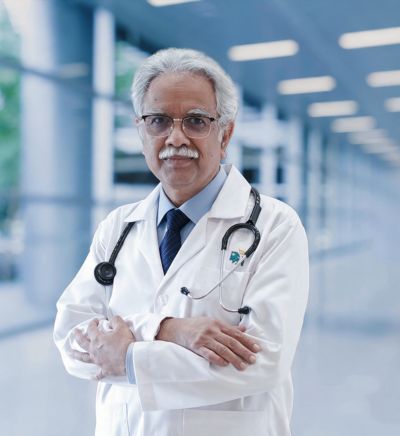
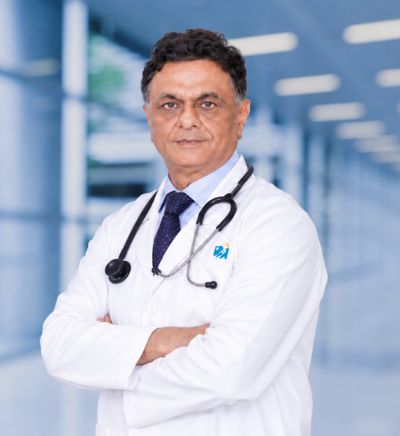
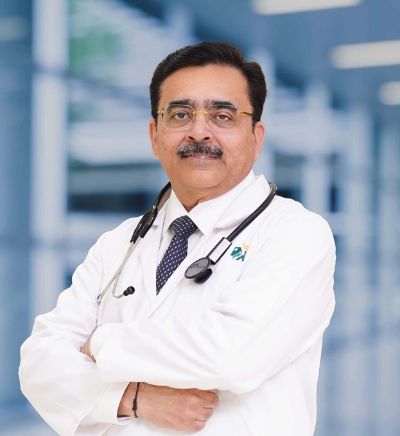
Mga Doktor na Makukuha sa Gurugram








Disclaimer:
Ang impormasyong ibinigay sa pahinang ito ay para lamang sa pangkalahatang impormasyon at layuning pang-edukasyon. Bagama't gumagawa kami ng mga makatwirang pagsisikap upang matiyak na ang impormasyon ay tumpak, maaasahan, at regular na sinusuri, hindi ito dapat ituring na kapalit ng propesyonal na medikal na payo, pagsusuri, o paggamot.
Ang pagiging angkop ng isang medikal na pamamaraan, kasama ang mga benepisyo, panganib, paghahanda, paggaling, mga potensyal na komplikasyon, at inaasahang mga resulta, ay maaaring mag-iba sa bawat tao. Ang iyong propesyonal sa pangangalagang pangkalusugan ang magpapasiya kung ang isang pamamaraan ay angkop batay sa iyong indibidwal na kondisyon at medikal na kasaysayan.
Mangyaring kumonsulta sa isang kwalipikadong propesyonal sa pangangalagang pangkalusugan para sa personal na payo bago gumawa ng mga desisyon tungkol sa anumang medikal na pamamaraan.
Para sa karagdagang impormasyon tungkol sa kung paano nililikha, sinusuri, ina-update, at pinapanatili ang aming medikal na nilalaman, pakibasa ang aming [Patakaran sa Editoryal].




