


Nojeren'ny Ekipa Tonian-dahatsoratry ny Apollo
Valiny haingana
Sinus surgery is an operation to open blocked nasal sinuses so that they can drain and air can pass freely. It is usually done through the nostrils with a thin camera, without cuts on the face. Doctors advise it when long-standing or repeated sinus infection, nasal polyps or a blockage has not improved with medicines. Most people go home the same day or the next day.
This page is about surgery for the sinuses of the nose and face. If you are looking for treatment of a sinus tract near the tailbone, please see pilonidal sinus surgery.
| Ny tena zava-misy | Details |
|---|---|
| Inona izany | Surgery to open and clear blocked sinuses around the nose |
| Usual method | Endoscopic, through the nostrils |
| Antony iraisana | Chronic sinusitis, nasal polyps, repeated sinus infections, structural blockage |
| fanatoranana | General anaesthesia in most cases; local with sedation for some |
| Fijanonan'ny hopitaly | Fikarakarana antoandro na alina iray |
| Recovery | About one to two weeks off work; healing inside the nose takes several weeks |
| Nataon'ny | ENT (ear, nose and throat) surgeon |
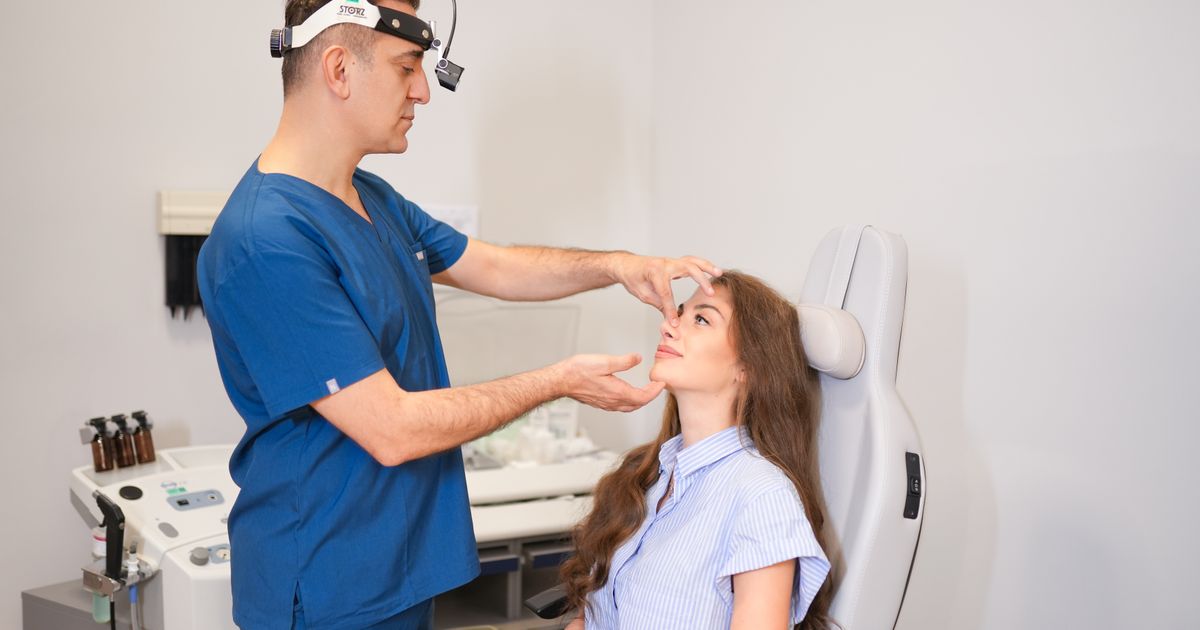
What is sinus surgery?
The sinuses are air-filled spaces in the bones of the cheeks, forehead and between and behind the eyes. They drain into the nose through narrow openings. When these openings stay blocked by swelling, polyps or a crooked nasal wall, mucus collects and infection keeps returning. This is called sinusitis.
Sinus surgery widens the natural drainage openings and removes diseased tissue, polyps or bone that is blocking them. It improves drainage and lets nasal sprays and rinses reach the sinus lining. It does not cure the tendency to allergy or polyps, so medical treatment usually continues afterwards.
Other names for sinus surgery
- Nasal sinus surgery
- Fandidiana sinus endoscopic
- Sinus operation
- Sinusitis surgery
Types of sinus surgery
Your ENT surgeon chooses the operation based on your symptoms, a nasal endoscopy ary ny CT scan of the sinuses. Two or more of these are often combined in one sitting. Each has its own detailed page.
| Type | Inona izany | Rehefa ampiasaina | Hamaky bebe kokoa |
|---|---|---|---|
| Fandidiana sinus endoskopika (FESS) | The standard operation; a camera and fine instruments open the sinus drainage pathways through the nostrils | Chronic or repeated sinusitis that has not responded to medicines, with or without polyps | FESS |
| Fandidiana polyp amin'ny orona | Removal of soft, non-cancerous growths from the nose and sinuses, usually along with FESS | polyps nasal causing blockage or loss of smell despite medicines | Fandidiana polyp amin'ny orona |
| Sinuplasty balaonina | A small balloon is inflated in the sinus opening to widen it, with little or no tissue removed | Selected people with limited sinus disease and no large polyps | Sinuplasty balaonina |
| Septoplasty | Straightening of the wall between the two nostrils; not a sinus operation by itself, but often done with one | A septum orona mivily that blocks breathing or access to the sinuses | Septoplasty |
Open sinus surgery through a cut in the mouth or on the face is now uncommon and is kept for special situations, such as some tumours or complications of infection.
Why is sinus surgery done?
Most sinus problems are treated first with medicines, such as steroid nasal sprays, salt water rinses, allergy treatment and, when needed, antibiotics. Surgery may be advised when:
- Sinusitis has lasted more than about three months and has not improved with proper medical treatment
- Sinus infections return several times a year
- Nasal polyps block the nose or sinuses
- A fungal collection or a mucus-filled swelling is present in a sinus
- Infection has spread, or threatens to spread, to the eye or brain
- A growth in the nose or sinus needs to be removed or tested
If mahazaka rhinitis is the main cause of your symptoms, an fitsapana allergy and allergy treatment may help more than surgery.
How is sinus surgery done?
- fanomanana: the surgeon reviews your CT scan and medicines. You may be asked to stop blood thinners for some days, and you fast before anaesthesia.
- Fanatoranana: most operations are done under general anaesthesia.
- Endoskopy: a thin camera is passed through the nostril. There are usually no cuts on the face.
- Clearing the sinuses: blocked openings are widened and polyps or diseased tissue are removed. A bent septum may be corrected in the same operation.
- vita: soft dissolvable packing or splints may be placed in the nose to limit bleeding.
What are the risks of sinus surgery?
- Matetika kokoa: blood-stained discharge for some days, a blocked nose, crusting, mild pain or pressure, and a temporary change in smell
- Tsy fahita: heavier bleeding, infection, scar bands inside the nose, and return of sinusitis or polyps that needs further treatment
- Mahalana nefa matotra: because the sinuses lie next to the eyes and the brain, there is a small risk of injury to the eye or its muscles, a change in vision, or a leak of the fluid that surrounds the brain
Recovery after sinus surgery
A blocked, stuffy nose and some blood-stained mucus are normal for the first one to two weeks. Your surgeon will usually ask you to rinse the nose with salt water several times a day and to avoid blowing your nose, heavy lifting and strenuous exercise for a week or two. Many people return to desk work within a week. Follow-up visits matter, because the surgeon cleans the nose and checks healing. The full benefit is usually felt after a few weeks, once the swelling settles.
Rahoviana no mitady fanampiana ara-pitsaboana
- Steady bright red bleeding that does not stop
- Fever, or severe headache or neck stiffness
- Swelling around the eyes, double vision or loss of vision
- Clear watery fluid dripping from the nose
- Increasing pain that medicines do not ease
Ohatrinona ny vidin'ny fandidiana sinus any India?
Ny vidiny dia miankina amin'ny:
- The type of surgery and how many sinuses are treated
- Whether septoplasty or polyp removal is added
- Anaesthesia and length of stay
- Tests and scans before surgery
- Ny tanàna sy ny hopitaly
Miovaova arakaraka ny olona ny vidiny. Azafady mba jereo any amin'ny hopitaly ny tena vidiny.
Health insurance generally covers sinus surgery that is medically needed; confirm with your insurer before admission.
Why choose Apollo Hospitals for sinus surgery?
- ENT surgeons who perform endoscopic sinus surgery regularly
- Nasal endoscopy and CT imaging for assessment before surgery
- Anaesthesia and day care facilities in the same hospital
- Advice on medical treatment first, with surgery offered when it is likely to help
Availability differs between centres. Please check with the hospital. To discuss your sinus problem, you can manaova fotoana amin'ny manam-pahaizana manokana momba ny ENT ao amin'ny hopitaly Apollo.
Questions to ask your doctor about sinus surgery
- Have I had a full trial of medical treatment?
- Which type of sinus surgery do you advise for me, and why?
- Will my septum or polyps be treated at the same time?
- Inona avy ireo risika mety hitranga amin'ny tranga misy ahy?
- Hafiriana no tsy hiasako?
- What treatment will I need after surgery to keep the sinuses clear?
FAQs
1. Is sinus surgery painful?
Most people describe pressure and stuffiness more than sharp pain. Discomfort is usually mild to moderate and is managed with simple pain relief medicines.
2. Will there be scars on my face?
No, in almost all cases. Endoscopic sinus surgery is done through the nostrils, so there are no cuts on the face.
3. Is sinus surgery a permanent cure?
Not always. Surgery improves drainage and symptoms for most people, but sinusitis and polyps can return, especially with allergy or asthma. Continuing nasal sprays and rinses lowers this risk.
4. Will nasal packing be used?
Sometimes. Many surgeons now use soft dissolvable packing or none at all. If packing or splints that need removal are placed, this is done at a clinic visit.
5. Maharitra hafiriana ny fahasitranana?
Many people are back at desk work in about a week. The lining inside the nose takes several weeks to heal fully.
6. When can I fly after sinus surgery?
Pressure changes in a flight can cause pain or bleeding soon after surgery. Surgeons often advise waiting about two weeks; ask your own surgeon before you travel.
7. Can children have sinus surgery?
Yes, but it is needed less often. In children, medicines and treatment of the adenoids are usually tried first.
8. Which doctor performs sinus surgery?
Sinus surgery is performed by an ENT surgeon, also called an otorhinolaryngologist. Some have further training in nose and sinus surgery (rhinology).
Famaranana
Sinus surgery opens blocked nasal sinuses and is usually done through the nostrils without cuts on the face. It helps most people whose sinus problems have not settled with medicines, but ongoing nasal care is still needed. An ENT specialist can tell you which type of surgery, if any, suits your condition.
Ity pejy ity dia natao ho fampahafantarana ankapobeny fa tsy manolo ny torohevitra avy amin'ny dokoteranao. Ny fanapahan-kevitra momba ny fitsaboana dia tokony hatao miaraka amin'ny manam-pahaizana manokana izay mahafantatra ny tantaran'ny fahasalamanao.
Nampiana vao haingana


Manam-pahaizana manokana momba ny orona sy ny sofina ao amin'ny Hopitaly Apollo





Disclaimer:
Ny fampahalalana omena ato amin'ity pejy ity dia natao ho fampahafantarana ankapobeny sy ho fanabeazana fotsiny ihany. Na dia miezaka mafy aza izahay mba hahazoana antoka fa marina, azo itokisana ary averina jerena tsy tapaka ny fampahalalana, dia tsy tokony hoheverina ho solon'ny torohevitra ara-pitsaboana matihanina, ny aretina na ny fitsaboana izany.
Mety tsy hitovy amin'ny olona tsirairay ny mety ho vitan'ny fomba fitsaboana iray, miaraka amin'ny tombontsoa azo avy aminy, ny risika mety hitranga, ny fiomanana, ny fahasitranana, ny fahasarotana mety hitranga, ary ny vokatra antenaina. Ny matihanina amin'ny fahasalamanao no hamaritra raha mety ny fomba fitsaboana iray mifototra amin'ny toe-pahasalamanao manokana sy ny tantaram-pahasalamanao.
Miangavy anao mba hanatona matihanina amin'ny fahasalamana mahafeno fepetra mba hahazoana torohevitra manokana alohan'ny handraisana fanapahan-kevitra momba ny fomba fitsaboana rehetra.
Raha mila fanazavana fanampiny momba ny fomba famoronana, fandinihana, fanavaozana ary fikojakojana ny votoatin-kevitra ara-pitsaboana dia vakio azafady ny [Politika Tonian-dahatsoratra].




