


Nojeren'ny Ekipa Tonian-dahatsoratry ny Apollo
Valiny haingana
Pyeloplasty is surgery to repair a blockage where the kidney joins the ureter, the tube that carries urine to the bladder. The surgeon removes or widens the narrow part and rejoins the tube so that urine drains freely. It can be done through an open cut, by laparoscopic (keyhole) surgery or with robotic assistance. It is done in babies, children and adults, and it relieves the blockage in most people.
| Ny tena zava-misy | Details |
|---|---|
| Inona izany | Repair of a blockage at the junction of the kidney and the ureter |
| Antony lehibe | Ureteropelvic junction (UPJ or PUJ) obstruction causing a swollen kidney |
| Karazana lehibe | Open, laparoscopic and robotic |
| fanatoranana | Anesthesia ankapobeny |
| Fijanonan'ny hopitaly | About one to a few days, depending on the method and age |
| stents | A soft internal tube is usually left in place for a few weeks |
| Recovery | Around two to six weeks, depending on the method |
| Nataon'ny | Urologist or paediatric urologist |
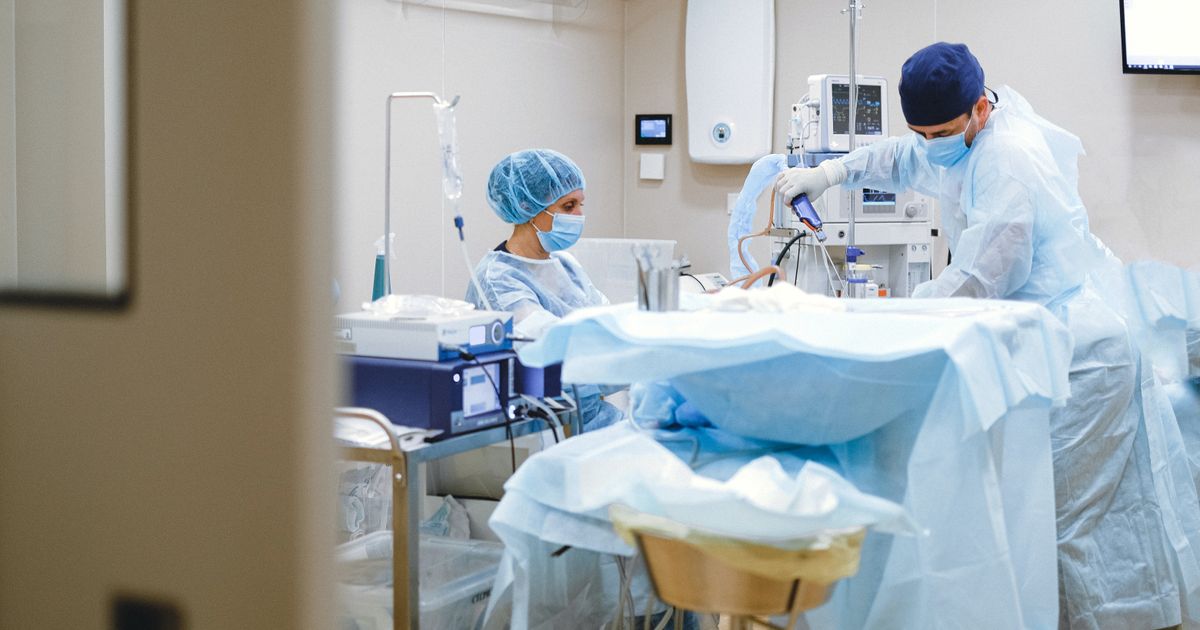
What is pyeloplasty?
Urine made by the kidney collects in a funnel-shaped area called the renal pelvis and then flows down the ureter. If the point where they meet is too narrow, urine backs up and the kidney swells. This is called ureteropelvic junction obstruction, and the swelling is called hydronephrose.
In pyeloplasty, the surgeon reshapes this junction. In the most common technique, the narrow segment is cut out and the healthy ureter is stitched back to the renal pelvis with a wide opening.
Other names for pyeloplasty
- PUJ repair or UPJ repair
- Dismembered pyeloplasty
- Anderson-Hynes pyeloplasty
- Kidney blockage surgery
- Surgery for PUJ obstruction
Types of pyeloplasty
The repair inside the body is similar in all three methods. What differs is how the surgeon reaches the kidney. Each method has its own detailed page.
| Type | Inona izany | Rehefa ampiasaina matetika | Hamaky bebe kokoa |
|---|---|---|---|
| Open | The repair is done through one cut in the side or upper abdomen | Often in babies and small children, after earlier kidney surgery, or when keyhole surgery is not suitable | Open pyeloplasty |
| Laparoskopika | Fandidiana lavaka fanalahidy amin'ny alalan'ny ratra kely vitsivitsy, mampiasa fakantsary sy fitaovana manify | Older children and adults who are fit for keyhole surgery | Laparoscopic pyeloplasty |
| alalan'ny milina azo baikoina | Keyhole surgery in which the surgeon controls robotic instruments from a console | Similar cases to laparoscopic surgery; the instruments can make the fine stitching easier | Robotika pyeloplasty |
For children, see also the page on paediatric surgery for PUJ obstruction.
Why is pyeloplasty done?
Not every swollen kidney needs surgery. Mild cases, especially in babies found on pregnancy scans, are often watched with repeat scans. Pyeloplasty is usually advised when:
- Scans show that the kidney is draining poorly or losing function
- The swelling is getting worse over time
- There is repeated pain in the side or back, sometimes after drinking a lot of fluid
- There are repeated aretina voa or voa vato linked to the blockage
The blockage is most often present from birth. In some people a blood vessel crossing the ureter presses on it, and less often scarring from stones, infection or earlier surgery is the cause. If the kidney is in severe pain or infected, a temporary drain such as a percutaneous nephrostomy may be placed first. If a kidney has already lost almost all its function, removal (nephrectomy) may be discussed instead.
How is pyeloplasty done in general?
Before surgery, the kidney is assessed with a fitarafana voa ary ny renal scan that shows how well each kidney works and drains. Some people also need a CT scan, along with blood and urine tests. Any urine infection is treated first.
Ny fandidiana dia atao amin'ny ankapobeny fanatoranana. The surgeon reaches the kidney through an open cut or by keyhole or alalan'ny milina azo baikoina surgery, removes the narrow segment and joins the ureter to the renal pelvis with fine stitches. A soft tube called a stent is usually placed inside the ureter to protect the join while it heals. The stent is removed some weeks later, usually through a short telescope procedure.
Risks of pyeloplasty
- Urine leaking from the new join, which usually settles with drainage
- Urinary infection or wound infection
- Mandeha ra
- Stent discomfort, such as urgency, frequent urination or blood-tinged urine, until the stent is removed
- The blockage returning, which may need a further procedure
- Injury to nearby organs or blood vessels, which is uncommon
- A keyhole operation being changed to an open one for safety
- Hernia at a wound site, blood clots and reactions to anaesthesia
Recovery after pyeloplasty
Most people go home within one to a few days. After laparoscopic or robotic surgery, many return to light work in two to three weeks. After open surgery in adults, recovery often takes four to six weeks. Drink plenty of fluids unless told otherwise, walk daily, and avoid heavy lifting and contact sports until your surgeon agrees. Do not miss the appointment to remove the stent, because a stent left in too long can cause stones and infection. A follow-up ultrasound and renal scan a few months later check that the kidney is draining well.
Rahoviana no mitady fanampiana ara-pitsaboana
- Sakafo na mangatsiaka
- Severe pain in the side or abdomen that is not eased by the prescribed pain relief
- Ra mandriaka be na fivontosan'ny urine
- Tsy dia mamoaka urine firy na tsy mamoaka mihitsy
- Redness, swelling or leaking fluid from a wound
- Miverina amin'ny bakteria
- Pain or swelling in one leg, or breathlessness
What is the cost of pyeloplasty in India?
Ny vidiny dia miankina amin'ny lafin-javatra maro:
- The method used (open, laparoscopic or robotic)
- The age of the patient and any other health conditions
- Scans and tests needed before and after surgery
- Faharetan'ny fijanonana any amin'ny hopitaly sy ny karazana efitrano
- Stent placement and its later removal
- Ny tanàna sy ny hopitaly
Miovaova arakaraka ny olona ny vidiny. Azafady mba jereo any amin'ny hopitaly ny tena vidiny.
Health insurance usually covers medically necessary kidney surgery. Check your policy terms before admission.
Why choose Apollo Hospitals for pyeloplasty?
- Urologists experienced in open and keyhole kidney reconstruction
- Paediatric urology and paediatric anaesthesia for babies and children
- Ultrasound, CT and nuclear medicine scans for assessment and follow-up
- Robotic surgery at selected centres. Availability differs between centres. Please check with the hospital.
To discuss a blocked or swollen kidney, you can manaova fotoana amin'ny urologista ao amin'ny hopitaly Apollo.
Questions to ask your doctor about pyeloplasty
- Does my kidney, or my child's kidney, need surgery now, or can it be watched?
- Which type of pyeloplasty do you recommend, and why?
- How well is the affected kidney working at present?
- How long will the stent stay, and how will it be removed?
- What follow-up scans will be needed?
- What happens if the blockage comes back?
FAQs
1. Is pyeloplasty a major surgery?
Yes, it is a reconstructive operation on the kidney done under general anaesthesia. With keyhole and robotic methods the cuts are small and recovery is usually quicker than with open surgery.
2. Which type of pyeloplasty is best?
All three methods aim for the same repair. The choice depends on age, body size, previous surgery, the anatomy of the kidney and what is available at the hospital.
3. How successful is pyeloplasty?
Pyeloplasty relieves the blockage in the large majority of patients. A small number have a narrowing again and need further treatment.
4. Why is a stent needed after pyeloplasty?
The stent keeps the new join open and lets urine drain while the tissues heal. It is temporary and is usually removed after a few weeks.
5. Can babies and children have pyeloplasty?
Yes. PUJ obstruction is often found before or soon after birth. Many babies only need monitoring, but those with poor drainage or falling kidney function are treated with pyeloplasty by a paediatric urologist.
6. Maharitra hafiriana ny fahasitranana?
Most adults return to light activity in two to three weeks after keyhole or robotic surgery and in four to six weeks after open surgery.
7. Can the blockage come back after pyeloplasty?
It is uncommon, but scar tissue can narrow the join again. A repeat blockage can usually be treated with an endoscopic procedure or a second repair.
8. Which doctor performs pyeloplasty?
A urologist performs pyeloplasty in adults. In babies and children it is done by a paediatric urologist or paediatric surgeon.
Famaranana
Pyeloplasty repairs a blockage at the outlet of the kidney and protects kidney function. It can be done by open, laparoscopic or robotic surgery, and the right method depends on the patient and the surgeon's advice. Read the page for the type suggested to you and discuss the plan with your urologist.
Ity pejy ity dia natao ho fampahafantarana ankapobeny fa tsy manolo ny torohevitra avy amin'ny dokoteranao. Ny fanapahan-kevitra momba ny fitsaboana dia tokony hatao miaraka amin'ny manam-pahaizana manokana izay mahafantatra ny tantaran'ny fahasalamanao.
Nampiana vao haingana


Dokotera mpitsabo aretin-tsaina ao amin'ny Hopitaly Apollo



Disclaimer:
Ny fampahalalana omena ato amin'ity pejy ity dia natao ho fampahafantarana ankapobeny sy ho fanabeazana fotsiny ihany. Na dia miezaka mafy aza izahay mba hahazoana antoka fa marina, azo itokisana ary averina jerena tsy tapaka ny fampahalalana, dia tsy tokony hoheverina ho solon'ny torohevitra ara-pitsaboana matihanina, ny aretina na ny fitsaboana izany.
Mety tsy hitovy amin'ny olona tsirairay ny mety ho vitan'ny fomba fitsaboana iray, miaraka amin'ny tombontsoa azo avy aminy, ny risika mety hitranga, ny fiomanana, ny fahasitranana, ny fahasarotana mety hitranga, ary ny vokatra antenaina. Ny matihanina amin'ny fahasalamanao no hamaritra raha mety ny fomba fitsaboana iray mifototra amin'ny toe-pahasalamanao manokana sy ny tantaram-pahasalamanao.
Miangavy anao mba hanatona matihanina amin'ny fahasalamana mahafeno fepetra mba hahazoana torohevitra manokana alohan'ny handraisana fanapahan-kevitra momba ny fomba fitsaboana rehetra.
Raha mila fanazavana fanampiny momba ny fomba famoronana, fandinihana, fanavaozana ary fikojakojana ny votoatin-kevitra ara-pitsaboana dia vakio azafady ny [Politika Tonian-dahatsoratra].




