


Nojeren'ny Ekipa Tonian-dahatsoratry ny Apollo
Valiny haingana
Contoura Vision is a form of LASIK in which the laser treatment is planned from a detailed map of the surface of your cornea, a method known as topography-guided LASIK. It corrects nearsightedness and astigmatism and also smooths small irregularities on the cornea that spectacles cannot correct. The procedure takes about 15 to 20 minutes for both eyes and most people see well within a day or two. It is not suitable for everyone, and it carries the same risks as other LASIK procedures, such as dry eye and night-time glare.
| Ny tena zava-misy | Details |
|---|---|
| Inona izany | Laser vision correction guided by a map of the corneal surface |
| Izay ahitsiny | Nearsightedness, with or without astigmatism, within a set range of power |
| fanatoranana | Numbing eye drops |
| Fotoana lany | About 15 to 20 minutes for both eyes |
| Fijanonan'ny hopitaly | None. You go home the same day. |
| Visual recovery | Usually within one to two days, with fine-tuning over a few weeks |
| Typical minimum age | 18 years, with a stable spectacle power |
| Nataon'ny | An ophthalmologist trained in refractive surgery |
What is Contoura Vision?
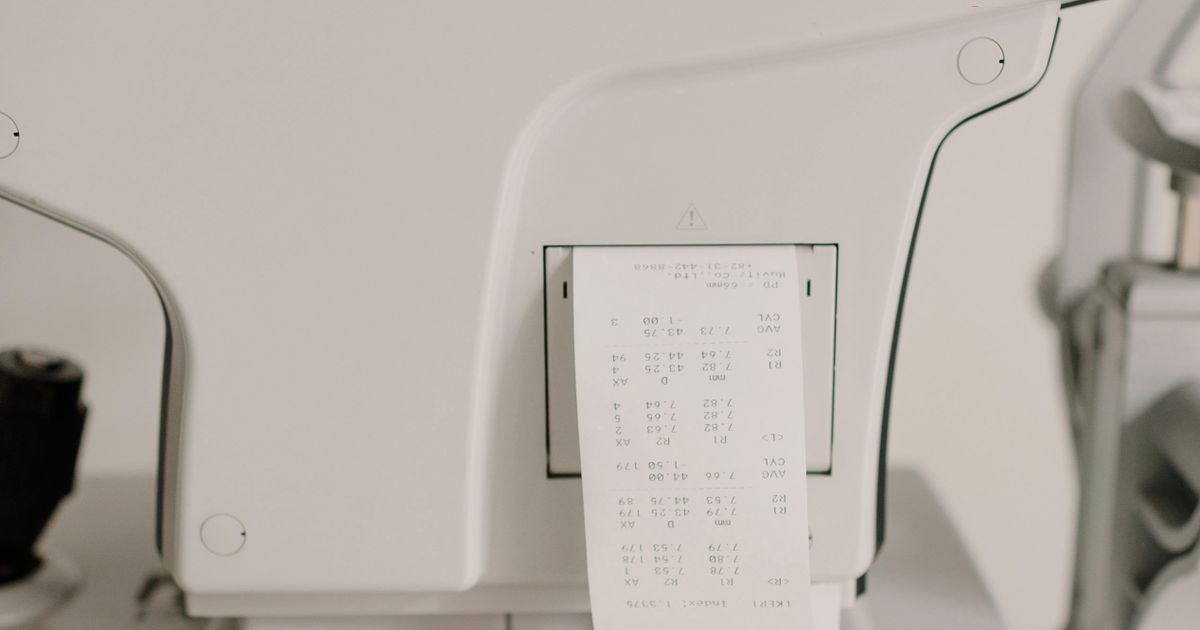
Contoura Vision is the name of a laser vision correction technique in which the treatment is designed around the shape of your own cornea. The cornea is the clear window at the front of the eye. Its surface is never perfectly smooth, and each eye has its own pattern of tiny hills and dips. Before treatment, a scanner called a corneal topographer measures the height of the cornea at thousands of points and builds a map of these irregularities.
The laser then uses this map, along with your spectacle power, to reshape the cornea. Standard lasik mainly corrects the spectacle power. Topography-guided treatment aims to correct the power and make the corneal surface more regular at the same time. The steps of the operation itself are the same as for LASIK: a thin flap is made in the cornea, the laser reshapes the tissue underneath, and the flap is put back.
Other names for Contoura Vision
- Topography-guided LASIK
- Topography-guided laser vision correction
- Topo-guided LASIK
- Contoura LASIK
- Customised or corneal map guided LASIK
Why is Contoura Vision done?
The aim is to reduce dependence on spectacles and contact lenses. It may be considered for:
- Nearsightedness (myopia): ambany ka antonony fahitana lavitra is the main reason for treatment.
- Astigmatisma: astigmatism that occurs along with nearsightedness can be treated in the same sitting.
- Mild surface irregularities of the cornea: these can cause glare or slightly reduced sharpness even with spectacles. A topography-guided plan takes them into account.
The approved range of power is limited, and it is narrower than many people expect. ny fitsinjovana ny hoavy is generally treated with other laser profiles. Your surgeon will confirm whether your power falls within the range that can be treated safely. Laser vision correction is an elective procedure. Spectacles and contact lenses remain safe and effective.
Types of laser vision correction and how Contoura Vision compares
Topography-guided treatment is one of several ways of planning laser correction. It is usually delivered as LASIK, but the same planning can sometimes be applied to a surface treatment such as PRK when the cornea is not suitable for a flap.
- Standard or wavefront-optimised LASIK: the laser corrects your spectacle power using a profile designed to keep the natural curve of the cornea.
- Wavefront-guided LASIK: the plan is based on how light travels through the whole eye, including the lens.
- Topography-guided LASIK: the plan is based on the shape of the corneal surface.
- MITSIKA: a small lens-shaped piece of tissue is removed through a keyhole cut, without a flap.
- Lens implant surgery: a lens is placed inside the eye, without removing corneal tissue.
| endri-javatra | Contoura Vision (topography-guided LASIK) | Standard LASIK | Smile | Fandidiana ICL |
|---|---|---|---|---|
| How the treatment is planned | Spectacle power plus a map of the corneal surface | Spectacle power | Spectacle power | Spectacle power and eye measurements |
| Corneal flap | Eny | Eny | No, a small cut | No |
| Corneal tissue removed | Eny | Eny | Eny | No |
| Usual range | Low to moderate nearsightedness and astigmatism | Low to moderate powers | Low to moderately high nearsightedness and astigmatism | Moderate to very high powers |
| Visual recovery | Andro iray na roa | Andro iray na roa | Andro vitsivitsy | Andro iray na roa |
Afaka mamaky bebe kokoa momba izany ianao Smile sy Fandidiana ICL on their own pages. No single technique is best for every eye.
Who is suitable for Contoura Vision?
- Adults aged 18 years or older
- Spectacle power that has been stable for at least a year
- Nearsightedness and astigmatism within the treatable range
- A cornea that is thick enough and regular enough on testing
- Healthy eyes with no active disease
- Realistic expectations about the result
Iza no mety tsy ho mety?
- Ny olona miaraka keratoconus or a cornea that shows early signs of weakness. LASIK can make this worse.
- People with thin corneas or a very high power
- People with significant dry eye that has not been treated
- People with an active areti-maso or inflammation such as uveitis
- Olona misy a cataract or uncontrolled areti-maso glaucome
- People with poorly controlled diabetes or retinopathy diabeta
- People with certain autoimmune conditions or on medicines that slow healing
- Women who are pregnant or breastfeeding, as spectacle power can shift during this time
If laser treatment is not advisable, your doctor may discuss a surface procedure, a lens implant or continuing with spectacles or contact lenses.
How to prepare for Contoura Vision
Tests before the procedure
- A full fanadinana maso, with your power checked before and after dilating drops
- Topografia corneal, repeated several times for each eye. The treatment is built from these scans, so they must be consistent and of good quality.
- Corneal thickness measurement with a pachymetry test
- A slit lamp exam and tear film tests for dry eye
- Pupil size measurement and eye pressure by tonometry
- A dilated check of the retina
Contact lenses
Contact lenses temporarily change the shape of the cornea, which would make the map inaccurate. You will be asked to stop wearing soft lenses for about one to two weeks, and rigid lenses for longer, before your scans and before surgery.
Fanafody horesahina
Tell your doctor about all your medicines, including steroid medicines, acne medicines, hormone treatment and anything taken for autoimmune conditions, as well as any allergies. Do not stop a regular medicine unless your doctor advises it.
Amin'ny andro
- Wash your face and hair. Do not use eye make-up, face creams or perfume.
- Eat a light meal. Fasting is not usually needed.
- Arrange for someone to take you home.
- Bring sunglasses to wear afterwards.
How is Contoura Vision performed?
- Numbing the eye: anaesthetic drops are placed in the eye. The skin around the eye is cleaned and a small clip keeps the eyelids open.
- Loading the plan: your corneal maps and power are entered into the laser's planning software, and the surgeon confirms the treatment for each eye.
- Creating the flap: a thin flap is made in the surface of the cornea, usually with a femtosecond laser and sometimes with a fine blade instrument. You may feel pressure and your vision may dim for a few seconds.
- Lifting the flap: the surgeon folds the flap back to expose the layer underneath.
- Reshaping the cornea: you look at a target light while an excimer laser removes microscopic amounts of tissue according to the plan. An eye tracker follows small eye movements. This step usually takes less than a minute.
- Replacing the flap: the flap is rinsed, laid back in place and smoothed. It sticks down by itself without stitches.
- vita: drops are put in, and a clear shield or protective glasses are given. The second eye is usually treated in the same sitting.
Inona no mitranga aorian'ny dingana?
You rest for a short while, the surgeon checks the flap, and you go home. For the first four to six hours the eyes often burn, water and feel gritty, and vision is foggy. Keeping your eyes closed and resting helps. By the next morning most people see much more clearly.
You will be given antibiotic and anti-inflammatory drops for a short course, and lubricating drops for several weeks or months. Reviews are usually planned the next day, at about one week, at one month and at three months.
Risks and complications of Contoura Vision
The risks are the same as for other forms of LASIK.
Common and usually temporary
- Dry eyes, which can last for some months and need regular lubricating drops
- Glare, halos or starbursts around lights at night
- Light sensitivity and fluctuating vision in the first weeks
- Small red patches on the white of the eye, which clear by themselves
vitsy
- Under-correction or over-correction: some power may remain. An enhancement procedure may be possible if the cornea is thick enough.
- Fihemorana: part of the power can return over time.
- Flap problems: wrinkles, displacement after rubbing or injury, or cells growing under the flap. These may need the flap to be lifted and treated.
- Inflammation under the flap or infection: rare, and treated urgently.
- Corneal ectasia: a rare weakening and bulging of the cornea that can reduce vision and may need further treatment. Careful screening lowers this risk.
- Loss of sharpness: a small number of people do not see as clearly as they did with spectacles before surgery.
Results: how well does Contoura Vision work?
Studies of topography-guided LASIK report that a high proportion of suitable people reach good distance vision without spectacles, and some see slightly better than they did with spectacles before surgery. Results depend on the quality of the scans and on healing, which differs from person to person.
It is fair to know the limits:
- No one can be promised perfect vision or complete freedom from spectacles.
- For eyes with a regular cornea, the difference between topography-guided treatment and other modern LASIK profiles may be small.
- The treatment does not prevent presbyopia. Reading spectacles are usually needed from the forties.
- It does not protect against eye conditions that come with age or with nearsightedness, so regular eye checks are still needed.
Recovery after Contoura Vision
- Andro voalohany: rest with your eyes closed as much as possible. Wear the shield while sleeping.
- Ny herinandro voalohany: most people return to desk work in two to three days. Do not rub your eyes. Keep water, soap and make-up out of the eyes. Take regular breaks from screens and use lubricating drops to limit fanerena ny maso.
- Two to four weeks: avoid swimming, dusty places and contact sports. Light exercise can usually restart after a few days.
- mitondra fiara: wait until your doctor confirms your vision is good enough. Be careful at night until glare settles.
- Up to three months: vision and dryness continue to improve.
Rahoviana no mitady fanampiana ara-pitsaboana
- Severe or increasing eye pain
- A sudden drop in vision
- Increasing redness or discharge
- Vision that becomes hazy again after first clearing
- Any injury, poke or hard rub to the eye, even if it feels fine
Life after Contoura Vision
- Use lubricating drops for as long as advised, even if your eyes feel comfortable.
- Wear sunglasses outdoors in the first weeks.
- Use protective eyewear for racquet sports and contact sports, because the flap can be displaced by a direct injury even years later.
- Keep a copy of your pre-operative eye measurements. They help with accurate lens calculations if you need cataract surgery later in life.
- Tell any eye doctor you see that you have had LASIK, as it affects eye pressure readings.
- Have an eye check once a year.
Benefits of Contoura Vision
- Treatment designed around the shape of each cornea
- Corrects nearsightedness and astigmatism in one sitting
- Quick procedure with numbing drops only
- Fast visual recovery for most people
- May improve the quality of vision in eyes with mild corneal irregularity
What is the cost of Contoura Vision in India?
Ny vidiny dia miankina amin'ny lafin-javatra maro:
- The laser platform and the method used to create the flap
- The tests and scans needed before treatment
- Whether one or both eyes are treated
- Ny tanàna sy ny hopitaly
- Medicines, eye drops and follow-up visits
- Any enhancement procedure needed later
Miovaova arakaraka ny olona ny vidiny. Azafady mba jereo any amin'ny hopitaly ny tena vidiny.
Many insurers treat laser vision correction as elective and cover it only above a certain spectacle power, if at all, so check your policy before planning the procedure.
Why choose Apollo Hospitals for Contoura Vision?
- Ophthalmologists who examine your eyes in detail and explain all options, including when laser correction is not advisable
- Screening tests such as corneal mapping and corneal thickness measurement before any refractive procedure
- Access to cornea, retina and glaucoma specialists if another eye problem is found
- Clear written instructions and planned follow-up visits
- Topography-guided laser platforms are not available at every centre. Availability differs between centres. Please check with the hospital.
To find out which vision correction option suits your eyes, book a consultation with an ophthalmologist at Apollo Hospitals.
Famakiana mifandray
Questions to ask your doctor about Contoura Vision
- Is my power within the range that can be treated with topography-guided LASIK?
- Are my corneas thick and regular enough for LASIK?
- Would this technique give me any advantage over standard LASIK, SMILE or a lens implant?
- How will the flap be created?
- Do I have dry eye, and should it be treated first?
- What result can I realistically expect?
- What happens if some power remains after surgery?
- When can I return to work, driving, exercise and swimming?
FAQs
1. Is Contoura Vision different from LASIK?
It is a type of LASIK. The surgical steps are the same, but the laser treatment is planned from a detailed map of your corneal surface as well as your spectacle power.
2. Is Contoura Vision painful?
Numbing drops prevent pain during the procedure, although you may feel pressure for a few seconds. Burning and watering for a few hours afterwards are common.
3. Maharitra hafiriana ny fomba fiasa?
About 15 to 20 minutes for both eyes. The laser itself works for less than a minute per eye.
4. Is Contoura Vision a bladeless procedure?
The flap is usually made with a laser, which is often described as bladeless. Some centres use a fine blade instrument instead. Ask your surgeon which method is planned.
5. Who cannot have Contoura Vision?
People with thin or weak corneas, keratoconus, very high power, unstable power, untreated dry eye or certain eye and general health conditions are usually advised against it.
6. Maharitra ve ny vokany?
The reshaping of the cornea is permanent. A small part of the power can return in some people, and age-related changes such as the need for reading spectacles still occur.
7. Will I need spectacles after Contoura Vision?
Most suitable people can do daily activities without spectacles. Some need a low power for night driving, and reading spectacles are usually needed from the forties.
8. Can Contoura Vision treat high spectacle power?
It is intended for low to moderate nearsightedness and astigmatism. For higher powers or thin corneas, a lens implant may be discussed instead.
9. Rahoviana aho no afaka miverina miasa?
Many people return to desk work within two to three days. Dusty or physically demanding work may need a longer break.
10. When can I use a phone or computer?
Rest your eyes on the first day. Screens can usually be used from the next day, with frequent breaks and lubricating drops.
11. Are both eyes treated on the same day?
Yes, in most cases both eyes are treated in the same sitting.
12. Does Contoura Vision cause dry eyes?
Dryness is common after any LASIK procedure and usually improves over a few months with lubricating drops. In a small number of people it lasts longer.
13. Can the procedure be repeated?
If some power remains or returns, an enhancement may be possible, provided enough corneal thickness is left and the cornea is healthy.
14. Which doctor performs Contoura Vision?
An ophthalmologist trained in refractive surgery performs the procedure, after a full assessment of your eyes.
Famaranana
Contoura Vision is topography-guided LASIK, in which the laser plan is built from a map of your corneal surface as well as your spectacle power. It can give quick, good quality vision for people with suitable corneas and powers, but it shares the risks of LASIK, including dry eye, glare and, rarely, weakening of the cornea, and it is not available or advisable for everyone. A full eye assessment with an ophthalmologist will show which option is safest for you.
Ity pejy ity dia natao ho fampahafantarana ankapobeny fa tsy manolo ny torohevitra avy amin'ny dokoteranao. Ny fanapahan-kevitra momba ny fitsaboana dia tokony hatao miaraka amin'ny manam-pahaizana manokana izay mahafantatra ny tantaran'ny fahasalamanao.
Nampiana vao haingana


Ophthalmologists at Apollo Hospitals


Disclaimer:
Ny fampahalalana omena ato amin'ity pejy ity dia natao ho fampahafantarana ankapobeny sy ho fanabeazana fotsiny ihany. Na dia miezaka mafy aza izahay mba hahazoana antoka fa marina, azo itokisana ary averina jerena tsy tapaka ny fampahalalana, dia tsy tokony hoheverina ho solon'ny torohevitra ara-pitsaboana matihanina, ny aretina na ny fitsaboana izany.
Mety tsy hitovy amin'ny olona tsirairay ny mety ho vitan'ny fomba fitsaboana iray, miaraka amin'ny tombontsoa azo avy aminy, ny risika mety hitranga, ny fiomanana, ny fahasitranana, ny fahasarotana mety hitranga, ary ny vokatra antenaina. Ny matihanina amin'ny fahasalamanao no hamaritra raha mety ny fomba fitsaboana iray mifototra amin'ny toe-pahasalamanao manokana sy ny tantaram-pahasalamanao.
Miangavy anao mba hanatona matihanina amin'ny fahasalamana mahafeno fepetra mba hahazoana torohevitra manokana alohan'ny handraisana fanapahan-kevitra momba ny fomba fitsaboana rehetra.
Raha mila fanazavana fanampiny momba ny fomba famoronana, fandinihana, fanavaozana ary fikojakojana ny votoatin-kevitra ara-pitsaboana dia vakio azafady ny [Politika Tonian-dahatsoratra].




