


Pregledala uredniška ekipa Apollo
Hiter odgovor
An allogeneic stem cell transplant replaces a person's diseased or failing bone marrow with healthy blood-forming stem cells from a donor. It is used for certain blood cancers, bone marrow failure and inherited blood disorders when other treatments are unlikely to be enough. It is a demanding treatment with serious risks, including infection and graft versus host disease, so it is offered only after careful assessment.
| Ključna dejstva | podrobnosti |
|---|---|
| Kaj je | Infusion of healthy blood-forming stem cells from another person after conditioning treatment |
| Vir celic | A matched brother or sister, a matched unrelated donor, a half-matched family member, or donated cord blood |
| Glavne uporabe | Some leukaemias, myelodysplastic syndromes, some lymphomas, aplastic anaemia, thalassaemia, sickle cell disease and certain immune deficiencies |
| Bivanje v bolnišnici | Usually several weeks in a protective transplant unit; your team will give an estimate for your case |
| Glavna tveganja | Infection, graft versus host disease, organ side effects from conditioning, graft failure and relapse |
| Kdo ga izvaja | A haematologist or transplant physician with a specialised transplant team |
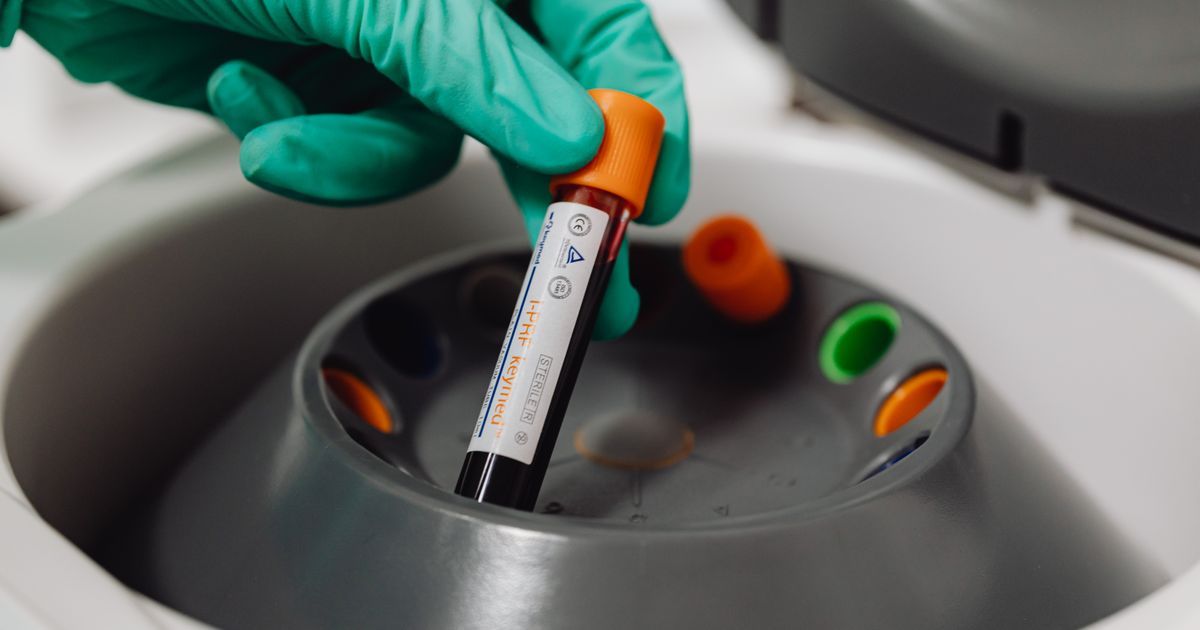
What is an allogeneic stem cell transplant?
Bone marrow is the soft tissue inside the large bones. It contains blood-forming stem cells, which grow into red blood cells, white blood cells and platelets. When the marrow is diseased, damaged or does not work from birth, the body cannot make healthy blood.
In an allogeneic stem cell transplant, healthy stem cells are collected from another person, called the donor, and given to the patient through a drip into a vein. Before the infusion, the patient receives conditioning treatment that clears space in the marrow and quietens the immune system so that the new cells are accepted. Over the following weeks the donor cells settle in the marrow and begin to produce new blood cells. This is called engraftment.
The word allogeneic means "from another person". It is different from an autologous transplant, in which a person's own stem cells are collected and returned. You can read a general overview on our pages about presaditev matičnih celic in presaditev kostnega mozga.
Other names for allogeneic stem cell transplant
- Allogeneic bone marrow transplant (allogeneic BMT)
- Allogeneic haematopoietic stem cell transplant (allo-HSCT)
- Donor stem cell transplant
- Allo transplant or allograft
- Matched sibling, matched unrelated donor or haploidentical transplant, depending on the donor
Why is an allogeneic stem cell transplant done?
The transplant is considered when the marrow or immune system needs to be replaced, or when the immune effect of donor cells is needed to control a cancer. Your haematologist may discuss it for:
- Levkemije: some types of akutna mieloična levkemija and acute lymphoblastic leukaemia, especially when the risk of relapse is high or the disease has returned.
- Myelodysplastic syndromes and related marrow disorders: glej mielodisplastični sindrom.
- Limfomi: selected cases of ne-Hodgkinov limfom or Hodgkinov limfom that have come back after other treatment.
- Odpoved kostnega mozga: huda aplastična anemija.
- Dedne krvne bolezni: talasemija major and srpastocelična bolezen in selected patients, most often children and young people.
Types of allogeneic transplant
Allogeneic transplants are described by who the donor is, where the stem cells come from and how strong the conditioning is.
Donor matching
Matching is based on human leucocyte antigens (HLA). These are markers on the surface of cells that the immune system uses to tell "self" from "non-self". HLA type is inherited, half from each parent, and is not the same thing as blood group. Patient and possible donors are tested with a blood sample or cheek swab.
| Vrsta darovalca | Who it is | Točke, ki jih je treba vedeti |
|---|---|---|
| Matched sibling donor | A brother or sister with the same HLA type | Each full sibling has a one in four chance of being a full match. Often the first choice when available. |
| Matched unrelated donor | A volunteer found through a donor registry | The search can take weeks to months. Finding a match is harder for some ethnic groups. |
| Haploidentical donor | A half-matched family member such as a parent, child or sibling | Most people have such a donor. Extra steps are used after the infusion to reduce graft versus host disease. |
Half-matched transplants are explained further on our page about haploidentical bone marrow transplant in children.
Strength of conditioning
- Full intensity (myeloablative) conditioning: high-dose chemotherapy, sometimes with radiotherapy to the whole body. It wipes out the marrow and is usually offered to younger, fitter patients.
- Reduced intensity conditioning: lower doses that rely more on the donor immune system to control the disease. It allows older patients or those with other health problems to be considered.
Kdo je primeren in kdo morda ni?
Morda boste upoštevani, če:
- You have a condition for which a donor transplant offers a real chance of cure or long-term control
- Your disease is under reasonable control at the time of transplant, where that applies
- Your heart, lungs, liver and kidneys are working well enough to cope with conditioning
- A suitable donor has been found
A transplant may not be advised, or may be delayed, if:
- You have an active, uncontrolled infection
- Imate resno bolezen srca, pljuč, jeter ali ledvic
- The cancer is not responding to treatment and the expected benefit is small
Kako pripraviti
Tests before the transplant
- HLA typing for you and possible donors
- Krvne preiskave, vključno z popolna krvna slika, testi delovanja jeter, testi delovanja ledvic, blood group and screening for infections
- A biopsija kostnega mozga to check the state of the disease
- Heart tests such as an ECG and a 2D odmev
- Testi pljučne funkcije in rentgen prsnega koša
- A dental check, because hidden tooth or gum infection can flare when counts are low
Pred sprejemom
A central venous line, a soft tube placed in a large vein in the chest or arm, is usually inserted.
How is an allogeneic stem cell transplant performed?
- Admission to the transplant unit: you are admitted to a single room with filtered air and strict hand hygiene rules for staff and visitors.
- Klimatizacija: over several days you receive chemotherapy, with or without radiotherapy, as planned for your disease. This phase destroys diseased marrow and suppresses your immune system so that the donor cells are not rejected.
- Donor cell collection: the donor's stem cells are collected from the blood or bone marrow, checked and counted in the laboratory.
- Infuzija matičnih celic (dan nič): the cells are given through your central line, much like a transfuzija krvi. It takes from under an hour to a few hours.
- Waiting for engraftment: for roughly two to four weeks your blood counts are very low. You receive red cell and platelet transfusions, medicines to prevent infection, and medicines that suppress the immune system to prevent graft versus host disease.
- Presaditev: the white cell count begins to rise, showing that the donor cells are working. Platelets and red cells follow.
- Načrtovanje odpusta: you go home, or to accommodation near the hospital, once counts are safe, you can eat and drink, and you can take your medicines by mouth.
Kaj se zgodi potem
After discharge you attend the clinic frequently, often two or three times a week at first. Blood tests check counts, organ function and the levels of immune-suppressing medicines. Immune-suppressing medicines are reduced slowly over months if there is no graft versus host disease, and are never stopped without your team's advice.
Tveganja in zapleti
An allogeneic transplant is among the most intensive treatments in medicine. Some complications can be life-threatening, and your team will explain your individual risk before you consent.
Skupno
- Nausea, vomiting, diarrhoea and loss of appetite
- A sore mouth and throat (mucositis), which can make eating painful
- Hair loss, tiredness and weakness
- Low blood counts needing transfusions; see nevtropenija
- Fever and infections while counts are low
Reakcija presadka proti gostitelju (GVHD)
In GVHD, immune cells from the donor (the graft) recognise the patient's body (the host) as foreign and attack it.
- Akutna GVHD usually appears in the first few months. It mainly affects the skin (rash), the gut (diarrhoea, cramps, nausea) and the liver (jaundice).
- Kronična GVHD appears later and can last months or years. It may cause dry eyes and mouth, tight or thickened skin, stiff joints, breathlessness and other problems.
GVHD is prevented and treated with medicines that suppress the immune system, including steroids. A mild degree can go along with a useful graft versus tumour effect, in which donor cells also attack remaining cancer cells.
Manj pogosti, vendar resni
- Severe bacterial, fungal or viral infections, including reactivation of viruses already in the body
- Graft failure, where donor cells do not grow or stop working
- Damage to the lungs, heart or kidneys
- Ponovitev prvotne bolezni
- Long-term effects such as infertility, early menopause, cataracts, thyroid problems, bone thinning and a small increase in the risk of second cancers
Rezultati: kako dobro deluje?
For some conditions an allogeneic transplant offers the best chance, or the only chance, of cure. Results differ widely from one person to another. They depend on the disease and its stage, whether it is in remission, the patient's age and fitness, the type of donor and how well matched they are, and whether serious complications develop.
A transplant does not guarantee cure. The disease can return, and some patients die from complications of the treatment itself.
Recovery and infection precautions
Blood counts usually recover within weeks, but the immune system takes far longer, often a year or more, and longer still if you have chronic GVHD or remain on immune-suppressing medicines. During this time you are more prone to infection.
- Wash hands often, and ask visitors to do the same
- Avoid crowded places and anyone with a cough, cold, fever, rash or stomach upset
- Eat freshly cooked food. Avoid raw or undercooked meat, fish and eggs, unpasteurised dairy, street food and unwashed raw fruit or salad
- Take preventive anti-infection medicines exactly as prescribed
Kdaj poiskati zdravniško pomoč
Contact your transplant team or come to the emergency department straight away if you have:
- Vročina, mrzlica ali tresenje
- A new skin rash, or yellowing of the skin or eyes
- Diarrhoea, repeated vomiting or severe tummy pain
- Zasoplost, nov kašelj ali bolečine v prsih
- Bleeding, new bruising or black stools
- Redness, pain, swelling or discharge around the central line
- Inability to keep medicines or fluids down
Life after an allogeneic stem cell transplant
- Zdravila: take them at the same time every day. Do not start any new medicine or herbal product without checking, as many interact with immune-suppressing medicines.
- Cepljenja: protection from childhood vaccines is lost after transplant. You will be revaccinated on a schedule set by your team. Live vaccines are delayed until the immune system has recovered.
- Zaščita pred soncem: sun exposure can trigger skin GVHD. Cover up and use sunscreen.
- Čustveno zdravje: low mood, worry and poor sleep are common. Tell your team; counselling and support groups can help.
- Dolgoročni pregledi: yearly reviews of the eyes, hormones, bones, heart, lungs and skin are advised for life.
Prednosti
- Replaces diseased or failing marrow with a healthy blood-forming system
- Offers a chance of cure for some conditions that cannot be cured in other ways
- The donor immune system can help to control remaining cancer cells
- Can end the need for regular transfusions in disorders such as thalassaemia major when it succeeds
What is the cost of allogeneic stem cell transplant in India?
The cost differs a great deal between patients. Factors that affect it include:
- The type of donor (matched sibling, unrelated or half-matched) and any registry search and transport charges
- The conditioning plan and whether radiotherapy is needed
- Length of stay in the transplant unit and any intensive care
- Blood products, anti-infection medicines and immune-suppressing medicines
- Treatment of complications such as infection or GVHD
Stroški se razlikujejo od osebe do osebe. Za dejanske cene se obrnite na bolnišnico.
Many health insurance policies cover stem cell transplants, but limits and conditions differ, so check with your insurer and the hospital insurance desk before admission.
Why choose Apollo Hospitals for allogeneic stem cell transplant?
- Haematologists, transplant physicians, paediatric specialists, infectious disease doctors and intensive care teams work together on each case
- Support from blood bank and laboratory services for transfusions, HLA testing and monitoring
- Structured follow-up after discharge, including monitoring for GVHD and revaccination
- Razpoložljivost se razlikuje glede na center. Prosimo, preverite v bolnišnici.
To discuss whether a transplant is right for you or your child, you can naročite se na pregled pri hematologu v bolnišnicah Apollo.
Sorodno branje
- Presaditev kostnega mozga
- Presaditev matičnih celic
- Haploidentical bone marrow transplant in children
- Beta thalassaemia
- Kronična limfocitna levkemija
Questions to ask your doctor about allogeneic stem cell transplant
- Why are you recommending a donor transplant for me, and what are the alternatives?
- Who is my likely donor, and how good is the match?
- Will I have full intensity or reduced intensity conditioning, and why?
- What are my personal risks of GVHD, infection and relapse?
- How long will I be in hospital, and how long must I stay close to the hospital afterwards?
- What should I do about fertility before treatment?
- What does my donor need to go through, and what are the risks for them?
- Kakšno dolgoročno spremljanje bom potreboval/a?
Pogosta vprašanja
1. What is the difference between an allogeneic and an autologous stem cell transplant?
In an allogeneic transplant the stem cells come from a donor. In an autologous transplant they are your own cells, stored before high-dose treatment. Donor cells bring a new immune system that can fight cancer, but also the risk of graft versus host disease.
2. Is an allogeneic stem cell transplant the same as a bone marrow transplant?
The terms are often used for the same treatment. Bone marrow transplant is the older name. Today the cells are often collected from the donor's blood, so stem cell transplant is the more accurate term.
3. How is a donor found?
Brothers and sisters are usually tested first. If none is a match, the team may search donor registries for an unrelated volunteer, consider a half-matched family member, or look at cord blood.
4. Does the donor need to have the same blood group?
No. Matching is based on HLA type, not blood group. A transplant can go ahead when blood groups differ, and over time your blood group may change to that of the donor.
5. How are stem cells collected, and is it safe for the donor?
Most donors have a few days of injections and then give cells from the blood through a machine, which can cause bone aches and tiredness. Others give marrow from the hip bones under anaesthesia. Donors are examined beforehand, and donation is generally safe.
6. Is the stem cell infusion painful?
No. It is like a blood transfusion. Some people notice a strange taste, flushing or mild chills. The harder parts are the conditioning beforehand and the weeks of low blood counts afterwards.
7. What is conditioning?
Conditioning is the chemotherapy, sometimes with radiotherapy, given in the days before the infusion. It destroys diseased marrow and suppresses the immune system so that donor cells can settle.
8. What is graft versus host disease?
It is a reaction in which donor immune cells attack the patient's tissues, most often the skin, gut and liver. It can be mild or severe. Preventive medicines are given to every patient, and symptoms should be reported early.
9. Kako dolgo bom ostal v bolnišnici?
Most people stay for several weeks, until the new cells are producing enough blood cells. You will also be asked to live near the hospital for a period after discharge.
10. When can I go back to work or school?
Many people need six months to a year before returning fully, and longer if they have chronic GVHD or infections. Your team will advise based on your counts and medicines.
11. Can the disease come back after a transplant?
Yes. Relapse remains a risk, particularly in cancers that were not in remission at the time of transplant. Your team will explain the options if this happens.
12. Bom lahko imel/a otroke po tem?
Conditioning often causes infertility. Ask about sperm, egg or embryo storage before treatment begins. Some people regain fertility, so use contraception until your doctor advises otherwise.
13. Can older adults have an allogeneic transplant?
Yes, in selected cases. Reduced intensity conditioning has made donor transplants possible for many older patients who are otherwise fit. Overall health matters more than age alone.
14. Which doctor performs an allogeneic stem cell transplant?
A haematologist or haemato-oncologist trained in stem cell transplantation leads the treatment, and a paediatric haemato-oncologist does so for children. They work with transplant nurses, transfusion specialists, infectious disease doctors and intensive care staff.
zaključek
An allogeneic stem cell transplant can offer a chance of cure for certain blood cancers, bone marrow failure and inherited blood disorders, but it carries serious risks and a long recovery. Speak openly with your haematologist about the likely benefits and risks in your own case before you decide.
Ta stran je namenjena splošnim informacijam in ne nadomešča nasveta vašega zdravnika. Odločitve o zdravljenju mora sprejeti usposobljen specialist, ki pozna vašo zdravstveno anamnezo.
Allogeneic Stem Cell Transplant at Apollo Hospitals near you
Izberite svoje mesto, da si ogledate zdravnike, ustanove in podrobnosti rezervacij v tej bolnišnici.
Nedavno dodano


Specialisti za hematologijo in raka v bolnišnicah Apollo




Disclaimer:
Informacije na tej strani so namenjene zgolj splošnim informativnim in izobraževalnim namenom. Čeprav si razumno prizadevamo zagotoviti, da so informacije točne, zanesljive in redno pregledovane, jih ne smemo šteti za nadomestilo za strokovni zdravniški nasvet, diagnozo ali zdravljenje.
Primernost medicinskega posega, skupaj z njegovimi koristmi, tveganji, pripravo, okrevanjem, morebitnimi zapleti in pričakovanimi izidi, se lahko razlikuje od osebe do osebe. Vaš zdravstveni delavec bo določil, ali je poseg primeren, glede na vaše individualno stanje in zdravstveno anamnezo.
Preden se odločite glede katerega koli medicinskega posega, se posvetujte s kvalificiranim zdravstvenim delavcem za osebni nasvet.
Za več informacij o tem, kako ustvarjamo, pregledujemo, posodabljamo in vzdržujemo naše medicinske vsebine, preberite našo [Uredniško politiko].




