


Ji aliyê Tîma Edîtoriya Apollo ve hatiye nirxandin
Bersiva bilez
Vagotomy is an operation that cuts some or all of the branches of the vagus nerve that supply the stomach, so that the stomach makes less acid. It was once a common treatment for peptic ulcers. Today it is done far less often, because acid-reducing medicines and treatment of the stomach infection that causes most ulcers work well. It is now kept mainly for ulcers with complications, such as bleeding, perforation or blockage, and for ulcers that keep returning despite proper medical treatment.
| Rastiyên sereke | Details |
|---|---|
| Çi ye? | Surgery that cuts vagus nerve branches to the stomach to reduce acid |
| How often it is done now | Rarely. Medicines heal most ulcers |
| Main reasons today | Complicated or stubborn peptic ulcers, usually alongside another stomach procedure |
| Cureyên sereke | Truncal, selective and highly selective vagotomy |
| Anesthesiya | Anesthesiya giştî |
| Nêzîkbûhatinî | Laparoscopic (keyhole) or open; occasionally through the chest |
| Nexweşxane man | Usually a few days to a week, depending on the operation it is combined with |
| Ji hêla | General surgeon or gastrointestinal surgeon |
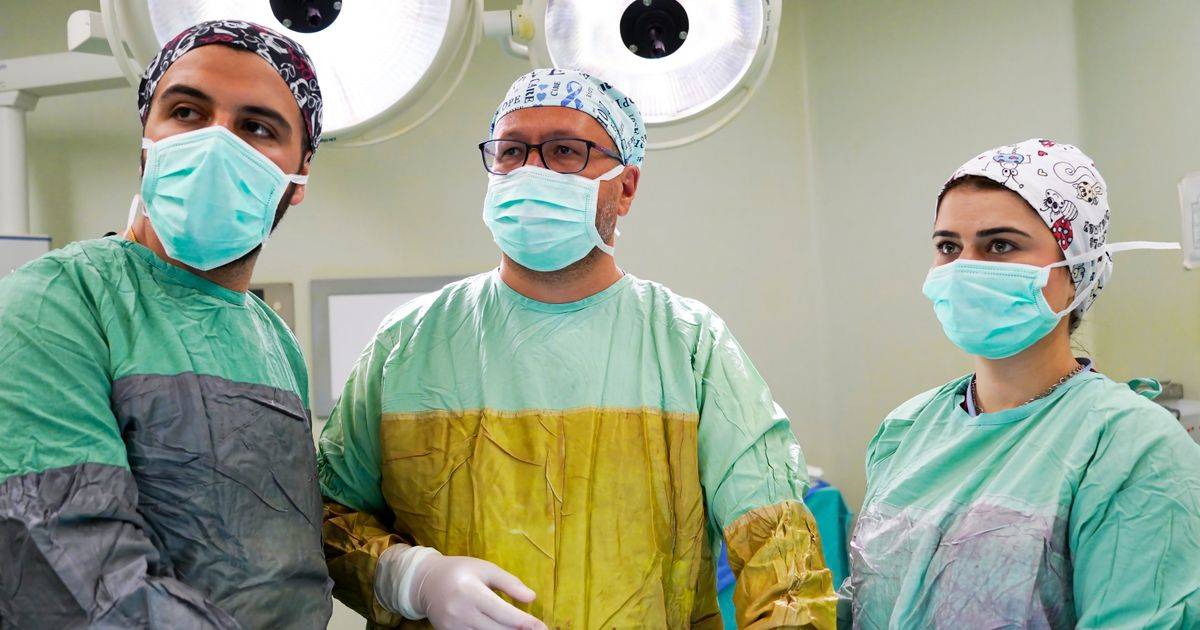
What is vagotomy?
The vagus nerves are a pair of long nerves that run from the brain, down through the chest alongside the food pipe, and into the abdomen. Among many other jobs, they tell the stomach to produce acid and help it churn and empty.
In a vagotomy the surgeon cuts these nerves, or only the small branches that go to the acid-producing part of the stomach. With the nerve signal removed, acid production falls. Less acid gives an ulcer a chance to heal and lowers the chance of a new one forming.
Vagotomy does not remove the stomach. It is often combined with a second step, such as pyloroplasty, repair of a perforated ulcer or removal of the lower part of the stomach.
Other names for vagotomy
- Vagus nerve cutting surgery
- Truncal vagotomy
- Vagotomiya bijartî
- Highly selective vagotomy
- Parietal cell vagotomy or proximal gastric vagotomy
- Vagotomy and pyloroplasty
- Acid-reducing ulcer surgery
Why vagotomy is done far less often today
Some decades ago, vagotomy was one of the most common planned abdominal operations. Two changes made it uncommon.
- Acid-reducing medicines. Modern tablets switch off acid production very effectively, and most ulcers heal within weeks.
- Treatment of the stomach infection. Zêdeyî birînên peptîk are linked to a bacterial infection of the stomach lining called H. pylori, or to regular use of certain pain relievers. A course of antibiotics with acid-reducing medicine clears the infection, and the ulcer usually does not return.
Because of this, planned surgery for an uncomplicated ulcer is now rare. If you have been told you have an ulcer, medicines are almost always the first treatment. You can read more about birînên mîdeyê and how they are treated.
When is vagotomy still done?
Surgeons still consider vagotomy in a small number of situations.
- Bleeding ulcer that cannot be controlled. If bleeding from the stomach or duodenum continues despite endoscopic treatment and other measures, emergency surgery is needed to stitch the vessel. A vagotomy may be added in selected patients.
- Perforated ulcer. A hole in the stomach or duodenum is an emergency. The hole is repaired first. An acid-reducing step is added only in selected, stable patients with a long ulcer history.
- Gastric outlet obstruction. Scarring from ulcers can block the stomach outlet. Vagotomy may be combined with a drainage procedure or with removal of the lower stomach.
- Ulcers that do not heal or keep returning despite proper courses of medicine, after other causes have been ruled out.
- People who cannot take or cannot reliably obtain long-term acid-reducing medicine.
- Ulcers at the join after earlier stomach surgery that do not settle with medicines.
Before surgery for a stubborn ulcer, doctors look for an underlying reason, such as ongoing infection, pain reliever use, smoking, a rare hormone-producing tumour (sendroma Zollinger-Ellison) or cancer in a stomach ulcer.
Types of vagotomy
| Awa | What is cut | Drainage procedure needed? | Xalên sereke |
|---|---|---|---|
| Truncal vagotomy | Both main nerve trunks near the lower food pipe | Yes, such as pyloroplasty or a bypass | Quick to perform and effective at lowering acid; more side effects such as diarrhoea and dumping |
| Vagotomiya bijartî | All branches to the stomach, sparing branches to the liver, gall bladder and intestine | Erê | Seldom used now |
| Highly selective vagotomy | Only the fine branches to the acid-producing upper stomach | Usually no, because the nerves to the stomach outlet are kept | Fewest side effects, but takes longer, needs experience, and ulcers return more often |
Procedures commonly combined with vagotomy
- Piloroplasty, which widens the stomach outlet so the stomach can empty after the nerves are cut.
- Gastrojejunostomy, a bypass joining the stomach to the small intestine.
- Antrectomy, removal of the lower part of the stomach that produces an acid-stimulating hormone. This is a form of partial gastrektomî. Vagotomy with antrectomy has the lowest rate of ulcer return but is a bigger operation.
Nêzîkbûhatinî
Vagotomy can be done by emeliyata laparoskopîk through small cuts or by open surgery. Emergency operations are often open. In a few people who have had stomach surgery before, the nerve trunks are reached through keyhole cuts in the chest instead.
Who is suitable for vagotomy?
You may be considered if you have a peptic ulcer with a complication that needs surgery, or an ulcer that has failed properly supervised medical treatment, and you are fit enough for general anaesthesia.
Kî dibe ku ne guncaw be
- People whose ulcer has not yet had a full trial of medicines and infection treatment
- People who are very unwell during an emergency, in whom the surgeon will do the shortest life-saving operation only
- People with a stomach ulcer that may be cancerous, who need a different operation
- People with severe heart or lung disease that makes anaesthesia high risk
- People who already have very slow stomach emptying (gastroparesis)
How to prepare for vagotomy
îmtîhan
- Upper endoscopy (oesophagogastroduodenoscopy) to see the ulcer and take biopsies
- H. pylori tests by breath, stool or biopsy
- A Scan or rêzeya GI ya jorîn if blockage or perforation is suspected
- Testên xwînê yên wekî a jimartina xwînê ya temam, kidney function, salts and blood group
- Heart and chest assessment before anaesthesia
Dermanên ku werin nîqaşkirin
Give your surgeon a full list of your medicines. Blood thinners, regular pain relievers, steroids and diabetes medicines need specific instructions. Do not stop or start anything on your own.
Berê û di rojê de
- For planned surgery, stop smoking and alcohol as early as possible.
- Follow fasting instructions exactly.
- If your stomach is blocked, you may be admitted earlier for drip fluids and to empty the stomach with a tube.
- In an emergency there is little time to prepare. The team will give fluids, blood if needed and antibiotics, and explain the plan to you or your family.
How is vagotomy performed?
- Anesteziya Hûn distînin anesthesiya giştî and are fully asleep.
- Navketin. The surgeon makes small keyhole cuts or one cut in the upper abdomen.
- Dealing with the emergency first. If there is bleeding or a perforation, this is controlled or repaired before anything else.
- Finding the nerves. The area where the food pipe joins the stomach is exposed, and the front and back vagus nerves are identified.
- Cutting the nerves. For a truncal vagotomy, a short piece of each trunk is removed. For a highly selective vagotomy, the many fine branches along the upper inner curve of the stomach are divided one by one, leaving the branches to the outlet intact.
- Drainage or resection. If planned, a pyloroplasty, bypass or removal of the lower stomach is done.
- Checking and closing. The surgeon checks for bleeding and leaks, may place a drain, and closes the cuts.
A nerve-cutting step alone adds a fairly short time to an operation. The total time depends on what else is done.
What happens after vagotomy?
You are watched in the recovery area and then on the ward, or in intensive care after a major emergency. You will have a drip, pain relief and sometimes a tube through the nose to rest the stomach. Staff will help you breathe deeply and walk early to reduce the risk of chest infection and cilên xwînê.
Fluids are restarted in small sips, followed by a soft diet. A feeling of fullness after small amounts is common at first, because the stomach relaxes and empties differently. Most people go home within a few days to a week.
Risks and complications of vagotomy
Gelemperî
- Early fullness, bloating and belching, which usually ease over weeks to months
- Loose stools. Some people, mainly after truncal vagotomy, get episodes of watery diarrhoea that can persist
- Sendroma Dumping, with cramps, sweating, dizziness or a fast heartbeat after meals, when a drainage procedure has been added
- Wound pain or minor wound infection
Gelemperî
- Bleeding or infection inside the abdomen
- Injury to the food pipe, stomach wall or spleen
- Leak from a stitch line when a drainage procedure or resection is done
- Slow stomach emptying with vomiting
- Bile flowing back into the stomach, causing burning pain
- A higher chance of gallstones in later years after truncal vagotomy
- The ulcer returning, if some nerve fibres were left uncut or the original cause continues
- Chest infection, clots and anaesthesia-related problems
Some of these effects are permanent, because a cut nerve is not rejoined. This is one reason the operation is reserved for people who clearly need it.
Results: how well does vagotomy work?
Vagotomy lowers acid production substantially, and most people who have it for the right reason do not get further ulcer complications. Results vary with the type. Truncal vagotomy with removal of the lower stomach is the most dependable at preventing ulcers from returning, while highly selective vagotomy has fewer side effects but a higher rate of return over the years.
Surgery does not remove the underlying causes. If the stomach infection is still present it must be treated, and smoking and certain pain relievers should be avoided. Some people still need acid-reducing medicine afterwards.
Recovery after vagotomy
- Du hefteyên pêşîn: rest, short walks, small soft meals and wound care.
- Du heta çar hefteyan: many people return to light work after keyhole surgery.
- Six weeks or longer: recovery after open or emergency surgery. Avoid heavy lifting until your surgeon agrees.
Kengê ku li alîkariya bijîşkî bigerin
- Fever, chills or increasing abdominal pain
- Vereşîna dubare an nekarîna kêmkirina şilavê
- Xwîn vereşîn or passing black, tarry stools
- Redness, swelling or discharge from the wound
- Severe or persistent diarrhoea, or signs of dehydration
- Pirsgirêk pirsgirêk
- Chest pain, breathlessness or a painful swollen calf
Life after vagotomy
- Eat small meals five or six times a day and chew well.
- Cut down on sweets and sugary drinks if you notice dumping symptoms.
- Drink fluids between meals instead of with them if meals cause discomfort.
- Do not smoke. Smoking slows ulcer healing and raises the chance of return.
- Ask your doctor before taking any pain reliever, since some types damage the stomach lining.
- Complete any course prescribed to clear the stomach infection and attend the test that confirms it has cleared.
- Report ongoing diarrhoea, weight loss or tiredness. Your doctor may check for anaemia and vitamin levels.
Benefits of vagotomy
- A lasting reduction in stomach acid without daily dependence on medicine in many patients
- Lower chance of another bleed or perforation in people with complicated ulcer disease
- Can be done in the same operation as emergency ulcer repair or relief of a blocked stomach outlet
- Highly selective vagotomy keeps normal stomach emptying in most patients
What is the cost of vagotomy in India?
Mesref girêdayî ye:
- The type of vagotomy and whether a drainage procedure or stomach resection is added
- Emeliyata vekirî an jî ameliyata kilîtkirî
- Planned or emergency admission
- Days in hospital and in intensive care
- Blood transfusion, endoscopy and scans
- Kategoriya odeyê, bajar û nexweşxane
- Other health conditions and any complications
Xerc ji kesekî bo kesekî diguherin. Ji kerema xwe ji bo bihayên rastîn bi nexweşxaneyê re kontrol bikin.
Health insurance usually covers medically necessary and emergency stomach surgery, subject to the terms of your policy.
Why choose Apollo Hospitals for vagotomy?
- Gastroenterologists who treat ulcers with medicines and endoscopy first, so that surgery is advised only when it is needed
- General and gastrointestinal surgeons experienced in keyhole and open stomach surgery
- Emergency departments, blood bank and intensive care support for bleeding and perforated ulcers
- Endoscopy, imaging and laboratory testing for stomach infection in the same hospital
- Dietitians who guide eating after stomach surgery
If you have an ulcer that has not healed or keeps coming back, start with a gastroenterologist. If surgery has been suggested, you can randevûyekê bi cerrahê giştî re tomar bike li nexweşxaneyên Apollo.
Xwendina têkildar
Questions to ask your doctor about vagotomy
- Have all medical options for my ulcer been tried properly?
- Have I been tested and treated for the stomach infection?
- Why do you recommend surgery in my case?
- Which type of vagotomy do you plan, and will another procedure be added?
- Will it be keyhole or open surgery?
- What side effects am I most likely to have, and which could be permanent?
- What is the chance of the ulcer coming back?
- Will I still need acid-reducing medicine afterwards?
- How should I change the way I eat?
Lawikbêj
1. Is vagotomy still performed today?
Yes, but rarely. Most ulcers now heal with acid-reducing medicines and treatment of the stomach infection. Vagotomy is kept for complicated ulcers and for the few that do not respond to proper medical treatment.
2. Is vagotomy a major surgery?
Yes. It is done under general anaesthesia and is usually combined with another stomach procedure. Keyhole surgery shortens recovery for suitable patients.
3. Does cutting the vagus nerve affect the heart or breathing?
No. The nerves are cut low down, near the stomach, well below the branches that supply the heart and lungs. The effects are on the stomach and digestion.
4. What are the long-term side effects of vagotomy?
Some people have early fullness, diarrhoea, dumping symptoms or bile reflux. These are more likely after truncal vagotomy and often improve with diet changes, but can persist in a few people.
5. Why is pyloroplasty done along with vagotomy?
Cutting the main nerve trunks weakens stomach emptying. Widening the outlet with a pyloroplasty lets food pass through.
6. What is highly selective vagotomy?
It cuts only the small nerve branches to the acid-producing part of the stomach and keeps the nerves to the outlet. Side effects are fewer, but ulcers return more often than after other types.
7. Can an ulcer come back after vagotomy?
Yes. It can return if some nerve fibres remain, if the stomach infection persists, or if smoking or stomach-irritating pain relievers continue. Report any return of pain or bleeding.
8. Can the vagus nerve grow back or be repaired?
The cut is intended to be permanent. The nerve is not repaired, which is why the decision for surgery is made carefully.
9. Mayîna li nexweşxaneyê çiqas dirêj e?
Usually a few days to a week. Emergency surgery for bleeding or perforation may need a longer stay.
10. Will I need to follow a special diet?
Small, frequent meals with less sugar suit most people. A dietitian will guide you if you have dumping symptoms or diarrhoea.
11. Is vagotomy used for weight loss or diabetes?
It is not an established treatment for weight loss or diabetes. Its accepted use is for peptic ulcer disease.
12. Can I avoid surgery if I have an ulcer?
In most cases, yes. Taking the full course of medicines, clearing the stomach infection, stopping smoking and avoiding certain pain relievers heal most ulcers.
13. Does vagotomy reduce the risk of stomach cancer?
No. Vagotomy is not a cancer treatment or a cancer prevention measure. Any ulcer in the stomach should be biopsied and followed up as your doctor advises.
14. Which doctor performs vagotomy?
A general surgeon or a surgical gastroenterologist (gastrointestinal surgeon) performs vagotomy. A gastroenterologist usually manages the ulcer with medicines and endoscopy before surgery is considered.
Xelasî
Vagotomy reduces stomach acid by cutting the nerve supply that drives it. It is an older operation that is now needed only occasionally, because medicines and treatment of the stomach infection heal most ulcers. It still has a place in bleeding, perforated or obstructing ulcers and in ulcers that fail medical treatment, usually along with another stomach procedure. It can leave lasting digestive side effects, so the decision should be made with a surgeon and a gastroenterologist who know your history.
Ev rûpel ji bo agahdariya giştî ye û şûna şîreta bijîşkê we nagire. Biryarên dermankirinê divê bi pisporekî jêhatî re werin dayîn ku dîroka we ya bijîşkî dizane.
Recently Added


Cerrahên Giştî li Nexweşxaneyên Apollo



Disclaimer:
Agahiyên ku li ser vê rûpelê têne dayîn tenê ji bo armancên agahdarî û perwerdehiyê yên giştî ne. Her çend em hewlên maqûl didin da ku piştrast bikin ku agahî rast, pêbawer û bi rêkûpêk têne vekolandin, divê ew wekî cîgirê şîreta bijîşkî ya profesyonel, teşhîs an dermankirinê neyê hesibandin.
Guncawbûna prosedureke bijîşkî, digel feyde, xetere, amadekarî, başbûn, tevliheviyên potansiyel û encamên hêvîkirî, dibe ku ji kesekî bo kesekî diguhere. Pisporê tenduristiya we dê li gorî rewşa we ya kesane û dîroka we ya bijîşkî diyar bike ka prosedurek guncaw e an na.
Ji kerema xwe berî ku hûn biryarên di derbarê her prosedurên bijîşkî de bidin, ji bo şîreta kesane bi pisporek tenduristiyê ya jêhatî re şêwir bikin.
Ji bo bêtir agahdarî li ser ka naveroka me ya bijîşkî çawa tê afirandin, nirxandin, nûvekirin û parastin, ji kerema xwe [Siyaseta Edîtorî] ya me bixwînin.




