


Waxaa dib u eegay Kooxda Tifaftirka Apollo
Jawaab degdeg ah
Lymphadenectomy, also called lymph node dissection, is surgery to remove a group of lymph nodes from one region of the body, usually as part of cancer treatment. It shows how far a cancer has spread and removes nodes that contain or may contain cancer. The operation is named after the region treated, such as the neck, armpit, chest, abdomen, pelvis or groin, and is often done together with removal of the main tumour. The side effects depend on the region, and the most important long-term one is swelling called lymphoedema.
| Xaqiiqooyinka muhiimka ah | Details |
|---|---|
| Waa maxay | Surgical removal of a group of lymph nodes from one body region |
| Ujeedada ugu weyn | To stage cancer accurately and to remove nodes involved by cancer |
| Gobollada guud | Neck, armpit, chest, abdomen, pelvis and groin |
| Suuxinta | General anaesthesia in most cases |
| Hawlgalkeena | Open, laparoscopic (keyhole) or robot-assisted, depending on the region |
| Joogitaanka isbitaalka | From one day to a week or more, depending on the main operation |
| Main long-term risk | Lymphoedema of the arm, leg, neck or genital area, depending on the site |
| Yaa sameeya | Surgical oncologist or an organ-specific cancer surgeon |
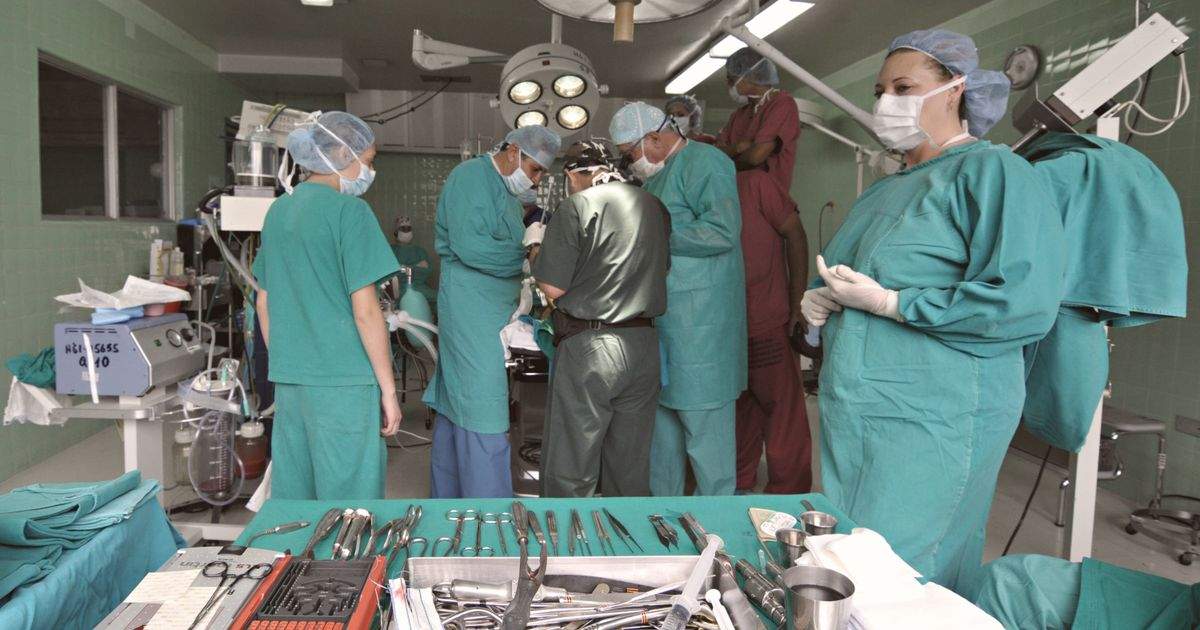
What is lymphadenectomy?
The lymphatic system is a network of fine channels and small bean-shaped glands called lymph nodes. It carries a clear fluid called lymph from the tissues back to the bloodstream and helps the body fight infection. Each organ drains to its own nearby group of nodes. Cancer cells that break away from a tumour often travel along these channels and settle first in those nodes.
In a lymphadenectomy the surgeon removes the nodes that drain the cancer, together with the fatty tissue around them, in one block. A pathologist examines every node under the microscope. The report states how many nodes were removed and how many contain cancer, which is a key part of the cancer stage.
Other names for lymphadenectomy
- Kala-baxa qanjidhada lymph
- Lymph node removal or lymph node clearance
- Kala-baxa qanjidhada gobolka
- Nodal dissection
- Region names such as neck dissection, axillary dissection, pelvic lymph node dissection, retroperitoneal lymph node dissection (RPLND) and inguinal (groin) dissection
Why is lymphadenectomy done?
- Diyaarinta: Knowing whether nodes are involved, and how many, helps the team decide whether treatments such as chemotherapy, daaweynta shucaaca, daaweynta la beegsaday or immunotherapy are needed after surgery.
- Daaweynta: Removing nodes that contain cancer lowers the chance of the disease returning in that region and, in some cancers, improves the chance of cure.
- Nasinta calaamadaha: Occasionally, enlarged nodes that cause pain or pressure are removed for comfort.
Lymphadenectomy is used for solid tumours. It is generally not a treatment for qanjiro, a cancer that starts in the lymphatic system itself, where a single node is usually removed only for diagnosis and treatment is mainly with medicines.
Types of lymphadenectomy by body region
| Gobolka | Usual name | Cancers where it is commonly used | Side effects specific to the region |
|---|---|---|---|
| Neck | Qoorta kala goynta | Mouth, throat and voice box cancers, kansarka tayroodh, skin cancers of the head and neck | Shoulder stiffness or weakness, neck numbness, leakage of lymph fluid |
| Kilkilaha | Kala-baxa qanjidhada axillary | Kansarka naasaha, melanoma of the arm or trunk | Arm lymphoedema, numbness of the inner arm, shoulder stiffness |
| Laab | Mediastinal lymph node dissection | Kansarka sanbabada, cancer of the food pipe | Hoarse voice, leakage of lymph fluid into the chest |
| Upper abdomen and bowel | Regional or D2 dissection, mesenteric dissection | Kansarka caloosha, pancreatic cancer, kansarka mindhicirka and rectal cancer | Usually few beyond those of the main operation |
| Back of the abdomen | Kala-baxa qanjidhada retroperitoneal | Kansarka qanjidhada, some kidney and gynaecological cancers | Change in ejaculation that can affect fertility, lymph fluid collection |
| miskaha | Kala goynta qanjidhada miskaha | Prostate, bladder, ilma-galeenka iyo endometrial Kansarka | Lymph fluid collection (lymphocele), leg swelling |
| Gumaarka | Inguinal or ilio-inguinal dissection | Kansarka guska, kansarka xubinta taranka dumarka, melanoma of the leg | Slow wound healing, wound infection, leg lymphoedema |
How much is removed
- biopsy Sentinel lymph node: Only the first one to a few nodes that drain the tumour are found with a dye or tracer and removed. If they are clear, a full dissection can often be avoided. It is standard in early breast cancer and melanoma and is used in some other cancers.
- Selective or limited dissection: Only the node groups most likely to be involved are removed, and nearby nerves, muscles and vessels are kept.
- Complete or radical dissection: All node groups in the region are removed. This is used when nodes are clearly involved.
Open and keyhole approaches
Neck, armpit and groin dissections are usually open operations. Nodes in the chest, abdomen and pelvis can often be removed by keyhole or robot-assisted surgery through small cuts, as part of the main cancer operation. The choice depends on the cancer, your earlier surgery and the surgeon's judgement.
Yaa ku habboon, yaase laga yaabaa inaanu ku habboonayn?
Lymphadenectomy may be advised if you have a solid cancer in which node removal is a standard part of treatment, if scans or a needle test show cancer in regional nodes, or if a sentinel node contains cancer and further clearance is expected to help.
Laguma talin karo haddii:
- The cancer is very early and the risk of node spread is low
- A sentinel node biopsy has shown clear nodes
- The cancer has already spread widely, so that removing regional nodes would add risk without benefit
- Radiotherapy or medicines can treat the nodes equally well with fewer side effects
- Your general health makes a longer operation unsafe
Sida loo diyaariyo
imtixaanada
- Scans to map the tumour and nodes, such as an ultrasound, a CT scan, ah MRI ama a Baaritaanka PET-CT
- Irbad biopsy of a suspicious node in some cases
- Blood tests, heart and lung checks, and a pre-anaesthetic assessment
Daawooyinka laga wada hadlayo
Give your doctor a full list of your medicines and supplements. Blood thinners and some diabetes medicines may need to be paused or adjusted. Do not stop anything without advice.
Maalinta
- Follow the fasting instructions you are given
- Stop smoking as early as you can before surgery, as it slows healing
- Men having retroperitoneal surgery who wish to have children can ask about sperm banking beforehand
- Arrange for someone to accompany you home
How is lymphadenectomy performed?
- Suuxinta: You receive general anaesthesia and are positioned according to the region to be operated on.
- Helitaanka: The surgeon makes an open incision over the region or places small ports for keyhole or robot-assisted instruments.
- Identifying structures: Major blood vessels and nerves that run through the node-bearing tissue are identified and protected.
- Removing the nodes: The fatty tissue containing the nodes is separated and removed in one piece. Small lymph channels and vessels are sealed or tied.
- Main tumour surgery: When planned, the main tumour is removed in the same operation, before or after the nodes.
- Dheecaan: A soft tube is often left in place to carry away fluid for a few days.
- xiritaanka: The wound is closed and dressed, and the tissue is sent to the laboratory.
Maxaa dhacaya ka dib?
You are monitored in the recovery area and then moved to the ward. Pain relief is given regularly. You are encouraged to sit up and walk early to lower the risk of blood clots and chest infection. If you have a drain, nurses measure the fluid each day, and it is removed when the amount falls. The pathology report is usually ready within one to two weeks and is discussed at a follow-up visit, when further treatment is planned.
Khatarta iyo dhibaatooyinka
Caan ka badan
- Fluid collecting under the wound (seroma) or in the pelvis (lymphocele)
- Numbness or tingling of the skin near the scar
- Stiffness of the nearby shoulder or hip
- Wound infection or slow healing, especially in the groin
- Lymphoedema: swelling of the arm, leg, neck, breast or genital area that can begin months or years later
Waxyaabaha aan caadi ahayn
- Bleeding that needs a return to theatre
- Injury to a nearby nerve, causing weakness, for example of the shoulder after neck surgery
- Leakage of milky lymph fluid (chyle leak) after neck, chest or abdominal dissections
- Dry or backward ejaculation after retroperitoneal dissection. Nerve-sparing techniques reduce this risk.
- Xinjiro dhiig oo lugaha ku jira (xididdada dhiigga oo si qoto dheer u socota) or lungs, and the general risks of anaesthesia
The risk of lymphoedema is higher when more nodes are removed, when the same area also receives radiotherapy, and in people who are overweight. It cannot always be prevented, but early treatment usually keeps it under control.
Natiijooyinka: sidee ayay u shaqeysaa?
Lymphadenectomy gives the most accurate information available about node involvement, and this guides the rest of the treatment. Its effect on cure differs between cancers. In some, such as testicular cancer and cancers of the head and neck, removing involved nodes is an established part of curative treatment. In others, such as early breast cancer and melanoma, research has shown that routine complete dissection after limited sentinel node involvement does not always improve survival, so it is now used more selectively. Your surgeon can explain what is known for your type of cancer.
Recovery
- Joogitaanka isbitaalka: One to three days after neck, armpit or groin dissection alone. Longer when it is part of a major chest or abdominal operation.
- Labada toddobaad ee ugu horreeya: Wound and drain care, short walks and the exercises taught by the physiotherapist.
- Two to six weeks: Gradual return to daily activities and light work. Avoid heavy lifting until your surgeon agrees.
- Longer term: Follow-up visits, any further cancer treatment, and regular checks for swelling.
Goorta la raadinayo caawimaad caafimaad
- Qandho ama dhaxan
- Redness, warmth, increasing pain or discharge at the wound
- A sudden increase in drain fluid, or milky or bright red fluid
- New swelling, heaviness or tightness of a limb
- A red, hot area of skin on the limb, which may be cellulitis
- Xanuunka kubka, xanuunka laabta ama neefta oo ku qabata
Life after lymphadenectomy
- Fir fircoonow: Regular exercise helps lymph flow and joint movement. Build up gradually.
- Ka ilaali maqaarka: Keep the skin of the affected limb clean and moisturised, and treat cuts, insect bites and fungal infections early.
- Ilaali miisaanka caafimaadka qaba: This lowers the risk of lymphoedema.
- Report swelling early: Compression garments, bandaging, special massage and exercise work better when started early. For selected people with persistent swelling, lymphoedema surgery waxay noqon kartaa ikhtiyaar.
- Ballanqaadyada la socoshada: These check for recurrence and for late effects of treatment.
Faa'iidooyinka
- Accurate staging, so that further treatment is neither too little nor too much
- Removal of cancer in the regional nodes
- Lower chance of the cancer returning in that region
- In some cancers, a better chance of cure
What is the cost of lymphadenectomy in India?
Qiimaha ayaa ku xiran:
- The body region and the extent of the dissection
- Whether it is combined with removal of the main tumour
- Open, laparoscopic or robot-assisted approach
- Scans, pathology and other tests
- Room category, length of stay and any intensive care needed
- Physiotherapy, compression garments and follow-up
Kharashku wuu kala duwan yahay qof ilaa qof. Fadlan la xiriir isbitaalka si aad u ogaato qiimaha dhabta ah.
Health insurance usually covers medically necessary cancer surgery, but check the terms of your policy with your insurer.
Why choose Apollo Hospitals for lymphadenectomy?
- Surgical oncologists and organ-specific cancer surgeons who perform node dissections in different body regions
- Tumour board discussion, so that surgery, radiotherapy and medical treatment are planned together
- Imaging and pathology services within the hospital network to support staging
- Physiotherapy and rehabilitation support after surgery
- Keyhole and robot-assisted surgery and dedicated lymphoedema services are not offered at every hospital. Availability differs between centres. Please check with the hospital.
To discuss your reports and options, you can book an appointment with a cancer specialist Isbitaalada Apollo.
Akhriska la xidhiidha
Questions to ask your doctor about lymphadenectomy
- Which group of lymph nodes do you plan to remove, and why?
- Is a sentinel node biopsy an option in my case?
- Will the nodes be removed in the same operation as the main tumour?
- Will the surgery be open, keyhole or robot-assisted?
- What side effects are specific to the region being operated on?
- What is my risk of lymphoedema, and how can I lower it?
- When will the pathology report be ready, and how could it change my treatment?
- Goormaan ku laaban karaa shaqada iyo dhaqdhaqaaqa caadiga ah?
FAQs
1. Are lymphadenectomy and lymph node dissection the same thing?
Yes. Both terms mean surgical removal of a group of lymph nodes from one region of the body.
2. How is it different from a lymph node biopsy?
A biopsy removes one node, or a sample of it, to make a diagnosis. A lymphadenectomy removes the whole group of nodes in a region to stage and treat a known cancer.
3. How many lymph nodes are removed?
It depends on the region and on the person. The surgeon removes the node-bearing tissue, and the pathologist counts the nodes afterwards. For some cancers there is a minimum number that should be examined for accurate staging.
4. Can I live normally without these lymph nodes?
Yes. The body has hundreds of lymph nodes, and the remaining ones continue to work. The main effect of removing a group is on fluid drainage from that region, which is why swelling can occur.
5. Does removing lymph nodes weaken immunity?
Removing one regional group does not noticeably weaken the body's overall defence against infection. The skin of the affected limb can be more prone to local infection, so skin care matters.
6. Does a positive lymph node mean the cancer cannot be cured?
No. Many cancers with node involvement are treated with the aim of cure, usually by combining surgery with other treatments. Node involvement does mean the stage is higher, and your doctor will explain what that means for you.
7. What is lymphoedema and when does it appear?
Lymphoedema is long-term swelling caused by a build-up of lymph fluid after nodes are removed or irradiated. It can appear within months or many years later. Early treatment gives the best control.
8. Is the operation painful?
You will be asleep during surgery. Afterwards, pain is usually moderate and is managed with regular pain relief. Numbness near the scar is common and may be lasting.
9. Intee in le'eg ayuu qalliinku qaadanayaa?
It ranges from about an hour for a limited dissection to several hours when it is part of a larger cancer operation. Your surgeon can give an estimate for your case.
10. Will I have a drain?
Often, yes, particularly after neck, armpit and groin dissections. It stays for a few days to about two weeks, until the fluid reduces.
11. Can lymph nodes be removed by keyhole or robotic surgery?
Nodes in the chest, abdomen and pelvis are often removed this way as part of the main operation. Neck, armpit and groin dissections are usually open. Not every centre offers every approach.
12. Will I need more treatment after lymphadenectomy?
That depends on the pathology report. If nodes contain cancer, chemotherapy, radiotherapy or other treatment is often advised.
13. Do lymph nodes grow back?
No. Removed nodes do not regrow, but nearby lymph channels can take over some of the drainage with time.
14. Which doctor performs lymphadenectomy?
A surgical oncologist or a cancer surgeon who specialises in the organ involved, such as a head and neck, breast, thoracic, gastrointestinal, urological or gynaecological cancer surgeon.
Ugu Dambeyn
Lymphadenectomy is a standard part of surgery for many solid cancers. It tells the team how far the disease has spread and removes involved nodes, but it carries region-specific side effects and a lasting risk of lymphoedema. Surgeons now remove fewer nodes when it is safe to do so. Ask your surgeon which nodes will be removed, why, and how the result will shape your treatment.
Boggan waxaa loogu talagalay macluumaad guud mana beddelayo talada dhakhtarkaaga. Go'aannada daaweynta waa in lala sameeyo khabiir aqoon u leh oo yaqaan taariikhdaada caafimaad.
Dhawaan ayaa lagu daray


Khabiirada Kansarka ee Isbitaalada Apollo




Afeef:
Macluumaadka ku jira boggan waxaa loogu talagalay ujeeddooyin macluumaad guud iyo waxbarasho oo keliya. In kasta oo aan sameyno dadaallo macquul ah si aan u hubinno in macluumaadka uu sax yahay, la isku halleyn karo, oo si joogto ah loo eego, waa in aan loo tixgelin inay tahay beddel talo caafimaad oo xirfad leh, ogaanshaha, ama daaweynta.
Ku habboonaanta habraac caafimaad, oo ay weheliso faa'iidooyinkiisa, khatarihiisa, diyaargarowgiisa, soo kabashada, dhibaatooyinka iman kara, iyo natiijooyinka la filayo, way kala duwanaan karaan qof ilaa qof. Xirfadlahaaga daryeelka caafimaad ayaa go'aamin doona in habraacu ku habboon yahay iyadoo lagu saleynayo xaaladdaada shaqsiyeed iyo taariikhdaada caafimaad.
Fadlan la tasho xirfadle daryeel caafimaad oo aqoon u leh si aad u hesho talo shaqsiyeed ka hor intaadan go'aan ka gaarin habraac kasta oo caafimaad.
Wixii macluumaad dheeraad ah oo ku saabsan sida macluumaadka caafimaad ee aan ka helno loo abuuro, loo eego, loo cusbooneysiiyo, loona ilaaliyo, fadlan akhri [Siyaasadda Tifaftirka].




