


Waxaa dib u eegay Kooxda Tifaftirka Apollo
Jawaab degdeg ah
A fasciotomy is an operation in which a surgeon cuts open the tough covering (fascia) around a group of muscles to release dangerous pressure. It is the main treatment for acute compartment syndrome, a surgical emergency that most often follows a fracture or crush injury. Without quick surgery, muscles and nerves can be permanently damaged within hours. A planned fasciotomy is also done for some athletes with long-standing exercise-related compartment syndrome.
| Xaqiiqooyinka muhiimka ah | Details |
|---|---|
| Waa maxay | Surgical opening of the fascia to relieve pressure inside a muscle compartment |
| Sababta ugu weyn | Acute compartment syndrome of the leg, forearm, thigh, foot or hand |
| Doonista | Emergency in acute cases; planned surgery in chronic exertional cases |
| Suuxinta | Badanaa suuxdinta guud ama laf-dhabarta |
| Daryeelidda boogta | In emergencies the wounds are usually left open at first and closed or skin grafted some days later |
| Joogitaanka isbitaalka | Several days to a few weeks for acute cases; often day care or one night for planned cases |
| Recovery | Weeks to months, depending on the injury and how early the pressure was released |
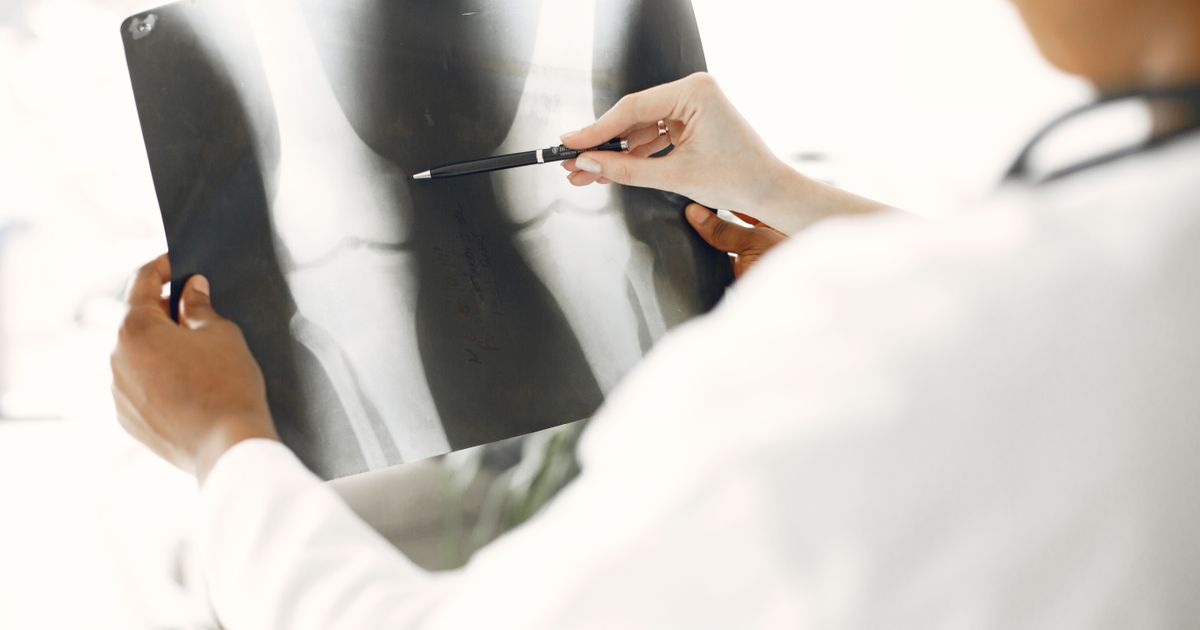
Waa maxay fasciotomy?
The muscles of the arms and legs are arranged in groups called compartments. Each compartment is wrapped in fascia, a strong sheet of tissue that does not stretch. If swelling or bleeding occurs inside a compartment, the pressure rises because the fascia cannot expand. When the pressure becomes too high, blood can no longer reach the muscles and nerves inside. This is called cilladda qaybta.
In a fasciotomy the surgeon makes long cuts through the skin and the fascia so that the swollen muscle has room to expand. The pressure falls and blood flow returns. The operation does not repair the original injury. It protects the muscles and nerves from further damage while the injury is treated.
Other names for fasciotomy
- Compartment release surgery
- Fascial release
- Decompressive fasciotomy
- Compartment decompression
- Four compartment fasciotomy (for the lower leg)
Why is a fasciotomy done?
Acute compartment syndrome: a surgical emergency
Acute compartment syndrome develops over hours. Muscle and nerve tissue that is starved of blood begins to die, and the damage can become permanent within a few hours. For this reason, doctors do not wait and watch once the diagnosis is made. Fasciotomy is done as soon as possible, at any time of day or night.
Sababaha caamka ah waxaa ka mid ah:
- Jajabka, especially of the shin bone and the forearm.
- Crush injuries, for example in road accidents or when a limb is trapped for a long time.
- Tight plaster casts, splints or bandages.
- Deep gubasho that go around a limb.
- Return of blood flow after an artery has been blocked or repaired.
- Bleeding into a muscle, particularly in people who take blood thinners or have a bleeding disorder.
- Lying on a limb for many hours while unconscious.
Warning signs of acute compartment syndrome
- Severe pain that is much worse than expected for the injury and keeps increasing.
- Pain that is not relieved by the usual pain medicines or by raising the limb.
- Sharp pain when the fingers or toes are gently stretched.
- A limb that feels tight, hard and swollen.
- Tingling, pins and needles or numbness.
- Weakness, or paleness and coolness of the limb. These are late signs.
If you have these symptoms after an injury, an operation or a new plaster cast, go to an emergency department straight away. Do not wait for a routine appointment.
Qaybta jimicsiga ee joogtada ah
Some runners and other athletes develop pain, tightness or numbness in the lower leg during exercise that settles with rest. This is not an emergency. A planned fasciotomy may be offered if symptoms continue despite changes in training, footwear and physiotherapy, and if tests support the diagnosis.
Types of fasciotomy
| feature | Emergency fasciotomy | Planned fasciotomy |
|---|---|---|
| Sababta | Cudurka qaybta ba'an | Qaybta jimicsiga ee joogtada ah |
| waqtiga | Isla markiiba ka dib ogaanshaha | Scheduled after other measures have failed |
| Jeexdin | Long, to fully open every affected compartment | Smaller, sometimes with a camera-assisted technique |
| Dhaawac | Usually left open and closed later | Usually closed at the same operation |
| Joogitaanka isbitaalka | Maalmo ilaa toddobaadyo | Day care or a short stay |
Fasciotomy is also described by the part of the body treated:
- Lower leg. The most common site. All four compartments are usually released through two incisions, one on the outer side and one on the inner side.
- Gacanta hore. Incisions on the palm side and sometimes the back of the forearm, often extended into the wrist.
- Thigh, foot, hand, buttock or upper arm. Less common, but the principle is the same.
Pressure inside the abdomen is a different condition. See xanuunka qaybta caloosha.
Who is suitable for a fasciotomy?
- Anyone with acute compartment syndrome diagnosed by examination, with or without pressure measurement.
- People at very high risk in whom the surgeon decides to release the compartments at the same time as another operation, for example after repair of a blocked artery.
- People with proven chronic exertional compartment syndrome whose symptoms limit activity despite non-surgical care.
Yaa laga yaabo inaysan ku habboonayn
In an emergency there are very few reasons not to operate. The main exception is when the diagnosis has been missed for a long time and the muscle is already dead. Opening the compartment at that late stage may add a high risk of infection without saving the muscle, so the surgeon may advise other treatment. For planned surgery, a fasciotomy is not advised when the leg pain has another cause, such as a stress fracture, nerve entrapment or narrowed arteries.
How to prepare for a fasciotomy
Xaalad degdeg ah
There is little time to prepare. The team will remove or split any cast or tight dressing, keep the limb at the level of the heart, give oxygen, fluids and pain relief, and take you to the operating room. The diagnosis is based mainly on your symptoms and the examination. In people who are unconscious or cannot describe pain, a needle device may be used to measure compartment pressure.
Tests that may be done without delaying surgery include an Raajo of the injured limb, a tirinta dhiigga oo dhameystiran, clotting tests, baaritaanka shaqada kelyaha iyo creatine kinase, which rises when muscle is damaged. Tell the team when you last ate, which medicines you take (especially blood thinners) and whether you have any allergies.
For planned surgery
- Compartment pressure testing before and after exercise, and sometimes an Sawirka MRI or Doppler ultrasound si meesha looga saaro sababaha kale.
- Routine blood tests and a pre-anaesthetic check-up.
- A review of your regular medicines. Do not stop any medicine unless your doctor tells you to.
- Fasting as instructed, and arranging for someone to take you home.
How is a fasciotomy performed?
- Suuxdinta. You receive general or spinal anaesthesia. Read about noocyada suuxinta.
- Cleaning and draping. The whole limb is cleaned and covered with sterile sheets. Antibiotics are usually given.
- Skin incisions. The surgeon makes one or two long cuts along the limb over the affected compartments.
- Opening the fascia. The fascia of every affected compartment is cut along its length. The muscle bulges out as the pressure is released.
- Checking the muscle. The surgeon checks the colour of the muscle, whether it bleeds and whether it contracts. Muscle that is clearly dead is removed to prevent infection.
- Daawaynta sababta. If needed, a fracture is stabilised or a blood vessel is repaired during the same operation.
- Dharka la xidho. In emergency cases the skin is not stitched, because the muscle is too swollen. The wounds are covered with sterile dressings or a suction (negative pressure) dressing.
- Second look and closure. You usually return to the operating room after about two to three days so that the wounds can be checked. They are closed in stages as the swelling settles, or covered with a maqaar jabinta maqaarka if the edges cannot be brought together.
In a planned fasciotomy the cuts are shorter and the skin is usually closed straight away.
Maxaa dhacaya ka dib?
After an emergency fasciotomy you are monitored closely. Nurses check the colour, warmth, feeling and movement of the fingers or toes at regular intervals. The limb is raised to about heart level. You receive pain relief, fluids and antibiotics as needed, and blood and urine tests are repeated to watch the kidneys. Severe muscle damage releases substances into the blood that can harm the kidneys. See rhabdomyolysis.
A physiotherapist starts gentle movement of nearby joints early to prevent stiffness. A splint may be used to keep the ankle or wrist in a good position. Further operations for wound closure are common and are part of the normal plan.
Khatarta iyo dhibaatooyinka
The risks of a fasciotomy are generally much smaller than the risk of leaving acute compartment syndrome untreated.
Caan ka badan
- Large scars, and the need for a skin graft in some people.
- Pain, swelling and altered feeling around the wound.
- Wound infection or slow healing.
- The need for more than one operation.
Waxyaabaha aan caadi ahayn
- Injury to a skin nerve, causing a patch of numbness or a sensitive scar.
- Bleeding or a collection of blood under the skin.
- Incomplete release, with symptoms continuing or returning.
- Muscle bulging through the fascia, long-term swelling or weakness.
- Blood clots such as xididdada dhiigga oo si qoto dheer u socota.
Problems caused by delayed treatment
These are due to the compartment syndrome and not the operation: permanent muscle loss, stiff and shortened muscles, nerve damage such as cagaha hoos u dhaca, kidney injury that may need dialysis, severe infection and, in the worst cases, amputation.
Natiijooyinka: sidee ayay u shaqeysaa?
Timing matters most. When the pressure is released early, most people keep their muscles and nerves and return to normal or near-normal function. When treatment is delayed, some permanent weakness, numbness or stiffness is more likely, even after a technically sound operation. Surgery cannot reverse damage that has already happened.
For chronic exertional compartment syndrome, many people get good relief and return to sport, but results vary between compartments and symptoms return in some people.
Recovery after a fasciotomy
- In hospital. Wound checks, dressing changes and staged closure usually take one to two weeks, and longer after severe injuries.
- First weeks at home. Keep the limb raised when resting, look after the wound or graft as shown, and do the exercises you have been taught. Walking aids may be needed.
- Following months. Strength and stamina are rebuilt with physiotherapy. Return to work depends on your job and on the original injury, such as a fracture.
- Planned fasciotomy. Walking usually starts within days, with a gradual return to running and sport over several weeks as advised.
Goorta la raadinayo caawimaad caafimaad
- Increasing pain, tightness or swelling in the limb.
- New numbness, tingling, weakness or a cold, pale foot or hand.
- Fever, or redness, pus or a bad smell from the wound. Read about cellulitis.
- Dhiigbax ku dhex milma marada.
- Dark, cola-coloured urine or passing very little urine.
- Calf pain, chest pain or breathlessness.
Life after a fasciotomy
- Protect healing skin and grafts from the sun and from knocks.
- Keep up stretching and strengthening exercises to prevent stiffness.
- Return to sport step by step, and stop if the old symptoms return.
- Attend all follow-up visits, especially if you also had a fracture fixed.
Benefits of a fasciotomy
- Restores blood flow to muscles and nerves under pressure.
- Can prevent permanent disability and loss of the limb when done in time.
- Lowers the risk of kidney damage from dying muscle.
- In chronic cases, may allow a return to exercise without pain.
What is the cost of a fasciotomy in India?
Qiimaha ayaa ku xiran:
- Whether it is an emergency or a planned operation.
- The limb and the number of compartments released.
- The number of operations needed, including wound closure or skin grafting.
- Treatment of the underlying injury, such as fracture fixation or blood vessel repair.
- Length of stay, intensive care and any dialysis.
- The city, hospital, room category, dressings and physiotherapy.
Kharashku wuu kala duwan yahay qof ilaa qof. Fadlan la xiriir isbitaalka si aad u ogaato qiimaha dhabta ah.
Emergency surgery after an accident is usually covered by health insurance, subject to your policy terms.
Why choose Apollo Hospitals for a fasciotomy?
- Emergency departments that receive patients with fractures and crush injuries at any hour.
- Orthopaedic, vascular, plastic surgery and anaesthesia teams who can work together on complex limb injuries.
- Intensive care and kidney support for patients with severe muscle damage.
- Wound care, skin grafting and physiotherapy services for recovery.
If you suspect acute compartment syndrome, go to the nearest emergency department. For exercise-related leg pain or follow-up after an injury, you can Ballan ka qabso dhakhtarka lafaha at Apollo Hospitals in cities such as Hyderabad, Chennai iyo Delhi.
Akhriska la xidhiidha
Questions to ask your doctor about a fasciotomy
- Which compartments were released, and was the muscle healthy?
- How many more operations am I likely to need?
- Will my wound be stitched or will I need a skin graft?
- Is there any sign of nerve or kidney damage?
- When can I put weight on the leg or use the arm?
- What exercises should I do, and how often?
- What symptoms mean I should come back urgently?
- For planned surgery: what other causes of my leg pain have been ruled out, and what are the chances that symptoms return?
FAQs
1. Is a fasciotomy an emergency operation?
For acute compartment syndrome, yes. It should be done as soon as the diagnosis is made, because muscle and nerve damage becomes permanent within hours. For chronic exertional compartment syndrome it is a planned operation.
2. How quickly must acute compartment syndrome be treated?
As quickly as possible. There is no safe waiting period. The longer the pressure stays high, the greater the chance of permanent damage, so surgeons aim to operate within a few hours of symptoms starting.
3. Cudurka qaybta ma la daweyn karaa iyada oo aan qalliin lagu samayn?
Acute compartment syndrome cannot. Removing a tight cast and keeping the limb at heart level are first steps, but if the signs persist, surgery is needed. Chronic exertional compartment syndrome is first managed with training changes and physiotherapy.
4. Why is the wound left open?
The muscle swells further once it is released. Stitching the skin straight away could bring the pressure back. The wound is covered with a sterile or suction dressing and closed when the swelling has gone down.
5. How long does a fasciotomy wound take to close?
Many wounds are closed within one to two weeks, in one or more stages. If the skin cannot be brought together, a skin graft is used, and this takes a further few weeks to heal fully.
6. Will I have a large scar?
After an emergency fasciotomy, yes. The cuts need to be long to release the pressure fully. Scars fade over time.
7. Is a fasciotomy painful?
The operation is done under anaesthesia. Afterwards, many people notice that the severe pressure pain has eased, although the wounds are sore and dressing changes can be uncomfortable. Pain relief is given regularly.
8. Can I walk after a leg fasciotomy?
This depends on the injury. After a planned fasciotomy, most people walk within days. After an emergency fasciotomy with a fracture, weight bearing is guided by the fracture treatment and may be delayed.
9. Will my muscles and nerves recover fully?
If the pressure was released early, recovery is usually good. If treatment was delayed, some weakness, numbness or stiffness may remain. Your surgeon can tell you what the muscle looked like at operation.
10. Can compartment syndrome come back?
After a full release, acute compartment syndrome rarely returns in the same compartment. In chronic exertional cases, symptoms return in some people, sometimes because scar tissue forms or a compartment was not fully released.
11. Sidee loo ogaadaa cilladda qaybta?
Mainly from the symptoms and an examination. Pain that is out of proportion and pain on stretching the muscles are key signs. A pressure-measuring needle helps in unclear cases. Scans are not relied upon in an emergency.
12. Can a plaster cast cause compartment syndrome?
A tight cast can contribute. If pain keeps increasing under a new cast, or your fingers or toes become numb, swollen or pale, return to hospital immediately so that the cast can be split and the limb examined.
13. Is a fasciotomy the same as an escharotomy?
No. An escharotomy cuts through stiff burnt skin that is squeezing a limb or the chest. A fasciotomy goes deeper and opens the fascia around the muscle. Some people with deep burns need both.
14. Which doctor performs a fasciotomy?
Emergency fasciotomy is usually performed by an orthopaedic or trauma surgeon. Vascular, plastic and general surgeons also perform it, depending on the cause. Planned fasciotomy is usually done by an orthopaedic or sports surgeon.
Ugu Dambeyn
A fasciotomy relieves dangerous pressure inside a muscle compartment and is the standard emergency treatment for acute compartment syndrome. Its success depends mostly on speed, so increasing pain, tightness and numbness after an injury or under a cast should never be ignored. The wounds are large and often need staged closure, but this is a reasonable price for saving muscle, nerve and limb. For exercise-related compartment syndrome, a planned fasciotomy is an option once simpler measures have been tried.
Boggan waxaa loogu talagalay macluumaad guud mana beddelayo talada dhakhtarkaaga. Go'aannada daaweynta waa in lala sameeyo khabiir aqoon u leh oo yaqaan taariikhdaada caafimaad.
Dhawaan ayaa lagu daray


Dhakhaatiirta Qalliinka Lafaha ee Isbitaallada Apollo




Afeef:
Macluumaadka ku jira boggan waxaa loogu talagalay ujeeddooyin macluumaad guud iyo waxbarasho oo keliya. In kasta oo aan sameyno dadaallo macquul ah si aan u hubinno in macluumaadka uu sax yahay, la isku halleyn karo, oo si joogto ah loo eego, waa in aan loo tixgelin inay tahay beddel talo caafimaad oo xirfad leh, ogaanshaha, ama daaweynta.
Ku habboonaanta habraac caafimaad, oo ay weheliso faa'iidooyinkiisa, khatarihiisa, diyaargarowgiisa, soo kabashada, dhibaatooyinka iman kara, iyo natiijooyinka la filayo, way kala duwanaan karaan qof ilaa qof. Xirfadlahaaga daryeelka caafimaad ayaa go'aamin doona in habraacu ku habboon yahay iyadoo lagu saleynayo xaaladdaada shaqsiyeed iyo taariikhdaada caafimaad.
Fadlan la tasho xirfadle daryeel caafimaad oo aqoon u leh si aad u hesho talo shaqsiyeed ka hor intaadan go'aan ka gaarin habraac kasta oo caafimaad.
Wixii macluumaad dheeraad ah oo ku saabsan sida macluumaadka caafimaad ee aan ka helno loo abuuro, loo eego, loo cusbooneysiiyo, loona ilaaliyo, fadlan akhri [Siyaasadda Tifaftirka].




