


تمت المراجعة بواسطة فريق التحرير في أبولو
جواب سريع
Salpingostomy is an operation in which a surgeon makes a small opening in a fallopian tube while leaving the tube in place. It is done for two main reasons: to remove an ectopic pregnancy that has implanted in the tube, or to open a tube that is blocked at its far end so that an egg may be able to enter it again. It is usually performed by keyhole (laparoscopic) surgery under general anaesthesia. Whether it is the right choice depends on how damaged the tube is, the condition of the other tube and your plans for pregnancy.
| مفتاح الحقائق | تفاصيل |
|---|---|
| ما هو عليه | A surgical opening made in the fallopian tube, with the tube preserved |
| الأسباب الأساسية | Tubal ectopic pregnancy; blockage at the outer end of the tube (including some cases of hydrosalpinx) |
| النهج المعتاد | Laparoscopy (keyhole surgery); open surgery in selected or emergency situations |
| التخدير | التخدير العام |
| الإقامة في المستشفى | Often same day or one night after keyhole surgery; longer after open surgery |
| متابعة | After ectopic pregnancy, repeat blood pregnancy hormone tests until the level returns to non-pregnant |
| الحدود الرئيسية | Does not guarantee pregnancy; the risk of a future ectopic pregnancy is higher than average |
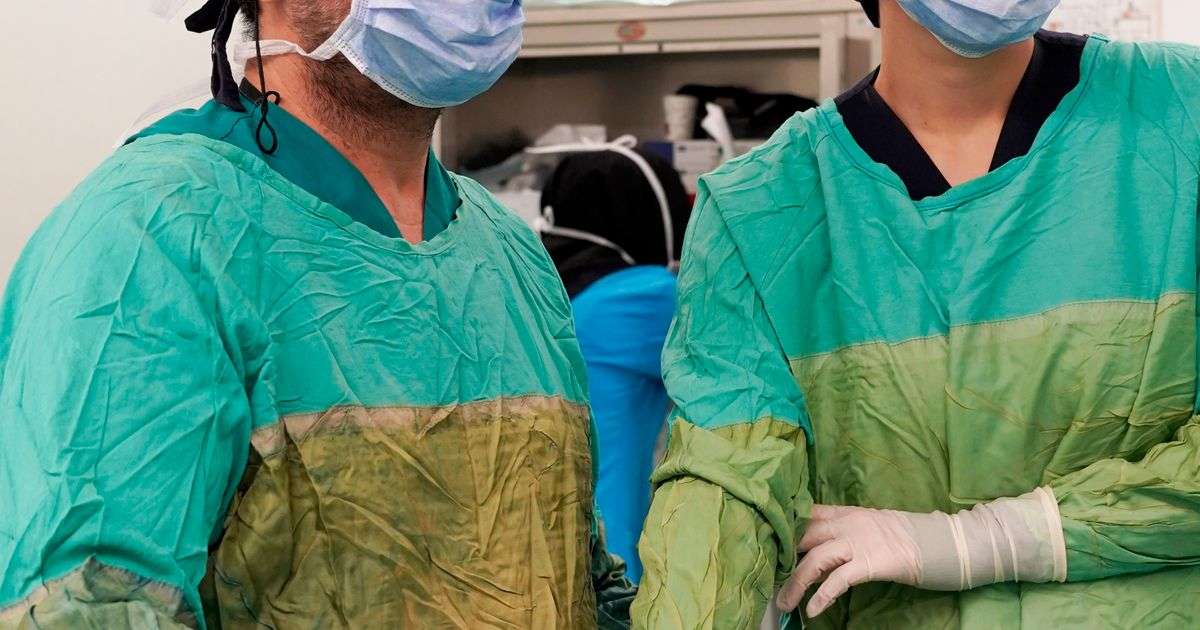
What is salpingostomy?
The fallopian tubes are two narrow tubes that connect the ovaries to the womb. Each month an egg is picked up by the finger-like end of a tube (the fimbriae), and fertilisation normally happens inside the tube. The fertilised egg then travels to the womb.
In a salpingostomy, the surgeon makes an opening in the wall or at the end of a fallopian tube. The tube itself is not removed. This is the main difference from a استئصال البوق, in which the whole tube is taken out.
Other names for salpingostomy
- Linear salpingostomy (for ectopic pregnancy)
- Neosalpingostomy (creating a new opening in a blocked tube)
- Tube-preserving surgery or conservative tubal surgery
- Salpingotomy (a closely related term that is often used to mean the same thing)
Why is salpingostomy done?
Ectopic pregnancy in the fallopian tube
An ectopic pregnancy is one that implants outside the cavity of the womb, most often in a fallopian tube. It cannot continue as a normal pregnancy, and as it grows it can stretch and tear the tube, causing internal bleeding. Treatment is therefore needed in most cases. The options are careful observation in selected early cases, an injection medicine that stops the pregnancy tissue from growing, or surgery.
When surgery is chosen, the surgeon either removes the tube or opens it and removes only the pregnancy tissue. Salpingostomy is considered mainly when the other tube is absent, blocked or damaged, because keeping the affected tube may then matter more for future natural conception.
سد فالوب أنابيب
Tubes can be blocked at the outer end after مرض التهاب الحوض, الأمراض المنقولة جنسيا, بطانة الرحم, a burst appendix or earlier pelvic surgery. When the sealed tube fills with fluid it is called a Hydrosalpinx. A blocked tube prevents the egg and sperm from meeting and is a common cause of العقم عند النساء.
Neosalpingostomy opens the sealed end and folds the edges back so that it stays open. It is offered mainly to women with mild tubal damage who wish to try for a natural pregnancy. When the tube is badly damaged, the chance of success is low, and doctors usually advise في الإخصاب في المختبر (أطفال الأنابيب) instead, often after removing or disconnecting the damaged tube.
Types and methods of salpingostomy
- Linear salpingostomy: a short lengthwise cut over the ectopic pregnancy. The tissue is gently removed and the cut is usually left to heal on its own.
- Neosalpingostomy: a new opening made at the blocked outer end of the tube.
- النهج التنظيري: a camera and fine instruments are passed through small cuts in the abdomen. This is the usual method. You can read more about جراحة المناظير.
- Open approach (laparotomy): a larger cut in the lower abdomen, used when there is heavy internal bleeding, extensive scar tissue or when keyhole surgery is not safe.
Salpingostomy compared with salpingectomy for ectopic pregnancy
| البوينت | فغر البوق | استئصال البوق |
|---|---|---|
| ما تم إنجازه | Tube opened, pregnancy tissue removed, tube kept | Affected tube removed |
| When usually preferred | Other tube absent or damaged and future natural pregnancy is wanted | Other tube looks healthy, tube is ruptured or badly damaged, or bleeding cannot be controlled |
| Pregnancy tissue left behind | Possible, so blood tests are needed afterwards | بعيد |
When the other tube is healthy, research suggests that the chance of a later pregnancy in the womb is broadly similar after either operation. This is why many surgeons advise removing the tube in that situation.
Who is suitable for salpingostomy?
You may be suitable if:
- You have a tubal ectopic pregnancy that has not ruptured, your condition is stable and you wish to keep the tube.
- Your other tube has been removed or is known to be damaged.
- You have a blockage at the outer end of the tube with a thin-walled tube and a healthy inner lining, and you want to try to conceive naturally.
- Other fertility factors, such as egg supply and your partner's semen test, are acceptable.
من قد لا يكون مناسباً
- Women with a ruptured tube, heavy bleeding or unstable blood pressure, where removing the tube is quicker and safer.
- A large ectopic pregnancy or one that has badly damaged the tube.
- Severe hydrosalpinx, thick-walled tubes or dense scar tissue around the tubes.
- Women who have completed their family, or who are planning IVF and have a hydrosalpinx. Removing the tube is usually advised in these cases.
كيفية تحضير
Tests you may have
- حوض الموجات فوق الصوتية scan, usually through the vagina, to locate the pregnancy or look for a swollen tube.
- Blood tests for the pregnancy hormone, a فحص دم شامل and blood group, including Rh type.
- For blocked tubes, a dye X-ray called تصوير الرحم والمبيضين (HSG) وأحيانا الرحم to check the womb cavity.
- A semen test for your partner and a check of your egg reserve before planned fertility surgery.
الأدوية التي يجب مناقشتها
Tell your doctor about all medicines and supplements you take, especially blood thinners, diabetes medicines and any allergies. Do not stop a medicine unless you are told to.
في اليوم
- Follow the fasting instructions you are given. In an emergency, tell the team when you last ate or drank.
- Arrange for an adult to take you home and stay with you for the first night.
- Ask the surgeon what will happen if the tube cannot be saved. The consent form usually includes permission to remove the tube if needed.
How is salpingostomy performed?
- تخدير: you are given general anaesthesia, so you are asleep and feel no pain.
- وصول: for keyhole surgery, a small cut is made near the navel, the abdomen is filled with gas to create space, and a thin camera is inserted. Two or three further small cuts are made for instruments.
- التفتيش: the surgeon examines the womb, both tubes and the ovaries, and removes any blood from the pelvis.
- Opening the tube: for an ectopic pregnancy, a short cut is made along the tube over the swelling. For a blocked tube, the sealed end is opened and the edges are turned back like a cuff.
- Removing the pregnancy tissue: in an ectopic pregnancy, the tissue is gently flushed or lifted out and sent to the laboratory.
- السيطرة على النزيف: small bleeding points are sealed. If bleeding cannot be controlled, the tube may need to be removed.
- Checking the tubes: in fertility surgery, dye may be passed through the womb to confirm that it now flows out of the tube.
- إغلاق: the gas is released and the skin cuts are closed with stitches or glue.
ماذا يحدث بعد ذلك
You wake up in a recovery area where nurses check your pulse, blood pressure and pain. Shoulder-tip pain and bloating from the gas are common for a day or two.
If your blood group is Rh negative, you may be offered an injection that prevents antibody problems in future pregnancies. After an ectopic pregnancy you will be given dates for repeat blood tests. These are an essential part of the treatment and should not be missed.
المخاطر والمضاعفات
أكثر شيوعا
- Pain around the cuts, bloating and shoulder-tip pain
- Nausea after anaesthesia
- Light vaginal bleeding for several days
- Bruising or minor infection at a skin cut
أقل شيوعاً ولكنه مهم
- Persistent pregnancy tissue: after salpingostomy for ectopic pregnancy, some tissue may remain and keep growing. This shows up as hormone levels that do not fall. It may need an injection medicine or further surgery.
- Bleeding from the tube, sometimes requiring removal of the tube or a return to theatre.
- Injury to the bowel, bladder or blood vessels during keyhole surgery.
- The tube closing again or scar tissue forming.
- Blood clots in the legs or lungs, and anaesthesia-related problems.
النتائج: ما مدى فعالية هذا المنتج؟
For ectopic pregnancy, salpingostomy removes the pregnancy in most women, but a proportion need additional treatment because some tissue remains. Many women go on to have a healthy pregnancy later. The chance depends more on the health of the tubes and on age than on the type of operation.
For blocked tubes, results vary widely. Women with mild damage have a reasonable chance of conceiving naturally, while those with severe damage have a low chance and a high risk of the tube closing again. If pregnancy does not happen within the period your doctor suggests, IVF is usually the next step. Simpler treatments such as التلقيح داخل الرحم rely on open, working tubes.
التعافى
- الأيام القليلة الأولى: rest, walk short distances often and take pain relief as advised.
- الاسبوعين الأولين: most women return to desk work within one to two weeks after keyhole surgery. Avoid heavy lifting and strenuous exercise until your doctor agrees.
- فتح جراحة: recovery commonly takes four to six weeks.
- Emotional recovery: an ectopic pregnancy is a pregnancy loss. Support is available, and you can ask your doctor about counselling. Reading about pregnancy after a loss قد يساعد أيضًا.
متى تطلب المساعدة الطبية
- Severe or increasing abdominal pain, or new shoulder-tip pain after the first days
- Dizziness, fainting or a racing heartbeat
- Heavy vaginal bleeding or large clots
- Fever, chills or foul-smelling discharge
- Redness, swelling or pus at a wound
- Painful swelling of a calf, chest pain or breathlessness
- Repeated vomiting or being unable to pass urine
Life after salpingostomy
- Attend every blood test until your doctor confirms that the pregnancy hormone level is back to normal.
- Use reliable contraception until your doctor says it is safe to try again. Ask how long to wait, as advice differs depending on the treatment you had.
- In any future pregnancy, see a doctor as soon as you have a positive test. An early scan is usually arranged to check that the pregnancy is in the womb.
- If you smoke, stopping lowers the risk of ectopic pregnancy and helps fertility.
- If you have been trying to conceive without success after tubal surgery, ask about a fertility review. Pages on العقم الثانوي و عقم غير مفسر explain other possible causes.
Benefits of salpingostomy
- Keeps the fallopian tube, which matters most when it is the only working tube.
- Treats an ectopic pregnancy before it can rupture.
- May allow natural conception in selected women with mild tubal blockage, without the need for IVF.
- Usually done by keyhole surgery, with small scars and a short hospital stay.
What is the cost of salpingostomy in India?
تعتمد التكلفة على عدة عوامل:
- Whether the surgery is planned or an emergency
- جراحة ثقب المفتاح أو الجراحة المفتوحة
- City, hospital and type of room
- Length of stay and any need for intensive care or blood transfusion
تختلف التكاليف من شخص لآخر. يرجى مراجعة المستشفى لمعرفة الأسعار الفعلية.
Surgery for ectopic pregnancy is usually covered by health insurance, while cover for fertility surgery differs between policies, so check with your insurer.
Why choose Apollo Hospitals for salpingostomy?
- Gynaecologists experienced in laparoscopic surgery, with anaesthesia and nursing teams used to gynaecological operations.
- Emergency departments, ultrasound and laboratory services that support quick assessment of suspected ectopic pregnancy.
- Clear follow-up after ectopic pregnancy, including hormone monitoring.
- Access to fertility specialists when tubal surgery is not suitable. Availability differs between centres. Please check with the hospital.
To discuss your situation, you can book an appointment with a gynaecologist. City listings are also available for حيدر أباد, تشيناي, دلهي و بنغالور. If you have severe abdominal pain or fainting in early pregnancy, go to the nearest emergency department without waiting for an appointment.
القراءة ذات الصلة
- Understanding ectopic pregnancy
- استئصال البوق بالمنظار
- موه البوق
- أطفال الأنابيب (IVF)
- Miscarriage: types, symptoms and treatment
Questions to ask your doctor about salpingostomy
- Do you recommend keeping the tube or removing it, and why?
- What will you do if the tube cannot be saved during the operation?
- How often will I need blood tests afterwards, and for how long?
- What are my chances of a natural pregnancy after this surgery?
- How long should I wait before trying to conceive?
- What is my risk of another ectopic pregnancy, and what should I do in my next pregnancy?
- Would IVF be a better option for my blocked tubes?
الأسئلة الشائعة
1. Is salpingostomy the same as salpingectomy?
No. In salpingostomy the tube is opened and kept. In salpingectomy the tube is removed. Both are used for ectopic pregnancy, and the choice depends on the condition of both tubes and your wishes about future pregnancy.
2. Is salpingostomy a major operation?
It is usually done as keyhole surgery under general anaesthesia, with a short hospital stay.
3. ما هي المدة التي تستغرقها الجراحة؟
It commonly takes less than an hour.
4. Will I be able to get pregnant after salpingostomy?
Many women do, but it cannot be promised. The chance depends on your age, the health of both tubes and other fertility factors.
5. Why do I need blood tests after surgery for ectopic pregnancy?
Because the tube is kept, a small amount of pregnancy tissue can remain and continue to grow. Repeat tests of the pregnancy hormone confirm that the level is falling to normal. If it does not, further treatment is needed.
6. Can an ectopic pregnancy happen again?
Yes. Anyone who has had an ectopic pregnancy or tubal surgery has a higher risk than average. In a future pregnancy, see a doctor early so that a scan can confirm where the pregnancy is.
7. Can a blocked fallopian tube be opened without surgery?
Blockages near the womb can sometimes be opened with a fine tube passed through the cervix under imaging. Blockages at the outer end need surgery or are bypassed with IVF. There is no proven medicine, exercise or diet that opens a blocked tube.
8. Is IVF better than surgery for blocked tubes?
It depends on the degree of damage, your age and other factors. For mild damage in younger women, surgery may be reasonable. For severe damage or hydrosalpinx, IVF usually gives a better chance, often after the damaged tube has been removed or disconnected.
9. ما مدى صعوبة فترة التعافي؟
Most women have soreness around the cuts, bloating and shoulder-tip pain for a few days. This usually settles with simple pain relief.
10. متى يمكنني العودة إلى العمل؟
After keyhole surgery, many women return to light work within one to two weeks. Jobs involving heavy lifting may need longer. After open surgery, allow four to six weeks.
11. When will my periods return?
After an ectopic pregnancy, periods usually return within several weeks once the pregnancy hormone has fallen.
12. How soon can we try for a baby again?
Your doctor will advise you based on the treatment you had and your recovery. Many doctors suggest waiting until hormone levels are normal and you have had at least a couple of periods.
13. How is a blocked tube diagnosed?
Usually with a dye X-ray or a special ultrasound, and sometimes during keyhole surgery, when dye is passed through the tubes under direct view.
14. Which doctor performs salpingostomy?
A gynaecologist performs it, usually one trained in laparoscopic surgery. For blocked tubes, the surgery is often done by a gynaecologist with a special interest in fertility.
خاتمة
Salpingostomy opens a fallopian tube without removing it. It can treat a tubal ectopic pregnancy or open a tube blocked at its outer end, and it suits selected women, particularly when the other tube is absent or damaged. It needs careful follow-up, does not guarantee a future pregnancy and leaves a higher than average risk of ectopic pregnancy. A gynaecologist can explain whether keeping the tube, removing it or moving to IVF is the safer and more useful choice for you.
هذه الصفحة مخصصة للمعلومات العامة ولا تغني عن استشارة الطبيب. يجب اتخاذ قرارات العلاج بالتشاور مع أخصائي مؤهل على دراية بتاريخك الطبي.
منتجات جديدة!


تنويه:
المعلومات الواردة في هذه الصفحة مخصصة لأغراض إعلامية وتثقيفية عامة فقط. ورغم أننا نبذل قصارى جهدنا لضمان دقة المعلومات وموثوقيتها ومراجعتها بانتظام، إلا أنه لا ينبغي اعتبارها بديلاً عن الاستشارة الطبية المتخصصة أو التشخيص أو العلاج.
قد تختلف مدى ملاءمة الإجراء الطبي، إلى جانب فوائده ومخاطره والتحضير له وفترة النقاهة والمضاعفات المحتملة والنتائج المتوقعة، من شخص لآخر. سيحدد طبيبك المختص مدى ملاءمة الإجراء بناءً على حالتك الصحية وتاريخك الطبي.
يرجى استشارة أخصائي رعاية صحية مؤهل للحصول على نصيحة شخصية قبل اتخاذ أي قرارات تتعلق بأي إجراء طبي.
للحصول على مزيد من المعلومات حول كيفية إنشاء محتوانا الطبي ومراجعته وتحديثه وصيانته، يرجى قراءة [سياسة التحرير] الخاصة بنا.




