


تمت المراجعة بواسطة فريق التحرير في أبولو
جواب سريع
Angiography is a group of imaging tests that show blood vessels. A contrast dye is put into the bloodstream and pictures are taken with X-ray, CT or MRI to reveal narrowing, blockage, bulging or abnormal vessels. Some types need a thin tube (catheter) passed through an artery; others need only an injection in the arm. The right type depends on which part of the body is being examined.
| مفتاح الحقائق | تفاصيل |
|---|---|
| ما هو عليه | Imaging of arteries or veins using contrast dye |
| الطرق الرئيسية | Catheter (conventional) angiography, CT angiography, MR angiography |
| Common areas studied | Heart, brain, neck, lungs, kidneys, legs, eyes |
| التخدير | Numbing injection for catheter tests; none for CT or MR angiography |
| الوقت المستغرق | From a few minutes for a scan to about an hour for a catheter test |
| الذهاب إلى المنزل | Usually the same day |
| أهم التحذيرات | Contrast allergy, kidney problems, pregnancy, bleeding risk |
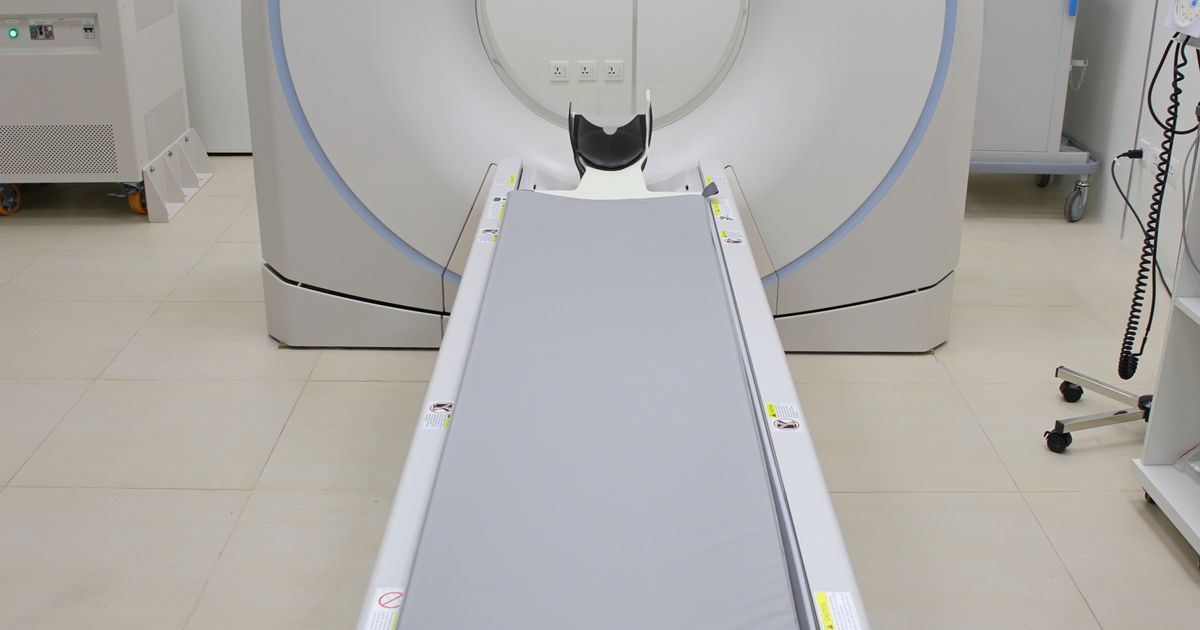
ما هو تصوير الأوعية الدموية؟
Blood vessels do not show up clearly on ordinary X-rays. In angiography, a contrast dye is injected so that the inside of the vessels stands out. The pictures are called angiograms. See our guide to what an angiogram is and why it is performed.
In catheter angiography, a doctor passes a catheter through an artery at the wrist or groin to the area of interest and injects dye directly while X-ray images are recorded. In CT and MR angiography, the dye is given through a vein in the arm and a scanner builds the pictures, so no catheter is needed.
Other names for angiography
- Angiogram or angio test
- Arteriography (arteries) and venography (veins)
- تصوير الأوعية بالطرح الرقمي (DSA)
- تصوير الأوعية بالقسطرة
- CT angiography (CTA) and MR angiography (MRA)
Types of angiography
| النوع | ما هو عليه | عند استخدامه | اقراء المزيد |
|---|---|---|---|
| تصوير الأوعية التاجية | Catheter test showing the arteries that supply the heart | Chest pain, heart attack, abnormal stress test, before heart surgery | تصوير الأوعية التاجية, تصوير الأوعية التاجية |
| تصوير الأوعية التاجية بالتصوير المقطعي المحوسب | CT scan of the heart arteries with dye given in an arm vein | Lower to intermediate risk chest pain; checking for early disease | تصوير الأوعية التاجية بالتصوير المقطعي المحوسب |
| تصوير الأوعية المقطعية | CT scan of vessels anywhere in the body | Aorta, lung, kidney, limb and brain vessels; emergencies | How a CT angiogram is performed |
| تصوير الأوعية بالرنين المغناطيسي | MRI-based pictures of vessels, with no X-rays | Brain, neck, kidney and limb vessels; when radiation should be avoided | MRA |
| تصوير الأوعية الدماغية | Catheter test of the brain's arteries | Aneurysm, abnormal vessel tangles, stroke assessment | تصوير الأوعية الدماغية |
| تصوير الأوعية السباتية | Imaging of the neck arteries that supply the brain | Narrowing that may cause stroke or mini-stroke | تصوير الأوعية السباتية |
| تصوير الأوعية المحيطية | Imaging of arteries in the legs or arms | Leg pain on walking, non-healing foot wounds, before angioplasty or bypass | مرض الشريان المحيطي, peripheral angioplasty and stenting |
| تصوير الأوعية الرئوية | Imaging of the lung arteries, now mostly by CT | Suspected clot in the lung | الانسداد الرئوي |
| تصوير الأوعية الدموية الكلوية | Imaging of the kidney arteries | Suspected narrowing causing high blood pressure or kidney damage | تضيق الشريان الكلوي |
| فنوغرافيا | Imaging of veins | Clots, blocked or abnormal veins, planning vein procedures | فنوغرافيا, الوريد |
| تصوير الأوعية بالفلوريسين | Photographs of the retina after dye is injected in the arm | Diabetic eye disease and other retinal conditions | تصوير الأوعية بالفلوريسين |
| تصوير الأوعية اللمفاوية | Imaging of lymph vessels | Lymph leaks and swelling | تصوير الأوعية اللمفاوية |
Coronary angiography is usually done as part of قسطرة القلب.
Why is angiography done?
- To find narrowed or blocked arteries caused by تصلب الشرايين, for example in people with خناق
- To look for clots, bulges (aneurysms), tears or abnormal connections between vessels
- To plan surgery, angioplasty or stenting, and to check the result afterwards
A catheter angiogram can sometimes be followed at once by treatment, such as قسطرة الشرايين التاجية وتركيب الدعامات. CT and MR angiography are tests only.
How is angiography done?
Before the test, tell the team about allergies, kidney disease, diabetes medicines, blood thinners and any chance of pregnancy. A kidney blood test is often needed, and you may be asked to fast for a few hours.
- تصوير الأوعية الدموية بالقسطرة: the skin at the wrist or groin is numbed, a catheter is guided through the artery under X-ray, dye is injected and images are recorded. The catheter is removed and the puncture site is pressed or sealed. You rest for a few hours before going home.
- تصوير الأوعية الدموية المقطعي المحوسب: a cannula is placed in an arm vein, you lie on the scanner table, and dye is injected while the scan is taken. It takes a few minutes. You may feel a brief warm flush.
- تصوير الأوعية بالرنين المغناطيسي: you lie inside the MRI scanner for longer, and a different type of contrast may or may not be used.
Risks of angiography
Serious problems are uncommon. The risks depend on the type of test and your health.
- صبغة التباين: a warm flush or metallic taste is common; allergic reactions are uncommon, and kidney function can worsen in people who already have kidney disease.
- إشعاع: X-ray and CT tests use a controlled dose; MR angiography uses none.
- اختبارات القسطرة: bruising or bleeding at the puncture site is the most common problem. Damage to the artery, clots, stroke, heart rhythm disturbance or heart attack are rare.
- MRI: may not be possible with some implants or metal in the body.
Recovery after angiography
After CT or MR angiography you can usually return to normal activity straight away. After a catheter test, rest for the day, drink fluids unless told otherwise, avoid heavy lifting for a few days and do not drive for the first day.
متى تطلب المساعدة الطبية
- Bleeding or a growing swelling at the puncture site
- A cold, pale, numb or painful hand or leg
- ألم في الصدر أو ضيق في التنفس
- Weakness of the face or a limb, or trouble speaking
- Rash, itching, facial swelling or wheezing
What is the cost of angiography in India?
التكلفة تعتمد على:
- The type of angiography and the body area examined
- Whether a catheter, CT or MRI is used
- The amount and type of contrast
- Day care or overnight stay, and room category
- المدينة والمستشفى
تختلف التكاليف من شخص لآخر. يرجى مراجعة المستشفى لمعرفة الأسعار الفعلية.
Why choose Apollo Hospitals for angiography?
- Cardiologists, radiologists, neurologists and vascular specialists who select the type of test suited to your problem
- Catheterisation laboratories, CT and MRI under one roof at many centres
- تختلف إمكانية التوفر بين المراكز. يرجى مراجعة المستشفى.
For heart-related symptoms, احجز موعدًا مع طبيب قلب at Apollo Hospitals, who can advise which test you need.
Questions to ask your doctor about angiography
- Which type of angiography do I need, and why?
- Could a CT or MR angiogram answer the question instead of a catheter test?
- Should I stop or change any medicines beforehand?
- Is the contrast dye safe for my kidneys?
- Might treatment such as angioplasty be done at the same time?
- متى سأحصل على النتائج؟
الأسئلة الشائعة
1. What is the difference between angiography and angiogram?
Angiography is the name of the test. An angiogram is the picture it produces. People often use the two words to mean the same thing.
2. Is angiography the same as angioplasty?
No. Angiography is a test that shows the vessels. Angioplasty is a treatment in which a narrowed vessel is widened with a balloon, often with a stent.
3. Is angiography painful?
The numbing injection or cannula stings briefly. The dye can cause a short warm feeling. Most people do not find the test painful.
4. How long does angiography take?
A CT angiogram takes a few minutes of scanning. A catheter angiogram usually takes about half an hour to an hour, followed by a few hours of rest.
5. Is CT angiography as good as catheter angiography?
CT angiography is very good at ruling out disease and avoids a catheter. Catheter angiography gives the finest detail and allows treatment in the same sitting.
6. Can I have angiography if I have kidney disease or a dye allergy?
Often yes, with precautions such as extra fluids, a smaller amount of dye or protective medicines, or by choosing a different test. Tell your doctor beforehand.
7. Do I need to stay in hospital?
Most angiography is done as a day procedure. You may stay overnight if treatment is carried out at the same time or if you need observation.
8. Which doctor performs angiography?
Cardiologists perform coronary angiography. Interventional radiologists, neuro-interventional specialists and vascular surgeons perform angiography of other areas, and radiologists report CT and MR angiograms.
خاتمة
Angiography covers several tests that show blood vessels in different parts of the body, from quick CT scans to catheter studies that can lead directly to treatment. Use the links above to read about each test, and discuss the choice with your doctor.
هذه الصفحة مخصصة للمعلومات العامة ولا تغني عن استشارة الطبيب. يجب اتخاذ قرارات العلاج بالتشاور مع أخصائي مؤهل على دراية بتاريخك الطبي.
منتجات جديدة!


أخصائيو القلب في مستشفيات أبولو







تنويه:
المعلومات الواردة في هذه الصفحة مخصصة لأغراض إعلامية وتثقيفية عامة فقط. ورغم أننا نبذل قصارى جهدنا لضمان دقة المعلومات وموثوقيتها ومراجعتها بانتظام، إلا أنه لا ينبغي اعتبارها بديلاً عن الاستشارة الطبية المتخصصة أو التشخيص أو العلاج.
قد تختلف مدى ملاءمة الإجراء الطبي، إلى جانب فوائده ومخاطره والتحضير له وفترة النقاهة والمضاعفات المحتملة والنتائج المتوقعة، من شخص لآخر. سيحدد طبيبك المختص مدى ملاءمة الإجراء بناءً على حالتك الصحية وتاريخك الطبي.
يرجى استشارة أخصائي رعاية صحية مؤهل للحصول على نصيحة شخصية قبل اتخاذ أي قرارات تتعلق بأي إجراء طبي.
للحصول على مزيد من المعلومات حول كيفية إنشاء محتوانا الطبي ومراجعته وتحديثه وصيانته، يرجى قراءة [سياسة التحرير] الخاصة بنا.




