


تمت المراجعة بواسطة فريق التحرير في أبولو
جواب سريع
Myomectomy is surgery to remove fibroids from the womb while leaving the womb in place. It is usually chosen by women whose fibroids cause troublesome symptoms and who wish to keep their uterus or plan a pregnancy. It can be done through an open cut, by keyhole or robotic surgery, or through the vagina with a thin telescope. The right method depends on the size, number and position of the fibroids.
| مفتاح الحقائق | تفاصيل |
|---|---|
| ما هو عليه | Surgical removal of uterine fibroids with repair of the womb |
| سبب رئيسي | Fibroids causing heavy periods, pain, pressure or fertility problems |
| أنواع رئيسية | Abdominal (open), laparoscopic, robotic and hysteroscopic |
| التخدير | Usually general anaesthesia; sometimes spinal |
| الإقامة في المستشفى | Same day to a few days, depending on the method |
| التعافى | A few days to about six weeks, depending on the method |
| رحم | Kept in place, so periods continue and pregnancy may still be possible |
| يؤديها | Gynaecologist or gynaecological surgeon |
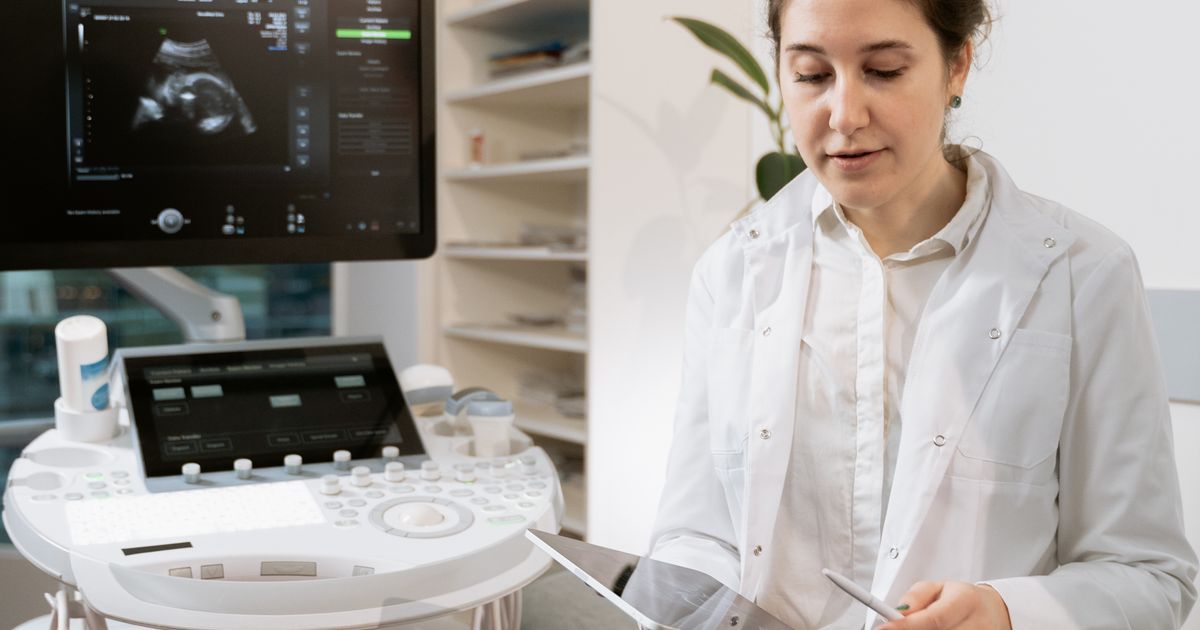
ما هو استئصال العضال الرحمية؟
Fibroids are non-cancerous growths of muscle tissue in the wall of the womb. Many women have them and never need treatment. When الأورام الليفية الرحمية cause symptoms, one option is myomectomy. The surgeon removes each fibroid and then stitches the womb wall back together. Unlike a إستئصال الرحم, the womb is not removed.
Other names for myomectomy
- جراحة إزالة الأورام الليفية
- استئصال الأورام الليفية
- Uterine fibroid surgery
- Removal of leiomyoma or myoma
- Womb-sparing fibroid surgery
Types of myomectomy
There are four main ways to do the operation. Each has its own detailed page, linked in the table below.
| النوع | ما هو عليه | عندما يكون شائع الاستخدام | اقراء المزيد |
|---|---|---|---|
| Abdominal (open) | Fibroids are removed through one cut in the lower abdomen | Very large fibroids, many fibroids, or fibroids set deep in the womb wall | استئصال الورم العضلي البطني |
| بالمنظار | جراحة ثقب المفتاح من خلال بضع شقوق صغيرة، باستخدام كاميرا وأدوات رفيعة | A limited number of small to medium fibroids in or on the outer part of the womb wall | استئصال الورم العضلي بالمنظار |
| الروبوتية | Keyhole surgery in which the surgeon controls robotic arms from a console | Similar cases to laparoscopic surgery, sometimes where the stitching is more demanding | استئصال الورم العضلي الروبوتي |
| منظار الرحم | A thin telescope is passed through the vagina and cervix, with no cuts on the abdomen | Fibroids that bulge into the cavity of the womb (submucosal fibroids) | استئصال الورم العضلي بالتنظير |
Why is myomectomy done?
Myomectomy may be advised when fibroids cause:
- Heavy or prolonged periods, sometimes leading to anaemia and tiredness
- Pelvic pain, pressure or a feeling of fullness in the lower abdomen
- Frequent urination or constipation from pressure on the bladder or bowel
- Difficulty conceiving or repeated pregnancy loss, when a fibroid distorts the womb cavity
It is not the only option. Depending on your age, symptoms and plans for pregnancy, your doctor may also discuss watchful waiting, medicines to control bleeding, uterine artery embolisation, focused ultrasound treatment or hysterectomy. Myomectomy is generally preferred when a woman wants to keep her womb.
How is myomectomy done in general?
Before surgery, the fibroids are mapped with a الحوض بالموجات فوق الصوتية and sometimes an التصوير بالرنين المغناطيسي. Blood tests check for anaemia, which may need to be corrected first. Tell your doctor about all medicines you take, especially blood thinners.
تُجرى العملية تحت تخدير. In open, بالمنظار و الروبوتية surgery, the surgeon opens the womb wall over each fibroid, eases the fibroid out and closes the wall in layers with stitches. In the hysteroscopic method, the fibroid is shaved away from inside the womb during a الرحم. The removed tissue is sent to the laboratory for examination. The step-by-step details differ for each method and are explained on the pages linked above.
Risks of myomectomy
Your surgeon will explain which risks apply to you.
- Bleeding during or after surgery, which occasionally needs a نقل الدم
- Infection of the wound, womb or urinary tract
- Scar tissue (adhesions) inside the pelvis or womb
- Injury to the bladder, bowel or blood vessels, which is uncommon
- جلطات دموية في الساقين أو الرئتين
- ردود الفعل على التخدير
- Rarely, the need to remove the womb if bleeding cannot be controlled
- A scar in the womb wall, which may affect how a future baby is delivered
- New fibroids growing in later years
Recovery after myomectomy
Recovery depends mainly on the method. After hysteroscopic surgery, many women go home the same day and return to normal activity within a few days. After laparoscopic or robotic surgery, recovery usually takes two to four weeks. After open surgery, expect a hospital stay of a few days and around four to six weeks before full activity. Some vaginal spotting, tiredness and mild pain are common at first. Walk gently from early on, and avoid heavy lifting and strenuous exercise until your doctor clears you.
متى تطلب المساعدة الطبية
- Heavy vaginal bleeding or passing large clots
- حمى أو قشعريرة
- آلام شديدة أو متفاقمة في البطن
- احمرار أو تورم أو إفرازات من الجرح
- إفرازات مهبلية كريهة الرائحة
- Pain or swelling in one leg, chest pain or breathlessness
- صعوبة التبول
What is the cost of myomectomy in India?
تعتمد التكلفة على عدة عوامل:
- The method used (open, laparoscopic, robotic or hysteroscopic)
- The number, size and position of the fibroids
- مدة الإقامة في المستشفى ونوع الغرفة
- Tests and scans needed before surgery
- Whether a blood transfusion or other extra care is needed
- المدينة والمستشفى
تختلف التكاليف من شخص لآخر. يرجى مراجعة المستشفى لمعرفة الأسعار الفعلية.
Many health insurance policies cover medically necessary fibroid surgery. Check the terms of your own policy before admission.
Why choose Apollo Hospitals for myomectomy?
- Gynaecologists experienced in open, keyhole and hysteroscopic fibroid surgery
- Ultrasound and MRI imaging to plan the operation
- Anaesthesia, blood bank and intensive care support on site
- Fertility and obstetric teams available for women planning a pregnancy
- تتوفر الجراحة الروبوتية في مراكز مختارة. يختلف التوفر بين المراكز. يرجى مراجعة المستشفى.
To discuss fibroid treatment, you can احجز موعدًا مع طبيبة نسائية في مستشفى أبولو بالقرب منك.
Questions to ask your doctor about myomectomy
- Do my fibroids need surgery, or can they be watched or treated another way?
- Which type of myomectomy suits my fibroids, and why?
- What is the chance that the plan changes to open surgery or hysterectomy?
- How long should I wait before trying for a pregnancy?
- Will I need a caesarean delivery in a future pregnancy?
- How likely are my fibroids to return?
الأسئلة الشائعة
1. Is myomectomy a major operation?
It depends on the method. Open abdominal myomectomy is major surgery with a recovery of several weeks. Laparoscopic and robotic operations use small cuts and recovery is usually quicker. Hysteroscopic myomectomy involves no cuts on the abdomen and is often a day procedure.
2. Which type of myomectomy is right for me?
The choice depends on the size, number and position of your fibroids, any previous surgery, and your plans for pregnancy. Fibroids inside the womb cavity are usually treated hysteroscopically. Large or numerous fibroids often need open surgery. Your gynaecologist will advise after reviewing your scans.
3. Can I get pregnant after myomectomy?
Many women conceive after myomectomy, though it cannot be guaranteed because fertility depends on many factors. Your surgeon will tell you how long to wait before trying, so that the womb wall has time to heal.
4. Will I need a caesarean after myomectomy?
Sometimes. If the cut in the womb wall was deep, a planned caesarean may be advised to lower the risk of the scar giving way during labour. Ask your surgeon to record what was done, and share this with your obstetrician.
5. Can fibroids come back after myomectomy?
Yes. The fibroids that are removed do not regrow, but new ones can develop over time, especially in younger women and those who had many fibroids. Some women need further treatment later.
6. How is myomectomy different from hysterectomy?
Myomectomy removes only the fibroids and keeps the womb, so periods continue and pregnancy may be possible. Hysterectomy removes the womb, so fibroids cannot return, but pregnancy is no longer possible.
7. كم من الوقت يستغرق التعافي؟
Recovery ranges from a few days after hysteroscopic surgery to around four to six weeks after open surgery. Laparoscopic and robotic surgery fall in between.
8. Which doctor performs myomectomy?
Myomectomy is performed by a gynaecologist. Keyhole and robotic operations are done by gynaecologists with extra training in minimally invasive surgery.
خاتمة
Myomectomy removes fibroids while keeping the womb, and it can be done in four main ways. The best approach depends on your fibroids and your plans for the future. Read the page for the type your doctor has suggested, and talk through the benefits and risks with your gynaecologist before deciding.
هذه الصفحة مخصصة للمعلومات العامة ولا تغني عن استشارة الطبيب. يجب اتخاذ قرارات العلاج بالتشاور مع أخصائي مؤهل على دراية بتاريخك الطبي.
منتجات جديدة!


أطباء أمراض النساء في مستشفيات أبولو







تنويه:
المعلومات الواردة في هذه الصفحة مخصصة لأغراض إعلامية وتثقيفية عامة فقط. ورغم أننا نبذل قصارى جهدنا لضمان دقة المعلومات وموثوقيتها ومراجعتها بانتظام، إلا أنه لا ينبغي اعتبارها بديلاً عن الاستشارة الطبية المتخصصة أو التشخيص أو العلاج.
قد تختلف مدى ملاءمة الإجراء الطبي، إلى جانب فوائده ومخاطره والتحضير له وفترة النقاهة والمضاعفات المحتملة والنتائج المتوقعة، من شخص لآخر. سيحدد طبيبك المختص مدى ملاءمة الإجراء بناءً على حالتك الصحية وتاريخك الطبي.
يرجى استشارة أخصائي رعاية صحية مؤهل للحصول على نصيحة شخصية قبل اتخاذ أي قرارات تتعلق بأي إجراء طبي.
للحصول على مزيد من المعلومات حول كيفية إنشاء محتوانا الطبي ومراجعته وتحديثه وصيانته، يرجى قراءة [سياسة التحرير] الخاصة بنا.




