


صورة


Neurosciences at Apollo Hospitals, Gurugram, brings together medical and surgical care for conditions affecting the brain, spinal cord, spine, nerves and muscles. Patients may seek care for stroke, seizures, headache, Parkinson's disease, memory problems, nerve or muscle weakness, brain and spine tumors, or injuries involving the head and spine.
Neurological symptoms can have several causes, and some require urgent treatment. A sudden change in speech, facial weakness, loss of movement, a prolonged seizure, severe head injury or new loss of bladder control with limb weakness needs emergency assessment. Neurologists, neurosurgeons, neurointerventionists, critical care specialists, radiologists and rehabilitation professionals may work together according to the diagnosis.
Care can range from clinical assessment and medicines to catheter-based treatment, surgery, critical care and rehabilitation. Imaging and other tests are selected for the individual rather than applied as a standard package. Treatment plans take into account the diagnosis, severity, other medical conditions and the patient's priorities.
The neurosciences team may include neurologists, neurosurgeons, spine surgeons, neurointerventionists and neurocritical care specialists, supported by neuroradiologists, anesthesiologists, physiotherapists, occupational therapists, speech and swallowing therapists, clinical psychologists and other specialists. Complex cases may be reviewed jointly when medical, catheter-based, surgical and rehabilitation options need to be considered together. Our specialists include:
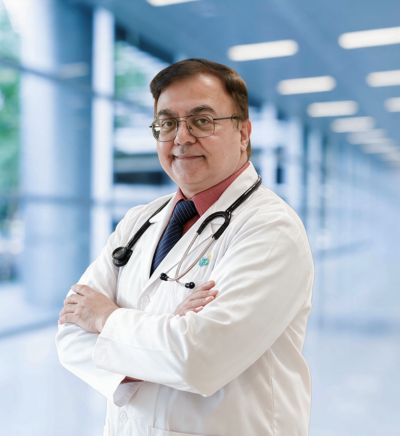
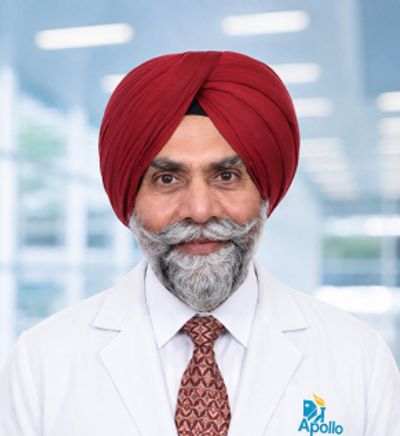
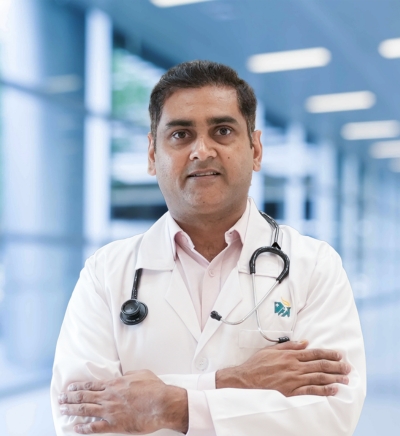
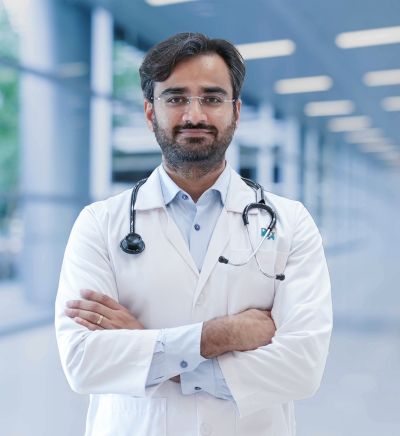

Eligible patients may receive intravenous thrombolysis within the recommended treatment window. Mechanical thrombectomy may be offered to selected patients with a large-vessel blockage, including some who present later, based on imaging and clinical criteria. Treatment should never be delayed while waiting to see whether symptoms improve.

Treatment may include an antiplatelet medicine or anticoagulant, blood pressure and cholesterol management, diabetes care, smoking cessation and treatment of significant carotid disease. The choice depends on the cause of the stroke and bleeding risk.
Anti-seizure medicine is selected according to seizure type, age, pregnancy potential, other conditions and possible interactions. Doses are adjusted to balance seizure control and side effects, and medicines should not be stopped suddenly without medical advice.
Selected patients with drug-resistant epilepsy may be assessed for removal or disconnection of a seizure-producing area or for a stimulation-based therapy. Evaluation can include prolonged video EEG, specialized imaging and neuropsychological testing.
Management may include medicines for acute attacks, preventive treatment, review of overused pain medicines and lifestyle measures relevant to the individual. Botulinum toxin or newer preventive medicines may be considered for appropriate migraine patterns.
Medicines, physical activity and rehabilitation are adjusted to the person's symptoms and function. Botulinum toxin may be used for selected dystonia or spasticity. Deep brain stimulation may be considered for carefully selected patients with Parkinson's disease, tremor or dystonia.
Steroids, intravenous immunoglobulin, plasma exchange or other immune-modifying medicines may be used for selected conditions such as Guillain-Barré syndrome, myasthenia gravis, multiple sclerosis or autoimmune encephalitis. Choice and timing depend on the diagnosis and severity.
Surgery may be used to obtain a diagnosis, remove as much tumor as can be done safely, relieve pressure or stabilize the spine. The approach depends on tumor type, location and the functions at risk.
Some pituitary tumors respond to medicine. Others may require endoscopic surgery through the nose, radiotherapy or a combination of treatments, with endocrinology and ophthalmology input when needed.
Options may include observation, catheter-based treatment such as coiling or flow diversion, or surgical clipping. Anatomy, rupture status, age and overall health influence the recommendation.
Procedures may include discectomy, decompression, fusion or stabilization. Minimally invasive or endoscopic approaches may be suitable for selected patients, but the safest effective approach is chosen after clinical and imaging assessment.
Intensive monitoring and organ support may be required for severe stroke, brain injury, status epilepticus, infection or after major neurosurgery.
Therapy after stroke, injury or surgery may address mobility, self-care, speech, swallowing, cognition and return to daily activities. Rehabilitation should begin when the patient is medically stable and continue according to goals and progress.
Rapid CT, CT angiography, MRI or perfusion imaging can help identify the type of stroke, the vessel involved and whether tissue may still be salvageable. The exact pathway depends on presentation and local capability.
Angiography equipment provides live imaging during catheter-based diagnosis and treatment of selected strokes, aneurysms and vascular malformations.
Navigation systems relate surgical instruments to the patient's preoperative scan and can help the surgeon plan and follow a route to the target. They support surgical precision but do not remove the risks of brain or spine surgery.
Electrical signals from the brain, spinal cord, nerves or muscles can be monitored during selected operations to alert the team to changes in neurological function.
Magnification, illumination and endoscopic visualization can support surgery through smaller or more direct corridors in selected brain, pituitary and spine procedures.
Synchronized video and EEG can record events over an extended period and support diagnosis, medication adjustment and evaluation for epilepsy surgery.
Selected patients may need continuous EEG, intracranial pressure monitoring or other bedside neurological monitoring in intensive care.
Mobility aids, swallowing assessment tools and task-specific therapy equipment may support recovery and safety during rehabilitation.


Sudden facial drooping, weakness or numbness on one side, difficulty speaking, loss of balance or sudden visual loss may indicate stroke. Note when the person was last known to be well, call 112 and go to an emergency department immediately. Do not wait for the symptoms to settle.
Possibly. Intravenous clot-dissolving treatment is generally considered within 4.5 hours for eligible patients, and selected patients may qualify beyond standard windows based on advanced imaging. Mechanical thrombectomy can benefit some large-vessel strokes for up to 24 hours after the person was last known to be well. Earlier arrival still provides the widest range of options.
A neurologist diagnoses and treats nervous-system conditions mainly through medicines and non-surgical care. A neurosurgeon performs operations involving the brain, spine and nerves. They may assess a patient together when the best approach is uncertain or several treatments are possible.
No. Primary headache disorders such as migraine and tension-type headache are much more common. Urgent assessment is needed for a sudden severe headache, headache with fever and neck stiffness, new weakness or confusion, seizure, visual loss or a rapidly changing pattern.
MRI is painless and does not use ionizing radiation, but the scanner is noisy and enclosed. Every pacemaker, implant, metal fragment or device must be checked for MRI safety. Some are MRI conditional and require specific precautions. Sedation may be considered only after appropriate assessment and monitoring arrangements.
No. A routine EEG records brain activity only during the test, so it may be normal between seizures. The history remains central, and repeat, sleep-deprived or prolonged video EEG may be useful when the diagnosis is uncertain.
Move dangerous objects away, place something soft under the head and time the seizure. Do not restrain the person or put anything in the mouth. Turn them onto their side when the movements stop and stay with them. Call emergency services if the seizure lasts five minutes, another begins without recovery, breathing is difficult, injury occurs or it is the first known seizure.
Many people achieve seizure freedom with appropriate treatment, but some continue to have seizures despite medicine. If two suitable anti-seizure medicine schedules have failed, referral to an epilepsy specialist is appropriate because surgery or another therapy may be considered.
Many people with epilepsy work and have healthy pregnancies. Safety-sensitive work and driving depend on seizure control and applicable legal requirements. Pregnancy should be planned with the neurologist because medicine choice and dose may need review before conception. Anti-seizure medicine should never be stopped without medical advice.
There is currently no cure, but medicines, physical activity and therapy can improve symptoms and function. Deep brain stimulation may help selected patients whose symptoms or medication-related fluctuations are difficult to control, but it does not stop the disease from progressing.
No. Many cases improve with activity modification, pain management and physiotherapy. Surgical assessment becomes more important when pain remains severe despite treatment or when there is progressive weakness. New bladder or bowel difficulty, numbness around the groin or rapidly worsening weakness requires emergency care.
No. Brain tumors include benign and malignant types, and cancer from another organ can also spread to the brain. Imaging provides important clues, but tissue examination is often needed to identify the exact type and guide treatment.
No. The surgical goal depends on the tumor type, location and the neurological functions nearby. Sometimes complete removal can be attempted safely. In other cases, biopsy, partial removal or non-surgical treatment may offer a better balance of benefit and risk.
The risk depends on the area of the brain involved and the planned procedure. Imaging, navigation, monitoring and awake mapping may help protect important functions in selected cases, but they cannot remove all risk. The surgeon should explain the individual risks before consent.
Recovery varies widely with the size and location of the stroke, complications, previous health and access to rehabilitation. Improvement is often fastest in the first weeks and months but may continue for much longer. Therapy goals are reviewed as the person progresses.
No. Sleep problems, depression, hearing loss, thyroid disease, vitamin deficiency, medication effects, infection and other conditions can affect memory. Assessment combines the history, cognitive testing and selected investigations to identify treatable contributors and determine whether a neurodegenerative condition is present.



 أفضل مستشفى بالقرب مني في تشيناي
أفضل مستشفى بالقرب مني في بنغالور
أفضل مستشفى بالقرب مني في حيدر أباد
أفضل مستشفى بالقرب مني في مومباي
أفضل مستشفى بالقرب مني في دلهي
أفضل مستشفى بالقرب مني في كولكاتا
أفضل مستشفى بالقرب مني في بيون
أفضل مستشفى بالقرب مني في أحمد آباد
أفضل مستشفى بالقرب مني في بوبانسوار
أفضل مستشفى بالقرب مني في بيلاسبور
أفضل مستشفى بالقرب مني في جواهاتي
أفضل مستشفى بالقرب مني في إندور
أفضل مستشفى بالقرب مني في كوتشي
أفضل مستشفى بالقرب مني في لكناو
أفضل مستشفى بالقرب مني في مادوراي
أفضل مستشفى بالقرب مني في ميسور
أفضل مستشفى بالقرب مني في ناشيك
أفضل مستشفى بالقرب مني في نويدا
أفضل مستشفى بالقرب مني روركيلا
أفضل مستشفى بالقرب مني في فيساخاباتنام
طبيب قلب قريب مني في تشيناي
طبيب قلب قريب مني في بنغالور
طبيب قلب قريب مني في حيدر أباد
طبيب قلب قريب مني في مومباي
طبيب قلب قريب مني في دلهي
طبيب قلب قريب مني في كولكاتا
طبيب قلب قريب مني في بيون
طبيب قلب قريب مني في أحمد آباد
طبيب قلب قريب مني في بوبانسوار
طبيب قلب قريب مني في بيلاسبور
طبيب قلب قريب مني في جواهاتي
طبيب قلب قريب مني في إندور
طبيب قلب قريب مني في كوتشي
طبيب قلب قريب مني في لكناو
طبيب قلب قريب مني في مادوراي
طبيب قلب قريب مني في ميسور
طبيب قلب قريب مني في ناشيك
طبيب قلب قريب مني في نويدا
طبيب قلب قريب مني في روركيلا
طبيب قلب قريب مني في فيساخاباتنام
طبيب أعصاب قريب مني في تشيناي
طبيب أعصاب قريب مني في بنغالور
طبيب أعصاب قريب مني في حيدر أباد
طبيب أعصاب قريب مني في مومباي
طبيب أعصاب قريب مني في دلهي
طبيب أعصاب قريب مني في كولكاتا
طبيب أعصاب قريب مني في أحمد آباد
طبيب أعصاب قريب مني في بوبانسوار
طبيب أعصاب قريب مني في بيلاسبور
طبيب أعصاب قريب مني في جواهاتي
طبيب أعصاب قريب مني في إندور
طبيب أعصاب قريب مني في كوتشي
طبيب أعصاب قريب مني في لكناو
طبيب أعصاب قريب مني في مادوراي
طبيب أعصاب قريب مني في ميسور
طبيب أعصاب قريب مني في ناشيك
طبيب أعصاب قريب مني في نويدا
طبيب أعصاب قريب مني في روركيلا
طبيب أعصاب قريب مني في فيساخاباتنام
أخصائي تقويم عظام بالقرب مني في تشيناي
أخصائي تقويم عظام بالقرب مني في بنغالور
أخصائي تقويم عظام بالقرب مني في حيدر أباد
أخصائي تقويم عظام بالقرب مني في مومباي
أخصائي تقويم عظام بالقرب مني في دلهي
أخصائي تقويم عظام بالقرب مني في كولكاتا
أخصائي تقويم عظام بالقرب مني في بيون
أخصائي تقويم عظام بالقرب مني في أحمد آباد
أخصائي تقويم عظام بالقرب مني في بوبانسوار
أخصائي تقويم عظام بالقرب مني في بيلاسبور
أخصائي تقويم عظام بالقرب مني في جواهاتي
أخصائي تقويم عظام بالقرب مني في إندور
أخصائي تقويم عظام بالقرب مني في كوتشي
أخصائي تقويم عظام بالقرب مني في لكناو
أخصائي تقويم عظام بالقرب مني في مادوراي
أخصائي تقويم عظام بالقرب مني في ميسور
أخصائي تقويم عظام بالقرب مني في ناشيك
أخصائي تقويم عظام بالقرب مني في نويدا
طبيب العظام بالقرب مني في روركيلا
أخصائي تقويم عظام بالقرب مني في فيساخاباتنام
أخصائي أورام قريب مني في تشيناي
أخصائي أورام بالقرب مني في بنغالور
أخصائي أورام بالقرب مني في حيدر أباد
أخصائي أورام قريب مني في مومباي
أخصائي أورام قريب مني في دلهي
طبيب أورام قريب مني في كولكاتا
أخصائي أورام قريب مني في بيون
طبيب أورام قريب مني في أحمد آباد
طبيب أورام قريب مني في بوبانسوار
طبيب أورام قريب مني في بيلاسبور
طبيب أورام قريب مني في جواهاتي
أخصائي أورام بالقرب مني في إندور
أخصائي أورام قريب مني في كوتشي
أخصائي أورام قريب مني في لكناو
طبيب أورام قريب مني في مادوراي
طبيب أورام قريب مني في ميسور
طبيب أورام قريب مني في ناشيك
أخصائي أورام قريب مني في نويدا
طبيب أورام قريب مني في روركيلا
أخصائي أمراض الجهاز الهضمي بالقرب مني في تشيناي
أخصائي أمراض الجهاز الهضمي بالقرب مني في بنغالور
أخصائي أمراض الجهاز الهضمي بالقرب مني في حيدر أباد
أخصائي أمراض الجهاز الهضمي بالقرب مني في مومباي
أخصائي أمراض الجهاز الهضمي بالقرب مني في دلهي
أخصائي أمراض الجهاز الهضمي بالقرب مني في كولكاتا
أخصائي أمراض الجهاز الهضمي بالقرب مني في بيون
أخصائي أمراض الجهاز الهضمي بالقرب مني في أحمد آباد
أخصائي أمراض الجهاز الهضمي بالقرب مني في بوبانسوار
أخصائي أمراض الجهاز الهضمي بالقرب مني في بيلاسبور
أخصائي أمراض الجهاز الهضمي بالقرب مني في جواهاتي
أخصائي أمراض الجهاز الهضمي بالقرب مني في إندور
أخصائي أمراض الجهاز الهضمي بالقرب مني في كوتشي
أخصائي أمراض الجهاز الهضمي بالقرب مني في لكناو
أخصائي أمراض الجهاز الهضمي بالقرب مني في مادوراي
أخصائي أمراض الجهاز الهضمي بالقرب مني في ميسور
أخصائي أمراض الجهاز الهضمي بالقرب مني في ناشيك
أخصائي أمراض الجهاز الهضمي بالقرب مني في نويدا
أخصائي أمراض الجهاز الهضمي بالقرب مني في روركيلا
أخصائي أمراض الجهاز الهضمي بالقرب مني في فيساخاباتنام
جراح زراعة أعضاء بالقرب مني في تشيناي
جراح زراعة أعضاء بالقرب مني في بنغالور
جراح زراعة أعضاء بالقرب مني في حيدر أباد
جراح زراعة أعضاء بالقرب مني في مومباي
جراح زراعة أعضاء بالقرب مني في دلهي
جراح زراعة أعضاء بالقرب مني في كولكاتا
جراح زراعة أعضاء بالقرب مني في إندور
جراح زراعة أعضاء بالقرب مني في كوتشي
جراح زراعة أعضاء بالقرب مني في لكناو
جراح زراعة أعضاء بالقرب مني في ميسور
أخصائي أنف وأذن وحنجرة بالقرب مني في تشيناي
أخصائي أنف وأذن وحنجرة بالقرب مني في بنغالور
أخصائي أنف وأذن وحنجرة بالقرب مني في حيدر أباد
أخصائي أنف وأذن وحنجرة بالقرب مني في مومباي
أخصائي أنف وأذن وحنجرة بالقرب مني في دلهي
أخصائي أنف وأذن وحنجرة بالقرب مني في كولكاتا
أخصائي أنف وأذن وحنجرة بالقرب مني في بيون
أخصائي أنف وأذن وحنجرة بالقرب مني في أحمد آباد
أخصائي أنف وأذن وحنجرة بالقرب مني في بوبانسوار
أخصائي أنف وأذن وحنجرة بالقرب مني في بيلاسبور
أخصائي أنف وأذن وحنجرة بالقرب مني في جواهاتي
أخصائي أنف وأذن وحنجرة بالقرب مني في إندور
أخصائي أنف وأذن وحنجرة بالقرب مني في كوتشي
أخصائي أنف وأذن وحنجرة بالقرب مني في لكناو
أخصائي أنف وأذن وحنجرة بالقرب مني في مادوراي
أخصائي أنف وأذن وحنجرة بالقرب مني في ميسور
أخصائي أنف وأذن وحنجرة بالقرب مني في ناشيك
أخصائي أنف وأذن وحنجرة بالقرب مني في نويدا
أخصائي أنف وأذن وحنجرة بالقرب مني في روركيلا
أخصائي أنف وأذن وحنجرة بالقرب مني في فيساخاباتنام
أخصائي أمراض الرئة بالقرب مني في تشيناي
أخصائي أمراض الرئة بالقرب مني في بنغالور
أخصائي أمراض الرئة بالقرب مني في حيدر أباد
أخصائي أمراض الرئة بالقرب مني في مومباي
أخصائي أمراض الرئة بالقرب مني في دلهي
أخصائي أمراض الرئة بالقرب مني في كولكاتا
أخصائي أمراض الرئة بالقرب مني في أحمد آباد
أخصائي أمراض الرئة بالقرب مني في بوبانسوار
أخصائي أمراض الرئة بالقرب مني في بيلاسبور
أخصائي أمراض الرئة بالقرب مني في جواهاتي
أخصائي أمراض الرئة بالقرب مني في إندور
أخصائي أمراض الرئة بالقرب مني في كوتشي
أخصائي أمراض الرئة بالقرب مني في لكناو
أخصائي أمراض الرئة بالقرب مني في مادوراي
أخصائي أمراض الرئة بالقرب مني في ميسور
أخصائي أمراض الرئة بالقرب مني في ناشيك
أخصائي أمراض الرئة بالقرب مني في نويدا
طبيب أمراض الرئة بالقرب مني في روركيلا
أخصائي أمراض الرئة بالقرب مني في فيساخاباتنام
طبيب أسنان قريب مني في تشيناي
طبيب أسنان قريب مني في بنغالور
طبيب أسنان قريب مني في حيدر أباد
طبيب أسنان قريب مني في دلهي
طبيب أسنان قريب مني في كولكاتا
طبيب أسنان قريب مني في أحمد آباد
طبيب أسنان قريب مني في بوبانسوار
طبيب أسنان قريب مني في بيلاسبور
طبيب أسنان قريب مني في جواهاتي
طبيب أسنان قريب مني في كوتشي
طبيب أسنان قريب مني في لكناو
طبيب أسنان قريب مني في مادوراي
طبيب أسنان قريب مني في ناشيك
طبيب أسنان قريب مني في نويدا
طبيب أسنان قريب مني في روركيلا
طبيب أسنان قريب مني في فيساخاباتنام
طبيب أطفال قريب مني في تشيناي
طبيب أطفال بالقرب مني في بنغالور
طبيب أطفال بالقرب مني في حيدر أباد
طبيب أطفال بالقرب مني في مومباي
طبيب أطفال بالقرب مني في دلهي
طبيب أطفال قريب مني في كولكاتا
طبيب أطفال قريب مني في بيون
طبيب أطفال بالقرب مني في أحمد آباد
طبيب أطفال بالقرب مني في بوبانسوار
طبيب أطفال بالقرب مني في بيلاسبور
طبيب أطفال قريب مني في جواهاتي
طبيب أطفال بالقرب مني في إندور
طبيب أطفال قريب مني في كوتشي
طبيب أطفال قريب مني في لكناو
طبيب أطفال قريب مني في مادوراي
طبيب أطفال بالقرب مني في ميسور
طبيب أطفال قريب مني في ناشيك
طبيب أطفال بالقرب مني في نويدا
طبيب أطفال بالقرب مني في فيساخاباتنام
طبيب أمراض جلدية قريب مني في تشيناي
طبيب أمراض جلدية قريب مني في بنغالور
طبيب أمراض جلدية قريب مني في حيدر أباد
طبيب أمراض جلدية قريب مني في دلهي
طبيب أمراض جلدية قريب مني في كولكاتا
طبيب أمراض جلدية قريب مني في أحمد آباد
طبيب أمراض جلدية قريب مني في بوبانسوار
طبيب أمراض جلدية قريب مني في بيلاسبور
طبيب أمراض جلدية قريب مني في جواهاتي
طبيب أمراض جلدية بالقرب مني في إندور
طبيب أمراض جلدية قريب مني في كوتشي
طبيب أمراض جلدية قريب مني في لكناو
طبيب أمراض جلدية قريب مني في مادوراي
طبيب أمراض جلدية قريب مني في ميسور
طبيب أمراض جلدية قريب مني في نويدا
طبيب أمراض جلدية قريب مني في فيساخاباتنام
طبيب مسالك بولية قريب مني في تشيناي
أخصائي مسالك بولية بالقرب مني في بنغالور
أخصائي مسالك بولية بالقرب مني في حيدر أباد
طبيب مسالك بولية قريب مني في دلهي
أخصائي مسالك بولية بالقرب مني في كولكاتا
طبيب مسالك بولية بالقرب مني في بيون
طبيب مسالك بولية بالقرب مني في أحمد آباد
طبيب مسالك بولية بالقرب مني في بوبانسوار
طبيب مسالك بولية بالقرب مني في بيلاسبور
طبيب مسالك بولية قريب مني في جواهاتي
طبيب مسالك بولية بالقرب مني في إندور
طبيب مسالك بولية قريب مني في كوتشي
طبيب مسالك بولية قريب مني في لكناو
طبيب مسالك بولية قريب مني في مادوراي
طبيب مسالك بولية بالقرب مني في ميسور
طبيب مسالك بولية قريب مني في ناشيك
طبيب مسالك بولية قريب مني في نويدا
طبيب مسالك بولية قريب مني في روركيلا
طبيب مسالك بولية قريب مني في فيساخاباتنام
أخصائي الغدد الصماء والسكري بالقرب مني في تشيناي
أخصائي الغدد الصماء والسكري بالقرب مني في بنغالور
أخصائي غدد صماء وأخصائي سكري بالقرب مني في حيدر أباد
أخصائي غدد صماء وأخصائي سكري بالقرب مني في مومباي
أخصائي غدد صماء وأخصائي سكري بالقرب مني في دلهي
أخصائي غدد صماء وأخصائي سكري بالقرب مني في كولكاتا
أخصائي الغدد الصماء والسكري بالقرب مني في بيون
أخصائي غدد صماء وأخصائي سكري بالقرب مني في أحمد آباد
أخصائي غدد صماء وأخصائي سكري بالقرب مني في بوبانسوار
أخصائي غدد صماء وأخصائي سكري بالقرب مني في بيلاسبور
أخصائي غدد صماء وأخصائي سكري بالقرب مني في جواهاتي
أخصائي غدد صماء وأخصائي سكري بالقرب مني في إندور
أخصائي غدد صماء وأخصائي سكري بالقرب مني في كوتشي
أخصائي غدد صماء وأخصائي سكري بالقرب مني في لكناو
أخصائي غدد صماء وأخصائي سكري بالقرب مني في مادوراي
أخصائي غدد صماء وأخصائي سكري بالقرب مني في ميسور
أخصائي غدد صماء وأخصائي سكري بالقرب مني في نويدا
أخصائي غدد صماء وأخصائي سكري بالقرب مني في روركيلا
أخصائي غدد صماء وأخصائي سكري بالقرب مني في فيساخاباتنام
طبيبة نسائية قريبة مني في تشيناي
طبيبة نسائية قريبة مني في بنغالور
طبيبة نسائية قريبة مني في حيدر أباد
طبيبة نسائية قريبة مني في مومباي
طبيبة نسائية قريبة مني في دلهي
طبيبة نسائية قريبة مني في كولكاتا
طبيبة نسائية قريبة مني في أحمد آباد
طبيبة نسائية قريبة مني في بوبانسوار
طبيبة نسائية قريبة مني في بيلاسبور
طبيبة نسائية قريبة مني في جواهاتي
طبيبة نسائية قريبة مني في إندور
طبيبة نسائية قريبة مني في كوتشي
طبيبة نسائية قريبة مني في لكناو
طبيبة نسائية قريبة مني في مادوراي
طبيبة نسائية قريبة مني في ميسور
طبيبة نسائية قريبة مني في ناشيك
طبيبة نسائية قريبة مني في نويدا
طبيبة نسائية قريبة مني في روركيلا
طبيبة نسائية قريبة مني في فيساخاباتنام
طبيب عام بالقرب مني في تشيناي
طبيب عام بالقرب مني في بنغالور
طبيب عام بالقرب مني في حيدر أباد
طبيب عام بالقرب مني في مومباي
طبيب عام بالقرب مني في دلهي
طبيب عام بالقرب مني في كولكاتا
طبيب عام بالقرب مني في بيون
طبيب عام بالقرب مني في أحمد آباد
طبيب عام بالقرب مني في بوبانسوار
طبيب عام بالقرب مني في بيلاسبور
طبيب عام بالقرب مني في جواهاتي
طبيب عام بالقرب مني في إندور
طبيب عام بالقرب مني في كوتشي
طبيب عام بالقرب مني في لكناو
طبيب عام بالقرب مني في مادوراي
طبيب عام بالقرب مني في ميسور
طبيب عام بالقرب مني في ناشيك
طبيب عام بالقرب مني في نويدا
طبيب عام بالقرب مني في فيساخاباتنام
أخصائي نفسي قريب مني في تشيناي
أخصائي نفسي قريب مني في بنغالور
أخصائي نفسي قريب مني في حيدر أباد
أخصائي نفسي قريب مني في مومباي
أخصائي نفسي قريب مني في دلهي
أخصائي نفسي قريب مني في كولكاتا
أخصائي نفسي قريب مني في أحمد آباد
أخصائي نفسي قريب مني في بوبانسوار
أخصائي نفسي قريب مني في بيلاسبور
أخصائي نفسي قريب مني في جواهاتي
أخصائي نفسي بالقرب مني في إندور
أخصائي نفسي قريب مني في كوتشي
أخصائي نفسي قريب مني في لكناو
أخصائي نفسي قريب مني في مادوراي
أخصائي نفسي بالقرب مني في ميسور
أخصائي نفسي قريب مني في ناشيك
أخصائي نفسي قريب مني في نويدا
أخصائي نفسي قريب مني في فيساخاباتنام
جراح عام بالقرب مني في تشيناي
جراح عام بالقرب مني في بنغالور
جراح عام بالقرب مني في حيدر أباد
جراح عام بالقرب مني في مومباي
جراح عام بالقرب مني في دلهي
جراح عام بالقرب مني في كولكاتا
جراح عام بالقرب مني في بيون
جراح عام بالقرب مني في أحمد آباد
جراح عام بالقرب مني في بوبانسوار
جراح عام بالقرب مني في بيلاسبور
جراح عام بالقرب مني في جواهاتي
جراح عام بالقرب مني في إندور
جراح عام بالقرب مني في لكناو
جراح عام بالقرب مني في مادوراي
جراح عام بالقرب مني في ميسور
جراح عام بالقرب مني في ناشيك
جراح عام بالقرب مني في نويدا
جراح عام بالقرب مني في روركيلا
أفضل مستشفى في كاروكوتي، كوتشي
أفضل مستشفى في شارع غريمز، تشيناي
أفضل مستشفى في كوفمبوناجار، ميسور
أفضل مستشفى في فاناجارام، تشيناي
أفضل مستشفى في تينامبيت، تشيناي
أفضل مستشفى في طريق أو إم آر، تشيناي
أفضل مستشفى لعلاج السرطان في بهات، غانديناغار، أحمد آباد
أفضل مستشفى لعلاج السرطان في مدينة الإلكترونيات، بنغالور
أفضل مستشفى لعلاج السرطان في تينامبيت، تشيناي
أفضل مستشفى لعلاج السرطان في منطقة إتش إس آر لاي أوت، بنغالور
أفضل مركز لعلاج سرطان البروتون في تشيناي
أفضل مستشفى للأطفال في منطقة ثاوزند لايتس، تشيناي
أفضل مستشفى للنساء في منطقة ثاوزند لايتس، تشيناي
أفضل مستشفى في باشيم بوراجاون، جواهاتي
أفضل مستشفى في شارع بي إتش، تشيناي
أفضل مركز للقلب في منطقة ثاوزند لايتس، تشيناي
أفضل مستشفى في جوبيلي هيلز، حيدر أباد
أفضل مستشفى في تونديربيت، تشيناي
أفضل مستشفى في كوتوربورام، تشيناي
أفضل مستشفى في طريق كوفاي، كارور
أفضل مستشفى في كاراباكام، تشيناي
أفضل مستشفى في أريلوفا، فيزاغ
أفضل مستشفى في طريق كانبور، لكناو
أفضل مستشفى في القطاع 26، نويدا
أفضل مستشفى في غانديناغار، أحمد آباد
أفضل مستشفى في أراغوندا، ولاية أندرا براديش
أفضل مستشفى في طريق بانيرغاتا، بنغالور
أفضل مستشفى في الوحدة 15، بوبانسوار
أفضل مستشفى في طريق سيبات، بيلاسبور
أفضل مستشفى في إليسبريدج، أحمد آباد
أفضل مستشفى في نيودلهي
أفضل مستشفى في منظمة البحث والتطوير الدفاعية، حيدر أباد
أفضل مستشفى في شارع جي إس، غواهاتي
أفضل مستشفى في حيدرغودا، حيدر أباد
أفضل مستشفى في فيجاي ناجار، إندور
أفضل مستشفى في طريق سورياروبيتا الرئيسي، كاكينادا
أفضل مستشفى في طريق القناة الدائري، كولكاتا
أفضل مستشفى في منطقة الأعمال المركزية في بلابور، نافي مومباي
أفضل مستشفى في بانشافاتي، ناشيك
أفضل مستشفى في سيكندر أباد، حيدر أباد
أفضل مستشفى في سيشادريبورام، بنغالور
أفضل مستشفى في طريق والتاير الرئيسي، فيساخاباتنام
أفضل مستشفى في طريق سوبهاش ناجار، كريمناجار
أفضل مستشفى في ماناجاري، كاريكودي
أفضل مستشفى في أريبالي، وارانغال
أفضل مستشفى في منطقة أريرا كولوني، بوبال
أفضل المستشفيات في جاياناجار، بنغالور
أفضل مستشفى في كي كي ناجار، مادوراي
أفضل مستشفى في رامجي ناجار، نيلور
أفضل مستشفى في القطاع 19، روركيلا
أفضل مستشفى في سوارجيت، بونا
أفضل مستشفى لعلاج سرطان النساء في جنوب دلهي
عملية مجازة الشريان التاجي
العلاج بالخلايا التائية CAR
استئصال المرارة بالمنظار
• عملية استئصال الرحم .
زراعة الكلى
تفتيت الحصى بالموجات الصدمية من خارج الجسم
زراعة الكبد
زرع الرئة
تنظير مفصل الورك
تبديل مفصل الورك بالكامل
العلاج بالبروتون
الاستبدال الكلي لمفصل الركبة تحت الحد الأدنى من التدخل الجراحي
استبدال الركبة في مركز الرعاية النهارية السريع
تكميم المعدة
الجراحة بالليزك
عملية تجميل الأنف
شفط الدهون
تصوير الأوعية التاجية
استبدال الصمام الأورطي عبر القسطرة
إصلاح صمام MitraClip
جراحة القلب طفيفة التوغل
الجذ القثطاري
جراحة إعادة بناء دوري أبطال آسيا
استبدال الكتف العكسي
بطانة الرحم الاجتثاث
إصمام الشريان الرحمي
استئصال المثانة المبيض
جراحة سرطان الثدي
العلاج الإشعاعي الموضعي
تنظير القولون
استئصال البطانية الرحمية
التحفيز العميق للدماغ
غسيل الكلى البريتوني
خزعة الكلى
استئصال جارات الدرق
جراحة الاختزال الخلوي
استبدال الركبة بالكامل بالسيراميك
إي آر سي بي


