


إجابة مباشرة
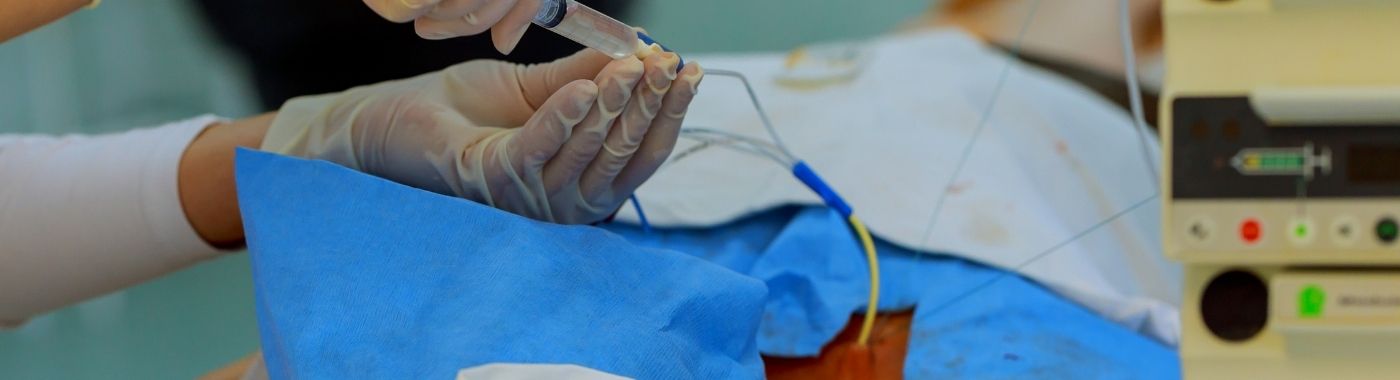
Cardiac catheterization is a procedure in which a thin tube is passed through a wrist or groin blood vessel into the heart. Using X-ray and contrast dye, cardiac catheterization shows narrowing in the coronary arteries and measures pressures inside the heart. It can be diagnostic, or combined with angioplasty and stenting in the same sitting.
الوجبات الرئيسية
- Purpose varies: cardiac catheterization may be done to look at the coronary arteries, to measure heart and lung pressures, or to treat a blockage.
- It is invasive: unlike an echo or a treadmill test, cardiac catheterization involves arterial puncture, radiation and contrast dye, so it is chosen when the clinical question justifies it.
- It has real blind spots: a coronary angiogram shows the artery lumen, not plaque biology, and it does not measure heart muscle pumping or valve leak as well as an echo does.
- A "normal angiogram" does not explain every chest pain, and does not exclude microvascular or spasm-related angina.
- Preparation, fasting and discharge timing differ between hospitals; your own unit's written instructions take precedence.
في لمحة
| العناصر | التفاصيل |
|---|---|
| ما الذي يتم فحصه | Coronary arteries, heart chambers, valves, pressures, some congenital defects |
| طريق الوصول | Usually radial artery (wrist); sometimes femoral (groin); vein access for right heart study |
| التصوير المستخدم | X-ray fluoroscopy with iodinated contrast dye |
| التخدير | Local anaesthetic at the puncture site, with or without mild sedation; general anaesthesia usually only for children or complex cases |
| المدة النموذجية للإجراء | A diagnostic study commonly takes about 20-45 minutes; angioplasty with stenting extends this, sometimes to 1-2 hours or more |
| Typical total hospital time | Several hours including preparation and observation; some units keep patients overnight, especially after intervention or groin access |
| البدائل الرئيسية | Echocardiography, treadmill/stress test, stress echo, nuclear perfusion imaging, CT coronary angiography, cardiac MRI |
| Results timing | The operator usually explains the main findings soon after the procedure; the formal report and films follow as per unit practice |
المعروف أيضا باسم
- Coronary angiography; CAG
- "Angio test", "angiography", "heart ki angiography"
- Cath study; left heart catheterization; right heart catheterization
- Angioplasty / PTCA / stenting (these are العلاجات done through the same catheter access, not the same as a diagnostic angiogram)
What cardiac catheterization is
Cardiac catheterization is a catheter-based examination of the heart performed in a cath lab. The cardiologist numbs the skin over the radial artery at the wrist or the femoral artery in the groin, places a short sheath into the vessel, and advances fine catheters to the heart under X-ray guidance.
What happens next depends on the question being asked:
- تصوير الأوعية التاجية: contrast dye is injected into the coronary arteries and X-ray films show where the lumen is narrowed.
- قسطرة القلب الأيسر: pressures in the aorta and left ventricle are recorded; sometimes a gradient across the aortic valve is measured.
- قسطرة القلب الأيمن: a catheter passed through a vein measures right atrial, pulmonary artery and wedge pressures and cardiac output. This is the reference test for pulmonary hypertension and is used in advanced heart failure and transplant assessment.
- الإجراءات التدخلية: balloon angioplasty, stent placement, valve procedures, closure of some congenital defects, or electrophysiology study and ablation.
Cardiac catheterization is often described as minimally invasive because no chest incision is needed. That is accurate, but it is still an invasive arterial procedure with a distinct, if low, complication rate.
Why cardiac catheterization is done
- Suspected or known coronary artery disease where non-invasive tests are abnormal, inconclusive, or where symptoms persist despite treatment.
- نوبة قلبية: in ST-elevation myocardial infarction, urgent catheterization with angioplasty (primary PCI) is the preferred treatment where it can be delivered promptly.
- Valve disease assessment when echo findings and symptoms do not match, or before certain valve interventions.
- Pulmonary hypertension and advanced heart failure, using right heart catheterization to measure pressures and output.
- مرض قلب خلقي، for pressure and shunt measurement and for some catheter-based repairs.
- تقييم ما قبل الجراحة before cardiac surgery, to map the coronary arteries.
Who should have cardiac catheterization
Cardiac catheterization is not a screening test and is not appropriate for people without symptoms or risk assessment indicating it. It is usually considered for:
- People with an acute coronary syndrome or an evolving heart attack.
- People with angina that limits daily life despite medicines.
- People with a clearly abnormal stress test, stress echo, nuclear scan, or a CT coronary angiogram showing significant disease.
- People with unexplained heart failure, valve disease needing precise haemodynamics, or suspected pulmonary hypertension.
- Children and adults with congenital heart disease needing pressure data or catheter treatment.
The decision rests on symptoms, risk profile, kidney function, bleeding risk, and what will actually change in your treatment. Results vary depending on individual clinical circumstances.
What cardiac catheterization cannot detect or exclude
- It does not show plaque inside the artery wall. A coronary angiogram outlines the lumen. Non-obstructive plaque that can still rupture may look unimpressive, or be missed.
- A normal coronary angiogram does not exclude all cardiac chest pain. Coronary microvascular dysfunction, coronary spasm and INOCA (ischaemia with non-obstructive coronary arteries) can cause genuine angina with open-looking arteries. Additional tests such as coronary flow reserve, microvascular resistance or provocation testing may be needed.
- It does not tell you, by itself, whether a moderate narrowing is causing ischaemia. Visual assessment is operator-dependent; physiological measurement (FFR/iFR) or non-invasive perfusion imaging is often required.
- It is not the best test for heart muscle and valve function. Echocardiography assesses ejection fraction, valve leak and wall motion more directly and without radiation.
- It does not assess myocardial scar, inflammation or infiltration. Cardiac MRI is the appropriate test for myocarditis, amyloid or scar mapping.
- It does not diagnose intermittent rhythm problems. That needs ECG monitoring, Holter or an electrophysiology study.
- It cannot predict when a future heart attack will occur. It defines current anatomy, not future events.
- It does not exclude non-cardiac causes of chest pain such as acid reflux, musculoskeletal pain, anxiety, pleural or gallbladder disease.
A finding that is "not identified" on angiography means it was not seen on these images, which is not the same as it being excluded. If your symptoms continue despite a normal or reassuring result, go back to your doctor rather than assuming the heart has been cleared for good.
فحوصات ذات صلة ولكنها مختلفة
These tests answer different questions. None is universally superior; which comes first depends on your presentation, stability, kidney function and pre-test likelihood of disease.
| اختبار | السؤال يجيب عليه | قيود المفتاح |
|---|---|---|
| تخطيط القلب | Is there a current rhythm or ischaemic change? | A normal ECG does not exclude coronary disease |
| 2D echocardiography ("echo test") | How well do the muscle and valves work? | لا يُظهر الشرايين التاجية |
| Treadmill / stress test (TMT) | Do symptoms or ECG changes appear on exertion? | Moderate accuracy; false positives and negatives are common, particularly in women and with baseline ECG abnormalities |
| Stress echo / nuclear perfusion scan | Is any part of the muscle short of blood on stress? | Shows functional effect, not exact anatomy; nuclear imaging uses radiation |
| تصوير الأوعية التاجية المقطعي المحوسب (CTCA) | Are the coronary arteries largely free of disease? | Heavy calcification, stents, high or irregular heart rates degrade images; cannot treat in the same sitting |
| التصوير بالرنين المغناطيسي للقلب | Scar, inflammation, infiltration, precise volumes | Long scan, availability limited, implants require MRI safety assessment |
| Invasive coronary angiography (cardiac catheterization) | Exactly where and how severe are the lumen narrowings, and can they be treated now? | Invasive; contrast and radiation; luminal view only |
| قسطرة القلب الأيمن | What are the actual pressures and cardiac output? | Says nothing about coronary anatomy |
In broad terms, CT coronary angiography tends to be favoured when the main aim is to rule out significant disease in someone at lower risk with stable symptoms, while invasive catheterization is favoured when disease is likely, symptoms are severe, or treatment in the same sitting is anticipated. In an evolving heart attack, invasive catheterization comes first.
كيفية تحضير
Preparation is set by the cath lab performing the procedure. Fasting hours, which medicines are held, hydration protocols and admission timing differ between units. Follow the written instructions your own unit gives you; they override any general guidance here.
- صيام: most units ask for a period of fasting for solids before a planned procedure, often with sips of water or essential medicines allowed. Confirm the exact hours with your unit.
- أدوية: bring a full list, including blood thinners, diabetes medicines, AYUSH and herbal products and gym supplements. Do not stop, start or alter any prescribed medicine on your own, ask the prescribing doctor or the cath lab team.
- الحساسية: report any previous reaction to iodinated contrast, and any asthma or significant allergy history.
- تحاليل الدم: kidney function, haemoglobin and clotting are usually checked beforehand.
- الجوانب العملية: wear comfortable clothes, leave jewellery at home, and arrange someone to accompany you home if sedation is used.
إذا كنت مصابًا بمرض السكري وتتلقى علاجًا لخفض مستوى السكر في الدم
Fasting plus insulin or sulfonylureas can cause hypoglycaemia. Some glucose-lowering medicines are also held around contrast procedures. Get an individual plan from your prescriber, and tell the cath lab team you are on diabetes treatment.
إذا كنت تعاني من مرض الكلى المزمن
Contrast dye can worsen kidney function. The team may plan hydration, minimise contrast volume, or reconsider the test. Do not follow generic "drink plenty of water" advice without checking, as fluid loading can be harmful in some situations.
إذا كنت تعاني من قصور في القلب أو تقييد السوائل
Pre-procedure hydration protocols must be individualised. Excess fluid can precipitate breathlessness. Tell the team about any prescribed fluid or salt restriction and about diuretics.
If you are pregnant or could be pregnant
Cardiac catheterization uses ionising radiation. Tell the team before the procedure. If it is genuinely needed in pregnancy it can be performed with shielding and dose reduction, but the indication is reviewed carefully and alternatives such as echocardiography are considered first.
أطفال
Paediatric catheterization is usually done in a specialist congenital heart unit, often under general anaesthesia, with weight-based contrast and radiation limits. Fasting rules for children differ from adults and must come from the treating team.
كبار السن
Cardiac catheterization is performed frequently in older adults. Frailty, kidney function, anaemia, bleeding risk and vessel calcification influence both access route and the decision to proceed.
What happens during cardiac catheterization
- قبل: an intravenous line is placed, monitoring pads and pulse oximeter are attached, and the wrist or groin is cleaned and shaved if needed.
- مخدر موضعي: the skin is numbed. You may feel a sting, then pressure. Mild sedation may be given, but you are usually awake and able to follow instructions such as holding your breath or coughing.
- Catheter passage: catheters are advanced to the heart. The vessels themselves have no pain fibres, so catheter movement is not usually felt.
- حقن مادة التباين: dye injection may cause a brief warm flush or, when injected into the ventricle, a short hot sensation. Tell the team at once about chest pain, severe breathlessness, itching or nausea.
- المدة: a diagnostic study commonly takes about 20-45 minutes; if angioplasty and stenting are done in the same sitting, it can take an hour or more. Complex or multi-vessel work takes longer.
- عقب ذلك مباشرة: the sheath is removed. A wrist band compression device or manual pressure and dressing controls bleeding. You will be monitored, with the arm or leg kept still for a period set by the unit. Groin access generally requires longer bed rest than wrist access.
التعافى
Many people who have a diagnostic radial procedure go home the same day; groin access, stenting or complications may mean overnight stay. Most units advise avoiding heavy lifting and strenuous activity for a few days, keeping the puncture site clean and dry, and watching for swelling, bleeding or increasing pain. Discharge timing, driving advice and return to work vary by unit and by what was done.
فهم تقريرك
A catheterization report describes anatomy and numbers, not a diagnosis on its own. The cardiologist who performed and requested the study interprets it alongside your symptoms, ECG, echo and blood tests.
- Normal coronaries: no significant luminal narrowing was seen. This does not exclude microvascular disease, spasm or non-cardiac causes of your symptoms.
- Percentage stenosis: reports often describe narrowing as a percentage in a named artery (for example LAD, RCA, LCx). Visual estimation is subjective and varies between observers. Moderate narrowings are frequently assessed further with pressure wire measurement.
- Single, double or triple vessel disease: describes how many major arteries have significant disease. It guides whether medicines, stenting or bypass surgery is discussed, a heart team discussion is common for complex disease.
- وظيفة البطين الأيسر: if measured, may be reported as ejection fraction or as end-diastolic pressure.
- Pressures and gradients: right heart and valve pressure numbers are interpreted against the specific measurement conditions, sedation state and volume status at the time.
- TIMI flow, collaterals, thrombus, dissection, calcification, stent result: technical descriptors of the vessel and the treatment performed.
Pressure and gradient reference values depend on the laboratory, the catheter system, the patient's condition and how the measurement was taken, so single "normal range" figures quoted online can mislead. Ask the operator to walk you through your own numbers and films.
قد تكون النتائج مضللة في بعض الأحيان
قد تبدو شدة الحالة أكبر بشكل خاطئ
- Catheter-induced spasm, particularly in the right coronary artery, can mimic a fixed narrowing.
- Foreshortening, vessel overlap or a single unfavourable projection can exaggerate a lesion.
- Myocardial bridging may look like narrowing during systole only.
- Low blood pressure or dehydration at the time of study can distort haemodynamic numbers.
قد تبدو شدة الحالة أقل بشكل خاطئ
- Diffuse disease shrinks the whole vessel, so there is no "normal" segment to compare against and the narrowing looks less striking.
- Eccentric plaque can look open in one view and tight in another; inadequate views underestimate disease.
- Poor contrast opacification, movement or breath-holding difficulty degrades images.
- Heavily calcified or ostial lesions and left main disease are technically harder to grade.
- Angiography cannot see plaque burden within the wall, so "mild disease" on angiography is not the same as a low-risk artery.
قياسات الضغط
Right heart numbers change with sedation, breathing pattern, volume status and recent diuretic dosing. A single reading taken in unusual conditions may not reflect your usual haemodynamics.
المخاطر والسلامة
Cardiac catheterization is performed very commonly and serious complications are uncommon, but risk is not zero and differs sharply between a simple diagnostic study and a complex intervention. Your individual risk depends on age, kidney function, anaemia, diabetes, left main or multi-vessel disease, urgency and whether you are haemodynamically stable.
تصوير الأوعية التاجية التشخيصي
- Bruising, pain or haematoma at the puncture site, the commonest issue.
- Radial artery spasm or occlusion; pseudoaneurysm or arteriovenous fistula with groin access.
- Contrast reactions, ranging from itching and nausea to rare severe allergic reactions.
- Contrast-associated kidney injury, more likely with pre-existing CKD, diabetes or dehydration.
- Transient arrhythmia during catheter manipulation.
- Rarely: significant bleeding, stroke, myocardial infarction, coronary dissection, or death.
- Radiation exposure, kept as low as reasonably achievable.
رأب الأوعية الدموية وتركيب الدعامات (PCI)
Risks include those above plus periprocedural myocardial infarction, coronary dissection or perforation, no-flow phenomena, stent thrombosis and the need for prolonged dual antiplatelet therapy with its bleeding risk. Emergency PCI during a heart attack carries higher risk than an elective procedure, because the heart is already injured.
قسطرة القلب الأيمن
Generally lower arterial risk, but carries its own possibilities: venous access complications, arrhythmia, and rarely pulmonary artery injury or knotting of the catheter.
Structural and paediatric procedures
Valve interventions, defect closures and paediatric catheterizations have their own specific risk profiles related to device position, rhythm disturbance and vascular access in small vessels, and are discussed individually during consent.
Red flags after cardiac catheterization
حالة طارئة الآن: اتصل بخدمات الطوارئ أو توجه إلى أقرب قسم طوارئ
- Chest pain or chest pressure similar to your original symptoms, or worse.
- Sudden severe breathlessness, fainting or collapse.
- Bleeding from the puncture site that does not stop with firm pressure, or a rapidly expanding swelling.
- The hand or leg beyond the puncture site becoming cold, white, blue, numb or severely painful.
- ضعف مفاجئ في الوجه أو الذراع أو الساق، أو تداخل الكلام أو فقدان البصر.
- Widespread rash with swelling of lips or tongue, wheeze, or feeling faint after contrast.
في نفس اليوم: اتصل بفريق طب القلب الخاص بك اليوم
- ارتفاع درجة الحرارة، واحمرار منتشر، ودفء أو إفرازات في موضع الثقب.
- A firm, tender, enlarging lump at the site, or a new bruit you can hear.
- Marked reduction in urine output, or new swelling of the legs.
- Palpitations that are persistent, or lightheadedness on standing.
- Vomiting that prevents you taking prescribed antiplatelet medicines after stenting.
موعد روتيني
- كدمات مستقرة وتتلاشى ببطء.
- Mild soreness or a small hard lump settling over days.
- Questions about your report, films, medicines or return to work and exercise.
- Planning follow-up, cardiac rehabilitation or risk factor review.
حالات خاصة
فترة الحمل
Catheterization in pregnancy is reserved for clear indications such as acute coronary syndrome or specific structural problems, using abdominal shielding and minimal fluoroscopy. Radiology and obstetric teams are involved jointly.
Children and congenital heart disease
Paediatric and congenital catheterization is a specialised service, commonly under general anaesthesia, and is often therapeutic rather than purely diagnostic.
مرض الكلى المزمن
Contrast volume is minimised, hydration is individualised, and the team weighs the risk of kidney injury against the value of the information. In advanced CKD, alternative imaging or a staged approach may be preferred.
فشل القلب
Right heart catheterization is valuable in advanced heart failure but must be interpreted with awareness of diuretic dosing and volume status. Lying flat can be difficult if there is pulmonary congestion.
مرضى السكري الذين يتناولون الأدوية
Fasting, contrast and certain glucose-lowering agents interact. The prescriber should decide on holding or adjusting medicines; blood glucose is monitored around the procedure.
Anaemia and bleeding risk
Iron-deficiency anaemia is common in India and increases risk from any periprocedural bleeding. Existing anticoagulation needs a documented plan from the treating team.
كبار السن
Radial access is often preferred to reduce bleeding risk. Decisions consider frailty, cognition, other illnesses, and whether the result will meaningfully change treatment.
Cardiac catheterization in the Indian context
- المصطلح: patients and families commonly say "angio", "angiography", "angio-plasty" or "stent dalna". Ask the team to state clearly whether you are having only a diagnostic angiogram, or angioplasty as well, and to record the plan in writing.
- Coronary disease presents earlier in South Asians, often at lower BMI and at younger ages than in Western populations, so chest pain in a person in their thirties or forties should not be dismissed on grounds of age or body size alone.
- مرض روماتيزم القلب remains an important cause of valve disease in India. Echocardiography is the main tool for assessing it; catheterization plays a supporting role, and balloon mitral valvotomy is a catheter-based treatment for selected mitral stenosis.
- Diabetes is highly prevalent and is associated with diffuse coronary disease and silent ischaemia, which affects both interpretation and treatment choice.
- Access and transfer time matter: in a heart attack, the priority is rapid reperfusion. Where a cath lab is not immediately reachable, thrombolysis followed by transfer may be the appropriate route.
- حماية البيانات: films, reports and any online forms you submit involve personal health data, handled under the Digital Personal Data Protection Act 2023.
- معايير الإعلان: under the Drugs and Magic Remedies (Objectionable Advertisements) Act 1954 and NMC professional conduct norms, no provider may promise cure or guaranteed outcomes from a cardiac procedure. Be sceptical of such claims.
التكاليف والتأمين في الهند
Costs differ widely between government, trust and private hospitals, between cities, and between a diagnostic study and an intervention. Figures quoted here are not applicable to any single facility; ask for a written estimate before the procedure.
العوامل المؤثرة على التكلفة:
- Diagnostic angiogram versus angioplasty: stenting is substantially costlier because of hardware and longer lab time.
- Number and type of stents and balloons used, and whether drug-eluting stents or specialised devices are needed. Coronary stent prices in India are subject to price ceilings notified by the National Pharmaceutical Pricing Authority; the current notified ceiling should be confirmed with the hospital.
- Adjunct technology: pressure wire (FFR/iFR), intravascular imaging (IVUS/OCT), rotational or intravascular lithotripsy, temporary pacing or circulatory support.
- Access route and complexity: complex lesions, chronic total occlusions and multi-vessel work take longer.
- Room category and length of stay, including ICU or step-down time.
- Emergency versus elective الإعداد.
- Consumables, contrast volume, pre-procedure investigations and post-procedure medicines.
Insurance points to check: whether the procedure needs pre-authorisation, whether stents and consumables are fully covered or capped, room-rent proportionate deductions, waiting periods for pre-existing cardiac disease, and whether the hospital is in your insurer's network. Government schemes such as Ayushman Bharat PM-JAY cover cardiac procedures at empanelled hospitals for eligible beneficiaries; state schemes vary. Confirm eligibility and packages with the hospital's insurance desk.
الخرافات والحقائق
| أسطورة | حقيقة |
|---|---|
| "Angiography is major heart surgery." | Cardiac catheterization is a catheter procedure through a wrist or groin puncture, usually with local anaesthetic. It is not open surgery, but it is still invasive. |
| "If the angiogram is normal, my heart is fine for life." | A normal angiogram describes today's lumen. It does not exclude microvascular angina or spasm, and it does not predict future events. Risk factor control still matters. |
| "Every blockage needs a stent." | Many narrowings are managed with medicines and risk factor treatment. Whether a lesion is stented depends on symptoms, severity, physiological testing and the whole coronary picture; some patients are better served by bypass surgery. |
| "A stent cures heart disease." | Stenting relieves a specific narrowing. The underlying disease continues and needs long-term medicines and lifestyle measures. |
| "Angiography always damages the kidneys." | Contrast can affect kidney function, mainly in those with existing kidney disease, diabetes or dehydration. Most people with normal kidneys are unaffected, and precautions reduce risk. |
| "CT angiography can always replace catheterization." | CT coronary angiography is excellent for ruling out significant disease in selected patients, but it cannot treat a blockage and performs less well with heavy calcium, stents or high heart rates. |
| "The procedure is very painful." | Most people feel a sting from the local anaesthetic and pressure at the site. Significant pain is not expected and should be reported immediately. |
الأسئلة المتكررة
كم من الوقت تستغرق عملية قسطرة القلب؟
A diagnostic coronary angiogram commonly takes about 20-45 minutes of lab time. If angioplasty and stenting are performed in the same sitting, expect an hour or more. Including admission, preparation and post-procedure observation, plan for several hours at the hospital, or overnight if intervention is done.
هل سأكون نائما أثناء العملية؟
Most adults stay awake with local anaesthetic at the puncture site and, in many units, light sedation. Being awake helps you report chest pain and follow breathing instructions. General anaesthesia is generally reserved for children and some complex structural procedures.
Wrist or groin: which access is better?
Radial (wrist) access is widely preferred for coronary procedures because bleeding complications are fewer and mobilisation is quicker. Femoral (groin) access is still needed when larger equipment is used, when radial arteries are unsuitable, or in some structural and paediatric cases. The operator chooses per case.
Can angiography find the cause of all chest pain?
No. Cardiac catheterization looks at the coronary lumen and heart pressures. Microvascular angina, coronary spasm, reflux, musculoskeletal pain and anxiety can all cause chest pain with open-looking arteries. If pain continues after a normal study, return to your doctor for further evaluation rather than assuming nothing is wrong.
What happens if a blockage is found during the study?
Depending on severity, location and your consent, the cardiologist may treat it immediately with balloon angioplasty and a stent, or may stop and discuss options including medicines or bypass surgery. Complex disease is often reviewed by a heart team before a final decision.
Is repeat catheterization ever needed?
Sometimes. Repeat study may be indicated for recurrent symptoms, suspected stent narrowing or thrombosis, staged treatment of another vessel, or new abnormal non-invasive tests. It is not done as routine surveillance in people who remain symptom-free.
هل يُسمح لي بالقيادة أو العودة إلى العمل بعد ذلك؟
Sedation, the access site and what was done all matter. Many people resume light activity within a day or two after a diagnostic radial study, while advice differs after stenting or groin access. Follow the specific discharge instructions from the unit that performed your procedure.
Do I need to stop my blood thinner before the procedure?
That decision belongs to the prescribing doctor and the cath lab team, who balance clotting and bleeding risk. Never stop or change an antiplatelet or anticoagulant yourself. Carry your full medicine list, including herbal, AYUSH and supplement products, to your pre-procedure consultation.
Is cardiac catheterization safe in older adults?
Cardiac catheterization is performed routinely in older adults and is often well tolerated, but bleeding, kidney and vascular risks rise with age and other illnesses. The team assesses whether the information gained will change treatment. Results vary depending on individual clinical circumstances.
مصادر
- American College of Cardiology / American Heart Association guideline on chronic coronary disease (2023), indications for invasive versus non-invasive testing.
- European Society of Cardiology guidelines on acute coronary syndromes (2023) and on chronic coronary syndromes, reperfusion timing and diagnostic pathways.
- European Society of Cardiology / European Respiratory Society guidelines on pulmonary hypertension (2022), role of right heart catheterization.
- بيان موقف الجمعية الهندية لأمراض القلب بشأن ممارسة التدخل التاجي في الهند.










 أفضل مستشفى بالقرب مني في تشيناي


