


Tshuaj xyuas los ntawm Apollo Editorial Team
Teb ceev
Partial knee replacement, also called unicompartmental knee replacement, resurfaces only the damaged part of the knee with metal and plastic implants and leaves the healthy parts and the ligaments in place. It is an option when arthritis is limited to one area of the knee, most often the inner side. Recovery is usually quicker than after a total knee replacement and the knee often feels more natural. However, only some people are suitable, and a partial replacement is somewhat more likely to need a repeat operation in later years.
| Cov ntsiab lus tseeb | Paub meej |
|---|---|
| Nws yog dab tsi | Replacement of one worn compartment of the knee, keeping the rest of the joint |
| Lub ntsiab yog vim li cas | Osteoarthritis limited to one part of the knee |
| Leej twg ua nws | An orthopaedic surgeon who does joint replacement |
| Tshuaj loog | Kev siv tshuaj loog rau pob txha caj qaum lossis kev siv tshuaj loog dav dav, feem ntau nrog rau kev thaiv cov hlab ntsha |
| Lub sijhawm nyob hauv theatre | Usually about one to one and a half hours |
| Nyob hauv tsev kho mob | Often one to three days |
| taug kev | With support on the day of surgery or the next day |
| Kev rov zoo li qub | Most daily activities by about six weeks; improvement continues for several months |
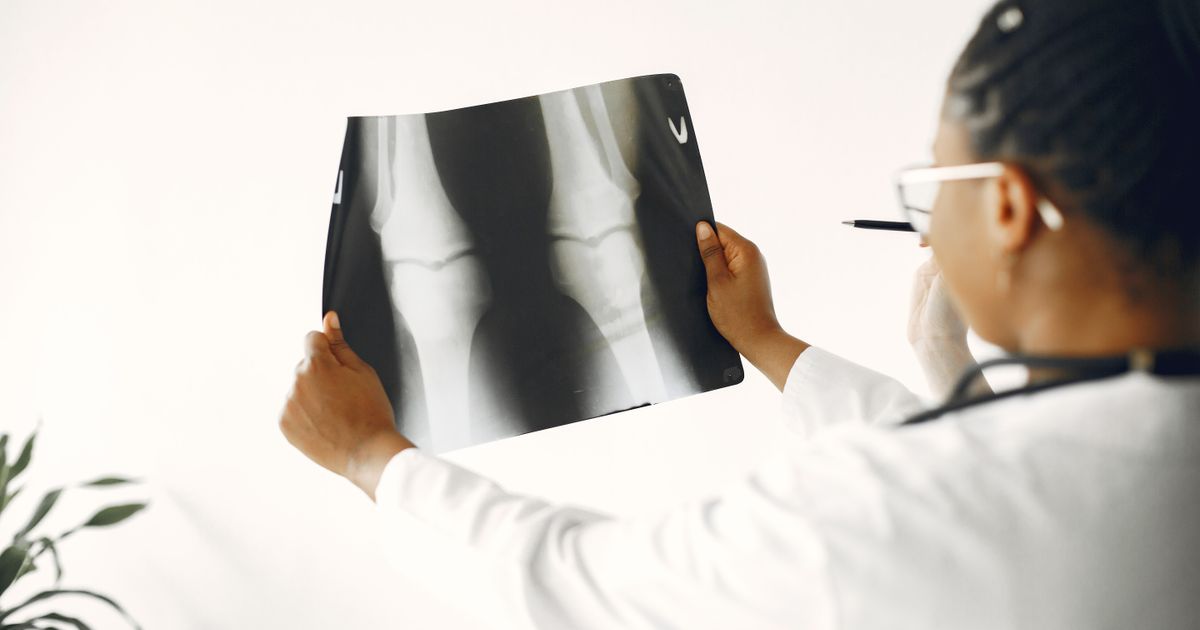
What is partial knee replacement?
The knee has three compartments: the inner (medial) side, the outer (lateral) side and the front, where the kneecap glides on the thigh bone. In many people with osteoarthritis, the cartilage wears out in more than one compartment. In some, the damage stays in just one.
In a partial knee replacement the surgeon removes the worn cartilage and a thin layer of bone from that one compartment only and caps the surfaces with a metal implant on each bone and a plastic insert between them. The other compartments, and the ligaments in the centre of the knee, are left as they are. A tag nrho lub hauv caug hloov, by contrast, resurfaces the whole joint.
Other names for partial knee replacement
- Unicompartmental knee replacement (UKR)
- Unicompartmental knee arthroplasty (UKA)
- Unicondylar knee replacement
- Kev hloov pauv ib nrab ntawm lub hauv caug
- Ib nrab lub hauv caug arthroplasty
- Partial knee resurfacing
Why is partial knee replacement done?
It is done to relieve pain and improve walking when one compartment of the knee is badly worn and non-surgical treatment no longer helps. The usual reasons are:
- Osteoarthritis limited to the inner or, less often, the outer side of the knee. See puas yog kuv lub hauv caug mob yog mob pob qij txha.
- Loss of blood supply to a small area of bone in one compartment (osteonecrosis).
- Arthritis limited to the joint behind the kneecap, in selected people.
Before surgery, most people will have tried weight loss, exercise, pain relief, walking aids and sometimes steroid or txhaj tshuaj hyaluronic acid.
Types of partial knee replacement
- Medial unicompartmental replacement: the inner side is resurfaced. This is by far the most common type.
- Lateral unicompartmental replacement: the outer side is resurfaced. It is done less often.
- Kev hloov pauv ntawm lub patellofemoral: only the joint between the kneecap and the thigh bone is resurfaced.
Implants also differ. In a fixed-bearing design the plastic insert is locked to the metal tray. In a mobile-bearing design it can glide a little. Implants may be fixed to bone with or without bone cement. Some centres use computer navigation or robot-assisted tools to guide the bone cuts, as described on the robotic lub hauv caug hloov phais page. Your surgeon will choose the design they have the most experience with for your knee.
Partial knee replacement compared with total knee replacement
| feature | Ib nrab lub hauv caug hloov | Tag nrho lub hauv caug hloov |
|---|---|---|
| Dab tsi hloov pauv | Ib lub thawv | All joint surfaces of the thigh bone and shin bone, sometimes the kneecap |
| Ligaments | All kept, including the cruciate ligaments | The anterior cruciate ligament is removed; sometimes both cruciates |
| Who is suitable | Only people with one-compartment arthritis, stable ligaments and good movement | Most people with advanced knee arthritis |
| Incision and bone removed | Me me | Loj |
| Thaum ntxov rov zoo | Usually quicker, with less blood loss | Qeeb |
| Feel and bending | Often feels closer to a natural knee | Reliable pain relief; the knee can feel less natural |
| Serious medical complications | Tsawg zaus | Uncommon, but more frequent than with a partial replacement |
| Chance of repeat surgery | Higher over the long term | Txo |
Neither operation is better for everyone. A partial replacement gives up some long-term durability in exchange for a smaller operation and a more natural knee. A total replacement deals with the whole joint in one step. If arthritis is present in more than one compartment, a partial replacement is likely to leave pain behind.
Leej twg tsim nyog, thiab leej twg tsis tsim nyog?
Tej zaum koj yuav tsim nyog yog tias:
- Pain is located mainly on one side of the knee
- X-rays show bone-on-bone wear in one compartment with healthy cartilage elsewhere
- The knee ligaments, especially the anterior cruciate ligament, are working
- The knee bends well and can be straightened almost fully
- Any bow-leg or knock-knee deformity is mild and can be corrected
It is usually not advised if:
- Arthritis affects two or three compartments
- You have inflammatory arthritis such as rheumatoid arthritis, which affects the whole joint lining
- The knee is very stiff, badly deformed or unstable from a kev raug mob ntawm cov leeg
- There is an active infection in or near the knee
Age and body weight alone do not rule out a partial replacement, but they are weighed with your activity level and bone quality. For younger people with bow legs and inner-side wear, siab tibial osteotomy is another joint-preserving option to discuss.
How to prepare for partial knee replacement
- Kev kos duab: a standing kev thaij duab X-ray ntawm lub hauv caug with special views to check each compartment. An MRI is sometimes used to assess the ligaments and the other compartments.
- Kev kuaj mob: a ua tiav cov ntshav suav, blood sugar, kidney tests, urine test and an ECG. Dental or skin infections should be treated first.
- Cov tshuaj uas yuav tsum tau tham txog: blood thinners, diabetes medicines, steroids and medicines that affect the immune system. Follow the instructions about which to stop.
- Get fitter: strengthen the thigh muscles, stop smoking and bring blood sugar under control.
- Nyob rau hnub ntawd: fast as instructed and bring your scans and medicine list. The correct knee is marked before you go to theatre.
How is partial knee replacement performed?
- Kev siv tshuaj loog: tus txha caj qaum los yog dav dav Tshuaj loog is given, usually with a nerve block or numbing injection around the knee. Antibiotics are given through a drip.
- Kev phais: a cut is made over the front of the knee, towards the side being replaced.
- Kev Tshawb Fawb: the surgeon checks all three compartments and the ligaments. If damage is more widespread than the scans showed, the plan may change to a total knee replacement. This possibility is discussed with you beforehand.
- Npaj cov pob txha: worn cartilage and a thin layer of bone are removed from the end of the thigh bone and the top of the shin bone on that side, using guides.
- Trial implants: trial parts are fitted and the knee is moved to check alignment, stability and bending.
- Final implants: the metal parts are fixed to the bone and the plastic insert is placed between them.
- Kaw: the wound is closed in layers and a dressing is applied.
Tom qab phais tas, muaj dab tsi tshwm sim?
You are monitored in the recovery area and then moved to the ward. Pain relief is given regularly, and measures to reduce the risk of blood clots are started. A physiotherapist helps you stand and walk with a frame or crutches, often on the same day, and teaches bending and straightening exercises. Most people go home once they can walk safely, climb a few stairs and manage the toilet on their own.
Kev phom sij thiab teeb meem
Ntau hom
- Swelling, warmth and bruising around the knee for several weeks
- A patch of numbness beside the scar
- Stiffness that needs more physiotherapy
Tsawg dua
- Infection of the wound or around the implant
- Cov ntshav txhaws hauv ceg (cov hlab ntsha sib sib zog nqus thrombosis) los yog lub ntsws
- Continuing pain with no clear cause
- Arthritis developing later in the compartments that were not replaced
- Loosening los yog hnav ntawm qhov cog
- The plastic insert slipping out of place in mobile-bearing designs
- A break in the bone under the implant
- Injury to a nerve or blood vessel, and risks of anaesthesia
- Xav tau kho kev phais, usually conversion to a total knee replacement
Cov txiaj ntsig: nws ua haujlwm zoo li cas?
In people who meet the selection criteria, partial knee replacement gives good pain relief and function. Many people report that the knee feels more normal than a total replacement would, with good bending.
Most partial knee replacements are still working well ten years after surgery. Joint registry data from several countries show, however, that they are revised more often than total knee replacements. The reasons include arthritis progressing in the rest of the knee and loosening. Results are more consistent when the surgeon performs the operation regularly and when the selection criteria are followed strictly.
Recovery after partial knee replacement
- Hnub 1 txog 14: walk short distances several times a day with support, do your exercises, use ice and keep the leg raised when resting. Stitches or clips come out at about two weeks.
- Lub Ob Hlis 2 txog 6: most people move from a frame to a stick and then walk unaided. Bending improves steadily. Driving and desk work often resume in this period once you are comfortable and your surgeon agrees.
- Lub Ob Hlis 6 txog 12: longer walks, stairs without support, cycling and swimming once the wound is fully healed.
- Lub Hlis 3 txog 12: swelling settles and strength continues to improve.
Nrhiav kev pab kho mob thaum twg
- Ua npaws lossis ua daus no
- Increasing redness, warmth, swelling or discharge from the wound
- Mob nyuj los yog o
- Ua tsis taus pa lossis mob hauv siab tam sim ntawd
- Pain that keeps getting worse instead of better
- The knee suddenly locking, giving way or becoming unable to bear weight
Life after partial knee replacement
- Stay active with low-impact exercise such as walking, cycling, swimming and yoga within comfort.
- Avoid regular running, jumping and contact sport, which may shorten the life of the implant.
- Khaws koj qhov hnyav kom nyob rau hauv qhov ntau thiab tsawg noj qab nyob zoo.
- Kneeling is not harmful once the wound has healed, but it can be uncomfortable. Use a cushion.
- Tell your dentist and other doctors that you have a joint implant.
- Attend follow-up visits with X-rays as advised, even if the knee feels fine.
Benefits of partial knee replacement
- Only the damaged part is replaced; healthy bone, cartilage and ligaments are kept
- Smaller incision and usually less blood loss
- Shorter hospital stay and quicker early recovery for most people
- The knee often bends well and feels more natural
- Lower rate of serious medical complications than total knee replacement
- If it fails, it can usually be converted to a total knee replacement
What is the cost of partial knee replacement in India?
Tus nqi nyob ntawm:
- The type and make of implant
- Whether computer navigation or robot-assisted tools are used
- Whether one or both knees are treated
- Lub sijhawm nyob thiab pawg chav
- Tests, medicines, physiotherapy and walking aids
- Lub nroog thiab lub tsev kho mob
Tus nqi sib txawv ntawm ib tus neeg mus rau ib tus neeg. Thov nrog tsev kho mob tham kom paub tus nqi tiag tiag.
Most health insurance policies cover knee replacement after the waiting period, though implant limits apply in some plans, so confirm the details with your insurer.
Why choose Apollo Hospitals for partial knee replacement?
- Orthopaedic surgeons who perform partial knee replacement, total knee replacement and knee osteotomy, so the choice can be matched to your knee
- Careful selection using standing X-rays and, when needed, MRI
- Anaesthesia and pain control methods aimed at early walking
- Physiotherapy from the day of surgery, with a home exercise plan
- Qhov muaj nyob rau ntawm txhua lub chaw sib txawv. Thov nrog lub tsev kho mob tham.
To find out whether you are suitable, teem caij ntsib kws phais pob txha ntawm Apollo Hospitals.
Kev nyeem ntawv
- Tag nrho lub hauv caug hloov
- Lub hauv caug hloov kev phais
- Kev phais pob txha tibial siab
- Robotic hauv caug hloov phais
- Joint replacement (arthroplasty)
Questions to ask your doctor about partial knee replacement
- Is my arthritis truly limited to one compartment?
- Am I a better candidate for a partial or a total knee replacement, and why?
- How many partial knee replacements do you perform each year?
- Which implant design will you use?
- What happens if you find more damage during the operation?
- How long is the implant likely to last for someone of my age and activity?
- When can I walk unaided, drive and return to work?
- Which activities should I avoid in the long term?
FAQ
1. Is partial knee replacement better than total knee replacement?
It depends on the knee. For arthritis in one compartment with healthy ligaments, a partial replacement offers quicker recovery and a more natural feel. A total replacement is more durable and is the right choice when damage is widespread.
2. Who is not a candidate for partial knee replacement?
People with arthritis in more than one compartment, inflammatory arthritis, a torn anterior cruciate ligament, a very stiff knee or a severe deformity are usually advised to have a total knee replacement instead.
3. How long does a partial knee replacement last?
Most are still working well at ten years, and many last longer. Durability depends on correct selection, surgical accuracy, body weight and activity. No implant can be guaranteed for a fixed number of years.
4. Lub sijhawm rov zoo yuav ntev npaum li cas?
Many people walk without support within two to six weeks and are back to most routine activities by about six weeks. Swelling and strength keep improving for several months.
5. Is partial knee replacement painful?
There is pain after any joint surgery, but it is usually less than after a total knee replacement. It is controlled with nerve blocks, pain relief medicines and ice, and it eases over the first few weeks.
6. Can a partial knee replacement be converted to a total one later?
Yes. If the implant loosens or arthritis develops in the rest of the knee, the partial replacement can be removed and replaced with a total knee replacement. This revision is usually more involved than a first-time total replacement.
7. Can both knees be done at the same time?
In selected healthy people both knees can be done in one sitting, because the operation is smaller than a total replacement. Many surgeons prefer to stage the two sides a few weeks or months apart.
8. Can I sit cross-legged or squat after a partial knee replacement?
Bending is usually good after this operation, and some people can sit cross-legged. Deep squatting and sitting on the floor for long periods put high loads on the implant, so ask your surgeon what is advisable with your implant design.
9. Is there an age limit for partial knee replacement?
No fixed limit. It is done in middle-aged and older adults. In older people the lower surgical stress is an advantage. In younger, very active people the implant may wear sooner, and other options are also discussed.
10. Is robotic surgery necessary for partial knee replacement?
No. Good results are achieved with conventional instruments in experienced hands. Robot-assisted tools can help with the accuracy of bone cuts and implant position, but it is not yet clear that this leads to better long-term results for patients.
11. When can I drive after a partial knee replacement?
Usually after a few weeks, once you can bend the knee comfortably, control the pedals in an emergency stop and are no longer taking strong pain medicines.
12. Will the other parts of my knee wear out later?
They may. Arthritis can progress in the compartments that were not replaced, which is one of the main reasons for revision. Keeping a healthy weight and strong muscles may help, and careful selection lowers this risk.
13. What is the difference between partial knee replacement and high tibial osteotomy?
Both treat one-sided knee arthritis. A partial replacement resurfaces the worn side with an implant. An osteotomy keeps the joint and realigns the leg to move load to the healthy side. Osteotomy is generally preferred for younger, very active people.
14. Which doctor performs partial knee replacement?
Partial knee replacement is performed by an orthopaedic surgeon who specialises in knee or joint replacement surgery.
xaus
Partial knee replacement is a smaller operation than total knee replacement and suits people whose arthritis is confined to one compartment of a stable, mobile knee. It usually offers quicker recovery and a more natural-feeling joint, at the cost of a somewhat higher chance of further surgery in the long run. Total knee replacement remains the more dependable choice when damage is widespread. An honest assessment of your X-rays with an experienced knee surgeon will show which option fits your knee.
Cov nplooj ntawv no yog rau cov ntaub ntawv dav dav thiab tsis hloov cov lus qhia los ntawm koj tus kws kho mob. Kev txiav txim siab txog kev kho mob yuav tsum tau ua nrog tus kws tshwj xeeb uas paub koj keeb kwm kev kho mob.
Nyuam qhuav ntxiv


Cov Kws Kho Mob Pob Qij Txha ntawm Apollo Tsev Kho Mob




Disclaimer:
Cov ntaub ntawv muab rau ntawm nplooj ntawv no tsuas yog rau kev qhia dav dav thiab kev kawm xwb. Txawm hais tias peb siv zog ua kom cov ntaub ntawv no muaj tseeb, txhim khu kev qha, thiab tshuaj xyuas tas li, nws yuav tsum tsis txhob raug suav hais tias yog ib qho kev hloov pauv rau cov lus qhia kho mob, kev kuaj mob, lossis kev kho mob.
Qhov kev tsim nyog ntawm kev kho mob, nrog rau nws cov txiaj ntsig, kev pheej hmoo, kev npaj, kev rov zoo, cov teeb meem uas yuav tshwm sim, thiab cov txiaj ntsig xav tau, yuav txawv ntawm ib tus neeg mus rau ib tus neeg. Koj tus kws kho mob yuav txiav txim siab seb qhov kev kho mob puas tsim nyog raws li koj tus mob thiab keeb kwm kev kho mob.
Thov nrog ib tus kws kho mob uas tsim nyog tham kom tau txais cov lus qhia rau koj ua ntej koj txiav txim siab txog kev kho mob.
Yog xav paub ntxiv txog peb cov ntsiab lus kho mob raug tsim, tshuaj xyuas, hloov kho tshiab, thiab tswj hwm li cas, thov nyeem peb [Txoj Cai Kho Mob].




