


اپالو ایڈیٹوریل ٹیم کے ذریعہ جائزہ لیا گیا۔
فوری جواب
Thymectomy is an operation to remove the thymus, a small gland that sits behind the breastbone. It is done mainly for two reasons: to treat myasthenia gravis, a condition that causes muscle weakness, and to remove a tumour of the thymus such as a thymoma. The surgery can be done through an open cut in the chest or by keyhole and robotic methods, which allow a faster recovery.
| کلیدی حقائق | تفصیلات دیکھیں |
|---|---|
| What it treats | Myasthenia gravis, thymoma, thymic carcinoma and other growths of the thymus |
| م | Open (transsternal), transcervical, keyhole (VATS) and robotic-assisted thymectomy |
| اینستھیزیا | جنرل اینستھیزیا |
| سرجری کا دورانیہ | عام طور پر 1 سے 3 گھنٹے |
| ہسپتال کا قیام۔ | About 1 to 3 days after keyhole or robotic surgery, and 3 to 5 days after open surgery |
| شفایابی | Around 2 to 3 weeks after keyhole or robotic surgery, and 6 to 8 weeks after open surgery |
| سپیشلٹی | Thoracic surgery, with neurology for myasthenia gravis |
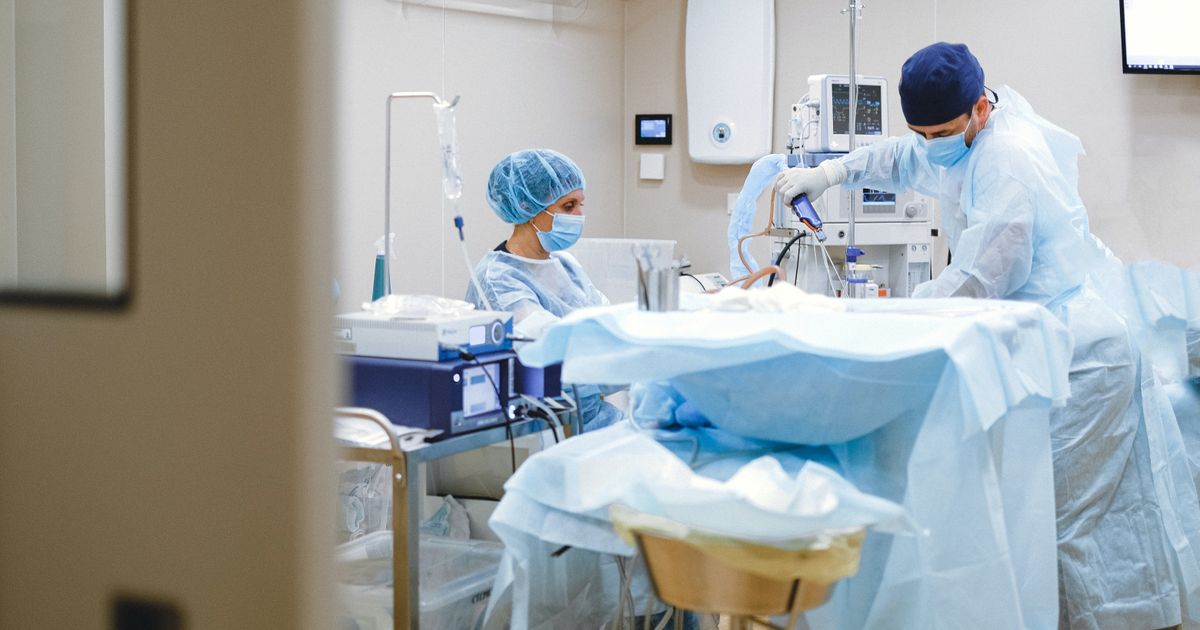
What is a thymectomy?
The thymus is a soft, butterfly-shaped gland in the upper chest. It lies just behind the breastbone and in front of the heart. In childhood it plays an important part in building the immune system by helping a type of white blood cell, called a T cell, to mature. After puberty the gland slowly shrinks and is replaced by fat. In adults it has very little work left to do.
A thymectomy is the surgical removal of this gland. In most cases the surgeon also removes the fatty tissue around it, because small islands of thymus tissue can be scattered there. Removing all of it gives the best result, both for myasthenia gravis and for tumours.
Other names for thymectomy
- Thymus removal surgery or thymus gland removal
- Extended thymectomy, when the surrounding fat is also removed
- VATS thymectomy or thoracoscopic thymectomy (keyhole surgery)
- Robotic thymectomy or robot-assisted thymectomy
- Transsternal thymectomy (open surgery through the breastbone)
- Thymomectomy, when only a thymus tumour is removed
Why is a thymectomy done?
مایستینیا گروس
مایستینیا گروس ہے ایک خود سے چلنے والی حالت in which the body makes antibodies that block the signals between nerves and muscles. This leads to weakness that gets worse with activity. Drooping eyelids, double vision, difficulty in chewing and swallowing, slurred speech and weak arms and legs are common.
The thymus is thought to play a part in producing these harmful antibodies. In many people with myasthenia gravis the gland is enlarged or overactive, and about 1 in 10 have a thymoma. Removing the thymus can reduce symptoms, lower the dose of medicines needed and, in some people, lead to long-term remission.
Thymoma and other thymus tumours
A thymoma is a tumour that starts in the thymus. Most grow slowly, but they can press on nearby structures or spread to the lining of the lung if left alone. Thymic carcinoma is a rarer and more aggressive cancer of the same gland. Surgery to remove the whole thymus along with the tumour is the main treatment for both. Thymus cysts and an enlarged thymus that is causing symptoms may also be removed.
Who is a candidate for thymectomy?
Your neurologist and thoracic surgeon will usually recommend thymectomy if:
- You have a thymoma or another tumour of the thymus, whether or not you have myasthenia gravis
- You have generalised myasthenia gravis with a positive acetylcholine receptor antibody test, and you are roughly between 18 and 65 years of age
- Your myasthenia gravis is not well controlled with medicines, or you need high doses to keep symptoms in check
- You have had the condition for a relatively short time. Results tend to be better when surgery is done within the first few years
Surgery is considered case by case in children, in older adults, in people with weakness limited to the eye muscles, and in those whose antibody tests are negative.
Who may not be suitable for thymectomy?
- People whose myasthenia gravis is unstable, with breathing or swallowing difficulty. Surgery is delayed until the condition is brought under control
- People with severe heart or lung disease who cannot safely have general anaesthesia
- People with a type of myasthenia gravis that is known to respond poorly to thymus removal
- People whose tumour has spread too widely to be removed. Other treatments may be given first to shrink it
Types of thymectomy
Open (transsternal) thymectomy
The surgeon makes a cut down the middle of the chest and divides the breastbone to reach the thymus. This gives a wide view and is preferred for large tumours or tumours that have grown into nearby tissue. The breastbone is wired together at the end and takes 6 to 8 weeks to heal.
Transcervical thymectomy
The gland is removed through a small cut across the lower neck, without opening the chest. It suits selected people with myasthenia gravis who do not have a tumour.
VATS thymectomy (keyhole surgery)
In ویڈیو کی مدد سے تھراکوسکوپک سرجری, the surgeon works through 2 or 3 small cuts on the side of the chest, using a camera and long instruments. There is no cut through the breastbone, so there is less pain and a quicker return to normal life.
روبوٹک تھیمیکٹومی
This is a form of keyhole surgery in which the surgeon controls fine instruments from a console, with a magnified 3D view. The روبوٹک سرجیکل نظام allows precise work in the narrow space behind the breastbone and helps protect the nerves that run beside the thymus.
| نمایاں کریں | Open thymectomy | Keyhole or robotic thymectomy |
|---|---|---|
| واقعہ | One long cut through the breastbone | 2 to 4 small cuts on the side of the chest |
| کے لیے بہترین موزوں ہے۔ | Large or invasive tumours | Myasthenia gravis without a tumour, and small to medium tumours |
| ہسپتال کا قیام۔ | 3 5 دنوں تک | 1 3 دنوں تک |
| سرجری کے بعد درد | مزید | کم |
| Return to routine activity | 6 8 ہفتوں تک | 2 3 ہفتوں تک |
| نشان | Visible scar on the front of the chest | Small scars on the side |
The right approach depends on the size and position of the gland or tumour, your general health and the surgeon's assessment. The aim in every method is the same: complete removal of the thymus.
How to prepare for thymectomy
سرجری سے پہلے ٹیسٹ
- A سی ٹی اسکین or MRI of the chest to study the thymus and any tumour
- A PET-CT اسکین in some people with a tumour
- Blood tests, including antibody tests for myasthenia gravis
- پھیپھڑوں کے فنکشن ٹیسٹ to check breathing strength
- Nerve and muscle tests such as الیکٹومیولوگرافی, if the diagnosis needs to be confirmed
- ECG, chest X-ray and an anaesthesia check-up
Getting myasthenia gravis under control
If you have myasthenia gravis, the most important step is to make sure your muscle strength is as good as it can be before the operation. Your neurologist may adjust your medicines. Some people are given plasma exchange or an antibody infusion in the days before surgery to reduce the risk of breathing weakness afterwards.
In the days before
- Tell your team about every medicine and supplement you take, including blood thinners
- Stop smoking. It slows healing and raises the risk of chest infection
- Do not eat or drink for the number of hours advised before the operation
- Take your myasthenia gravis medicines on the morning of surgery exactly as instructed
- Arrange for help at home for the first week or two
How is a thymectomy performed?
- Anaesthesia. You are given general anaesthesia and will be asleep throughout. The anaesthetist chooses medicines that are safe for people with myasthenia gravis.
- رسائی. The surgeon reaches the thymus through the breastbone, the neck or small cuts on the side of the chest, depending on the method chosen.
- سے ہٹانا. The thymus is carefully separated from the heart covering, the large veins and the nerves on either side, and removed along with the surrounding fat. If there is a tumour, it is taken out in one piece with a margin of healthy tissue.
- چیک کرتا ہے۔ The area is checked for bleeding. A thin drainage tube is usually placed in the chest.
- بندش. The cuts are closed with stitches. In open surgery the breastbone is joined with wires.
The operation generally takes between 1 and 3 hours. The removed tissue is sent to the laboratory for examination.
سرجری کے بعد کیا امید ہے
- You will wake up in the recovery area or the intensive care unit, where your breathing and muscle strength are watched closely
- Most people breathe on their own straight away. A few with myasthenia gravis need support from a ventilator for a short time
- Pain is controlled with medicines. Breathing exercises and early walking start on the first day
- The chest drain is usually removed within 1 to 2 days
- Your myasthenia gravis medicines are continued
Risks and complications of thymectomy
Thymectomy is a safe operation in experienced hands. As with any surgery, there are risks.
عام خطرات
- بلے باز
- Wound or chest infection
- Pain or numbness around the cuts
- اینستھیزیا پر ردعمل
- ٹانگوں یا پھیپھڑوں میں خون کا جمنا
Risks specific to thymectomy
- A temporary worsening of muscle weakness, including a myasthenic crisis that affects breathing
- Injury to the phrenic nerve, which can weaken the diaphragm and cause breathlessness
- Injury to the nerve that supplies the voice box, leading to a hoarse voice
- Air or fluid collecting around the lung
- Slow healing of the breastbone after open surgery
- Incomplete removal, or a tumour coming back
Results: how well does thymectomy work?
For myasthenia gravis
The benefit is real but gradual. Improvement usually appears over months and can continue for up to 2 to 3 years after surgery. Research comparing surgery with medicines alone has shown that people who have their thymus removed tend to have milder symptoms, need lower doses of medicine and have fewer hospital admissions for flare-ups. Some go into complete remission and no longer need treatment. Others still need medicines, but less than before.
Thymectomy is not an emergency treatment and it does not replace your medicines in the short term. Keep taking them until your neurologist advises a change.
For thymoma
When an early-stage thymoma is removed completely, the outlook is very good and surgery alone is often enough. If the tumour has grown beyond its capsule, radiotherapy or chemotherapy may be added. Because thymomas can return many years later, regular follow-up scans are advised.
Recovery after thymectomy
گھر پر
- Walk a little every day and increase the distance gradually
- Continue the breathing exercises you were taught
- Keep the wounds clean and dry, and follow the advice given about bathing
- Take pain relief as prescribed so that you can cough and breathe deeply
- Eat a balanced diet with enough protein to help healing
سرگرمی
- After keyhole or robotic surgery, most people return to desk work in 2 to 3 weeks
- After open surgery, avoid lifting anything heavy, pushing or pulling for 6 to 8 weeks while the breastbone heals
- Do not drive until you can move comfortably and are no longer taking strong painkillers. Check with your surgeon
جب طبی مدد لی جائے
- Increasing breathlessness or difficulty in swallowing
- پٹھوں کی کمزوری کا اچانک بگڑ جانا
- Fever, or redness, swelling or discharge from a wound
- Chest pain that is getting worse
- A clicking or moving sensation in the breastbone
Life after thymectomy
Adults manage well without a thymus. By adulthood the immune cells it helped to train are already in circulation, so removing the gland does not leave you prone to everyday infections.
- Keep your neurology follow-up. Medicine doses are reduced slowly and only under supervision.
- اپنے محرکات کو جانیں۔ Infections, lack of sleep, stress and extreme heat can bring on weakness in myasthenia gravis.
- Check before starting new medicines. Some commonly used medicines can worsen myasthenia gravis. Tell every doctor and dentist about your condition.
- ویکسینیشن کے ساتھ اپ ٹو ڈیٹ رہیں جیسا کہ آپ کے ڈاکٹر نے مشورہ دیا ہے۔
- Attend your scans. If you had a thymoma, follow-up CT scans are needed for many years.
- سرگرم رہیں۔ Gentle, regular exercise helps maintain strength and stamina.
Benefits of thymectomy
- Better control of myasthenia gravis in the long term
- Lower doses of medicines, and fewer side effects from them
- A chance of complete remission in some people
- Removal of a tumour before it grows or spreads
- With keyhole and robotic methods, small scars, less pain and a short hospital stay
What is the cost of thymectomy in India?
The estimated cost of thymectomy in India ranges from about ₹5,00,000 to ₹8,00,000*. Where your cost falls in this range depends on:
- The method used: open, keyhole or robotic
- Whether it is done for myasthenia gravis or for a tumour
- Tests and treatments needed before surgery, such as scans and plasma exchange
- The length of stay in the intensive care unit and the ward
- The type of room chosen
- شہر اور ہسپتال
- Further treatment such as radiotherapy, if needed
*دکھائی گئی لاگت صرف اشارے پر ہے۔ براہ کرم اصل قیمتوں کے لیے ہسپتال سے چیک کریں۔
Thymectomy is covered by most health insurance policies when it is medically advised. The billing or insurance desk at the Apollo hospital nearest to you can give an estimate based on your reports.
Why choose Apollo Hospitals for thymectomy?
- Thoracic surgeons experienced in open, keyhole and robotic chest surgery
- Neurologists, anaesthetists and intensive care specialists who plan each case together
- Plasma exchange and intensive care support available on site
- Robotic surgery systems at major Apollo hospitals
- Cancer specialists and radiotherapy under the same roof for people with thymoma
Book an appointment with a neurologist at Apollo Hospitals to discuss whether thymectomy is right for you. You can also find a neurologist in دلی, گروگرام۔, ممبئی, چنئی, حیدرآباد, بنگلور اور کولکتہ.
متعلقہ پڑھنا
Questions to ask your doctor before thymectomy
- Why are you recommending thymectomy for me?
- Which type of surgery suits my case: open, keyhole or robotic?
- How should my myasthenia gravis be prepared before the operation?
- What improvement can I expect, and how long will it take?
- Will I still need medicines after surgery?
- میری صحت کی حالتوں والے کسی کے لیے کیا خطرات ہیں؟
- How long will I be in hospital, and when can I return to work?
- If I have a tumour, will I need any treatment after surgery?
- How often will I need follow-up visits and scans?
اکثر پوچھے گئے سوالات
1. Is thymectomy a major surgery?
Yes. It is done under general anaesthesia and involves operating close to the heart and major blood vessels. Keyhole and robotic methods have made it much less invasive, with a hospital stay of only a few days.
2. Does thymectomy cure myasthenia gravis?
It can, but not in everyone. Some people go into complete remission. Many others improve and need fewer medicines. A small number see little change.
3. How long does it take to see results after thymectomy?
Improvement is slow. It usually begins within a few months and may continue for 2 to 3 years after the operation.
4. Can you live a normal life without a thymus?
Yes. In adults the thymus has already done its main job, so removing it does not weaken day-to-day immunity.
5. How long does a thymectomy take?
The operation usually takes 1 to 3 hours, depending on the method used and whether a tumour is present.
6. How long is the hospital stay after thymectomy?
About 1 to 3 days after keyhole or robotic surgery, and 3 to 5 days after open surgery. People with myasthenia gravis may stay a little longer for observation.
7. Which is better, robotic or open thymectomy?
Neither is better for everyone. Robotic and keyhole surgery offer less pain and quicker recovery, and suit most people with myasthenia gravis and smaller tumours. Open surgery is safer for large tumours or those attached to nearby structures.
8. Is thymectomy painful?
You will have some pain after surgery, which is controlled with medicines. Pain is less after keyhole and robotic surgery than after open surgery.
9. What are the side effects of thymus removal?
Short-term effects include pain, tiredness and a temporary increase in muscle weakness. Long-term side effects are uncommon. Rarely, a nerve injury can affect the voice or breathing.
10. Will I need medicines after thymectomy?
Most people continue their medicines for some time. Doses are lowered gradually as symptoms improve, and some people are able to stop them.
11. Is thymectomy done in children?
It can be, in selected cases. Because the thymus is still active in young children, the decision is made carefully by a specialist team.
12. Is a thymoma cancer?
A thymoma is a tumour of the thymus that usually grows slowly. It is treated as a cancer because it can spread within the chest, but the outlook is very good when it is found early and removed completely.
13. Can a thymoma come back after surgery?
It can, sometimes many years later. This is why regular follow-up with scans is advised after surgery.
14. Which doctor performs thymectomy?
A thoracic surgeon or cardiothoracic surgeon performs the operation, working with a neurologist when it is done for myasthenia gravis.
نتیجہ
Thymectomy is an established treatment for myasthenia gravis and the main treatment for tumours of the thymus. Keyhole and robotic surgery have made the operation easier to recover from, while open surgery remains important for larger tumours. The benefits in myasthenia gravis build up slowly, so patience and regular follow-up with your neurologist are part of the treatment.
This page is for general information and does not replace advice from your doctor. Treatment decisions should be made with a qualified specialist who knows your medical history.
حال ہی میں شامل


Thoracic Surgeons at Apollo Hospitals





ڈس کلیمر:
اس صفحہ پر فراہم کردہ معلومات کا مقصد صرف عام معلوماتی اور تعلیمی مقاصد کے لیے ہے۔ اگرچہ ہم اس بات کو یقینی بنانے کے لیے معقول کوششیں کرتے ہیں کہ معلومات درست، قابل بھروسہ، اور اس کا باقاعدگی سے جائزہ لیا جائے، اسے پیشہ ورانہ طبی مشورے، تشخیص یا علاج کا متبادل نہیں سمجھا جانا چاہیے۔
طبی طریقہ کار کی مناسبیت، اس کے فوائد، خطرات، تیاری، بحالی، ممکنہ پیچیدگیوں، اور متوقع نتائج کے ساتھ، فرد سے فرد میں مختلف ہو سکتے ہیں۔ آپ کا ہیلتھ کیئر پروفیشنل اس بات کا تعین کرے گا کہ آیا آپ کی انفرادی حالت اور طبی تاریخ کی بنیاد پر کوئی طریقہ کار مناسب ہے۔
کسی بھی طبی طریقہ کار کے بارے میں فیصلہ کرنے سے پہلے ذاتی مشورے کے لیے براہ کرم کسی مستند صحت کی دیکھ بھال کرنے والے پیشہ ور سے مشورہ کریں۔
اس بارے میں مزید معلومات کے لیے کہ ہمارا طبی مواد کیسے بنایا جاتا ہے، اس کا جائزہ لیا جاتا ہے، اپ ڈیٹ کیا جاتا ہے اور اسے برقرار رکھا جاتا ہے، براہ کرم ہماری [ادارتی پالیسی] پڑھیں ۔




