


اپالو ایڈیٹوریل ٹیم کے ذریعہ جائزہ لیا گیا۔
فوری جواب
Radiofrequency neurotomy is a needle-based procedure that uses heat from radio waves to switch off small nerves that carry pain signals from arthritic joints of the spine, the sacroiliac joint or the knee. It is considered for long-term pain that has not improved with medicines and physiotherapy, and only after test injections have shown that those nerves are the source of the pain. It is done as a day care procedure under local anaesthesia with X-ray guidance. Relief typically lasts from several months to a year or more, and the procedure can be repeated because the nerves slowly grow back.
| کلیدی حقائق | تفصیلات دیکھیں |
|---|---|
| یہ کیا ہے | Heating of small pain-carrying nerves through a fine needle |
| اہم استعمال | Long-term neck or back pain from the facet joints, sacroiliac joint pain and some knee arthritis pain |
| اینستھیزیا | Local anaesthesia, sometimes with light sedation |
| وقت لیا | About 30 to 90 minutes, depending on the number of nerves |
| ہسپتال کا قیام۔ | دن کی دیکھ بھال |
| When relief starts | Usually within one to three weeks |
| یہ کتنی دیر تک رہتا ہے۔ | Often six to twelve months, sometimes longer. It varies widely. |
| کی طرف سے کارکردگی کا مظاہرہ کیا | A pain specialist or spine specialist trained in image-guided procedures |
What is radiofrequency neurotomy?
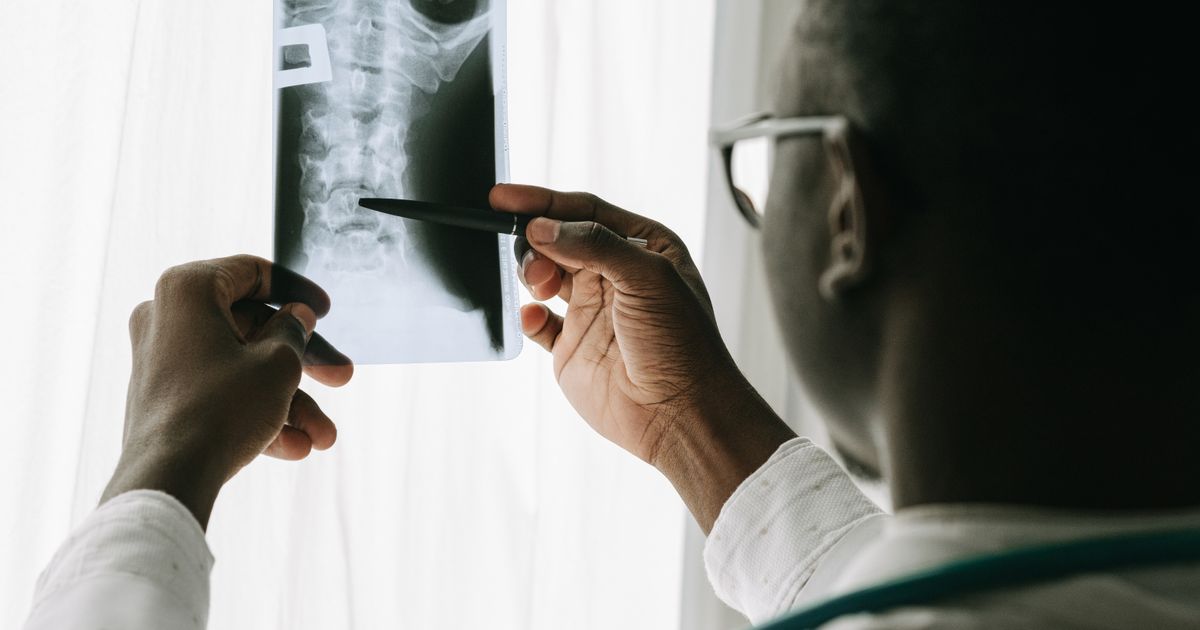
Each joint in the spine is supplied by tiny nerves whose only job is to carry sensation, including pain, from the joint to the brain. In radiofrequency neurotomy, the doctor guides a thin, insulated needle next to one of these nerves under X-ray imaging. A radiofrequency current is passed through the tip of the needle, which heats a small area of tissue and creates a controlled lesion in the nerve. The nerve can no longer pass on pain signals from that joint.
The procedure does not repair the joint or cure arthritis. It interrupts the pain message. The nerves treated do not control the muscles of the arms or legs, so strength and movement of the limbs are not affected when the procedure is done correctly. Because nerves regenerate, the effect wears off over time.
Radiofrequency energy is also used elsewhere in medicine, for example to treat heart rhythm problems, tumours and varicose veins. You can read about these on the general page on ریڈیو فریکونسی کے خاتمے. This page deals only with nerve treatment for long-term spine and joint pain.
Other names for radiofrequency neurotomy
- Radiofrequency ablation (RFA) of nerves
- Radiofrequency rhizotomy or facet rhizotomy
- ریڈیو فریکوئنسی کی کمی
- Medial branch neurotomy
- Genicular nerve ablation (for the knee)
- ریڈیو فریکونسی گھاو
Why is radiofrequency neurotomy done?
It is considered when pain has lasted for more than about three months, limits daily life and has not improved enough with exercise-based physiotherapy, pain medicines and other simple measures. The main uses are:
- Facet joint pain in the lower back: the facet joints are small joints at the back of the spine. Wear and tear, as in اسپانڈیلس, can make them a source of long-term پیٹھ میں درد.
- Facet joint pain in the neck: سے گریوا spondylosis or after a whiplash injury, sometimes with headache starting at the back of the head.
- Sacroiliac joint pain: pain from the joint between the base of the spine and the pelvis, including in some people with سلیرویلوائٹس.
- Knee pain from osteoarthritis: لوگوں میں osteoarthritis who are not ready or not fit for surgery, or who still have pain after a knee replacement.
- Hip and shoulder joint pain: in selected cases. Experience here is more limited.
Radiofrequency neurotomy does not treat pain caused by a pinched nerve root, such as سکیٹیکا ایک سے ہرنٹی ڈسک or ریڑھ کی ہڈی. Those conditions need different treatment.
Types of radiofrequency treatment
| قسم | یہ کیسے کام کرتا ہے | جہاں یہ عام استعمال ہوتا ہے۔ | نوٹ کرنے کے لئے نکات |
|---|---|---|---|
| Conventional (thermal) radiofrequency | Continuous current heats the needle tip and creates a small lesion in the nerve | Facet joints of the neck and back | The most widely studied method |
| Cooled radiofrequency | Water circulating in the probe cools the tip, which allows a larger lesion | Sacroiliac joint, knee, hip | Useful where the nerve position varies from person to person |
| پلسڈ ریڈیو فریکونسی | Short bursts of current at a lower temperature alter how the nerve signals, without destroying it | Selected nerves where a heat lesion is not advisable | Evidence of lasting benefit is less certain |
Treatments are also named after the nerves targeted: medial branch nerves for the facet joints, lateral branch nerves for the sacroiliac joint and genicular nerves for the knee.
Who is suitable for radiofrequency neurotomy?
- Adults with long-term neck, back, sacroiliac or knee pain that matches the pattern of joint pain on examination
- People who have tried a reasonable course of conservative treatment without enough relief
- People whose pain was clearly, though temporarily, relieved by diagnostic nerve block injections
- People for whom surgery is not needed, not wanted or too risky
The role of diagnostic blocks
Scans cannot reliably show whether a particular joint is painful. Before the procedure, the doctor injects a small amount of local anaesthetic next to the target nerves under X-ray guidance. If your usual pain falls substantially for a few hours, those nerves are likely to be carrying it. Many doctors repeat the block on a second day to be more certain. If the blocks give little relief, radiofrequency neurotomy is unlikely to help and is not advised.
کون موزوں نہیں ہو سکتا؟
- People with an infection at the needle site or anywhere in the body
- People with a bleeding disorder or on blood thinners that cannot be paused safely
- Women who are pregnant, because X-rays are used
- People whose pain comes mainly from nerve compression, a fracture, a tumour or an inflammatory condition that needs its own treatment
- People who had no meaningful relief from diagnostic blocks
If you have a pacemaker, an implanted defibrillator or a spinal cord stimulator, the procedure may still be possible with extra precautions. Tell the team in advance.
How to prepare for radiofrequency neurotomy
Tests and assessment
- A detailed history and physical examination
- Imaging such as an ایکس رے or یمآرآئ to look for other causes of pain
- Diagnostic nerve blocks, with a pain diary for the hours afterwards
- Blood tests, including clotting tests, if needed
بحث کرنے کے لئے ادویات
Tell your doctor about all your medicines, especially blood thinners, diabetes medicines and regular pain medicines, and about any allergy to local anaesthetics, antiseptics or contrast dye. You may be asked to stop a blood thinner for a few days, but only after the doctor who prescribed it agrees. Do not stop any medicine by yourself.
اس دن
- Follow the fasting instructions if sedation is planned.
- Take your permitted morning medicines with a sip of water.
- Wear loose, comfortable clothes and leave jewellery at home.
- Arrange for an adult to take you home. You should not drive for the rest of the day.
- Tell the staff if you have a fever, a skin infection or might be pregnant.
How is radiofrequency neurotomy performed?
- پوجشننگ: you lie on a procedure table, usually face down for the spine and on your back for the knee. Your pulse, blood pressure and oxygen level are monitored. Light sedation may be given, but you stay awake enough to answer questions.
- Cleaning and numbing: the skin is cleaned with antiseptic and numbed with a local anaesthetic injection.
- Placing the needles: using live X-ray imaging, called فلوروسکوپی, the doctor guides a thin insulated needle to each target nerve. Ultrasound is sometimes used for the knee.
- امتحان: a tiny current is passed through the needle. You may feel tingling or pressure in your usual area of pain, which confirms the position. A second test checks that the needle is not close to a nerve that moves the arm or leg muscles.
- Numbing the nerve: local anaesthetic is injected through the needle so that the heating is comfortable.
- Applying the radiofrequency current: the tip is heated for a minute or two at each site to create the lesion. Several nerves are usually treated, because each joint is supplied by more than one.
- تکمیل کر رہا ہے: the needles are removed and small dressings are applied. No stitches are needed.
طریقہ کار کے بعد کیا ہوتا ہے؟
You are observed for an hour or two and can then go home. The area may feel numb or weak for a few hours from the local anaesthetic. Rest for the remainder of the day.
Soreness at the needle sites, similar to a deep bruise or mild sunburn, is common for several days and sometimes for up to two weeks. Your usual pain may even feel a little worse during this time before it starts to settle. A cold pack and simple pain relief, as advised by your doctor, usually help.
Risks and complications of radiofrequency neurotomy
Common and temporary
- Soreness, bruising or swelling at the needle sites
- A temporary flare of pain or a burning, sensitive feeling in the skin over the area
- A small patch of numb skin
- Muscle spasm near the treated area
غیر معمولی یا نایاب
- انفیکشن: at the needle site or, rarely, deeper.
- خون بہہ رہا ہے: more likely in people on blood thinners.
- اعصابی چوٹ: damage to a nearby nerve can cause lasting numbness, pain or weakness. Testing before heating is done to reduce this risk.
- Skin burn: rare with modern equipment.
- Dizziness or unsteadiness: occasionally after treatment in the upper neck. It usually settles.
- الرجک رد عمل: to the anaesthetic, antiseptic or other injected substances.
- کوئی ریلیف نہیں: the procedure does not help everyone, even after successful test blocks.
نتائج: یہ کتنا اچھا کام کرتا ہے؟
When people are selected carefully with diagnostic blocks, many get a worthwhile reduction in pain and can move, sleep and exercise more comfortably. Complete freedom from pain is less common. Results are generally more consistent for facet joint pain than for some other sites, and studies do not all agree on how large the benefit is.
Relief usually begins within one to three weeks. It often lasts six to twelve months and sometimes longer, but in some people it is shorter. As the nerves regrow, the pain may return. The procedure can then be repeated, and it often works again if it worked the first time.
The period of relief is best used to strengthen the muscles that support the spine or knee. Radiofrequency neurotomy works best as one part of a plan that includes exercise, weight management and attention to posture and activity.
Recovery after radiofrequency neurotomy
- پہلے 24 گھنٹے: rest, do not drive or operate machinery, and avoid alcohol if you had sedation. Keep the dressings dry.
- Days two to three: return to light daily activities and desk work as comfort allows. You can shower, but avoid baths and swimming for a few days.
- پہلے دو ہفتے: avoid heavy lifting and strenuous exercise while the soreness settles.
- دو ہفتوں کے بعد: restart or step up physiotherapy as advised.
جب طبی مدد لی جائے
- Fever, or increasing redness, swelling or discharge at a needle site
- New weakness or numbness in an arm or leg
- Loss of control of the bladder or bowel
- Severe pain that is getting worse and is not eased by the medicines advised
- A severe headache, or dizziness that does not settle
- Bleeding that soaks through the dressing
Life after radiofrequency neurotomy
- Follow the exercise programme given by your physiotherapist, and keep it going after the pain improves.
- Stay active with walking, swimming or cycling as advised.
- Keep to a healthy weight to reduce the load on the spine and knees.
- Take regular breaks from sitting, and set up your desk and chair to support your back.
- Review your pain medicines with your doctor. You may be able to reduce them.
- Keep a note of when the relief started and how long it lasted. This helps to plan any repeat procedure.
Benefits of radiofrequency neurotomy
- Done through needles, with no cuts or stitches
- Day care procedure with a short recovery
- Can give months of relief from long-term joint pain
- May reduce the need for regular pain medicines
- Can be repeated if the pain returns
- Does not prevent other treatment, including surgery, later on
What is the cost of radiofrequency neurotomy in India?
لاگت کئی عوامل پر منحصر ہے:
- The area treated and the number of nerves or joint levels
- The type of radiofrequency used, with cooled radiofrequency generally costing more
- The diagnostic blocks done beforehand
- Imaging, tests and the use of sedation
- شہر اور ہسپتال
- Follow-up visits and physiotherapy
لاگت ہر شخص سے مختلف ہوتی ہے۔ براہ کرم اصل قیمتوں کے لیے ہسپتال سے چیک کریں۔
Insurance cover for pain procedures varies between policies, so confirm with your insurer before the procedure.
Why choose Apollo Hospitals for radiofrequency neurotomy?
- Specialists who assess the cause of pain in detail and recommend this procedure only when test blocks support it
- Procedures carried out under imaging guidance with monitoring and sterile precautions
- Access to spine surgery, orthopaedics, neurology and rehabilitation teams, so that other options such as مشترکہ انجیکشن, گھٹنے متبادل or ریڑھ کی ہڈی کی سرجری can be discussed where relevant
- Physiotherapy support after the procedure
- Not every type of radiofrequency treatment is offered at every hospital. Availability differs between centres. Please check with the hospital.
To have long-term neck or back pain assessed, you can book a consultation with a spine specialist at Apollo Hospitals.
متعلقہ پڑھنا
Questions to ask your doctor about radiofrequency neurotomy
- What do you think is the source of my pain, and how sure are you?
- How many diagnostic blocks will I need, and what counts as a positive result?
- Which type of radiofrequency treatment do you recommend for me?
- How much relief can I realistically expect, and for how long?
- میرے معاملے میں کیا خطرات ہیں؟
- Do I need to stop any of my medicines beforehand?
- What exercises should I do afterwards?
- What are my options if this does not work or the pain returns?
اکثر پوچھے گئے سوالات
1. Is radiofrequency neurotomy painful?
The skin and the nerve are numbed first, so most people feel pressure and warmth, not sharp pain. Soreness for a few days afterwards is common.
2. طریقہ کار میں کتنا وقت لگتا ہے؟
About 30 to 90 minutes, depending on how many nerves are treated. You go home the same day.
3. How long does the pain relief last?
It often lasts six to twelve months and sometimes longer. It varies from person to person, and some people get shorter relief or none.
4. How soon will I feel relief?
Usually within one to three weeks. Pain can be slightly worse in the first few days before it improves.
5. Is the effect permanent?
No. The treated nerves slowly grow back, and pain may return. The procedure can be repeated.
6. Why do I need test injections first?
Diagnostic blocks show whether the target nerves are carrying your pain. Without a clear response, the procedure is unlikely to help.
7. Will the procedure damage my nerves or cause weakness?
The nerves treated carry sensation from the joint and do not move the limbs. Injury to other nerves is rare, and testing before heating lowers the risk.
8. Is radiofrequency neurotomy the same as radiofrequency ablation?
Yes, when the term is used for pain treatment. Radiofrequency ablation is a broader term that also covers treatment of the heart, tumours and veins.
9. Can it treat sciatica or a slipped disc?
No. It treats pain arising from joints, not pain from a compressed nerve root. Those problems need different treatment.
10. How many times can the procedure be repeated?
There is no fixed limit. It is usually repeated only when a good period of relief has worn off, often after six months or more.
11. میں کام پر کب واپس آ سکتا ہوں؟
Many people return to desk work in two to three days. Physically demanding work may need a week or two.
12. Can I have it if I have a pacemaker?
Often yes, with precautions agreed between your heart doctor and the specialist doing the procedure. Tell the team well in advance.
13. Is it safe for older adults?
Yes, age alone is not a barrier. It is often chosen for older people who wish to avoid surgery or long-term pain medicines.
14. Which doctor performs radiofrequency neurotomy?
It is performed by a pain medicine specialist or a spine specialist trained in image-guided procedures, often working with physiotherapy and surgical colleagues.
نتیجہ
Radiofrequency neurotomy uses heat delivered through a needle to interrupt the small nerves that carry pain from the facet joints, sacroiliac joint or knee. For people whose pain is confirmed by diagnostic blocks, it can give months of relief with a short recovery, but it does not cure the underlying joint problem, does not work for everyone and wears off as the nerves regrow. A specialist assessment will show whether it is a suitable part of your pain management plan.
یہ صفحہ عام معلومات کے لیے ہے اور یہ آپ کے ڈاکٹر کے مشورے کا متبادل نہیں ہے۔ علاج کے فیصلے کسی مستند ماہر سے کیے جائیں جو آپ کی طبی تاریخ جانتا ہو۔
حال ہی میں شامل


Spine Specialists at Apollo Hospitals








ڈس کلیمر:
اس صفحہ پر فراہم کردہ معلومات کا مقصد صرف عام معلوماتی اور تعلیمی مقاصد کے لیے ہے۔ اگرچہ ہم اس بات کو یقینی بنانے کے لیے معقول کوششیں کرتے ہیں کہ معلومات درست، قابل بھروسہ، اور اس کا باقاعدگی سے جائزہ لیا جائے، اسے پیشہ ورانہ طبی مشورے، تشخیص یا علاج کا متبادل نہیں سمجھا جانا چاہیے۔
طبی طریقہ کار کی مناسبیت، اس کے فوائد، خطرات، تیاری، بحالی، ممکنہ پیچیدگیوں، اور متوقع نتائج کے ساتھ، فرد سے فرد میں مختلف ہو سکتے ہیں۔ آپ کا ہیلتھ کیئر پروفیشنل اس بات کا تعین کرے گا کہ آیا آپ کی انفرادی حالت اور طبی تاریخ کی بنیاد پر کوئی طریقہ کار مناسب ہے۔
کسی بھی طبی طریقہ کار کے بارے میں فیصلہ کرنے سے پہلے ذاتی مشورے کے لیے براہ کرم کسی مستند صحت کی دیکھ بھال کرنے والے پیشہ ور سے مشورہ کریں۔
اس بارے میں مزید معلومات کے لیے کہ ہمارا طبی مواد کیسے بنایا جاتا ہے، اس کا جائزہ لیا جاتا ہے، اپ ڈیٹ کیا جاتا ہے اور اسے برقرار رکھا جاتا ہے، براہ کرم ہماری [ادارتی پالیسی] پڑھیں ۔




