


اپالو ایڈیٹوریل ٹیم کے ذریعہ جائزہ لیا گیا۔
فوری جواب
iTind is a minimally invasive treatment for urinary symptoms caused by an enlarged prostate. A small, folded device made of a springy metal called nitinol is placed in the prostate channel through the urethra, left to expand for five to seven days, and then removed completely. The pressure it applies reshapes the channel so that urine flows more easily. It is usually a day care procedure, nothing permanent is left in the body, and sexual function is generally preserved. Long-term data are more limited than for established operations such as TURP.
| کلیدی حقائق | تفصیلات دیکھیں |
|---|---|
| یہ کیا ہے | A temporary implantable nitinol device that widens the urine channel through the prostate |
| Condition treated | Lower urinary tract symptoms due to benign prostatic hyperplasia (BPH) |
| How long the device stays | Five to seven days, then it is removed in the clinic |
| اینستھیزیا | Local anaesthetic gel, often with light sedation; sometimes a short general or spinal anaesthetic |
| ہسپتال کا قیام۔ | Usually day care for both placement and removal |
| Main side effects | Urgency, burning, discomfort and blood in the urine while the device is in place |
| کے لیے بہترین موزوں | Men with small to medium prostates who wish to preserve ejaculation |
| جو اسے انجام دیتا ہے۔ | A urologist |

What is iTind?
The prostate is a gland that sits below the bladder and surrounds the urethra, the tube through which urine leaves the body. As men age, the prostate often grows. This non-cancerous growth is called benign prostatic hyperplasia, or BPH (enlarged prostate). The enlarged gland can squeeze the urethra and make it hard to pass urine.
iTind stands for temporary implantable nitinol device. Nitinol is a nickel and titanium alloy that springs back to a set shape. The device has three thin struts joined at the tip, with an anchoring leaf and a thread for removal. It is passed into the prostate channel in a folded state and released. Over the next few days the struts slowly push outwards against the prostate tissue and the bladder neck. The steady pressure reduces blood supply along three lines, and the tissue remodels to leave three lengthwise grooves. When the device is taken out, these grooves keep the channel more open.
No tissue is cut, heated or removed, and no implant remains afterwards. This sets iTind apart from most other prostate procedures.
Other names for iTind
- Temporary implantable nitinol device
- iTind procedure or iTind treatment for BPH
- Temporary prostate stent treatment (an informal description)
- Nitinol device for enlarged prostate
- Minimally invasive BPH treatment without a permanent implant
Why is iTind done?
iTind is offered to men whose enlarged prostate causes troublesome symptoms such as:
- A weak or stop-start stream
- Straining or waiting before urine starts
- A feeling that the bladder has not emptied
- Passing urine often, or with sudden urgency
- Waking at night to pass urine (رات)
Mild symptoms are usually managed with lifestyle changes and medicines. A procedure is considered when medicines do not help enough, cause side effects, or when a man prefers not to take tablets for years. iTind is one of several minimally invasive options that aim to relieve symptoms with a quicker recovery and fewer sexual side effects than conventional surgery.
iTind compared with other procedures for an enlarged prostate
No single treatment suits everyone. The table gives a general comparison. Your urologist will advise which options fit your prostate size, shape and priorities.
| ضابطے | یہ کیسے کام کرتا ہے | Left in the body | جاننے کے لیے پوائنٹس |
|---|---|---|---|
| iTind | A temporary device reshapes the channel by pressure over five to seven days | Nothing after removal | Day care; ejaculation usually preserved; needs a second visit for removal; fewer long-term data |
| UroLift (prostatic urethral lift) | Small implants hold the prostate lobes apart | مستقل امپلانٹس | Day care; ejaculation usually preserved; suited to selected prostate shapes and sizes |
| Rezum (water vapour therapy) | Steam is injected to shrink prostate tissue over weeks | کچھ نہیں | Day care; a catheter is usually needed for some days; benefit builds gradually |
| ٹورپ | Obstructing tissue is cut away through the urethra | کچھ نہیں | Long track record and strong symptom relief; hospital stay and catheter; dry ejaculation is common |
| ہولپ | A laser removes the inner part of the prostate in one piece | کچھ نہیں | Suitable for large prostates; durable relief; dry ejaculation is common; temporary leakage can occur |
In general, iTind and the other minimally invasive options give a smaller improvement in urine flow than TURP or HoLEP, in exchange for a gentler recovery. Some men may also be offered prostate artery embolisation, which is done through a blood vessel by an interventional radiologist.
Who is suitable, and who may not be suitable?
iTind may suit you if:
- You have moderate to severe urinary symptoms from BPH
- Your prostate is small to medium in size
- You want to keep normal ejaculation and avoid a permanent implant
- You prefer a day care procedure and wish to avoid, or are less fit for, a longer anaesthetic
It may not be suitable if you have:
- A very large prostate
- A middle lobe of the prostate that bulges into the bladder and blocks the outlet
- An active urinary infection, which must be treated first
- A narrowing of the urethra (stricture) or of the bladder neck from earlier surgery
- Bladder stones, or a bladder that does not contract properly because of nerve disease
- Suspected or untreated prostate cancer
- An inability to pass urine at all (پیشاب برقرار رکھنے), where evidence for iTind is limited
- A known allergy to nickel or titanium
کیسے تیار کریں؟
ٹیسٹ
- A symptom questionnaire and a bladder diary
- A prostate examination
- A urine routine test اور پیشاب کی ثقافت انفیکشن کو مسترد کرنے کے لئے
- A PSA بلڈ ٹیسٹ اور گردے کے فنکشن ٹیسٹ
- A urine flow test and an ultrasound scan to measure prostate size and the urine left behind after voiding
- A look inside the urethra and bladder with a thin telescope (cystoscopy) to check the shape of the prostate
Medicines and the day of the procedure
- Tell your urologist about all your medicines. Blood thinners may need to be adjusted, on the advice of the doctor who prescribes them.
- Ask whether to continue your prostate medicines until the procedure.
- An antibiotic is usually given around the time of placement.
- Follow the fasting instructions if sedation or an anaesthetic is planned.
- کسی کو آپ کے گھر لے جانے کا بندوبست کریں۔
How is iTind performed?
- اینستھیزیا: numbing gel is placed in the urethra. Light sedation or a short anaesthetic is given if needed.
- معائنہ: the urologist passes a cystoscope through the urethra to view the prostate and bladder.
- پلیسمینٹ: the folded device is passed through the scope into the bladder, released, and drawn back so that it sits within the prostate channel with its struts in the correct positions.
- چیک کریں: the position is confirmed with the scope. The removal thread is left lying inside the urethra or secured as the surgeon prefers. The placement usually takes only a few minutes.
- Going home: once you have passed urine and feel well, you go home the same day, usually without a catheter.
- Device in place: the device expands and reshapes the channel over five to seven days.
- سے ہٹانا: you return to the clinic. Under numbing gel, a soft tube is passed over the thread, the device folds back into it, and both are withdrawn. This takes a few minutes.
اس کے بعد کیا ہوتا ہے۔
While the device is in place you are likely to feel an urge to pass urine often, some burning, and a dull ache or pressure in the area between the scrotum and the back passage. Sitting can be uncomfortable. A little blood in the urine is common. Pain relief and medicines to calm the bladder are prescribed for these days, and most men stay at home and rest. Avoid sex, cycling and strenuous activity until the device is out.
After removal these symptoms settle over days to a few weeks, and the urine stream gradually improves. Your urologist will review you after some weeks with a symptom score and a flow test.
خطرات اور پیچیدگیاں
Common, mostly while the device is in place
- Urgency and frequency
- پیشاب کرتے وقت جلنا
- Pelvic or perineal discomfort
- پیشاب میں خون
- A temporary feeling of a weaker stream
غیر معمولی
- یشاب کی نالی کا انفیکشن
- Being unable to pass urine, needing a catheter for a short time
- Movement of the device, which may need repositioning or early removal
- Temporary leakage of urine with urgency
- Not enough improvement, so that medicines or another procedure are needed later
Lasting problems with erection or ejaculation have not been a feature of published studies. Serious complications appear to be rare, but the number of men studied is smaller than for older procedures, so rare risks are less well defined.
نتائج: یہ کتنا اچھا کام کرتا ہے؟
Clinical studies show that, on average, men have a meaningful improvement in symptom scores, quality of life and urine flow within the first few months after iTind. In the men followed for a few years, the benefit has generally been maintained, and a proportion needed further treatment during that time.
It is important to be clear about the limits of the evidence. The studies are fairly small, and follow-up beyond a few years is limited. Operations such as TURP and HoLEP have decades of data, remove the obstructing tissue and usually produce a larger improvement in flow. iTind does not shrink the prostate, which can continue to grow, so symptoms may return with time. Results also vary between individuals, and a few men notice little change.
شفایابی
- Most men return to desk work within a few days of removal, and some manage light work while the device is in place.
- Drink enough water through the day, and cut down on tea, coffee, alcohol and fizzy drinks, which irritate the bladder.
- Avoid constipation and straining.
- Resume exercise and sexual activity when comfortable after removal, as advised by your urologist.
- Do not stop prostate medicines unless your doctor tells you to.
جب طبی مدد لی جائے
- You cannot pass urine, or pass only drops with a painful, full bladder
- Fever, chills or feeling very unwell
- Heavy bleeding or clots in the urine
- Severe pain not eased by the prescribed medicines
- The thread or part of the device appears at the tip of the penis or seems to have moved
- Burning and cloudy or foul-smelling urine that persists after removal
Life after iTind
- فالو اپ: attend reviews so that symptoms, flow and PSA can be monitored. iTind does not remove the need for routine prostate checks.
- Bladder habits: take your time when passing urine, reduce fluids in the two hours before bed, and limit caffeine in the evening.
- Weight and activity: regular exercise and a healthy weight are linked with fewer urinary symptoms.
- دوسری دوائیں: some cold remedies and other medicines can worsen urinary symptoms. Tell doctors and pharmacists that you have BPH.
- If symptoms return: see your urologist. Having had iTind does not rule out medicines or other procedures later.
فوائد
- Day care treatment with a short procedure time
- Can often be done without a general anaesthetic
- No cutting, heating or removal of tissue
- No permanent implant
- Erection and ejaculation are generally preserved
- Usually no catheter after placement
- Other treatments remain possible afterwards
What is the cost of iTind in India?
قیمت کو متاثر کرنے والے عوامل میں شامل ہیں:
- The cost of the device itself
- Tests before the procedure
- The type of anaesthesia or sedation used
- Day care or hospital room charges for placement and removal
- Medicines and follow-up visits
- Treatment of any complications, such as a catheter for retention
لاگت ہر شخص سے مختلف ہوتی ہے۔ براہ کرم اصل قیمتوں کے لیے ہسپتال سے چیک کریں۔
Insurance cover for newer minimally invasive prostate treatments differs between policies, so confirm with your insurer beforehand.
Why choose Apollo Hospitals for iTind?
- Urologists assess prostate size and shape before recommending any procedure
- A range of BPH treatments is available across the group, so advice is not limited to one option
- Day care facilities with anaesthetic support when needed
- Clear instructions and a contact point during the days the device is in place
- دستیابی مراکز کے درمیان مختلف ہوتی ہے۔ براہ کرم ہسپتال سے چیک کریں۔
To discuss whether iTind or another treatment suits you, book an appointment with a urologist اپولو ہسپتالوں میں
متعلقہ پڑھنا
- BPH (enlarged prostate)
- UroLift (prostatic urethral lift)
- Rezum water vapour therapy
- پروسٹیٹ (TURP) کی transurethral ریسیکشن
- پروسٹیٹ کی ہولمیم لیزر اینکلیشن (HoLEP)
Questions to ask your doctor about iTind
- Is my prostate the right size and shape for iTind?
- How does iTind compare with UroLift, Rezum, TURP and HoLEP in my case?
- How much improvement can I realistically expect?
- What will the days with the device in place feel like, and what medicines will I get?
- What anaesthesia will be used for placement and for removal?
- What is the chance that I will need another treatment later?
- Should I continue my prostate medicines afterwards?
- Whom do I contact if I cannot pass urine or have severe pain?
اکثر پوچھے گئے سوالات
1. Is iTind a permanent implant?
No. The device stays in the prostate channel for five to seven days and is then removed completely. Nothing is left behind.
2. Is the iTind procedure painful?
Placement and removal are done with numbing gel, often with sedation, and cause brief discomfort. The days in between can be uncomfortable, with urgency, burning and a pressure-like ache. Medicines are given to ease this.
3. Will I need a catheter?
Most men do not need a catheter after placement. A small number are unable to pass urine and need one for a short time.
4. Does iTind affect erections or ejaculation?
Published studies have not shown lasting loss of erection or ejaculation after iTind. This is one of the main reasons men choose it over operations in which dry ejaculation is common.
5. How soon will my symptoms improve?
Symptoms are often worse while the device is in place. After removal, improvement begins over the following weeks and continues for a few months.
6. نتائج کب تک چلتے ہیں؟
Follow-up studies show benefit lasting a few years in most of the men studied. Data beyond that are limited, and because the prostate can keep growing, some men need further treatment.
7. How is iTind different from a prostate stent?
A stent is meant to stay in place and hold the channel open. iTind is removed within a week, and the benefit comes from the reshaped tissue, not from a device remaining inside.
8. Is iTind better than TURP?
They serve different needs. TURP generally gives a greater and more lasting improvement in flow but needs an anaesthetic, a hospital stay and a catheter, and commonly causes dry ejaculation. iTind is gentler and preserves ejaculation, with a more modest effect and less long-term evidence.
9. Can I have iTind if my prostate is very large?
It is generally not advised for very large prostates or for a middle lobe that blocks the bladder outlet. Other procedures work better in these situations.
10. Can I work while the device is in place?
Some men manage light desk work, but many prefer to rest at home because of urgency and discomfort when sitting. Plan for a quiet week.
11. Can I have another procedure if iTind does not work?
Yes. Medicines and other procedures, including TURP and laser surgery, remain possible after iTind.
12. Is iTind available at every hospital?
No. It needs the device and a urologist trained in its use. Check availability with the hospital you plan to visit.
13. Do I still need prostate cancer checks after iTind?
Yes. iTind treats urinary blockage from benign enlargement only. Follow your urologist's advice on PSA tests and examinations.
14. Which doctor performs iTind?
A urologist, a surgeon who specialises in the urinary tract and male reproductive organs, assesses suitability, places the device and removes it.
نتیجہ
iTind is a short day care treatment that reshapes the prostate channel with a temporary device and leaves nothing behind. It can relieve symptoms of an enlarged prostate while preserving sexual function, but the improvement is more modest and the long-term evidence more limited than with TURP or HoLEP. A urologist can help you weigh it against the other options for your prostate.
یہ صفحہ عام معلومات کے لیے ہے اور یہ آپ کے ڈاکٹر کے مشورے کا متبادل نہیں ہے۔ علاج کے فیصلے کسی مستند ماہر سے کیے جائیں جو آپ کی طبی تاریخ جانتا ہو۔
حال ہی میں شامل


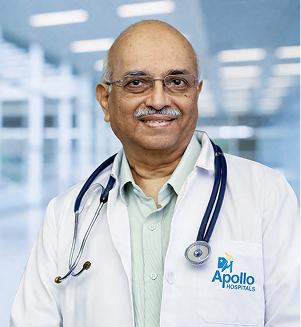
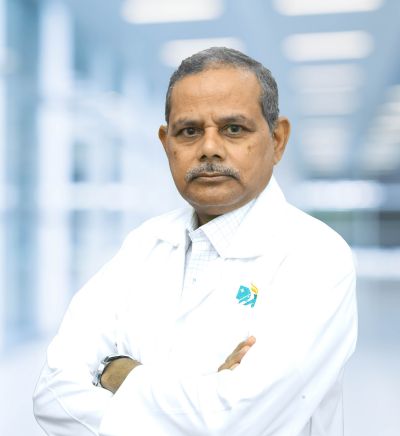
Urologists at Apollo Hospitals








ڈس کلیمر:
اس صفحہ پر فراہم کردہ معلومات کا مقصد صرف عام معلوماتی اور تعلیمی مقاصد کے لیے ہے۔ اگرچہ ہم اس بات کو یقینی بنانے کے لیے معقول کوششیں کرتے ہیں کہ معلومات درست، قابل بھروسہ، اور اس کا باقاعدگی سے جائزہ لیا جائے، اسے پیشہ ورانہ طبی مشورے، تشخیص یا علاج کا متبادل نہیں سمجھا جانا چاہیے۔
طبی طریقہ کار کی مناسبیت، اس کے فوائد، خطرات، تیاری، بحالی، ممکنہ پیچیدگیوں، اور متوقع نتائج کے ساتھ، فرد سے فرد میں مختلف ہو سکتے ہیں۔ آپ کا ہیلتھ کیئر پروفیشنل اس بات کا تعین کرے گا کہ آیا آپ کی انفرادی حالت اور طبی تاریخ کی بنیاد پر کوئی طریقہ کار مناسب ہے۔
کسی بھی طبی طریقہ کار کے بارے میں فیصلہ کرنے سے پہلے ذاتی مشورے کے لیے براہ کرم کسی مستند صحت کی دیکھ بھال کرنے والے پیشہ ور سے مشورہ کریں۔
اس بارے میں مزید معلومات کے لیے کہ ہمارا طبی مواد کیسے بنایا جاتا ہے، اس کا جائزہ لیا جاتا ہے، اپ ڈیٹ کیا جاتا ہے اور اسے برقرار رکھا جاتا ہے، براہ کرم ہماری [ادارتی پالیسی] پڑھیں ۔




