

Kev Kho Mob Pob Txha Mitral nrog Balloon - Kev Kho Mob, Tus Nqi, Kev Pheej Hmoo thiab Kev Rov Zoo
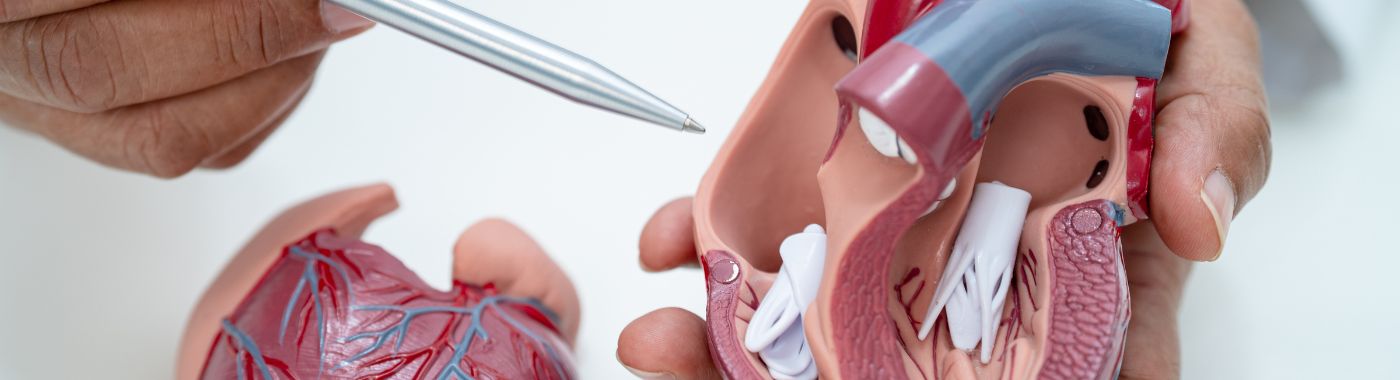
What is Balloon Mitral Valvuloplasty?
Balloon Mitral Valvuloplasty (BMV) is a minimally invasive medical procedure designed to treat mitral valve stenosis, a condition where the mitral valve narrows, impeding blood flow from the left atrium to the left ventricle of the heart. This narrowing can lead to various complications, including heart failure, arrhythmias, and reduced exercise tolerance. The primary goal of BMV is to relieve the obstruction caused by the narrowed valve, thereby improving blood flow and alleviating symptoms.
During the Balloon Mitral Valvuloplasty procedure, a thin, flexible tube called a catheter is inserted into a blood vessel, usually in the groin, and guided to the heart. Once in position, a balloon attached to the catheter is inflated at the site of the mitral valve. This inflation stretches the valve opening, allowing for better blood flow. The procedure is typically performed under local anesthesia and sedation, making it less invasive than traditional surgical options.
BMV is particularly beneficial for patients who are experiencing significant symptoms due to mitral valve stenosis but are not suitable candidates for open-heart surgery. It is a preferred option for many patients because it generally results in shorter recovery times and fewer complications compared to surgical interventions.
Why is Balloon Mitral Valvuloplasty Done?
Balloon Mitral Valvuloplasty is primarily indicated for patients suffering from mitral valve stenosis, which can be caused by various factors, including rheumatic fever, congenital heart defects, or degenerative changes associated with aging. Symptoms of mitral valve stenosis can vary in severity and may include:
- Ua tsis taus pa, tshwj xeeb tshaj yog thaum lub sijhawm ua si lossis thaum pw tiaj tiaj
- Qaug zog thiab qaug zog
- o ntawm ob txhais ceg lossis plab
- Palpitations los yog lub plawv dhia tsis xwm yeem
- Hauv siab mob lossis tsis xis nyob
These symptoms arise because the heart has to work harder to pump blood through the narrowed valve, leading to increased pressure in the heart and lungs. As the condition progresses, patients may find it increasingly difficult to engage in daily activities or exercise.
Balloon Mitral Valvuloplasty is typically recommended when patients exhibit moderate to severe symptoms of mitral valve stenosis, particularly when echocardiographic findings confirm significant narrowing of the valve. The procedure is often considered when:
- Patients are experiencing debilitating symptoms that affect their quality of life.
- There is evidence of heart enlargement or dysfunction due to the increased workload on the heart.
- Patients are not candidates for surgical valve replacement due to age, comorbidities, or other health issues.
In some cases, BMV may also be performed as a palliative measure to improve symptoms in patients who are not expected to survive open-heart surgery.
Indications for Balloon Mitral Valvuloplasty
The decision to proceed with Balloon Mitral Valvuloplasty is based on a combination of clinical symptoms, diagnostic tests, and overall patient health. The following are key indications that may make a patient a candidate for this procedure:
- Cov Kev Tshawb Pom Echocardiographic: A transthoracic echocardiogram (TTE) or transesophageal echocardiogram (TEE) is typically performed to assess the severity of mitral valve stenosis. A valve area of less than 1.5 cm² is often considered significant and may warrant intervention.
- Symptomatic Mitral Stenosis: Patients who present with symptoms such as shortness of breath, fatigue, or palpitations, particularly those that worsen with exertion, are prime candidates for BMV. The severity of symptoms is often evaluated using functional classification systems, such as the New York Heart Association (NYHA) classification.
- Hnub nyoog thiab Comorbidities: Younger patients with fewer comorbid conditions are generally preferred candidates for BMV. However, older patients or those with significant comorbidities may still be considered if they are symptomatic and not suitable for surgical options.
- Pulmonary Hypertension: Elevated pressures in the pulmonary arteries due to mitral stenosis can lead to complications. If a patient exhibits signs of pulmonary hypertension, BMV may be indicated to relieve the obstruction and improve hemodynamics.
- Previous Kev phais phais: In some cases, patients who have undergone previous heart surgeries may develop mitral stenosis as a complication. BMV can be a suitable option for these individuals to alleviate symptoms without the need for more invasive surgical procedures.
- Tus neeg mob nyiam: In discussions with healthcare providers, patient preferences regarding treatment options, risks, and benefits play a crucial role in the decision-making process. Some patients may prefer a less invasive approach like BMV over traditional surgery.
In summary, Balloon Mitral Valvuloplasty is a valuable procedure for patients with symptomatic mitral valve stenosis. It is indicated based on a combination of clinical symptoms, echocardiographic findings, and overall patient health. By improving blood flow through the mitral valve, BMV can significantly enhance the quality of life for those affected by this condition.
Types of Balloon Mitral Valvuloplasty
While Balloon Mitral Valvuloplasty is generally performed as a single technique, there are variations in the approach based on the specific needs of the patient and the anatomy of the mitral valve. The two primary techniques include:
- Intra-Cardiac Balloon Mitral Valvuloplasty: This is the most common approach, where the balloon is inflated within the heart's chambers to dilate the mitral valve. It is typically performed using a single balloon catheter.
- Double Balloon Mitral Valvuloplasty: In some cases, a double-balloon technique may be employed, where two balloons are used simultaneously to achieve a more effective dilation of the mitral valve. This approach may be considered in patients with more complex valve anatomy or severe stenosis.
Both techniques aim to achieve the same outcome: to relieve the obstruction caused by the narrowed mitral valve and improve blood flow. The choice of technique depends on the individual patient's condition, the experience of the medical team, and the specific anatomy of the mitral valve.
In conclusion, Balloon Mitral Valvuloplasty is a critical procedure for managing mitral valve stenosis, offering a less invasive option for patients who are symptomatic and not suitable for surgical intervention. Understanding the indications and types of BMV can help patients make informed decisions about their treatment options. In the next part of this article, we will explore the procedure in detail, including the steps involved, potential risks, and what patients can expect during recovery after Balloon Mitral Valvuloplasty.
Contraindications for Balloon Mitral Valvuloplasty
While balloon mitral valvuloplasty (BMV) can be a life-changing procedure for many patients suffering from mitral stenosis, it is not suitable for everyone. Understanding the contraindications is crucial for both patients and healthcare providers. Here are some conditions and factors that may make a patient unsuitable for BMV:
- Mitral Regurgitation Hnyav: Patients with significant mitral regurgitation, where the valve does not close properly, may not benefit from BMV. This condition can lead to further complications and may require different surgical interventions.
- Left Atrial Thrombus: The presence of a blood clot in the left atrium is a significant contraindication. Performing BMV in such cases can dislodge the clot, leading to a stroke or other serious complications.
- Kev Ua Haujlwm Tsis Zoo ntawm Lub Plawv Sab laug Hnyav: Patients with severely impaired left ventricular function may not tolerate the procedure well. The heart's ability to pump effectively is crucial for recovery post-procedure.
- Cov kab mob nquag: Any active infection, particularly endocarditis (an infection of the heart lining), can pose serious risks during the procedure. It is essential to treat any infections before considering BMV.
- Non-Cardiac Conditions: Certain non-cardiac conditions, such as severe pulmonary hypertension or advanced lung disease, may also make BMV inappropriate. These conditions can complicate anesthesia and recovery.
- Anatomical kev txiav txim siab: Patients with certain anatomical abnormalities of the heart or blood vessels may not be suitable candidates. This includes those with a very small mitral valve opening or other structural heart issues.
- Previous Kev phais plawv: Patients who have had previous heart surgeries may have altered anatomy that complicates the BMV procedure. A thorough evaluation is necessary to determine suitability.
- Tus neeg mob nyiam: Some patients may choose not to undergo the procedure due to personal beliefs or concerns about the risks involved. It is essential for patients to discuss their feelings and preferences with their healthcare provider.
Understanding these contraindications helps ensure that BMV is performed on the right patients, maximizing the chances of a successful outcome while minimizing risks.
How to Prepare for Balloon Mitral Valvuloplasty
Preparation for balloon mitral valvuloplasty is a critical step in ensuring the procedure's success and the patient's safety. Here’s what patients can expect in terms of pre-procedure instructions, tests, and precautions:
- Kev sab laj nrog tus kws kho mob: Before the procedure, patients will have a detailed consultation with their cardiologist. This discussion will cover the procedure, its benefits, risks, and what to expect during recovery.
- Kev tshuaj xyuas keeb kwm kho mob: Patients should provide a comprehensive medical history, including any medications they are currently taking, allergies, and previous medical conditions. This information helps the healthcare team tailor the procedure to the patient's needs.
- Diagnostic Tests: Tej zaum yuav xav tau ntau yam kev kuaj ua ntej cov txheej txheem, suav nrog:
- Echocardiogram: This ultrasound test provides images of the heart's structure and function, helping to assess the severity of mitral stenosis.
- Electrocardiogram (ECG): An ECG measures the heart's electrical activity and can identify any irregularities.
- Chest X-ray: Qhov kev kuaj duab no pab soj ntsuam qhov loj ntawm lub plawv thiab qhov mob ntawm lub ntsws.
- Ntshav kuaj: Routine blood tests will check for overall health and assess kidney function, blood clotting, and other important factors.
- Kev kho tshuaj: Patients may need to adjust their medications before the procedure. For instance, blood thinners may need to be paused to reduce the risk of bleeding during the procedure. It’s essential to follow the healthcare provider's instructions regarding medication management.
- Cov lus qhia yoo mov: Patients are typically advised not to eat or drink anything for a certain period before the procedure, usually starting the night before. This fasting is necessary to prepare for anesthesia.
- Kev thauj mus los: Since BMV is often performed under sedation or general anesthesia, patients should arrange for someone to drive them home afterward. It’s not safe to drive immediately after the procedure.
- Pre-Procedure Checklist: Patients should follow a checklist provided by their healthcare team, which may include:
- Wearing comfortable clothing.
- Bringing a list of medications and any necessary medical documents.
- Arriving at the hospital or clinic on time.
- Kev npaj siab: It’s normal to feel anxious before a medical procedure. Patients should discuss any concerns with their healthcare provider and consider relaxation techniques, such as deep breathing or meditation, to help manage anxiety.
By following these preparation steps, patients can help ensure a smoother experience during their balloon mitral valvuloplasty.
Balloon Mitral Valvuloplasty: Step-by-Step Procedure
Understanding the step-by-step process of balloon mitral valvuloplasty can help alleviate anxiety and prepare patients for what to expect. Here’s a breakdown of the procedure:
- Kev Teeb tsa Ua Ntej Txheej Txheem: Upon arrival at the hospital or clinic, patients will be taken to a pre-procedure area. Here, they will change into a hospital gown, and an intravenous (IV) line will be placed in their arm to administer medications and fluids.
- Tshuaj loog Administration: Depending on the patient's condition and the healthcare provider's recommendation, either local anesthesia with sedation or general anesthesia will be administered. This ensures that the patient is comfortable and pain-free during the procedure.
- Catheter Insertion: Once the patient is adequately sedated, the cardiologist will insert a thin, flexible tube called a catheter into a blood vessel, usually in the groin or wrist. This is done using a technique called catheterization.
- Kev taw qhia Catheter: The catheter is carefully guided through the blood vessels to the heart. Fluoroscopy, a type of real-time X-ray, is used to visualize the catheter's path and ensure accurate placement.
- Balloon Inflation: Once the catheter reaches the mitral valve, a small balloon at the tip of the catheter is positioned within the narrowed valve. The balloon is then inflated, which stretches the valve opening and improves blood flow. This step is crucial for relieving symptoms of mitral stenosis.
- Assessment of Results: After the balloon is inflated, the cardiologist will assess the results using echocardiography or fluoroscopy. If the valve opening has improved sufficiently, the balloon is deflated and removed.
- Kev soj ntsuam tom qab txheej txheem: After the procedure, patients are taken to a recovery area for monitoring. Healthcare providers will check vital signs, including heart rate and blood pressure, and assess the insertion site for any bleeding or complications.
- Rov qab thiab tshem tawm: Patients typically stay in the recovery area for a few hours. Once they are stable and the healthcare team is satisfied with their condition, they will be discharged. Patients will receive specific instructions regarding activity restrictions, medications, and follow-up appointments.
- Kev saib xyuas tom qab: A follow-up appointment is usually scheduled within a few weeks to monitor the patient’s recovery and assess the success of the procedure. This is an important step to ensure that the mitral valve is functioning well and that the patient is experiencing relief from symptoms.
By understanding the step-by-step process of balloon mitral valvuloplasty, patients can feel more prepared and informed about their treatment journey.
Risks and Complications of Balloon Mitral Valvuloplasty
Like any medical procedure, balloon mitral valvuloplasty carries certain risks and potential complications. While many patients experience significant benefits, it’s essential to be aware of both common and rare risks associated with the procedure:
- Common Risks:
- Los ntshav: There is a risk of bleeding at the catheter insertion site. This is usually minor and can be managed with pressure or a bandage.
- Kab mob: Any invasive procedure carries a risk of infection. Healthcare providers take precautions to minimize this risk, but it can still occur.
- Arrhythmias: Some patients may experience irregular heartbeats during or after the procedure. Most arrhythmias are temporary and resolve on their own.
- Valve Regurgitation: In some cases, the procedure may lead to mitral regurgitation, where the valve does not close properly. This may require further intervention.
- Rare Risks:
- Mob stroke: There is a small risk of stroke due to the dislodgment of blood clots during the procedure. This is why careful screening for left atrial thrombus is essential.
- Heart Attack: Although rare, there is a possibility of a heart attack during or after the procedure, particularly in patients with pre-existing heart conditions.
- Kev puas tsuaj rau cov hlab ntsha: The catheter can potentially damage blood vessels during insertion or manipulation, leading to complications that may require surgical intervention.
- Xav Tau Kev Phais Mob: In some cases, if the balloon valvuloplasty does not achieve the desired results, patients may require open-heart surgery to repair or replace the mitral valve.
- Kev txiav txim siab mus sij hawm ntev: While many patients experience significant improvement in symptoms, some may require additional procedures or interventions in the future. Regular follow-up appointments are essential to monitor heart health and valve function.
Understanding these risks and complications can help patients make informed decisions about their treatment options. It’s important to discuss any concerns with a healthcare provider, who can provide personalized information based on individual health status and needs.
Recovery After Balloon Mitral Valvuloplasty
Recovery from balloon mitral valvuloplasty is generally swift, with many patients experiencing significant improvements in their symptoms shortly after the procedure. The expected recovery timeline can vary based on individual health conditions, but here’s a general overview:
Kev saib xyuas tom qab kev kho tam sim
After the procedure, patients are typically monitored in a recovery area for several hours. This monitoring ensures that any immediate complications can be addressed promptly. Most patients can expect to stay in the hospital for one to two days, depending on their overall health and how well they respond to the procedure.
Thawj Lub Limtiam
During the first week post-procedure, patients are advised to rest and avoid strenuous activities. Light walking is encouraged to promote circulation, but heavy lifting or vigorous exercise should be avoided. Pain or discomfort at the catheter insertion site is common, and over-the-counter pain relief can be used as needed.
Kev teem caij tom qab
Follow-up appointments are crucial to monitor heart function and ensure that the mitral valve is functioning properly. These appointments typically occur within one to two weeks after the procedure. Your doctor may perform an echocardiogram to assess the valve's condition and your heart's overall performance.
Rov qab mus rau Kev Ua Si li qub
Most patients can return to their normal daily activities within one to two weeks. However, it’s essential to listen to your body and consult your healthcare provider before resuming any high-impact activities or sports. For those with physically demanding jobs, a longer recovery period may be necessary.
Cov Lus Qhia Tom Qab
- Kev ua raws tshuaj: Noj cov tshuaj raws li tau qhia, suav nrog cov tshuaj ua kom cov ntshav nyias yog tias pom zoo.
- Kev xav txog kev noj haus: Ua kom lub plawv noj qab nyob zoo uas muaj cov txiv hmab txiv ntoo, zaub, cov nplej tag nrho, thiab cov nqaij ntshiv.
- Kev co: Haus dej kom txaus, tab sis nrog koj tus kws kho mob tham txog kev haus dej yog tias koj muaj kev txwv.
- Saib xyuas cov tsos mob: Be vigilant for any signs of complications, such as increased shortness of breath, chest pain, or swelling in the legs, and report these to your doctor immediately.
Cov txiaj ntsig ntawm Balloon Mitral Valvuloplasty
Balloon mitral valvuloplasty offers several key health improvements and quality-of-life outcomes for patients suffering from mitral valve stenosis. Here are some of the primary benefits:
Cov tsos mob nyem
One of the most immediate benefits of balloon mitral valvuloplasty is the relief of symptoms associated with mitral valve stenosis. Patients often report significant reductions in shortness of breath, fatigue, and palpitations shortly after the procedure. This improvement can lead to a more active lifestyle and enhanced overall well-being.
Txhim kho lub plawv muaj nuj nqi
The procedure effectively enlarges the narrowed mitral valve, allowing for better blood flow from the left atrium to the left ventricle. This improvement in heart function can lead to a decrease in the risk of heart failure and other complications associated with untreated mitral stenosis.
Txhim kho lub neej zoo
Many patients experience a marked improvement in their quality of life following balloon mitral valvuloplasty. With reduced symptoms, patients can engage in activities they previously found challenging, such as walking, exercising, and participating in social events. This newfound freedom can significantly enhance emotional well-being and overall satisfaction with life.
Minimally Invasive Xwm
As a minimally invasive procedure, balloon mitral valvuloplasty typically involves less pain and a shorter recovery time compared to traditional surgical options. This aspect makes it an attractive choice for many patients, especially those who may be at higher risk for complications from open-heart surgery.
Cov txiaj ntsig tau ntev
While balloon mitral valvuloplasty is not a permanent solution and may require follow-up procedures in the future, many patients enjoy several years of improved heart function and quality of life. Regular follow-up care and monitoring can help manage any potential issues that arise.
Balloon Mitral Valvuloplasty vs. Surgical Mitral Valve Replacement
While balloon mitral valvuloplasty is a common treatment for mitral valve stenosis, surgical mitral valve replacement is another option that may be considered, especially in more severe cases. Here’s a comparison of the two procedures:
| feature | Zais Pa Mitral Valvuloplasty | Surgical Mitral Valve Replacement |
|---|---|---|
| Invasiveness | Minimally invasive | Ntxeem |
| Lub sijhawm rov qab | Luv (1-2 lub lis piam) | Ntev (4-6 lub lis piam) |
| Tsev Kho Mob nyob | 1-2 hnub | 3-7 hnub |
| Cov tsos mob nyem | Tam sim ntawd | Tam sim ntawd |
| Kev daws teeb meem ntev | Temporary (may need repeat) | Cob phum |
| Txaus ntshai | Tsawg qhov kev pheej hmoo ntawm cov teeb meem | Muaj kev pheej hmoo siab dua |
Cost of Balloon Mitral Valvuloplasty in India
The cost of balloon mitral valvuloplasty in India typically ranges from ₹1,00,000 to ₹3,00,000. For an exact estimate, contact us today.
FAQs About Balloon Mitral Valvuloplasty
What should I eat after balloon mitral valvuloplasty?
After the procedure, focus on a heart-healthy diet. Include plenty of fruits, vegetables, whole grains, and lean proteins. Limit salt, sugar, and saturated fats. Staying hydrated is also essential. Always consult your doctor for personalized dietary recommendations.
Kuv yuav nyob hauv tsev kho mob ntev npaum li cas?
Most patients stay in the hospital for one to two days after balloon mitral valvuloplasty. Your healthcare team will monitor your recovery and ensure you are stable before discharge.
Kuv puas tuaj yeem noj kuv cov tshuaj tsis tu ncua tom qab qhov txheej txheem?
You should continue taking your prescribed medications unless your doctor advises otherwise. Some patients may need to adjust their medications, especially blood thinners. Always follow your doctor’s instructions.
Thaum twg kuv tuaj yeem rov qab mus ua haujlwm?
Most patients can return to work within one to two weeks after the procedure. However, if your job involves heavy lifting or strenuous activity, you may need a longer recovery period. Consult your doctor for personalized advice.
Puas muaj tej yam kev ua ub no uas kuv yuav tsum zam?
After balloon mitral valvuloplasty, avoid strenuous activities and heavy lifting for at least two weeks. Light walking is encouraged, but always listen to your body and consult your doctor before resuming any high-impact activities.
Kuv yuav tsum saib xyuas cov cim qhia twg tom qab ua tiav cov txheej txheem?
Be alert for any signs of complications, such as increased shortness of breath, chest pain, or swelling in the legs. If you experience any of these symptoms, contact your healthcare provider immediately.
Is there a risk of complications after the procedure?
While balloon mitral valvuloplasty is generally safe, there are risks, including bleeding, infection, or valve regurgitation. Your doctor will discuss these risks with you before the procedure.
Ntev npaum li cas kuv yuav xav tau kev teem caij tom qab?
Follow-up appointments are typically scheduled within one to two weeks after the procedure. Your doctor will determine the frequency of future visits based on your recovery and heart function.
Can children undergo balloon mitral valvuloplasty?
Yes, balloon mitral valvuloplasty can be performed on children with mitral valve stenosis. However, the decision will depend on the child’s specific condition and overall health. Consult a pediatric cardiologist for more information.
Kuv yuav tsum xav txog kev hloov pauv li cas tom qab tus txheej txheem?
After balloon mitral valvuloplasty, consider adopting a heart-healthy lifestyle. This includes regular exercise, a balanced diet, maintaining a healthy weight, and avoiding smoking. Regular check-ups with your doctor are also essential.
How long will the benefits of the procedure last?
The benefits of balloon mitral valvuloplasty can last several years, but some patients may require repeat procedures. Regular follow-up care is crucial to monitor heart function and manage any potential issues.
Kuv tuaj yeem taug kev tom qab qhov txheej txheem?
Most patients can travel within a few weeks after balloon mitral valvuloplasty. However, it’s essential to consult your doctor before making any travel plans, especially if you are flying.
Kuv yuav ua li cas yog tias kuv ntxhov siab txog qhov txheej txheem?
Ua ntej yuav mus kho mob, nws yog ib qho ib txwm uas koj yuav ntxhov siab. Tham txog koj tej kev txhawj xeeb nrog koj tus kws kho mob, uas tuaj yeem muab kev nplij siab thiab cov ntaub ntawv los pab txo koj qhov kev ntxhov siab.
Kuv puas yuav tsum hloov kuv cov zaub mov noj mus tas li?
Adopting a heart-healthy diet is beneficial for long-term heart health. While you may not need to make drastic changes, focusing on nutritious foods and maintaining a balanced diet is essential.
What is the success rate of balloon mitral valvuloplasty?
Balloon mitral valvuloplasty has a high success rate, with many patients experiencing significant symptom relief and improved heart function. Your doctor can provide more specific information based on your individual case.
Kuv puas tuaj yeem koom nrog kev ua kis las tom qab kev phais mob?
Light activities can usually be resumed within a few weeks, but high-impact sports should be avoided for a longer period. Consult your doctor for personalized recommendations based on your recovery.
Yog tias kuv cov tsos mob rov qab los tom qab kev kho mob lawm, yuav ua li cas?
If your symptoms return, it’s essential to contact your healthcare provider. They may recommend further evaluation and discuss potential treatment options, including repeat balloon valvuloplasty or surgical intervention.
Puas muaj hnub nyoog txwv tshwj xeeb rau txoj kev kho mob no?
There is no strict age limit for balloon mitral valvuloplasty. The decision to proceed with the procedure will depend on the patient’s overall health, the severity of mitral stenosis, and other individual factors.
Kuv yuav npaj li cas rau txoj kev kho mob no?
Your doctor will provide specific instructions on how to prepare for balloon mitral valvuloplasty. This may include fasting before the procedure and discussing any medications you should avoid.
What is the difference between balloon mitral valvuloplasty and open-heart surgery?
Balloon mitral valvuloplasty is a minimally invasive procedure that uses a balloon to widen the mitral valve, while open-heart surgery involves replacing or repairing the valve. The choice between the two depends on the severity of the condition and the patient’s overall health.
xaus
Balloon mitral valvuloplasty is a vital procedure for patients suffering from mitral valve stenosis, offering significant improvements in symptoms and quality of life. With a relatively quick recovery and numerous benefits, it serves as an effective treatment option for many individuals. If you or a loved one is experiencing symptoms related to mitral valve stenosis, it’s essential to speak with a medical professional to explore your options and determine the best course of action for your health.


 Tsev Kho Mob Zoo Tshaj Plaws Nyob Ze Kuv Chennai


