


Wêne


Guhertina Tevahî ya Hip (THR) prosedureke cerrahî ya veguherîner e ku ji bo sivikkirina êşê û vegerandina tevgerê di kesên ku ji zirara giran a movika hipê dikişînin de hatiye çêkirin. Li Nexweşxaneyên Apollo Lucknow, em bi navûdengê xwe yê ji bo lênihêrîna ortopedîk serbilind in, bi karanîna teknolojiya pêşkeftî û teknîkên cerrahî yên damezrandî da ku ji bo encamên çêtirîn ji bo nexweşên xwe bixebitin. Bi tîmek dilsoz a cerrahên xwedî ezmûn û tesîsên nûjen, Nexweşxaneyên Apollo Lucknow di nav navendên pêşeng ên ji bo Guhertina Tevahî ya Hip de li herêmê ye. Pabendbûna me bi baweriya nexweşan û lênihêrîna kesane re me dike bijarteyek bijarte ji bo kesên ku li rihetiya êşa hipê digerin.
Ji bo nexweşên ku ji nexweşiyên wekî osteoartrît, artrîta romatoîd, nekroza avaskuler (osteonekroza serê femor), an jî şikestinên ran dikişînin, gelek caran Veguheztina Tevahî ya Hip pêwîst e. Ev rewş dikarin bibin sedema êş, hişkbûn û kêmbûna tevgerê, ku bandorek girîng li ser kalîteya jiyanê dike. Prosedûr rakirina rûyên movika hipê yên zirardar û guheztina wan bi împlantek protez vedihewîne, ku dikare fonksiyonê sererast bike û êşê sivik bike.
Girîngiya bijîşkî ya THR divê neyê kêm nirxandin. Bi çareserkirina zirara bingehîn a di movika ranê de, piraniya nexweşan di şiyana xwe ya kirina çalakiyên rojane, beşdarbûna werzîşa laşî û jiyanek çalaktir de başbûnek girîng dibînin. Feyde pir caran ji tenduristiya laşî wêdetir diçin; gelek nexweş piştî emeliyatê başbûna rehetiya hestyarî û beşdariya civakî ya çêtir radigihînin, her çend encamên ferdî cûda bibin.
Derengxistina Veguheztina Tevahî ya Hip dikare bibe sedema ku pirsgirêk bi demê re kom bibin. Her ku movika hip xirab dibe, nexweş dikarin êşa zêde, tevgera kêmkirî, û xetera ketin û şikestinê ya bilindtir biceribînin. Êşa kronîk dikare bibe sedema pirsgirêkên tenduristiyê yên duyemîn ên wekî rewşa bêhal, xewa nebaş, kêmbûna şert û mercan û fikar, ku dikare başbûnê dijwartir bike.
Artrîta giran a dirêj dikare bibe sedema deformîteya sabît, kurtbûna lingan, lawazbûna masûlkeyên ran û qûnan, û hişkbûna di çokan û pişta jêrîn de - ev hemû dikarin emeliyatê ji hêla teknîkî ve dijwartir bikin û rehabîlîtasyon hêdîtir bikin. Girîng e ku hûn bi pisporek li Nexweşxaneyên Apollo Lucknow re şêwir bikin da ku rewşa xwe binirxînin û li ser dema guncaw biryar bidin. Digel vê yekê, dem biryarek hevpar e: ji bo artrîta hip a plankirî (bijarte), derengxistin hilbijartinek maqûl e dema ku dermankirina ne-cerrahî hîn jî dixebite. Ji bo şikestina hip a ji cihê xwe hatî veqetandin li mezinê pîr, pozîsyon cûda ye û bi gelemperî emeliyat bêyî derengmayînek ku dikare were dûrxistin tê pêşniyar kirin.
Biryargirtin li Nexweşxaneyên Apollo yên Lucknow li gorî rêberiya ortopedîk a hemdem e, ne tenê tercîha cerrah. Çarçoveyên referansê yên ku bi rêkûpêk têne bikar anîn ev in:
Du guhertinên pratîkê yên hêjayî zanînê: ya yekem, rêyên başbûnê yên pêşkeftî niha li şûna bêhnvedana dirêj a nivînan, seferberiya zû, pir caran di heman rojê de an jî di roja piştî emeliyatê de, tercîh dikin. Ya duyemîn, dûrketina ji bergiriya antîbiyotîkê ya di dema prosedurên diranan de ji bo nexweşên guheztina movikan êdî şîreta giştî nîne; ew bi her rewşê tê biryardan. Cerrahê we dê şîretan bide ka çi ji bo we derbas dibe.
Veguherîna tevahî ya hipê ji bo artrozê emeliyatek bijarte ye, ev tê vê wateyê ku tarîx li gorî amadekariya we ya bijîşkî û rêziknameyên malbata we tê hilbijartin - ne bi lez. Rêzek tîpîk wiha xuya dike:
| Şanocî | Demjimêrên tîpîk | Çi dibe |
|---|---|---|
| Şêwirmendiya Orthopedic | Day 0 | Dîrok, muayeneya ran, nirxandina meşê, tîrêjên X ên pelvis û ran; nîqaşa vebijarkên ne-cerrahî. |
| Ceribandina lênêrîna muhafezekar | 6 hefte heta çend mehan, ger guncaw be | Fîzyoterapî, kêmkirina giraniyê, êşbirrîn, alîkariya meşê, guhertina çalakiyê. |
| Biryara ji bo emeliyatê | Dema ku êş û fonksiyon êdî nayên qebûlkirin | Hilbijartina împlantê, celebê sabîtkirinê, nîqaşa anesteziyê, razîbûn, texmîna lêçûnê. |
| Kontrolkirina berî anesteziyê (PAC) | 1 heta 3 hefte berî emeliyatê | Jimareya xwînê, şekir û HbA1c, testên gurçik û kezebê, EKG, wêneyên sîngê bi tîrêjên X, ekokardiografî ger were xwestin, pişkinîna diranan û mîzê ji bo çavkaniyên enfeksiyonê. |
| Optimîzasyona bijîşkî | 1 heta 6 hefte berê | Rastkirina kêmbûna anemiyê û vîtamîna D, kontrolkirina şekir û tansiyona xwînê, dermankirina her enfeksiyonek çerm, diran an mîzê, dev ji cixarekêşandin û titûnê berdan. |
| Pêş-destûrdana sîgorteyê | 3 heta 10 rojên xebatê berî | Pesendkirina bêpere ji hêla maseya sîgorteyê ve bi TPA an sîgortekar re tê pêvajokirin. |
| Fîzyoterapî ya berî-abîlîtasyonê | 2 heta 6 hefte berê | Quadriceps, xurtkirina gluteal û navikê; perwerdehiya meşê; tetbîqatên nefesê. |
| Pejirandin û emeliyat | Bi gelemperî rojek berî an jî sibeha emeliyatê | Rojîgirtin, nîşankirina cihê enfalkirinê, doza antîbiyotîkê, anesteziya spinal an giştî, emeliyat bi qasî 1 heta 2 saetan. |
Ji bo şikestina ranê li kesekî temenmezin, ev dem têk diçe: bi gelemperî emeliyat di zûtirîn dem de tê pêşniyar kirin ku nexweş ji hêla bijîjkî ve baş be, ji ber ku bêhnvedana dirêj a li nivînan xetereyên xwe yên enfeksiyona singê, birînên zextê û memikbûnê bi xwe re tîne.
Veguherandina tevahî ya ranê ne tenê vebijark e, û ne vebijarka rast ji bo her kesî ye. Tabloya li jêr tiştên ku dikarin bi we re werin nîqaş kirin berawird dike.
| Dibe | Ji bo çêtirîn maqûl e | Feyda | tengasîyên |
|---|---|---|---|
| Lênêrîna ne-cerrahî (fîzyoterapî, kêmkirina kîloyan, êşbir, alîkariya meşê) | Artrîta zû heta navîn; nexweş hîn ji bo emeliyatê ne guncaw in | Rîska neştergeriyê tune ye; pir caran ji bo mehan an salan bikêr e | Zirara movikan sererast nake; dibe ku nebaş bibe |
| Derzîkirina nav-artîkal (steroîd, bi rêberiya wêneyî) | Erîş; zelalkirina teşhîsê | Rizgarkirina êşê ya demkurt; prosedurên lênêrîna rojane | Demkî; derzîkirinên dubare nayên pêşniyar kirin; divê berî her guhertinek plansazkirî demek dirêj di navbera wan de were danîn. |
| Emeliyata parastina ranê (dekompresyona bingehîn, osteotomî, artroskopî ji bo lêxistin an çiriya labral) | Nexweşên ciwan, nekroza avaskular a zû, deformîteya avaskuler a hip | Girêka xwezayî diparêze; guheztinê dereng dixe | Nepêşbînîkirî; dibe ku paşê dîsa jî ber bi guhertinê ve biçe |
| Veguherandina tevahî ya hipê ya çîmentokirî | Nexweşên pîr, osteoporoz an hestiyê nerm | Sabîtkirina tavilê ya stabîl; dihêle ku giraniya tevahî zû hilgire | Nirxandinên têkildarî çîmentoyê; sererastkirin dikare bêtir tevlî bibe |
| Neqilkirina tevahî ya çokê ya bê çîmento (fiksasyona biyolojîk) | Nexweşên ciwan ên bi stoka hestî ya baş | Hestiyê di nav împlantê de mezin dibe; ji bo sererastkirina pêşerojê guncaw e | Girêdayî qalîteya hestiyê ye; xetera êşa ran an şikestinê hindik e |
| Veguheztina tevahî ya hipê ya hîbrîd | Qalîteya hestiyê tevlihev | Qurmê çîmentokirî bi soketa bêçîmento an berevajî vê yekê dike yek | Taybetî li gorî dozê; carinan di dema operasyonê de tê biryardan |
| Hilgirên seramîk-li ser-polîetîlen / metal-li ser-polîetîlen | Piraniya nexweşan; seramîk bi gelemperî di nexweşên ciwan û çalak de tê tercîh kirin | Bi polîetîlena nûjen a bi girêdana bilind a xaçerêyî kêm xişandin | Şikestin an qîrîna seramîkê ya kêm; biha li gorî bergirtinê diguhere |
| Rêbaza kêm-dagirker / parastina tevnê | Cureyên laş û teşhîsên bijartî | Birîna piçûktir, potansiyel kêmtir têkçûna tevnên nerm | Ne ji bo her kesî minasib e; cihê rast ê implantê ji mezinahiya birînê pir girîngtir e. |
| Vejandina hîp | Komeke piçûk û bi baldarî hatine hilbijartin ji mêrên ciwan ên çalak | Parastina hestiyan | Ji ber fikarên li ser şikestina metalan, karanîn li çaraliyê cîhanê kêm bûye; niha kêm kêm tê pêşkêş kirin |
| Hemîartroplastî (nîvguhertin) | Nexweşên pîr, kêm-daxwaz ên bi şikestina stûyê femorê | Emeliyateke kurttir, windabûna xwînê kêmtir, rîska jicirçûna kêm | Ji bo nexweşên çalak kêmtir guncaw e; êşa çokê mimkun e |
| Yekkirina ranan (artrodez) | Pir kêm e? enfeksiyon an jî ji nû ve avakirina têkçûyî | Hipek sabît, bê êş lê hişk | Windabûna mayînde ya tevgera çokê; prosedurên dîrokî |
| Guhertina hipê ya guheztinê | Implantê berê yê sist, xitimî, enfeksiyonî an ji cihê xwe derketî | Fonksiyonê piştî têkçûna implantê vedigerîne | Emeliyat dirêjtir, tevliheviya zêdetir, başbûnek dirêjtir |
Ev rêjeyên tîpîk in. Plana we dikare li gorî temen, hêza masûlkeyan, nexweşiyên din û tevliheviya emeliyatê zûtir an hêdîtir be.
| Dem | Timeframe | Çi hêvî dike | armancên |
|---|---|---|---|
| Yekser piştî operasyonê | Roja 0 heta Roja 1 | Kontrolkirina êşê, şilavên IV û antîbiyotîk, profîlaksîsyona xwînrijandinê, pompên çokan, tetbîqatên nefesê | Rûnin, bi piştgirî bisekinin, pir caran gavên pêşîn bavêjin |
| Nexweşxane man | Roja 1 heta Roja 3 (carinan heta 5) | Meşa bi alîkariya rêveçûnê, kontrolkirina cilkirinê, fîzyoterapî du caran rojê, pratîka derenceyan | Veguhestinên serbixwe, karanîna tuwaletê bi kursiya bilindkirî, derxistina ewle |
| Qonaxa destpêkê ya malê | Hefteya 1 heta Hefteya 2 | Li dora roja 10 heta 14an meşa hundir bi amûrê rêveçûnê, muayeneya birînan, rakirina dirûn an jî staplerê | Başbûna birînan, kontrolkirina werimandinê, 10 heta 15 deqîqe meş çend caran di rojê de |
| Qonaxa xurtkirinê | Hefteya 3 heta Hefteya 6 | Pêşveçûn ji rêveçûnê ber bi çopê; fîzyoterapî bi çavdêrî; karên malê yên sivik | Mesafeya meşê zêde dibe, tedbîrên çokan hîn jî têne girtin, dibe ku li ser ajotinê nîqaş were kirin. |
| Qonaxa fonksiyonel | Hefteya 6 heta Hefteya 12 | Di piraniya nexweşan de meşa bê alîkarî, xebata li ser maseyê ji nû ve dest pê kir, bisiklêtsiwarbûna li cihê xwe sekinî, meşa li hewzê | Meşa normal, hilkişîna derenceyan bêyî piştgirî, vegera ser karê nivîsgehê |
| Yekbûna | Meha 3 heya meha 6 | Fonksiyona rojane ya nêzîkî normal; xurtkirina li werzîşxaneyê heke were paqijkirin | Ger destûr bê dayîn, meşên dirêjtir, rêwîtî, werzîşên civakî yên sivik |
| Maturation | Meha 6 heya meha 12 | Zêdebûna berdewam a hêz û baweriyê; gihîştina asta dawî ya fonksiyonel | Vegere çalakiya kêfê ya bijartî di nav sînorên destûrdayî de |
| Çavdêriya demdirêj | Salane an jî wekî ku tê pêşniyarkirin | Nirxandina klînîkî û tîrêjên X yên periyodîk | Tesbîtkirina zû ya xitimandin, sistbûn an enfeksiyonê |
Veger ne tenê li ser bingeha salnameyê, lê li ser bingeha gihîştina qonaxên girîng e. Pîvanên tîpîk ev in: birînek başbûyî, meşa rehet bêyî ku şil bibe, hêza abductorê çokê ya têrker, şiyana hilkişîna derenceyan bi hev re, û destûra cerrah.
| çalakî | Demjimêra herî zû ya asayî | Notes |
|---|---|---|
| Meşa li hundir bi rêveçûnê re | Day 1 | Li nexweşxaneyê dest pê kir |
| Serşuştin (serşok, rûniştin) | Dema ku birîn were girtin, bi gelemperî 2 hefte | Ji şilbûnê dûr bisekinin; kursiya plastîk bikar bînin, ne erdê |
| Karê mase an nivîsgehê | 4 bi hefteyên 6 | Kursîya bilind, ji rûniştina dirêj û bênavber dûr bisekinin |
| Otomobîl ajotin | 6 hefte, çokê rastê pir caran ji yê çepê derengtir e | Divê êşkêşkêşên bihêz neyên dermankirin û bikaribin acîl rawestînin. |
| Siwarbûna bi du tekeran | Bi gelemperî nayê pêşniyarkirin; ger destûr bê dayîn, 3 meh an jî zêdetir | Li ser şert û mercên rêyên Hindistanê metirsiyeke bilind a ketin û ji cih derketinê heye |
| Karê destan an jî karê zeviyê | 3 heta 6 | Rakirina giran û dubarekirina squatkirinê dibe ku hewceyê guhertineke mayînde be |
| swimming | 6 heta 8 hefte piştî başbûna birînan | Di destpêkê de ji lêdana sîngê dûr bisekinin. |
| Bisiklêt (rawestayî, paşê rê) | 6 bi hefteyên 12 | Zînê bilind bikin da ku ji çembûna kûr a çokan dûr bikevin |
| Golf, badmintona cot, tenîsa sivik | 3 heta 6 meh, eger were paqijkirin | Bi gelemperî werzîşa rekreasyonê ya kêm-bandor qebûlkirî |
| Bazdan, bazdan, werzîşa bi têkilî, kabaddî, krîketa pêşbazî | Bi gelemperî nayê pêşniyar kirin | Barkirina bandorê li ser xişandinê zûtir dike û metirsiya şikestinê zêde dike |
| Rêwîtiya hewayê | Pir caran piştî 4 heta 6 hefteyan ji bo firînên kurt | Kursîya korîdorê, meşên periyodîk, çorapên zextê li xwe bikin; li ser metirsiya xwînrijandinê nîqaş bikin |
| Çalakiya cinsî | 4 bi hefteyên 6 | Ji pozîsyonên bi tewandina kûr a çokan, xaçkirin an zivirandina hundur dûr bisekinin |
Li Hindistanê, nekroza avaskular, spondîlît a ankîloz, artrîta piştî trawmayê û artrîta romatoîd gelek nexweşan zû ber bi enfeksîyona ranê ve dibin. Pirsgirêka sereke temenê implantê di tevahiya jiyanek dirêj a mayî de ye, ev tê vê wateyê ku emeliyata sererastkirinê ya paşê perspektîfek rastîn e. Vebijarkên parastina ranê pêşî têne hesibandin, bi gelemperî fîksasyona bê çîmento bi bearingek zexm tê tercîh kirin, û şêwirmendiya çalakiyê bêtir girîng e, ne kêmtir.
Pêşanî ber bi başbûneke ewle, bilez û pêbawer ve diçin: nirxandina baldar a dil û pişikê, anesteziya spinal heke guncaw be, fîksasyona çîmentoyî di hestiyê osteoporotîk de, sererastkirina anemiyê, pêşîlêgirtina delîryûmê, seferberiya zû û parastina li hember ketinê li malê. Lawazî li gel temen tê nirxandin - kesekî 78 salî yê saxlem dibe ku ji kesekî 62 salî yê lawaz çêtir be.
Veguheztina tevahî ya hipê berî gihîştina îskeletî pir kêm caran guncaw e. Pirsgirêkên hipê yên zarokan ên wekî dîsplaziya pêşketinê, nexweşiya Perthes, epifîza serê femorê ya şemitok, encamên artrîta septîk û artrîta îdîopatîk a ciwanan bi emeliyata parastina hip, osteotomî an dermankirina bijîjkî têne çareser kirin. Veguheztin ji bo rewşên îstîsna yên hilweşîna giran, bi êş û qonaxa dawîn tê veqetandin, û malbat tê şîret kirin ku di tevahiya jiyanê de gelek revîzyon mimkun in.
Ev kom hewceyê pencereyeke baştirkirinê ya dirêjtir, lêkolîna enfeksiyonê û çavdêriya piştî emeliyatê ya nêzîktir in. Dermanên biyolojîk an jî yên ku nexweşiyê guherînin ji bo artrîta romatoîd pir caran li dora emeliyatê li ser şîreta romatologan têne rawestandin.
Redkirin an paşxistina emeliyatê biryarek rewa ye, û rêz lê tê girtin. Bi gelemperî di pratîkê de tê çi wateyê:
Eger hûn paşde bixin, planeke ne-cerrahî ya birêkûpêk hîn jî tê pêşkêş kirin: fîzyoterapî, birêvebirina giraniyê, perwerdehiya alîkariya meşê, nirxandina êşbirrê, vîtamîna D û kalsiyûm, pêşîlêgirtina ketinê, û nirxandineke periyodîk da ku hûn bikaribin di her kêliyê de biryarê ji nû ve binirxînin.
Veguheztina tevahî ya ranê prosedurek bi bihayê pakêtê ye û hejmarê dawîn ji nexweşek bo nexweşek pir diguhere. Nexweşxaneyên Apollo Lucknow berî pejirandinê texmînek nivîskî peyda dikin. Ji kerema xwe hejmarên heyî ji maseya fatûre an sîgorteyê ya nexweşxaneyê bistînin - li vir tu biha nayên gotin, û divê neyên bawerkirin bi texmînên berhevkerên partiya sêyemîn.
| Faktor | Çawa bandorê li lêçûnê dike |
|---|---|
| Cureyê împlantê û rûyê hilgirtinê | Guhêrbarê herî mezin ê yekane - beringên çîmentokirî li hember bêçîmento, û beringên polîetîlen li hember beringên seramîk, di bihayê de ji hev cuda ne. Sînorên bihayê yên hikûmetê ji bo hin kategoriyên împlantên ortopedîk derbas dibin. |
| Yek hirç an jî herdu | Emeliyata du alî, di yek rûniştinê de an jî bi qonax, ji emeliyata yek çokê bêtir lêçûn e. |
| Emeliyata seretayî li hember emeliyata revîzyonê | Ji bo sererastkirinê pêdivî bi împlantên taybetî, demek dirêjtir a operasyonê û bêtir berhemên xwînê heye, ji ber vê yekê lêçûna wê pir zêdetir e. |
| Kategoriya odeyê | Beşa giştî, odeya du kesî, odeya yekane û suit bi awayên cuda têne hesabkirin, û ev yek pir caran ji bo kesên din jî rêjeya pakêtê diguherîne. |
| Dirêjahiya mayînê | Rojên zêde ji pakêtê pê ve, an mayîna li ICU, lêçûn zêde dikin. |
| Cure û dema anesteziyê | Emeliyata tevlihev an dirêj lêçûnên anestezî û operasiyonê zêde dike. |
| Lêkolînên berî operasyonê | Tedawiya dil, respirasyon, an gurçikan li nexweşên bi nexweşiyên din jî li tevahî zêde dibe. |
| Rewşên hevdem | Dibe ku şekir, nexweşiya gurçikan, nexweşiya dil an qelewbûnê hewceyê çavdêriya zêdetir û nirxandina pispor be. |
| Pêdiviyên veguhestina xwînê | Ew bi rêjeya hemoglobînê ya beriya emeliyatê û windabûna xwînê ya di dema emeliyatê de ve girêdayî ye. |
| Veguhestina hestî an prosedurên din | Ji nû ve çêkirina soketan, rakirina parçeyên metalî, an jî berdana tevnên nerm lêçûnê zêde dike. |
| Fîzyoterapî û rehabîlîtasyonê | Danişînên nexweşxaneyê bi gelemperî tê de ne; fîzyoterapiya derveyî nexweşxaneyê ya dirêjkirî an jî ya malê bi gelemperî cuda tê hesabkirin. |
| Tiştên piştî derxistinê | Walker, kursiya komodê ya bilindkirî, çorapên kompresyonê, derman û wêneyên tîrêjên X ên şopandinê. |
| Complications | Ne tiştekî normal e, lê enfeksiyon, jicihbûn an jî xwînbûn dikare lêçûnên mayîn û dermankirinê dirêj bike. |
| Rêya dravdanê | Nirxên pere, sîgortaya bêpere, vegerandina drav, CGHS/ECHS an rêjeyên din ên sîstemên empanelî ji hev cuda ne; rewşa empanelî divê bi maseya sîgorteyê re were piştrast kirin. |
Veguheztina tevahî ya hipê ji bo artrozê an nekroza avaskuler pejirandinek plankirî ye û ji hêla piraniya polîtîkayên sîgortaya tenduristiyê yên Hindistanê ve tê nixumandin, li gorî şertên polîtîkaya we. Xalên ku bi gelemperî nexweşan dikişînin ber çavan:



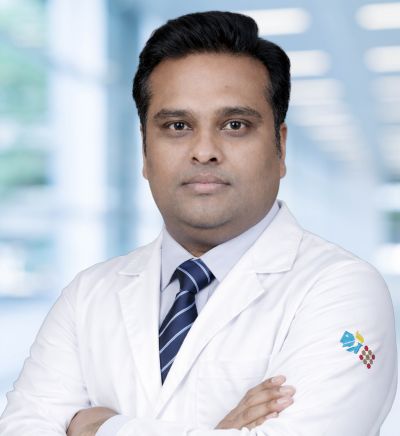
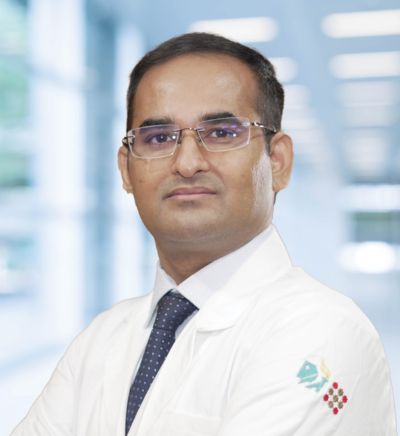
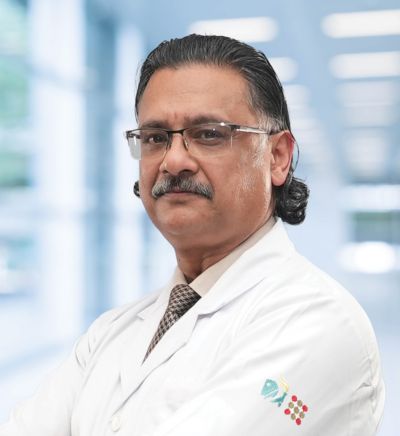
 Roja Yekşemê peyda dibe
Agahiyên ku li ser vê rûpelê têne dayîn tenê ji bo armancên agahdarî û perwerdehiyê yên giştî ne. Her çend em hewlên maqûl didin da ku piştrast bikin ku agahî rast, pêbawer û bi rêkûpêk têne vekolandin, divê ew wekî cîgirê şîreta bijîşkî ya profesyonel, teşhîs an dermankirinê neyê hesibandin.
Guncawbûna prosedureke bijîşkî, digel feyde, xetere, amadekarî, başbûn, tevliheviyên potansiyel û encamên hêvîkirî, dibe ku ji kesekî bo kesekî diguhere. Pisporê tenduristiya we dê li gorî rewşa we ya kesane û dîroka we ya bijîşkî diyar bike ka prosedurek guncaw e an na.
Ji kerema xwe berî ku hûn biryarên di derbarê her prosedurên bijîşkî de bidin, ji bo şîreta kesane bi pisporek tenduristiyê ya jêhatî re şêwir bikin.
Ji bo bêtir agahdarî li ser ka naveroka me ya bijîşkî çawa tê afirandin, nirxandin, nûvekirin û parastin, ji kerema xwe [Siyaseta Edîtorî] ya me bixwînin.



 Nexweşxaneya herî baş li nêzîkî min Chennai
Nexweşxaneya herî baş li nêzîkî min Bangalore
Nexweşxaneya herî baş li nêzîkî min Hyderabad
Nexweşxaneya herî baş li nêzîkî min Mumbai
Nexweşxaneya herî baş a nêzîkî min Delhi
Nexweşxaneya herî baş li nêzîkî min Kolkata
Nexweşxaneya herî baş li nêzîkî min Pune
Nexweşxaneya herî baş li nêzîkî min Ahmedabad
Nexweşxaneya herî baş li nêzîkî min Bhubaneswar
Nexweşxaneya herî baş li nêzîkî min Bilaspur
Nexweşxaneya herî baş li nêzîkî min Guwahati
Nexweşxaneya herî baş li nêzîkî min Indore
Nexweşxaneya herî baş li nêzîkî min Kochi
Nexweşxaneya herî baş li nêzîkî min Lucknow
Nexweşxaneya herî baş li nêzîkî min Madurai
Nexweşxaneya herî baş li nêzîkî min Mysore
Nexweşxaneya herî baş li nêzîkî min Nashik
Nexweşxaneya herî baş li nêzîkî min Noida
Nexweşxaneya çêtirîn Nêzîkî min Rourkela
Nexweşxaneya herî baş li nêzîkî min Visakhapatnam
Kardiyologê Nêzîkî Min li Chennai
Kardiyologê Nêzîkî Min li Bangalore
Kardiyologê Nêzîkî Min li Hyderabadê
Kardiyologê Nêzîkî Min Li Mumbaî
Kardiyologê Nêzîkî Min li Delhi
Kardiyologê Nêzîkî Min li Kolkata
Kardiyolog Nêzîkî min li Pune
Kardiyolog Nêzîkî min li Ahmedabad
Kardiyologê Nêzîkî Min li Bhubaneswar
Kardiyolog Nêzîkî min li Bilaspur
Kardiyologê Nêzîkî Min li Guwahati
Kardiyologê Nêzîkî Min li Indore
Kardiyologê Nêzîkî Min li Kochi
Kardiyologê Nêzîkî Min li Lucknow
Kardiyolog Nêzîkî min li Madurai
Kardiyolog Nêzîkî min li Mysore
Kardiyolog Nêzîkî min li Nashik
Kardiyolog Nêzîkî min li Noida
Kardiyolog Nêzîkî min li Rourkela
Kardiyologê Nêzîkî Min li Visakhapatnam
Neurolog li nêzîkî min li Chennai
Neurolog li nêzîkî min li Bangalore
Neurolog li nêzîkî min li Hyderabadê
Neurolog li nêzîkî min li Mumbai
Neurolog li nêzîkî min li Delhi
Neurolog li nêzîkî min li Kolkata
Neurolog li nêzîkî min li Ahmedabad
Neurolog li nêzîkî min li Bhubaneswar
Neurolog li nêzîkî min li Bilaspur
Neurolog li nêzîkî min li Guwahati
Neurolog li nêzîkî min li Indore
Neurolog li nêzîkî min li Kochi
Neurologê Nêzîkî Min li Lucknow
Neurolog li nêzîkî min li Madurai
Neurolog li nêzîkî min li Mysore
Neurolog li nêzîkî min li Nashik
Neurolog li Nêzîkî Min li Noida
Neurolog li nêzîkî min li Rourkela
Neurologê Nêzîkî Min li Visakhapatnam
Ortopedîk li nêzîkî min li Chennai
Ortopedîk li nêzîkî min li Bangalore
Ortopedîk li nêzîkî min li Hyderabadê
Ortopedîk li nêzîkî min li Mumbaî
Ortopedîk li nêzîkî min li Delhiyê
Ortopedîk li nêzîkî min li Kolkata
Ortopedîk li nêzîkî min li Pune
Ortopedîk li nêzîkî min li Ahmedabad
Ortopedîk li nêzîkî min li Bhubaneswar
Ortopedîk li nêzîkî min li Bilaspur
Ortopedîk li nêzîkî min li Guwahati
Ortopedîk li nêzîkî min li Indore
Ortopedîk li nêzîkî min li Kochi
Ortopedîk li nêzîkî min li Lucknow
Ortopedîk li nêzîkî min li Madurai
Ortopedîk li nêzîkî min li Mysore
Ortopedîk li nêzîkî min li Nashik
Ortopedîk li nêzîkî min li Noida
Orthopedic Nêzîkî min li Rourkela
Ortopedîk li nêzîkî min li Visakhapatnam
Onkologê Nêzîkî Min li Chennai
Onkologê Nêzîkî Min li Bangalore
Onkologê Nêzîkî Min li Hyderabadê
Onkolojê Nêzîkî Min Li Mumbaî
Onkologê Nêzîkî Min li Delhiyê
Onkologê Nêzîkî Min li Kolkata
Onkologê Nêzîkî Min li Pune
Onkolojê Nêzîkî Min Li Ahmedabad
Onkologê Nêzîkî Min li Bhubaneswar
Onkologê Nêzîkî Min li Bilaspur
Onkologê Nêzîkî Min li Guwahati
Onkologê Nêzîkî Min li Indore
Onkologê Nêzîkî Min li Kochi
Onkologê Nêzîkî Min li Lucknow
Onkologê Nêzîkî Min li Madurai
Onkologê Nêzîkî Min li Mysore
Onkologê Nêzîkî Min li Nashik
Onkologê Nêzîkî Min li Noida
Onkolojê Nêzîkî Min li Rourkela
Gastroenterolog li nêzîkî min li Chennai
Gastroenterolog li nêzîkî min li Bangalore
Gastroenterolog li nêzîkî min li Hyderabadê
Gastroenterolog li nêzîkî min li Mumbaî
Gastroenterolog li nêzîkî min li Delhi
Gastroenterolog li nêzîkî min li Kolkata
Gastroenterolog li nêzîkî min li Pune
Gastroenterolog li nêzîkî min li Ahmedabad
Gastroenterolog li nêzîkî min li Bhubaneswar
Gastroenterolog li nêzîkî min li Bilaspur
Gastroenterolog li nêzîkî min li Guwahati
Gastroenterolog li nêzîkî min li Indore
Gastroenterolog li nêzîkî min li Kochi
Gastroenterolog li nêzîkî min li Lucknow
Gastroenterolog li nêzîkî min li Madurai
Gastroenterolog li nêzîkî min li Mysore
Gastroenterolog li nêzîkî min li Nashik
Gastroenterolog li nêzîkî min li Noida
Gastroenterolog li nêzîkî min li Rourkela
Gastroenterolog li nêzîkî min li Visakhapatnam
Neştergerê Veguhestinê li Nêzîkî Min li Chennai
Neştergerê Veguhestinê li Nêzîkî Min li Bangalore
Neştergerê Veguhestinê li Nêzîkî Min li Hyderabadê
Neştergerê Veguhestinê li Nêzîkî Min li Mumbaî
Cerrahê Veguhestinê li Nêzîkî Min li Delhiyê
Cerrahê Veguhestinê li Nêzîkî Min li Kolkata
Neştergerê Veguhestinê li Nêzîkî Min li Indore
Cerrahê Veguhestinê li Nêzîkî Min li Kochi
Neştergerê Veguhestinê li Nêzîkî Min li Lucknow
Neştergerê Veguhestinê li Nêzîkî Min li Mysore
Pisporê ENT li nêzîkî min li Chennai
Pisporê ENT li nêzîkî min li Bangalore
Pisporê ENT li Nêzîkî min li Hyderabadê
Pisporê ENT Li Nêzîkî Min Li Mumbaî
Pisporê ENT li Nêzîkî min li Delhi
Pisporê ENT li nêzîkî min li Kolkata
Pisporê ENT li nêzîkî min li Pune
Pisporê ENT li nêzîkî min li Ahmedabad
Pisporê ENT li nêzîkî min li Bhubaneswar
Pisporê ENT li nêzîkî min li Bilaspur
Pisporê ENT li nêzîkî min li Guwahati
Pisporê ENT li nêzîkî min li Indore
Pisporê ENT li nêzîkî min li Kochi
Pisporê ENT li nêzîkî min li Lucknow
Pisporê ENT Li Nêzîkî Min Li Madurai
Pisporê ENT li nêzîkî min li Mysore
Pisporê ENT li nêzîkî min li Nashik
Pisporê ENT li nêzîkî min li Noida
Pisporê ENT li nêzîkî min li Rourkela
Pisporê ENT Li Nêzîkî Min Li Visakhapatnam
Pizîşkê Pulmonolojiyê li Nêzîkî Min li Chennai
Pizîşkê Pulmonolojiyê li Nêzîkî Min li Bangalore
Pizîşkê Pulmonolojiyê li Nêzîkî Min li Hyderabadê
Pizîşkê Pulmonolojiyê li Nêzîkî Min li Mumbaî
Pizîşkê Pulmonolojiyê li Nêzîkî Min li Delhiyê
Pizîşkê pişikê li nêzîkî min li Kolkata
Pizîşkê Pulmonolojiyê li Nêzîkî Min li Ahmedabad
Pizîşkê Pulmonolojiyê li Nêzîkî Min li Bhubaneswar
Pizîşkê Pişikê Nêzîkî Min Li Bilaspur
Pizîşkê Pulmonolojiyê li Nêzîkî Min li Guwahati
Pizîşkê Pulmonolojiyê li Nêzîkî Min li Indore
Pizîşkê Pulmonolojiyê li Nêzîkî Min li Kochi
Pizîşkê Pulmonolojiyê li Nêzîkî Min li Lucknow
Pizîşkê Pulmonolojiyê Nêzîkî min li Madurai
Pizîşkê pişikê li nêzîkî min li Mysore
Pizîşkê Pulmonolojiyê Nêzîkî min li Nashik
Pizîşkê Pulmonolojiyê li Nêzîkî Min li Noida
Pulmonologist Nêzîkî min li Rourkela
Pizîşkê Pişikê Li Nêzîkî Min Li Visakhapatnam
Pizîşkê diranan li nêzîkî min li Chennai
Pizîşkê diranan li nêzîkî min li Bangalore
Pizîşkê diranan li nêzîkî min li Hyderabadê
Pizîşkê diranan li nêzîkî min li Delhi
Pizîşkê diranan li nêzîkî min li Kolkata
Pizîşkê diranan li nêzîkî min li Ahmedabad
Pizîşkê diranan li nêzîkî min li Bhubaneswar
Pizîşkê diranan li nêzîkî min li Bilaspur
Pizîşkê diranan li nêzîkî min li Guwahati
Pizîşkê diranan li nêzîkî min li Kochi
Pizîşkê diranan li nêzîkî min li Lucknow
Pizîşkê diranan li nêzîkî min li Madurai
Pizîşkê diranan li nêzîkî min li Nashik
Pizîşkê diranan li nêzîkî min li Noida
Pizîşkê diranan li nêzîkî min li Rourkela
Pizîşkê diranan li nêzîkî min li Visakhapatnam
Pizîşkê zarokan li nêzîkî min li Chennai
Pediatrîstê li nêzîkî min li Bangalore
Pediatrîstê li Nêzîkî Min li Hyderabadê
Pediatrîstê Nêzîkî Min li Mumbaî
Pediatrîstê li Nêzîkî Min li Delhiyê
Pizîşkê zarokan li nêzîkî min li Kolkata
Pediatrîstê zarokan li nêzîkî min li Pune
Pediatrîstê li nêzîkî min li Ahmedabad
Pediatrîstê zarokan li nêzîkî min li Bhubaneswar
Pizîşkê zarokan li nêzîkî min li Bilaspur
Pizîşkê zarokan li nêzîkî min li Guwahati
Pediatrîstê Nêzîkî Min li Indore
Pediatrîstê Zarokan li Nêzîkî Min li Kochi
Pediatrîstê zarokan li nêzîkî min li Lucknow
Pediatrîstê li nêzîkî min li Madurai
Pediatrîstê Nêzîkî Min li Mysore
Pizîşkê zarokan li nêzîkî min li Nashik
Pediatrîstê zarokan li nêzîkî min li Noida
Pizîşkê zarokan li nêzîkî min li Visakhapatnam
Dermatologê Nêzîkî Min li Chennai
Dermatologê Nêzîkî Min li Bangalore
Pizîşkê Dermatolojiyê li Nêzîkî Min li Hyderabadê
Dermatologê Nêzîkî Min li Delhiyê
Pizîşkê Dermatolojiyê li Nêzîkî Min li Kolkata
Pizîşkê Dermatolojiyê li Nêzîkî Min li Ahmedabad
Pizîşkê Dermatolojiyê li Nêzîkî Min li Bhubaneswar
Dermatologê Nêzîkî Min li Bilaspur
Pizîşkê Dermatolojiyê li Nêzîkî Min li Guwahati
Dermatologê Nêzîkî Min li Indore
Dermatologê Nêzîkî Min li Kochi
Dermatologê Nêzîkî Min li Lucknow
Dermatologê Nêzîkî Min li Madurai
Dermatologê Nêzîkî Min li Mysore
Dermatologê Nêzîkî Min li Noida
Pizîşkê Dermatolojiyê li Nêzîkî Min li Visakhapatnam
Urologê Nêzîkî Min li Chennai
Urologê Nêzîkî Min Li Bangalore
Urologê Nêzîkî Min li Hyderabadê
Urologê Nêzîkî Min Li Delhiyê
Urologê Nêzîkî Min li Kolkata
Urologê Nêzîkî Min li Pune
Urologê Nêzîkî Min li Ahmedabad
Urologê Nêzîkî Min Li Bhubaneswar
Urologê Nêzîkî Min li Bilaspur
Urologê Nêzîkî Min li Guwahati
Urologê Nêzîkî Min li Indore
Urologê Nêzîkî Min li Kochi
Urologê Nêzîkî Min li Lucknow
Urologê Nêzîkî Min Li Madurai
Urologê Nêzîkî Min li Mysore
Urologê Nêzîkî Min li Nashik
Urologê Nêzîkî Min li Noida
Urologê Nêzîkî Min li Rourkela
Urologê Nêzîkî Min li Visakhapatnam
Endokrinolog û Diyabetolog li Nêzîkî min li Chennai
Endokrinolog û Diyabetolog li nêzîkî min li Bangalore
Endokrinolog û Diyabetolog li Nêzîkî min li Hyderabadê
Endokrinolog û Diyabetolog li Nêzîkî min li Mumbaî
Endokrinolog û Diyabetolog li Nêzîkî min li Delhi
Endokrinolog û Diyabetolog li nêzîkî min li Kolkata
Endokrinolog û Diyabetolog li Nêzîkî min li Pune
Endokrinolog û Diyabetolog li nêzîkî min li Ahmedabad
Endokrinolog û Diyabetolog li nêzîkî min li Bhubaneswar
Endokrinolog û Diyabetolog li Nêzîkî min li Bilaspur
Endokrinolog û Diyabetolog li nêzîkî min li Guwahati
Endokrinolog û Diyabetolog li Nêzîkî min li Indore
Endokrinolog û Diyabetolog li nêzîkî min li Kochi
Endokrinolog û Diyabetolog li Nêzîkî min li Lucknow
Endokrinolog û Diyabetolog li Nêzîkî min li Madurai
Endokrinolog û Diyabetolog li Nêzîkî min li Mysore
Endokrinolog û Diyabetolog li Nêzîkî min li Noida
Endokrinolog û Diyabetolog li Nêzîkî min li Rourkela
Endokrinolog û Diyabetolog li Nêzîkî min li Visakhapatnam
Jinekologê Nêzîkî Min li Chennai
Jinekologê Nêzîkî Min li Bangalore
Jinekologê Nêzîkî Min li Hyderabadê
Jinekologê Nêzîkî Min li Mumbaî
Jinekologê Nêzîkî Min li Delhi
Jinekolog li nêzîkî min li Kolkata
Jinekolog li nêzîkî min li Ahmedabad
Jinekologê Nêzîkî Min li Bhubaneswar
Jinekolog li nêzîkî min li Bilaspur
Jinekologê Nêzîkî Min li Guwahati
Jinekologê Nêzîkî Min li Indore
Jinekologê Nêzîkî Min li Kochi
Jinekologê Nêzîkî Min li Lucknow
Jinekologê Nêzîkî Min li Madurai
Jinekologê Nêzîkî Min li Mysore
Jinekolog li nêzîkî min li Nashik
Jinekologê Nêzîkî Min li Noida
Jinekolog li nêzîkî min li Rourkela
Jinekologê Nêzîkî Min li Visakhapatnam
Pizîşkê Giştî li Nêzîkî Min li Chennai
Pizîşkê Giştî li Nêzîkî Min li Bangalore
Pizîşkê Giştî li Nêzîkî Min li Hyderabadê
Pizîşkê Giştî li Nêzîkî Min li Mumbai
Pizîşkê Giştî li Nêzîkî Min li Delhi
Pizîşkê Giştî li Nêzîkî Min li Kolkata
Pizîşkê Giştî li Nêzîkî Min li Pune
Pizîşkê Giştî li Nêzîkî Min li Ahmedabad
Pizîşkê Giştî li Nêzîkî Min li Bhubaneswar
Pizîşkê Giştî li Nêzîkî min li Bilaspur
Pizîşkê Giştî li Nêzîkî min li Guwahati
Pizîşkê Giştî li Nêzîkî Min li Indore
Pizîşkê Giştî li Nêzîkî Min li Kochi
Pizîşkê Giştî li Nêzîkî Min li Lucknow
Pizîşkê Giştî li Nêzîkî min li Madurai
Pizîşkê Giştî li Nêzîkî Min li Mysore
Pizîşkê Giştî li Nêzîkî min li Nashik
Pizîşkê Giştî li Nêzîkî Min li Noida
Pizîşkê Giştî li Nêzîkî Min li Visakhapatnam
Psîkologek Nêzîkî Min li Chennai
Psîkolog li nêzîkî min li Bangalore
Psîkolog li Nêzîkî Min li Hyderabadê
Psîkologek Nêzîkî Min Li Mumbaî
Psîkologek Nêzîkî Min Li Delhiyê
Psîkologek Nêzîkî Min li Kolkata
Psîkologek Nêzîkî Min li Ahmedabad
Psîkolog li nêzîkî min li Bhubaneswar
Psîkologek Nêzîkî Min li Bilaspur
Psîkologek Nêzîkî Min li Guwahati
Psîkolog li nêzîkî min li Indore
Psîkologek Nêzîkî Min li Kochi
Psîkologek Nêzîkî Min Li Lucknow
Psîkolog li nêzîkî min li Madurai
Psîkologek Nêzîkî Min li Mysore
Psîkologek Nêzîkî Min li Nashik
Psîkologek Nêzîkî Min li Noida
Psîkologek Nêzîkî Min li Visakhapatnam
Cerrahê Giştî Li Nêzîkî Min Li Chennai
Cerrahê Giştî li Nêzîkî Min li Bangalore
Cerrahê Giştî Li Nêzîkî Min Li Hyderabadê
Cerrahê Giştî Li Nêzîkî Min Li Mumbaî
Cerrahê Giştî li Nêzîkî Min li Delhiyê
Cerrahê Giştî li Nêzîkî Min li Kolkata
Cerrahê Giştî Nêzîkî Min li Pune
Cerrahê Giştî Li Nêzîkî Min Li Ahmedabad
Cerrahê Giştî Li Nêzîkî Min Li Bhubaneswar
Cerrahê Giştî Li Nêzîkî Min Li Bilaspur
Cerrahê Giştî Li Nêzîkî Min Li Guwahati
Cerrahê Giştî li Nêzîkî Min li Indore
Cerrahê Giştî Li Nêzîkî Min Li Lucknow
Cerrahê Giştî Li Nêzîkî Min Li Madurai
Cerrahê Giştî Nêzîkî min li Mysore
Cerrahê Giştî Nêzîkî min li Nashik
Cerrahê Giştî Li Nêzîkî Min Li Noida
Cerrahê Giştî Li Nêzîkî Min Li Rourkela
Nexweşxaneya herî baş li Karukutty, Cochin
Nexweşxaneya herî baş li Greams Road, Chennai
Nexweşxaneya çêtirîn li Kuvempunagar, Mysore
Nexweşxaneya çêtirîn li Vanagaram, Chennai
Nexweşxaneya herî baş li Teynampet, Chennai
Nexweşxaneya herî baş li OMR, Chennai
Nexweşxaneya Penceşêrê ya Herî Baş li Bhat, Gandhinagar, Ahmedabad
Nexweşxaneya Penceşêrê ya Herî Baş li Electronic City, Bangalore
Nexweşxaneya Penceşêrê ya Herî Baş li Teynampet, Chennai
Nexweşxaneya Penceşêrê ya Baştirîn li HSR Layout, Bangalore
Navenda Penceşêrê ya Protonê ya Herî Baş li Chennai
Nexweşxaneya Zarokan a Herî Baş li Thousand Lights, Chennai
Nexweşxaneya Jinan a Herî Baş li Thousand Lights, Chennai
Nexweşxaneya herî baş li Paschim Boragaon, Guwahati
Nexweşxaneya herî baş li PH Road, Chennai
Navenda Dil a Herî Baş li Thousand Lights, Chennai
Nexweşxaneya herî baş li Jubilee Hills, Hyderabad
Nexweşxaneya herî baş li Tondiarpet, Chennai
Nexweşxaneya herî baş li Kotturpuram, Chennai
Nexweşxaneya çêtirîn li Kovai Road, Karur
Nexweşxaneya herî baş li Karapakkam, Chennai
Nexweşxaneya herî baş li Arilova, Vizag
Nexweşxaneya herî baş li Kanpur Road, Lucknow
Nexweşxaneya herî baş li Sektora-26, Noida
Nexweşxaneya herî baş li Gandhinagar, Ahmedabad
Nexweşxaneya herî baş li Aragonda, Andhra Pradesh
Nexweşxaneya herî baş li Bannerghatta Road, Bangalore
Nexweşxaneya herî baş li Yekîneya-15, Bhubaneswar
Nexweşxaneya herî baş li Seepat Road, Bilaspur
Nexweşxaneya herî baş li Ellisbridge, Ahmedabad
Nexweşxaneya herî baş li New Delhiyê
Nexweşxaneya herî baş li DRDO, Hyderabad
Nexweşxaneya herî baş li GS Road, Guwahati
Nexweşxaneya herî baş li Hyderguda, Hyderabad
Nexweşxaneya herî baş li Vijay Nagar, Indore
Nexweşxaneya herî baş li Suryaraopeta Main Road, Kakinada
Nexweşxaneya herî baş li Rêya Circular a Canal, Kolkata
Nexweşxaneya herî baş li CBD Belapur, Navi Mumbai
Nexweşxaneya herî baş li Panchavati, Nashik
Nexweşxaneya herî baş li secunderabad, Hyderabad
Nexweşxaneya çêtirîn li Seshadripuram, Bangalore
Nexweşxaneya herî baş li Waltair Main Road, Visakhapatnam
Nexweşxaneya çêtirîn li Subhash Nagar Road, Karimnagar
Nexweşxaneya çêtirîn li Managari, Karaikudi
Nexweşxaneya herî baş li Arepally, Warangal
Nexweşxaneya herî baş li Arera Colony, Bhopal
Nexweşxaneya çêtirîn li Jayanagar, Bangalore
Nexweşxaneya herî baş li KK Nagar, Madurai
Nexweşxaneya çêtirîn li Ramji Nagar, Nellore
Nexweşxaneya çêtirîn li Sektora-19, Rourkela
Nexweşxaneya herî baş li Swargate, Pune
Nexweşxaneya Penceşêrê ya Jinan a Herî Baş li Başûrê Delhiyê
CABG
CAR T Cell Terapiya
Kolecystektomiya Laparoskopîk
Hysterectomy
Transplant Kidney
Extracorporeal Shockwave Litotripsy
Liver Transplant
Neqla Reş
Hip Arthroscopy
Tevahiya Hip Replacement
Tenduristiya Proton
Guhertina Çokê Bi tevahî Subvastus ya Kêm Invasive
Guhertina Çokê ya Lênihêrîna Rojane ya Fast Track
Gastrectomy
Neştergeriya Lasikê
Rhinoplasty
Liposuction
Angiogram Coronary
Veguheztina Valveya Aortê ya Transkateterê
Çakkirina Vana MitraClip
Neştergeriya Dilê Kêm Invasive
Ablation kateter
Surgery Veavakirina ACL
Veguhestina erikê Berepaş
Ablation endometrial
Embolîzasyona Artery Uterine
Ovarian Cystectomy
Emeliyata Penceşêrê Sîngê
Brachytherapy
Kolonyoscopy
Polypotomy
Stîlasyona Mejî ya Kûr
Diyalîza Peritoneal
Biopsiya gurçikê
Parathyroidectomy
Surgery Cytoreductive
Guhertina Tevahî ya Çokê ya Seramîk
ERCP
Nexweşxaneya herî baş li nêzîkî min Chennai
Nexweşxaneya herî baş li nêzîkî min Bangalore
Nexweşxaneya herî baş li nêzîkî min Hyderabad
Nexweşxaneya herî baş li nêzîkî min Mumbai
Nexweşxaneya herî baş a nêzîkî min Delhi
Nexweşxaneya herî baş li nêzîkî min Kolkata
Nexweşxaneya herî baş li nêzîkî min Pune
Nexweşxaneya herî baş li nêzîkî min Ahmedabad
Nexweşxaneya herî baş li nêzîkî min Bhubaneswar
Nexweşxaneya herî baş li nêzîkî min Bilaspur
Nexweşxaneya herî baş li nêzîkî min Guwahati
Nexweşxaneya herî baş li nêzîkî min Indore
Nexweşxaneya herî baş li nêzîkî min Kochi
Nexweşxaneya herî baş li nêzîkî min Lucknow
Nexweşxaneya herî baş li nêzîkî min Madurai
Nexweşxaneya herî baş li nêzîkî min Mysore
Nexweşxaneya herî baş li nêzîkî min Nashik
Nexweşxaneya herî baş li nêzîkî min Noida
Nexweşxaneya çêtirîn Nêzîkî min Rourkela
Nexweşxaneya herî baş li nêzîkî min Visakhapatnam
Kardiyologê Nêzîkî Min li Chennai
Kardiyologê Nêzîkî Min li Bangalore
Kardiyologê Nêzîkî Min li Hyderabadê
Kardiyologê Nêzîkî Min Li Mumbaî
Kardiyologê Nêzîkî Min li Delhi
Kardiyologê Nêzîkî Min li Kolkata
Kardiyolog Nêzîkî min li Pune
Kardiyolog Nêzîkî min li Ahmedabad
Kardiyologê Nêzîkî Min li Bhubaneswar
Kardiyolog Nêzîkî min li Bilaspur
Kardiyologê Nêzîkî Min li Guwahati
Kardiyologê Nêzîkî Min li Indore
Kardiyologê Nêzîkî Min li Kochi
Kardiyologê Nêzîkî Min li Lucknow
Kardiyolog Nêzîkî min li Madurai
Kardiyolog Nêzîkî min li Mysore
Kardiyolog Nêzîkî min li Nashik
Kardiyolog Nêzîkî min li Noida
Kardiyolog Nêzîkî min li Rourkela
Kardiyologê Nêzîkî Min li Visakhapatnam
Neurolog li nêzîkî min li Chennai
Neurolog li nêzîkî min li Bangalore
Neurolog li nêzîkî min li Hyderabadê
Neurolog li nêzîkî min li Mumbai
Neurolog li nêzîkî min li Delhi
Neurolog li nêzîkî min li Kolkata
Neurolog li nêzîkî min li Ahmedabad
Neurolog li nêzîkî min li Bhubaneswar
Neurolog li nêzîkî min li Bilaspur
Neurolog li nêzîkî min li Guwahati
Neurolog li nêzîkî min li Indore
Neurolog li nêzîkî min li Kochi
Neurologê Nêzîkî Min li Lucknow
Neurolog li nêzîkî min li Madurai
Neurolog li nêzîkî min li Mysore
Neurolog li nêzîkî min li Nashik
Neurolog li Nêzîkî Min li Noida
Neurolog li nêzîkî min li Rourkela
Neurologê Nêzîkî Min li Visakhapatnam
Ortopedîk li nêzîkî min li Chennai
Ortopedîk li nêzîkî min li Bangalore
Ortopedîk li nêzîkî min li Hyderabadê
Ortopedîk li nêzîkî min li Mumbaî
Ortopedîk li nêzîkî min li Delhiyê
Ortopedîk li nêzîkî min li Kolkata
Ortopedîk li nêzîkî min li Pune
Ortopedîk li nêzîkî min li Ahmedabad
Ortopedîk li nêzîkî min li Bhubaneswar
Ortopedîk li nêzîkî min li Bilaspur
Ortopedîk li nêzîkî min li Guwahati
Ortopedîk li nêzîkî min li Indore
Ortopedîk li nêzîkî min li Kochi
Ortopedîk li nêzîkî min li Lucknow
Ortopedîk li nêzîkî min li Madurai
Ortopedîk li nêzîkî min li Mysore
Ortopedîk li nêzîkî min li Nashik
Ortopedîk li nêzîkî min li Noida
Orthopedic Nêzîkî min li Rourkela
Ortopedîk li nêzîkî min li Visakhapatnam
Onkologê Nêzîkî Min li Chennai
Onkologê Nêzîkî Min li Bangalore
Onkologê Nêzîkî Min li Hyderabadê
Onkolojê Nêzîkî Min Li Mumbaî
Onkologê Nêzîkî Min li Delhiyê
Onkologê Nêzîkî Min li Kolkata
Onkologê Nêzîkî Min li Pune
Onkolojê Nêzîkî Min Li Ahmedabad
Onkologê Nêzîkî Min li Bhubaneswar
Onkologê Nêzîkî Min li Bilaspur
Onkologê Nêzîkî Min li Guwahati
Onkologê Nêzîkî Min li Indore
Onkologê Nêzîkî Min li Kochi
Onkologê Nêzîkî Min li Lucknow
Onkologê Nêzîkî Min li Madurai
Onkologê Nêzîkî Min li Mysore
Onkologê Nêzîkî Min li Nashik
Onkologê Nêzîkî Min li Noida
Onkolojê Nêzîkî Min li Rourkela
Gastroenterolog li nêzîkî min li Chennai
Gastroenterolog li nêzîkî min li Bangalore
Gastroenterolog li nêzîkî min li Hyderabadê
Gastroenterolog li nêzîkî min li Mumbaî
Gastroenterolog li nêzîkî min li Delhi
Gastroenterolog li nêzîkî min li Kolkata
Gastroenterolog li nêzîkî min li Pune
Gastroenterolog li nêzîkî min li Ahmedabad
Gastroenterolog li nêzîkî min li Bhubaneswar
Gastroenterolog li nêzîkî min li Bilaspur
Gastroenterolog li nêzîkî min li Guwahati
Gastroenterolog li nêzîkî min li Indore
Gastroenterolog li nêzîkî min li Kochi
Gastroenterolog li nêzîkî min li Lucknow
Gastroenterolog li nêzîkî min li Madurai
Gastroenterolog li nêzîkî min li Mysore
Gastroenterolog li nêzîkî min li Nashik
Gastroenterolog li nêzîkî min li Noida
Gastroenterolog li nêzîkî min li Rourkela
Gastroenterolog li nêzîkî min li Visakhapatnam
Neştergerê Veguhestinê li Nêzîkî Min li Chennai
Neştergerê Veguhestinê li Nêzîkî Min li Bangalore
Neştergerê Veguhestinê li Nêzîkî Min li Hyderabadê
Neştergerê Veguhestinê li Nêzîkî Min li Mumbaî
Cerrahê Veguhestinê li Nêzîkî Min li Delhiyê
Cerrahê Veguhestinê li Nêzîkî Min li Kolkata
Neştergerê Veguhestinê li Nêzîkî Min li Indore
Cerrahê Veguhestinê li Nêzîkî Min li Kochi
Neştergerê Veguhestinê li Nêzîkî Min li Lucknow
Neştergerê Veguhestinê li Nêzîkî Min li Mysore
Pisporê ENT li nêzîkî min li Chennai
Pisporê ENT li nêzîkî min li Bangalore
Pisporê ENT li Nêzîkî min li Hyderabadê
Pisporê ENT Li Nêzîkî Min Li Mumbaî
Pisporê ENT li Nêzîkî min li Delhi
Pisporê ENT li nêzîkî min li Kolkata
Pisporê ENT li nêzîkî min li Pune
Pisporê ENT li nêzîkî min li Ahmedabad
Pisporê ENT li nêzîkî min li Bhubaneswar
Pisporê ENT li nêzîkî min li Bilaspur
Pisporê ENT li nêzîkî min li Guwahati
Pisporê ENT li nêzîkî min li Indore
Pisporê ENT li nêzîkî min li Kochi
Pisporê ENT li nêzîkî min li Lucknow
Pisporê ENT Li Nêzîkî Min Li Madurai
Pisporê ENT li nêzîkî min li Mysore
Pisporê ENT li nêzîkî min li Nashik
Pisporê ENT li nêzîkî min li Noida
Pisporê ENT li nêzîkî min li Rourkela
Pisporê ENT Li Nêzîkî Min Li Visakhapatnam
Pizîşkê Pulmonolojiyê li Nêzîkî Min li Chennai
Pizîşkê Pulmonolojiyê li Nêzîkî Min li Bangalore
Pizîşkê Pulmonolojiyê li Nêzîkî Min li Hyderabadê
Pizîşkê Pulmonolojiyê li Nêzîkî Min li Mumbaî
Pizîşkê Pulmonolojiyê li Nêzîkî Min li Delhiyê
Pizîşkê pişikê li nêzîkî min li Kolkata
Pizîşkê Pulmonolojiyê li Nêzîkî Min li Ahmedabad
Pizîşkê Pulmonolojiyê li Nêzîkî Min li Bhubaneswar
Pizîşkê Pişikê Nêzîkî Min Li Bilaspur
Pizîşkê Pulmonolojiyê li Nêzîkî Min li Guwahati
Pizîşkê Pulmonolojiyê li Nêzîkî Min li Indore
Pizîşkê Pulmonolojiyê li Nêzîkî Min li Kochi
Pizîşkê Pulmonolojiyê li Nêzîkî Min li Lucknow
Pizîşkê Pulmonolojiyê Nêzîkî min li Madurai
Pizîşkê pişikê li nêzîkî min li Mysore
Pizîşkê Pulmonolojiyê Nêzîkî min li Nashik
Pizîşkê Pulmonolojiyê li Nêzîkî Min li Noida
Pulmonologist Nêzîkî min li Rourkela
Pizîşkê Pişikê Li Nêzîkî Min Li Visakhapatnam
Pizîşkê diranan li nêzîkî min li Chennai
Pizîşkê diranan li nêzîkî min li Bangalore
Pizîşkê diranan li nêzîkî min li Hyderabadê
Pizîşkê diranan li nêzîkî min li Delhi
Pizîşkê diranan li nêzîkî min li Kolkata
Pizîşkê diranan li nêzîkî min li Ahmedabad
Pizîşkê diranan li nêzîkî min li Bhubaneswar
Pizîşkê diranan li nêzîkî min li Bilaspur
Pizîşkê diranan li nêzîkî min li Guwahati
Pizîşkê diranan li nêzîkî min li Kochi
Pizîşkê diranan li nêzîkî min li Lucknow
Pizîşkê diranan li nêzîkî min li Madurai
Pizîşkê diranan li nêzîkî min li Nashik
Pizîşkê diranan li nêzîkî min li Noida
Pizîşkê diranan li nêzîkî min li Rourkela
Pizîşkê diranan li nêzîkî min li Visakhapatnam
Pizîşkê zarokan li nêzîkî min li Chennai
Pediatrîstê li nêzîkî min li Bangalore
Pediatrîstê li Nêzîkî Min li Hyderabadê
Pediatrîstê Nêzîkî Min li Mumbaî
Pediatrîstê li Nêzîkî Min li Delhiyê
Pizîşkê zarokan li nêzîkî min li Kolkata
Pediatrîstê zarokan li nêzîkî min li Pune
Pediatrîstê li nêzîkî min li Ahmedabad
Pediatrîstê zarokan li nêzîkî min li Bhubaneswar
Pizîşkê zarokan li nêzîkî min li Bilaspur
Pizîşkê zarokan li nêzîkî min li Guwahati
Pediatrîstê Nêzîkî Min li Indore
Pediatrîstê Zarokan li Nêzîkî Min li Kochi
Pediatrîstê zarokan li nêzîkî min li Lucknow
Pediatrîstê li nêzîkî min li Madurai
Pediatrîstê Nêzîkî Min li Mysore
Pizîşkê zarokan li nêzîkî min li Nashik
Pediatrîstê zarokan li nêzîkî min li Noida
Pizîşkê zarokan li nêzîkî min li Visakhapatnam
Dermatologê Nêzîkî Min li Chennai
Dermatologê Nêzîkî Min li Bangalore
Pizîşkê Dermatolojiyê li Nêzîkî Min li Hyderabadê
Dermatologê Nêzîkî Min li Delhiyê
Pizîşkê Dermatolojiyê li Nêzîkî Min li Kolkata
Pizîşkê Dermatolojiyê li Nêzîkî Min li Ahmedabad
Pizîşkê Dermatolojiyê li Nêzîkî Min li Bhubaneswar
Dermatologê Nêzîkî Min li Bilaspur
Pizîşkê Dermatolojiyê li Nêzîkî Min li Guwahati
Dermatologê Nêzîkî Min li Indore
Dermatologê Nêzîkî Min li Kochi
Dermatologê Nêzîkî Min li Lucknow
Dermatologê Nêzîkî Min li Madurai
Dermatologê Nêzîkî Min li Mysore
Dermatologê Nêzîkî Min li Noida
Pizîşkê Dermatolojiyê li Nêzîkî Min li Visakhapatnam
Urologê Nêzîkî Min li Chennai
Urologê Nêzîkî Min Li Bangalore
Urologê Nêzîkî Min li Hyderabadê
Urologê Nêzîkî Min Li Delhiyê
Urologê Nêzîkî Min li Kolkata
Urologê Nêzîkî Min li Pune
Urologê Nêzîkî Min li Ahmedabad
Urologê Nêzîkî Min Li Bhubaneswar
Urologê Nêzîkî Min li Bilaspur
Urologê Nêzîkî Min li Guwahati
Urologê Nêzîkî Min li Indore
Urologê Nêzîkî Min li Kochi
Urologê Nêzîkî Min li Lucknow
Urologê Nêzîkî Min Li Madurai
Urologê Nêzîkî Min li Mysore
Urologê Nêzîkî Min li Nashik
Urologê Nêzîkî Min li Noida
Urologê Nêzîkî Min li Rourkela
Urologê Nêzîkî Min li Visakhapatnam
Endokrinolog û Diyabetolog li Nêzîkî min li Chennai
Endokrinolog û Diyabetolog li nêzîkî min li Bangalore
Endokrinolog û Diyabetolog li Nêzîkî min li Hyderabadê
Endokrinolog û Diyabetolog li Nêzîkî min li Mumbaî
Endokrinolog û Diyabetolog li Nêzîkî min li Delhi
Endokrinolog û Diyabetolog li nêzîkî min li Kolkata
Endokrinolog û Diyabetolog li Nêzîkî min li Pune
Endokrinolog û Diyabetolog li nêzîkî min li Ahmedabad
Endokrinolog û Diyabetolog li nêzîkî min li Bhubaneswar
Endokrinolog û Diyabetolog li Nêzîkî min li Bilaspur
Endokrinolog û Diyabetolog li nêzîkî min li Guwahati
Endokrinolog û Diyabetolog li Nêzîkî min li Indore
Endokrinolog û Diyabetolog li nêzîkî min li Kochi
Endokrinolog û Diyabetolog li Nêzîkî min li Lucknow
Endokrinolog û Diyabetolog li Nêzîkî min li Madurai
Endokrinolog û Diyabetolog li Nêzîkî min li Mysore
Endokrinolog û Diyabetolog li Nêzîkî min li Noida
Endokrinolog û Diyabetolog li Nêzîkî min li Rourkela
Endokrinolog û Diyabetolog li Nêzîkî min li Visakhapatnam
Jinekologê Nêzîkî Min li Chennai
Jinekologê Nêzîkî Min li Bangalore
Jinekologê Nêzîkî Min li Hyderabadê
Jinekologê Nêzîkî Min li Mumbaî
Jinekologê Nêzîkî Min li Delhi
Jinekolog li nêzîkî min li Kolkata
Jinekolog li nêzîkî min li Ahmedabad
Jinekologê Nêzîkî Min li Bhubaneswar
Jinekolog li nêzîkî min li Bilaspur
Jinekologê Nêzîkî Min li Guwahati
Jinekologê Nêzîkî Min li Indore
Jinekologê Nêzîkî Min li Kochi
Jinekologê Nêzîkî Min li Lucknow
Jinekologê Nêzîkî Min li Madurai
Jinekologê Nêzîkî Min li Mysore
Jinekolog li nêzîkî min li Nashik
Jinekologê Nêzîkî Min li Noida
Jinekolog li nêzîkî min li Rourkela
Jinekologê Nêzîkî Min li Visakhapatnam
Pizîşkê Giştî li Nêzîkî Min li Chennai
Pizîşkê Giştî li Nêzîkî Min li Bangalore
Pizîşkê Giştî li Nêzîkî Min li Hyderabadê
Pizîşkê Giştî li Nêzîkî Min li Mumbai
Pizîşkê Giştî li Nêzîkî Min li Delhi
Pizîşkê Giştî li Nêzîkî Min li Kolkata
Pizîşkê Giştî li Nêzîkî Min li Pune
Pizîşkê Giştî li Nêzîkî Min li Ahmedabad
Pizîşkê Giştî li Nêzîkî Min li Bhubaneswar
Pizîşkê Giştî li Nêzîkî min li Bilaspur
Pizîşkê Giştî li Nêzîkî min li Guwahati
Pizîşkê Giştî li Nêzîkî Min li Indore
Pizîşkê Giştî li Nêzîkî Min li Kochi
Pizîşkê Giştî li Nêzîkî Min li Lucknow
Pizîşkê Giştî li Nêzîkî min li Madurai
Pizîşkê Giştî li Nêzîkî Min li Mysore
Pizîşkê Giştî li Nêzîkî min li Nashik
Pizîşkê Giştî li Nêzîkî Min li Noida
Pizîşkê Giştî li Nêzîkî Min li Visakhapatnam
Psîkologek Nêzîkî Min li Chennai
Psîkolog li nêzîkî min li Bangalore
Psîkolog li Nêzîkî Min li Hyderabadê
Psîkologek Nêzîkî Min Li Mumbaî
Psîkologek Nêzîkî Min Li Delhiyê
Psîkologek Nêzîkî Min li Kolkata
Psîkologek Nêzîkî Min li Ahmedabad
Psîkolog li nêzîkî min li Bhubaneswar
Psîkologek Nêzîkî Min li Bilaspur
Psîkologek Nêzîkî Min li Guwahati
Psîkolog li nêzîkî min li Indore
Psîkologek Nêzîkî Min li Kochi
Psîkologek Nêzîkî Min Li Lucknow
Psîkolog li nêzîkî min li Madurai
Psîkologek Nêzîkî Min li Mysore
Psîkologek Nêzîkî Min li Nashik
Psîkologek Nêzîkî Min li Noida
Psîkologek Nêzîkî Min li Visakhapatnam
Cerrahê Giştî Li Nêzîkî Min Li Chennai
Cerrahê Giştî li Nêzîkî Min li Bangalore
Cerrahê Giştî Li Nêzîkî Min Li Hyderabadê
Cerrahê Giştî Li Nêzîkî Min Li Mumbaî
Cerrahê Giştî li Nêzîkî Min li Delhiyê
Cerrahê Giştî li Nêzîkî Min li Kolkata
Cerrahê Giştî Nêzîkî Min li Pune
Cerrahê Giştî Li Nêzîkî Min Li Ahmedabad
Cerrahê Giştî Li Nêzîkî Min Li Bhubaneswar
Cerrahê Giştî Li Nêzîkî Min Li Bilaspur
Cerrahê Giştî Li Nêzîkî Min Li Guwahati
Cerrahê Giştî li Nêzîkî Min li Indore
Cerrahê Giştî Li Nêzîkî Min Li Lucknow
Cerrahê Giştî Li Nêzîkî Min Li Madurai
Cerrahê Giştî Nêzîkî min li Mysore
Cerrahê Giştî Nêzîkî min li Nashik
Cerrahê Giştî Li Nêzîkî Min Li Noida
Cerrahê Giştî Li Nêzîkî Min Li Rourkela
Nexweşxaneya herî baş li Karukutty, Cochin
Nexweşxaneya herî baş li Greams Road, Chennai
Nexweşxaneya çêtirîn li Kuvempunagar, Mysore
Nexweşxaneya çêtirîn li Vanagaram, Chennai
Nexweşxaneya herî baş li Teynampet, Chennai
Nexweşxaneya herî baş li OMR, Chennai
Nexweşxaneya Penceşêrê ya Herî Baş li Bhat, Gandhinagar, Ahmedabad
Nexweşxaneya Penceşêrê ya Herî Baş li Electronic City, Bangalore
Nexweşxaneya Penceşêrê ya Herî Baş li Teynampet, Chennai
Nexweşxaneya Penceşêrê ya Baştirîn li HSR Layout, Bangalore
Navenda Penceşêrê ya Protonê ya Herî Baş li Chennai
Nexweşxaneya Zarokan a Herî Baş li Thousand Lights, Chennai
Nexweşxaneya Jinan a Herî Baş li Thousand Lights, Chennai
Nexweşxaneya herî baş li Paschim Boragaon, Guwahati
Nexweşxaneya herî baş li PH Road, Chennai
Navenda Dil a Herî Baş li Thousand Lights, Chennai
Nexweşxaneya herî baş li Jubilee Hills, Hyderabad
Nexweşxaneya herî baş li Tondiarpet, Chennai
Nexweşxaneya herî baş li Kotturpuram, Chennai
Nexweşxaneya çêtirîn li Kovai Road, Karur
Nexweşxaneya herî baş li Karapakkam, Chennai
Nexweşxaneya herî baş li Arilova, Vizag
Nexweşxaneya herî baş li Kanpur Road, Lucknow
Nexweşxaneya herî baş li Sektora-26, Noida
Nexweşxaneya herî baş li Gandhinagar, Ahmedabad
Nexweşxaneya herî baş li Aragonda, Andhra Pradesh
Nexweşxaneya herî baş li Bannerghatta Road, Bangalore
Nexweşxaneya herî baş li Yekîneya-15, Bhubaneswar
Nexweşxaneya herî baş li Seepat Road, Bilaspur
Nexweşxaneya herî baş li Ellisbridge, Ahmedabad
Nexweşxaneya herî baş li New Delhiyê
Nexweşxaneya herî baş li DRDO, Hyderabad
Nexweşxaneya herî baş li GS Road, Guwahati
Nexweşxaneya herî baş li Hyderguda, Hyderabad
Nexweşxaneya herî baş li Vijay Nagar, Indore
Nexweşxaneya herî baş li Suryaraopeta Main Road, Kakinada
Nexweşxaneya herî baş li Rêya Circular a Canal, Kolkata
Nexweşxaneya herî baş li CBD Belapur, Navi Mumbai
Nexweşxaneya herî baş li Panchavati, Nashik
Nexweşxaneya herî baş li secunderabad, Hyderabad
Nexweşxaneya çêtirîn li Seshadripuram, Bangalore
Nexweşxaneya herî baş li Waltair Main Road, Visakhapatnam
Nexweşxaneya çêtirîn li Subhash Nagar Road, Karimnagar
Nexweşxaneya çêtirîn li Managari, Karaikudi
Nexweşxaneya herî baş li Arepally, Warangal
Nexweşxaneya herî baş li Arera Colony, Bhopal
Nexweşxaneya çêtirîn li Jayanagar, Bangalore
Nexweşxaneya herî baş li KK Nagar, Madurai
Nexweşxaneya çêtirîn li Ramji Nagar, Nellore
Nexweşxaneya çêtirîn li Sektora-19, Rourkela
Nexweşxaneya herî baş li Swargate, Pune
Nexweşxaneya Penceşêrê ya Jinan a Herî Baş li Başûrê Delhiyê
CABG
CAR T Cell Terapiya
Kolecystektomiya Laparoskopîk
Hysterectomy
Transplant Kidney
Extracorporeal Shockwave Litotripsy
Liver Transplant
Neqla Reş
Hip Arthroscopy
Tevahiya Hip Replacement
Tenduristiya Proton
Guhertina Çokê Bi tevahî Subvastus ya Kêm Invasive
Guhertina Çokê ya Lênihêrîna Rojane ya Fast Track
Gastrectomy
Neştergeriya Lasikê
Rhinoplasty
Liposuction
Angiogram Coronary
Veguheztina Valveya Aortê ya Transkateterê
Çakkirina Vana MitraClip
Neştergeriya Dilê Kêm Invasive
Ablation kateter
Surgery Veavakirina ACL
Veguhestina erikê Berepaş
Ablation endometrial
Embolîzasyona Artery Uterine
Ovarian Cystectomy
Emeliyata Penceşêrê Sîngê
Brachytherapy
Kolonyoscopy
Polypotomy
Stîlasyona Mejî ya Kûr
Diyalîza Peritoneal
Biopsiya gurçikê
Parathyroidectomy
Surgery Cytoreductive
Guhertina Tevahî ya Çokê ya Seramîk
ERCP


