gtd-website-banner.png
Gestational Trophoblastic Disease Care  Clarity, Care, and Compassion. 
Support at Every Step.
At Apollo Athenaa, GTD is managed with sensitivity, expertise, and holistic support — honoring both the physical and emotional aspects of recovery.
Types Of
Gestational Trophoblastic Disease
GTD is classified into several subtypes based on its behavior and origin:

This happens when something goes wrong during fertilization:

  • Complete Mole: No baby forms; only abnormal placental tissue grows and may turn into cancer.
  • Partial Mole: Some parts of a baby may form, but the placenta is abnormal. Less risk of cancer.

A molar pregnancy that grows into the muscular wall of the uterus.

A fast-growing malignant tumor that can spread to the lungs, brain, or other organs.

  • Placental Site Trophoblastic Tumor (PSTT) and Epithelioid Trophoblastic Tumor (ETT): These are unusual forms of GTD that grow where the placenta was attached. They behave differently and need special treatment.

image
World-Class Diagnostics
& Early Detection

Early detection greatly improves the success of treatment. At Apollo Athenaa, diagnosis is precise, thorough, and centred around each woman’s comfort.

image
Diagnostics

At Athenaa, we believe in leaving no question unanswered. Our advanced diagnostics suite

  • Quantitative serum beta-hCG levels to detect abnormal hormonal patterns
  • Transvaginal ultrasound to evaluate the uterus and detect molar changes
  • Histopathological analysis after uterine evacuation to confirm diagnosis
  • Chest X-ray or CT scan if malignancy is suspected, to assess for metastasis
  • MRI for staging in invasive or metastatic forms
  • Immunohistochemistry and molecular diagnostics in persistent or rare subtypes

Every diagnostic step is overseen by specialists in women’s cancers to ensure accuracy and early intervention.

Staging of Gestational Trophoblastic Disease

Gestational Trophoblastic Disease is staged using the FIGO system. The prognosis for GTD is generally very good, with high cure rates even for high-risk metastatic disease, particularly with prompt treatment.

Stage I

image

The disease is confined to the uterus.

Stage II

image

Cancer has spread outside the uterus to other genital structures, such as the fallopian tubes or ovaries.

Stage III

image

The disease has metastasized to the lungs.

Stage IV

image

Cancer has spread to other distant parts of the body, such as the brain, liver, or kidneys.

Our Approach To Treatment

At Athenaa, we blend advanced technology with personalized care, ensuring every woman's treatment is precise, compassionate, and supportive.

image
Surgical Oncology

Cancer surgery doesn't have to mean compromise. Our experts combine cancer removal with precision, while preserving a woman's natural form and dignity.

  • Uterine evacuation (D&C) is the first-line treatment for molar pregnancy
  • Hysterectomy may be considered in women who have completed childbearing or in resistant cases
  • Surgical removal of metastatic lesions may be required in rare situations
  • Fertility-preserving options are explored wherever possible, especially for young women

Surgical oncology at Apollo Athenaa includes a wide range of gynecological procedures, tailored to the disease stage and patient preference.

image
Medical Oncology

At Athenaa, cancer treatment is never one-size-fits-all. Our medical oncology team designs therapies around each woman’s tumor biology and life goals — bringing the best of global breakthroughs into compassionate personalized care.

  • Single-agent chemotherapy is highly effective for low-risk GTD
  • Multi-agent chemotherapy for high-risk or metastatic GTD
  • Ongoing beta-hCG monitoring to ensure complete remission
  • Precision oncology tools, including molecular profiling, for recurrent or treatment-resistant disease

Apollo Athenaa’s chemotherapy day-care unit is designed for comfort, privacy, and safe administration under the supervision of experienced medical oncologists.

image
Radiation Oncology

Radiation therapy has a limited but occasional role:

  • Used only when GTN has metastasized to the brain or lungs and is causing life-threatening symptoms
  • Can be combined with chemotherapy in selected cases
Survivorship & Supportive Care 
Healing Beyond Treatment

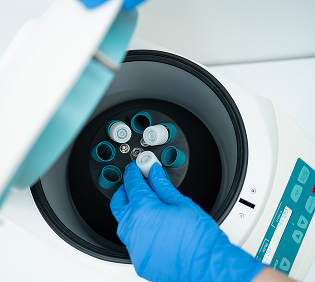
Cancer treatment is only one part of the journey. Survivorship care focuses on helping women recover fully-physically, emotionally, and socially-after cancer. It addresses long-term health, supports emotional well-being, and ensures women regain confidence and quality of life.

At Athenaa, our care does not stop when treatment ends. Survivorship is about restoring health, dignity, and confidence, helping every woman live fully, thrive, and embrace life after cancer.

image
image
Onco-Fertility Preservation

Cancer shouldn’t mean giving up the future of motherhood. Our fertility specialists provide timely counselling, egg/embryo preservation, and ovarian shielding options.
image
Lymphedema Clinic

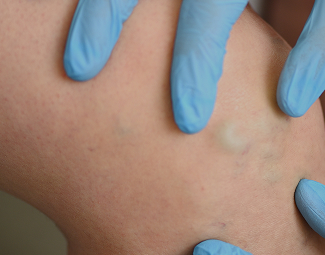
We offer a comprehensive and personalized lymphedema management program designed to restore function, relieve symptoms, and improve long-term quality of life.

image
Support Groups &  
Onco-Psychology

Emotional resilience is key to recovery. Our support groups and onco-psychology team offer counselling for anxiety, body image, fear of recurrence, and relationship changes.

image
Nutrition & Lifestyle Counselling

Specialist-led support with personalized care to help manage treatment side effects, maintain strength during therapy, and promote long-term recovery.
image
Menopausal & Bone Health Support

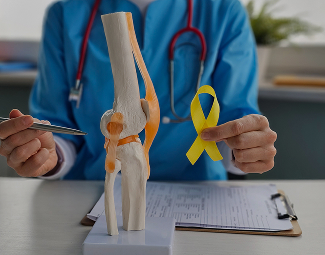
Cancer treatments, especially chemotherapy and hormonal therapy, can weaken bones and trigger early or sudden menopause. Our experts help women manage these changes.

image
Palliative Care

Even when cancer cannot be cured, comfort can be protected. Our palliative care team manages physical and emotional distress with dignity-focused support. 

image
Home Care

When hospital visits are difficult, our team brings care home. We offer skilled, compassionate support where women feel safest — at home.

 
Multidisciplinary Team-Based Care
Excellence is never by chance — it is by design. At Athenaa, every woman’s case is discussed in dedicated tumor boards, strengthened by collaboration with Johns Hopkins experts. This ensures that every decision carries the weight of world-class wisdom and the precision of personalized care.
image
Each woman at Athenaa is guided by a team of specialists, bringing together:
  • Gynecological surgical oncologists
  • Medical oncologists
  • Radiologists and pathologists
  • Genetic counsellors and fertility specialists
  • Physiotherapists, psychologists, and nutritionists

This collaborative approach ensures every aspect of care — from surgery to survivorship — is aligned with the patient’s goals and life beyond cancer.

Meet our Doctors
Apollo's doctors combine expertise with compassion to deliver the best care. Meet the specialists dedicated to your health and well-being.
icon
Dr. Geeta Kadayaprath
Lead – Breast Surgical Oncology
icon
Dr. Jyoti Wadhwa
Lead - Medical and Precision Oncology
icon
Prof Venkat Ramkrishnan
Lead – Plastic & Breast Reconstructive Surgery
icon
Dr Ramesh Sarin
Clinical Advisor - Breast Oncology
icon
Dr. Jyoti Arora

Radiology & Imaging

icon
Dr. Samarth Gupta
Consultant – Plastic and Breast Reconstructive Surgery
icon
Dr. Kavita Jain

Pathology

Stories of Healing from 
Around the World
Video 1

Shilpa Gupta
Stage 1 cancer survivor
Video 2

Ananya Pandey
Stage 2 cancer survivor
Video 3

Priya Sharma
Stage 3 cancer survivor
Video 3

Neha Gupta
Stage 4 cancer survivor
Video 3

Eline Shefa Philippe
Cancer survivor
 
appotment_section_bg
One step closer to care Schedule your appointment today.
card_bg
Book Your Appointment
Appointment form
.types_breast_section .title_row .title_wraper { width: 475px; max-width: 100%; } .types_detail p { font-size: 16px !important; } #treatmentsage .title_row .title_wraper { width: 448px; max-width: 100%; } @media (min-width: 991px) { .title_row .title_wraper .section_title span { display: block; } .stage_icon_arc { height: 100px; } } @media (min-width: 1024px) { .breast-cancer-top-section .section_title { width: 500px; } .stage_icon_arc { height: 130px; } } @media (min-width: 1200px) { .stage_icon_arc { height: 190px; } } .stages_scroller { display: grid; grid-template-columns: repeat(4, 1fr); gap: 22px; } @media only screen and (max-width: 991px){ .stages_scroller{ grid-template-columns: repeat(2, 1fr); } .types_detail p { font-size: 17px !important; } .stage_icon_arc { height: 190px; } } @media only screen and (max-width: 767px){ .stages_scroller{ grid-template-columns: repeat(1, 1fr) !important;   } .stages_scroller { display: flex; } .stage_card { flex: 0 0 345px; } } @media only screen and (max-width: 365px){ .stage_card { flex: 0 0 292px; } }