


அப்பல்லோ தலையங்கக் குழுவால் மதிப்பாய்வு செய்யப்பட்டது
விரைவான பதில்
Angiography is a group of imaging tests that show blood vessels. A contrast dye is put into the bloodstream and pictures are taken with X-ray, CT or MRI to reveal narrowing, blockage, bulging or abnormal vessels. Some types need a thin tube (catheter) passed through an artery; others need only an injection in the arm. The right type depends on which part of the body is being examined.
| முக்கிய உண்மைகள் | விவரங்கள் |
|---|---|
| அது என்ன | Imaging of arteries or veins using contrast dye |
| முக்கிய முறைகள் | Catheter (conventional) angiography, CT angiography, MR angiography |
| Common areas studied | Heart, brain, neck, lungs, kidneys, legs, eyes |
| மயக்க மருந்து | Numbing injection for catheter tests; none for CT or MR angiography |
| எடுக்கப்பட்ட நேரம் | From a few minutes for a scan to about an hour for a catheter test |
| வீட்டிற்கு போகிறேன் | Usually the same day |
| Main cautions | Contrast allergy, kidney problems, pregnancy, bleeding risk |
ஆஞ்சியோகிராபி என்றால் என்ன?
Blood vessels do not show up clearly on ordinary X-rays. In angiography, a contrast dye is injected so that the inside of the vessels stands out. The pictures are called angiograms. See our guide to what an angiogram is and why it is performed.
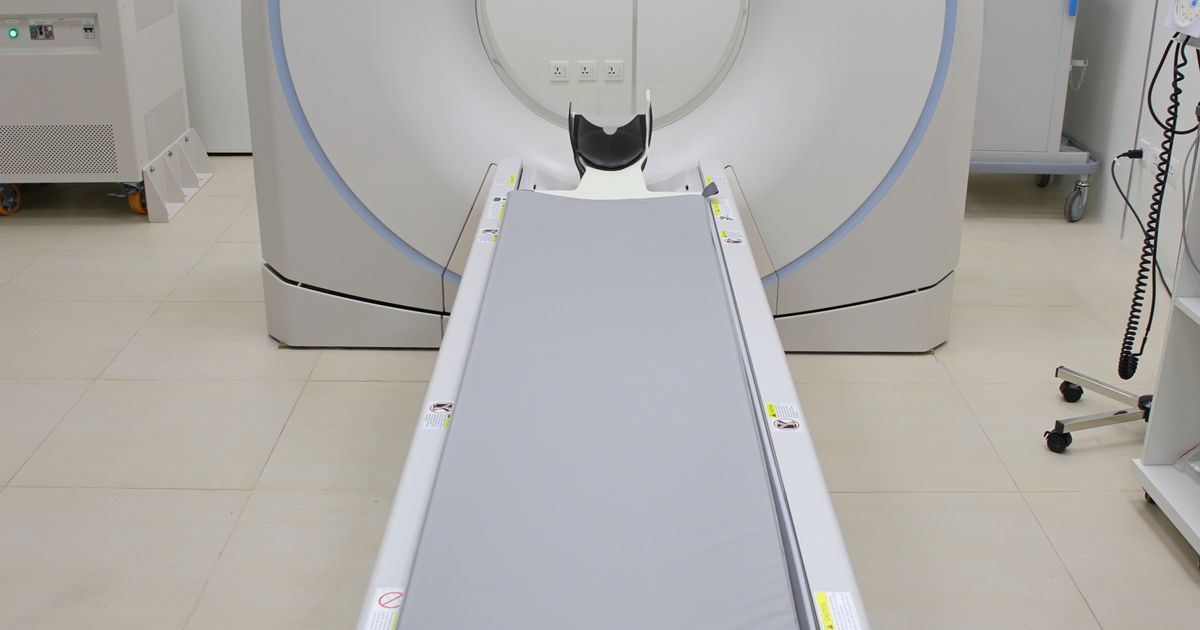
In catheter angiography, a doctor passes a catheter through an artery at the wrist or groin to the area of interest and injects dye directly while X-ray images are recorded. In CT and MR angiography, the dye is given through a vein in the arm and a scanner builds the pictures, so no catheter is needed.
Other names for angiography
- Angiogram or angio test
- Arteriography (arteries) and venography (veins)
- டிஜிட்டல் கழித்தல் ஆஞ்சியோகிராபி (DSA)
- வடிகுழாய் ஆஞ்சியோகிராபி
- CT angiography (CTA) and MR angiography (MRA)
Types of angiography
| வகை | அது என்ன | அது பயன்படுத்தப்படும் போது | மேலும் படிக்க |
|---|---|---|---|
| கொரோனரி ஆஞ்சியோகிராபி | Catheter test showing the arteries that supply the heart | Chest pain, heart attack, abnormal stress test, before heart surgery | கொரோனரி ஆஞ்சியோகிராபி, கரோனரி ஆஞ்சியோகிராம் |
| CT கரோனரி ஆஞ்சியோகிராபி | CT scan of the heart arteries with dye given in an arm vein | Lower to intermediate risk chest pain; checking for early disease | CT கரோனரி ஆஞ்சியோகிராம் |
| சி.டி. ஆஞ்சியோகிராபி | CT scan of vessels anywhere in the body | Aorta, lung, kidney, limb and brain vessels; emergencies | How a CT angiogram is performed |
| எம்ஆர் ஆஞ்சியோகிராபி | MRI-based pictures of vessels, with no X-rays | Brain, neck, kidney and limb vessels; when radiation should be avoided | MRA |
| பெருமூளை ஆஞ்சியோகிராபி | Catheter test of the brain's arteries | Aneurysm, abnormal vessel tangles, stroke assessment | பெருமூளை ஆஞ்சியோகிராம் |
| கரோடிட் ஆஞ்சியோகிராபி | Imaging of the neck arteries that supply the brain | Narrowing that may cause stroke or mini-stroke | கரோடிட் ஆஞ்சியோகிராபி |
| புற ஆஞ்சியோகிராபி | Imaging of arteries in the legs or arms | Leg pain on walking, non-healing foot wounds, before angioplasty or bypass | புற தமனி நோய், peripheral angioplasty and stenting |
| நுரையீரல் ஆஞ்சியோகிராபி | Imaging of the lung arteries, now mostly by CT | Suspected clot in the lung | நுரையீரல் தக்கையடைப்பு |
| சிறுநீரக ஆஞ்சியோகிராபி | Imaging of the kidney arteries | Suspected narrowing causing high blood pressure or kidney damage | சிறுநீரக தமனி ஸ்டெனோசிஸ் |
| வெனோகிராபி | Imaging of veins | Clots, blocked or abnormal veins, planning vein procedures | வெனோகிராபி, வெனோகிராம் |
| ஃப்ளோரசெசின் ஆஞ்சியோகிராபி | Photographs of the retina after dye is injected in the arm | Diabetic eye disease and other retinal conditions | ஃப்ளோரசெசின் ஆஞ்சியோகிராபி |
| லிம்பாங்கியோகிராபி | Imaging of lymph vessels | Lymph leaks and swelling | லிம்பாங்கியோகிராபி |
Coronary angiography is usually done as part of இதய வடிகுழாய்.
Why is angiography done?
- To find narrowed or blocked arteries caused by பெருந்தமனி தடிப்பு, for example in people with ஆன்ஜினா
- To look for clots, bulges (aneurysms), tears or abnormal connections between vessels
- To plan surgery, angioplasty or stenting, and to check the result afterwards
A catheter angiogram can sometimes be followed at once by treatment, such as கரோனரி ஆஞ்சியோபிளாஸ்டி மற்றும் ஸ்டென்டிங். CT and MR angiography are tests only.
How is angiography done?
Before the test, tell the team about allergies, kidney disease, diabetes medicines, blood thinners and any chance of pregnancy. A kidney blood test is often needed, and you may be asked to fast for a few hours.
- வடிகுழாய் இரத்தக்குழாய் வரைவு: the skin at the wrist or groin is numbed, a catheter is guided through the artery under X-ray, dye is injected and images are recorded. The catheter is removed and the puncture site is pressed or sealed. You rest for a few hours before going home.
- CT ஆஞ்சியோகிராபி: a cannula is placed in an arm vein, you lie on the scanner table, and dye is injected while the scan is taken. It takes a few minutes. You may feel a brief warm flush.
- எம்ஆர் ஆஞ்சியோகிராபி: you lie inside the MRI scanner for longer, and a different type of contrast may or may not be used.
Risks of angiography
Serious problems are uncommon. The risks depend on the type of test and your health.
- Contrast dye: a warm flush or metallic taste is common; allergic reactions are uncommon, and kidney function can worsen in people who already have kidney disease.
- கதிர்வீச்சு: X-ray and CT tests use a controlled dose; MR angiography uses none.
- Catheter tests: bruising or bleeding at the puncture site is the most common problem. Damage to the artery, clots, stroke, heart rhythm disturbance or heart attack are rare.
- எம்.ஆர்.ஐ: may not be possible with some implants or metal in the body.
Recovery after angiography
After CT or MR angiography you can usually return to normal activity straight away. After a catheter test, rest for the day, drink fluids unless told otherwise, avoid heavy lifting for a few days and do not drive for the first day.
மருத்துவ உதவியை எப்போது பெற வேண்டும்
- Bleeding or a growing swelling at the puncture site
- A cold, pale, numb or painful hand or leg
- மார்பு வலி அல்லது மூச்சுத் திணறல்
- Weakness of the face or a limb, or trouble speaking
- Rash, itching, facial swelling or wheezing
What is the cost of angiography in India?
செலவு இதைப் பொறுத்தது:
- The type of angiography and the body area examined
- Whether a catheter, CT or MRI is used
- The amount and type of contrast
- Day care or overnight stay, and room category
- நகரம் மற்றும் மருத்துவமனை
கட்டணங்கள் நபருக்கு நபர் மாறுபடும். சரியான விலைகளை மருத்துவமனையிடம் கேட்டுத் தெரிந்துகொள்ளவும்.
Why choose Apollo Hospitals for angiography?
- Cardiologists, radiologists, neurologists and vascular specialists who select the type of test suited to your problem
- Catheterisation laboratories, CT and MRI under one roof at many centres
- மையங்களுக்கு இடையே கிடைக்கும் தன்மை மாறுபடும். தயவுசெய்து மருத்துவமனையில் சரிபார்த்துக் கொள்ளவும்.
For heart-related symptoms, book an appointment with a cardiologist at Apollo Hospitals, who can advise which test you need.
Questions to ask your doctor about angiography
- Which type of angiography do I need, and why?
- Could a CT or MR angiogram answer the question instead of a catheter test?
- Should I stop or change any medicines beforehand?
- Is the contrast dye safe for my kidneys?
- Might treatment such as angioplasty be done at the same time?
- எனக்கு எப்போது முடிவுகள் கிடைக்கும்?
அடிக்கடி கேட்கப்படும் கேள்விகள்
1. What is the difference between angiography and angiogram?
Angiography is the name of the test. An angiogram is the picture it produces. People often use the two words to mean the same thing.
2. Is angiography the same as angioplasty?
No. Angiography is a test that shows the vessels. Angioplasty is a treatment in which a narrowed vessel is widened with a balloon, often with a stent.
3. Is angiography painful?
The numbing injection or cannula stings briefly. The dye can cause a short warm feeling. Most people do not find the test painful.
4. How long does angiography take?
A CT angiogram takes a few minutes of scanning. A catheter angiogram usually takes about half an hour to an hour, followed by a few hours of rest.
5. Is CT angiography as good as catheter angiography?
CT angiography is very good at ruling out disease and avoids a catheter. Catheter angiography gives the finest detail and allows treatment in the same sitting.
6. Can I have angiography if I have kidney disease or a dye allergy?
Often yes, with precautions such as extra fluids, a smaller amount of dye or protective medicines, or by choosing a different test. Tell your doctor beforehand.
7. Do I need to stay in hospital?
Most angiography is done as a day procedure. You may stay overnight if treatment is carried out at the same time or if you need observation.
8. Which doctor performs angiography?
Cardiologists perform coronary angiography. Interventional radiologists, neuro-interventional specialists and vascular surgeons perform angiography of other areas, and radiologists report CT and MR angiograms.
தீர்மானம்
Angiography covers several tests that show blood vessels in different parts of the body, from quick CT scans to catheter studies that can lead directly to treatment. Use the links above to read about each test, and discuss the choice with your doctor.
இந்தப் பக்கம் பொதுவான தகவல்களுக்கானது, மேலும் இது உங்கள் மருத்துவரின் ஆலோசனைக்கு மாற்றாகாது. உங்கள் மருத்துவ வரலாற்றை அறிந்த தகுதிவாய்ந்த நிபுணருடன் கலந்தாலோசித்து சிகிச்சை முடிவுகள் எடுக்கப்பட வேண்டும்.
சமீபத்தில் சேர்க்கப்பட்ட


Heart Specialists at Apollo Hospitals








நிபந்தனைகள்:
இந்தப் பக்கத்தில் வழங்கப்பட்டுள்ள தகவல்கள், பொதுவான தகவல் மற்றும் கல்வி நோக்கங்களுக்காக மட்டுமே வழங்கப்படுகின்றன. தகவல்கள் துல்லியமானவை, நம்பகமானவை மற்றும் தவறாமல் மதிப்பாய்வு செய்யப்படுகின்றன என்பதை உறுதிப்படுத்த நாங்கள் நியாயமான முயற்சிகளை மேற்கொண்டாலும், இவற்றைத் தொழில்முறை மருத்துவ ஆலோசனை, நோயறிதல் அல்லது சிகிச்சைக்கு மாற்றாகக் கருதக்கூடாது.
ஒரு மருத்துவ செயல்முறையின் பொருத்தம், அதன் நன்மைகள், அபாயங்கள், தயாரிப்பு, குணமடைதல், ஏற்படக்கூடிய சிக்கல்கள் மற்றும் எதிர்பார்க்கப்படும் விளைவுகள் ஆகியவை நபருக்கு நபர் மாறுபடலாம். உங்கள் தனிப்பட்ட உடல்நிலை மற்றும் மருத்துவ வரலாற்றின் அடிப்படையில் ஒரு செயல்முறை பொருத்தமானதா என்பதை உங்கள் சுகாதார நிபுணர் தீர்மானிப்பார்.
எந்தவொரு மருத்துவ சிகிச்சை குறித்தும் முடிவெடுப்பதற்கு முன், தனிப்பட்ட ஆலோசனைக்காகத் தகுதிவாய்ந்த சுகாதார நிபுணரை அணுகவும்.
எங்கள் மருத்துவ உள்ளடக்கம் எவ்வாறு உருவாக்கப்படுகிறது, மதிப்பாய்வு செய்யப்படுகிறது, புதுப்பிக்கப்படுகிறது மற்றும் பராமரிக்கப்படுகிறது என்பது பற்றிய கூடுதல் தகவலுக்கு, எங்கள் [ஆசிரியர் கொள்கையை] படிக்கவும்.




