


Functional Neurosurgery at Apollo Hospitals, Gurugram (Gurgaon)
ตรวจสอบโดยทีมบรรณาธิการของ Apollo · ตรวจสอบครั้งล่าสุด พฤศจิกายน 2026
คำตอบที่รวดเร็ว
Functional neurosurgery is the branch of neurosurgery that treats conditions in which the nervous system works abnormally even though its structure may look normal on scans. Rather than removing a mass, the surgeon alters the activity of specific nerve circuits, by implanting a stimulator, making a small precise lesion, relieving pressure on a nerve or delivering medicine to the spinal fluid. It is used for selected patients with movement disorders, epilepsy, chronic pain and severe spasticity.
ข้อเท็จจริงที่สำคัญ
| การรักษาอื่นๆ | ศัลยกรรมระบบประสาท |
| สามารถดูได้ที่ | โรงพยาบาลอพอลโล กูรุแกรม (กูร์กาวน์) |
| เวลาทำการของแผนกผู้ป่วยนอก | 9 ถึง 4 pm |
| ทำการนัดหมาย | 080 6999 1061 |
ภาพรวมสินค้า
Functional neurosurgery is the branch of neurosurgery that treats conditions in which the nervous system works abnormally even though its structure may look normal on scans. Rather than removing a mass, the surgeon alters the activity of specific nerve circuits, by implanting a stimulator, making a small precise lesion, relieving pressure on a nerve or delivering medicine to the spinal fluid. It is used for selected patients with movement disorders, epilepsy, chronic pain and severe spasticity.
Functional procedures may help people with Parkinson's disease, essential tremor, dystonia, drug-resistant epilepsy, trigeminal neuralgia, certain chronic nerve pain conditions and disabling spasticity, when medicines have been tried properly and no longer give adequate control or cause unacceptable side effects. Selection is careful and usually involves a neurologist, neurosurgeon, neuropsychologist and rehabilitation specialists, who confirm the diagnosis, assess the likely response, and weigh the expected improvement in daily function against the risks of surgery.
Book a consultation at Apollo Hospitals, Gurugram to learn whether functional neurosurgery is suitable for you.
Why is Functional Neurosurgery Necessary?
In these conditions, faulty signalling in particular brain, spinal cord or nerve circuits produces tremor, stiffness, seizures or pain. Surgery aims to modify those signals so that symptoms are reduced.
Conditions That May Require Functional Neurosurgery
Functional neurosurgery may be considered for the following conditions in carefully selected patients.
- โรคพาร์กินสัน: Deep brain stimulation may be advised when symptoms respond to levodopa but fluctuate through the day or are complicated by involuntary movements despite adjusted medicines.
- Essential tremor and dystonia: Considered when tremor or abnormal postures remain disabling for writing, eating or walking after adequate trials of medicines.
- โรคลมชักที่ดื้อต่อยา: Resective surgery, vagus nerve stimulation or other neuromodulation may be options when seizures continue despite two or more suitable anti-seizure medicines.
- โรคปวดเส้นประสาทไตรเจมินัล: Microvascular decompression or a needle-based lesioning procedure may be offered when medicines fail to control the facial pain or are poorly tolerated.
- Chronic neuropathic pain and spasticity: Spinal cord stimulation or an intrathecal pump may be considered for selected patients after comprehensive pain or rehabilitation assessment.
สัญญาณและอาการที่ต้องระวัง
Symptoms that may lead to referral for a functional neurosurgery opinion include the following.
- Tremor that interferes with daily tasks: Shaking of the hands that makes eating, drinking or writing difficult despite treatment may warrant specialist review.
- Medication wearing off: In Parkinson's disease, periods of stiffness and slowness returning before the next dose are a common reason for assessment.
- Involuntary movements: Twisting, writhing or sustained abnormal postures may be due to dystonia or to long-term medicine effects.
- Seizures despite medicines: Continuing fits after proper trials of anti-seizure drugs suggest that surgical evaluation may be worthwhile.
- Severe facial or nerve pain: Electric-shock facial pain or persistent burning limb pain not controlled by medicines may be suitable for intervention.
- Marked muscle stiffness: Tight, spastic limbs after stroke, spinal injury or cerebral palsy that hinder care or movement may benefit from assessment.
เมื่อวิธีการรักษาอื่นๆ ไม่ได้ผลอีกต่อไป
Medicines, physiotherapy, occupational therapy and, for some conditions, botulinum toxin injections remain the first line of treatment and control symptoms well for many years in most patients. Surgery is considered when the diagnosis is secure, medicines have been tried at adequate doses and combinations, and symptoms still limit work, self-care or safety, or when the doses needed cause side effects such as drowsiness, confusion or involuntary movements. Functional surgery generally controls symptoms and does not cure the underlying disease.
Types of Functional Neurosurgery
Functional neurosurgery includes several kinds of procedure, selected according to the condition.
- การกระตุ้นสมองส่วนลึก: Fine electrodes placed in a specific deep brain target are connected to a pulse generator under the skin of the chest, which can be adjusted after surgery.
- Lesioning procedures: A small, precisely placed lesion, such as a thalamotomy or pallidotomy, interrupts an overactive circuit and may suit selected patients.
- การผ่าตัดโรคลมบ้าหมู: Removal or disconnection of the area where seizures begin, or implantation of a vagus nerve stimulator when a focus cannot be removed.
- Microvascular decompression: A small pad is placed between a blood vessel and the trigeminal or facial nerve at the brainstem to relieve the irritation causing pain or spasm.
- Spinal cord stimulation and intrathecal pumps: An implanted device delivers mild electrical pulses to the spinal cord or medicine into the spinal fluid to reduce pain or spasticity.
ข้อกำหนดทางกฎหมายและจริยธรรมในประเทศอินเดีย
ก่อนเริ่มการรักษา ทีมแพทย์จะอธิบายถึงข้อบ่งชี้ ทางเลือกอื่น ประโยชน์ที่คาดว่าจะได้รับ และความเสี่ยง พร้อมทั้งขอความยินยอมเป็นลายลักษณ์อักษร คุณสามารถถามคำถาม ขอความเห็นจากแพทย์ท่านอื่น และใช้เวลาในการตัดสินใจได้
ปรึกษาทีมประสาทวิทยาที่โรงพยาบาลอพอลโล เมืองคุรุแกรม เพื่อรับการประเมินรายบุคคล
Risks of Delaying Functional Neurosurgery
Delaying evaluation when symptoms are no longer controlled may carry the following risks.
- Progressive loss of independence: Uncontrolled tremor, stiffness or pain can steadily reduce the ability to work and manage personal care.
- Falls and injuries: Poor mobility, freezing and seizures raise the risk of falls, fractures and head injury.
- Harm from uncontrolled seizures: Frequent seizures are associated with injury, memory difficulties and, rarely, sudden unexpected death in epilepsy.
- Side effects from escalating medicines: Ever higher doses may cause drowsiness, confusion, hallucinations or involuntary movements.
- Missing the suitable window: Some procedures work well only at certain stages, and advanced disease, frailty or cognitive decline may later rule out surgery.
- Contractures and deformity: Long-standing spasticity or dystonia can cause fixed joint tightness that is harder to reverse.
An early specialist opinion does not commit you to surgery but helps you understand your options at the right time.
ประโยชน์ของการผ่าตัดประสาทฟังก์ชัน
For suitable patients, functional neurosurgery may offer the following.
- Better control of movement symptoms: Tremor, stiffness and slowness may improve, and the day may contain more hours of good mobility.
- Lower medicine requirement: Some patients are able to reduce doses, which may lessen medicine-related side effects.
- Fewer seizures: Selected patients with epilepsy may have a substantial reduction in seizures, and some become seizure-free.
- Relief of severe pain: Procedures for trigeminal neuralgia and selected pain conditions may reduce pain that medicines could not control.
- การบำบัดที่ปรับเปลี่ยนได้และย้อนกลับได้: Stimulation settings can be changed over time without further brain surgery, and the device can be switched off if needed.
- ปรับปรุงการทำงานประจำวัน: Greater ease with eating, dressing, walking and social activity may follow in patients who respond well.
Response varies considerably between individuals and conditions, and realistic goals are agreed with you before any procedure.
Functional Neurosurgery at Apollo Hospitals, Gurugram (Gurgaon)
Why Choose Apollo Hospitals, Gurugram for Functional Neurosurgery?
Apollo Hospitals, Gurugram combines specialist assessment with coordinated care for people who need functional neurosurgery.
- การประเมินโดยผู้เชี่ยวชาญ: A neurologist and neurosurgeon confirm the diagnosis, review past treatment and assess which symptoms are likely to respond to surgery.
- Multidisciplinary selection: Findings from imaging, neuropsychology and, where needed, rehabilitation and psychiatry are discussed together before a recommendation is made.
- Programming and follow-up: After implantation, repeated visits are scheduled to adjust device settings and medicines step by step and to monitor progress.
- การวางแผนแบบสหวิทยาการ: ผู้เชี่ยวชาญจากหน่วยงานที่เกี่ยวข้องจะร่วมกันพิจารณากรณีที่ซับซ้อนก่อนที่จะเสนอแผนการดำเนินการ
- การรักษาเฉพาะบุคคล: คำแนะนำจะพิจารณาจากอาการของคุณ ผลการตรวจ อายุ สุขภาพโดยรวม และความต้องการของคุณ
- การสื่อสารที่เน้นผู้ป่วยเป็นศูนย์กลาง: ทีมดูแลจะอธิบายการเตรียมตัว การฟื้นตัวที่คาดหวัง ยา และสัญญาณเตือนต่างๆ ด้วยภาษาที่เข้าใจง่าย
- ความต่อเนื่องของการดูแล: การติดตามผลการรักษาจะช่วยติดตามการฟื้นตัวและช่วยจัดการกับอาการของโรคในระยะยาว
Functional Neurosurgery Care for Patients in Gurugram and Delhi NCR
Apollo Hospitals, Gurugram is located on Golf Course Road, Sector 28, Gurugram, Haryana 122009. It offers Functional Neurosurgery for patients from Gurugram, the wider Delhi NCR and Haryana, with specialist doctors, nursing and diagnostic teams working together from assessment to follow-up.
How to Reach the Functional Neurosurgery Team in Gurugram
- ที่ตั้ง: โรงพยาบาลอพอลโล กูรุแกรม ถนนกอล์ฟคอร์ส เซคเตอร์ 28 กูรุแกรม ฮารยานา 122009
- โทรศัพท์: 0124-6501600 หรือ 08069991061
- หนังสือออนไลน์: Book a Functional Neurosurgery consultation in Gurugram
ขอเส้นทางไปโรงพยาบาล Apollo ในเมือง Gurugram
โรงพยาบาล Apollo ในเมือง Gurugram ตั้งอยู่บนถนน Golf Course Road เขต 28 เปิดดูตำแหน่งที่ตั้งของโรงพยาบาลและขอเส้นทางบน Google Maps
หากคุณอาศัยอยู่นอกเมืองคุรุแกรม
If you are travelling from elsewhere in Delhi NCR or Haryana, ask the care team how to plan your consultation, tests and follow-up visits for Functional Neurosurgery so that you are not making more trips than needed.
สิ่งที่ควรนำมาในวันปรึกษาครั้งแรก
- เอกสารสแกน รายงานผลการตรวจ และประวัติทางการแพทย์ก่อนหน้านี้ที่เกี่ยวข้องกับอาการของคุณ
- รายชื่อยาที่คุณกำลังรับประทานอยู่ และอาการแพ้ใดๆ
- บัตรประจำตัวประชาชนและรายละเอียดประกันภัย (ถ้ามี)
บริการดูแลรักษาที่เกี่ยวข้อง ณ โรงพยาบาลอพอลโล เมืองคุรุแกรม
สำรวจแผนกประสาทวิทยาศาสตร์ที่โรงพยาบาล Apollo ในเมือง Gurugramเพื่อเรียนรู้เกี่ยวกับผู้เชี่ยวชาญและบริการที่มีให้บริการ
Preparation for Functional Neurosurgery
การประเมินทางคลินิก
Your specialist first confirms the diagnosis and whether functional neurosurgery is the right option.
- แบ่งปันเรื่องราวของคุณ: Bring a record of your symptoms through the day, all medicines and doses tried, seizure diaries or videos, and any mood or memory concerns.
- เข้าร่วมการสอบ: You may be examined both off and on medication, or admitted for video EEG monitoring, so the team can measure your symptoms objectively.
- หารือทางเลือก: Ask about further medicine adjustments, infusion therapies, injections and rehabilitation, and how they compare with surgery for you.
การตรวจก่อนการรักษา
Assessment before functional neurosurgery commonly includes the following.
- ภาพ MRI สมอง: Excludes other causes of symptoms and provides the detailed images used to plan the target.
- Levodopa response test: For Parkinson's disease, compares movement scores off and on medicine to predict the likely benefit of stimulation.
- Video EEG monitoring: For epilepsy, records seizures and brain waves together to locate where seizures start.
- การประเมินทางจิตวิทยาประสาท: Evaluates memory, thinking and mood, which influence suitability and help in counselling about risks.
- Blood tests and anaesthetic assessment: Confirm that you are fit for the procedure and that clotting is normal.
ยาและการแพ้
การเปลี่ยนแปลงยาควรทำภายใต้คำแนะนำของทีมแพทย์ผู้รักษาเท่านั้น
- โปรดระบุรายการยา: รวมถึงยาตามใบสั่งแพทย์ อินซูลิน ยาต้านการแข็งตัวของเลือด อาหารเสริม และยาที่ซื้อได้เองโดยไม่ต้องมีใบสั่งแพทย์
- แจ้งอาการแพ้: แจ้งทีมงานเกี่ยวกับประวัติการแพ้สารทึบแสง ยา น้ำยาง หรือยาสลบในครั้งก่อนๆ
- ปฏิบัติตามคำแนะนำเฉพาะ: คุณอาจถูกขอให้ปรับยาต้านการแข็งตัวของเลือดหรือยาเบาหวานก่อนเข้ารับการรักษา
การวางแผนด้านอาหารและการปฏิบัติจริง
ปฏิบัติตามคำแนะนำเฉพาะบุคคลของโรงพยาบาลเกี่ยวกับการเข้ารับการรักษาและการงดอาหาร
- ปฏิบัติตามคำแนะนำเกี่ยวกับการถือศีลอด: หากจำเป็นต้องงดอาหารและเครื่องดื่ม ให้หยุดรับประทานอาหารและเครื่องดื่มตามเวลาที่ได้รับแจ้ง
- จัดเตรียมการสนับสนุน: ขอให้ผู้ใหญ่ที่รับผิดชอบมาด้วยและช่วยเหลือคุณหลังจากออกจากโรงพยาบาล
- วางแผนการเข้าพักของคุณ: นำบัตรประจำตัว รายงาน เสื้อผ้าที่สวมใส่สบาย และของใช้ส่วนตัวที่จำเป็นมาด้วย
ความยินยอมและการตรวจสอบขั้นสุดท้าย
ทีมแพทย์จะทำการตรวจสอบความปลอดภัยและตอบคำถามต่างๆ ก่อนเริ่มการรักษา
- ทำความเข้าใจแผนงาน: ตรวจสอบประโยชน์ที่คาดว่าจะได้รับ ข้อจำกัด ทางเลือกอื่น และภาวะแทรกซ้อนที่อาจเกิดขึ้น
- ยืนยันความยินยอม: โปรดลงนามในแบบฟอร์มยินยอมหลังจากได้รับข้อมูลที่คุณเข้าใจแล้วเท่านั้น
- รายงานการเปลี่ยนแปลง: แจ้งให้โรงพยาบาลทราบหากมีไข้ ติดเชื้อ หรือมีอาการผิดปกติใดๆ ก่อนเข้ารับการรักษา
Recovery After Functional Neurosurgery
หลังการรักษาทันที
การตรวจสอบจะเริ่มขึ้นทันทีที่ขั้นตอนเสร็จสิ้น
- การตรวจติดตามระบบประสาท: Alertness, speech, limb movement and wounds are checked regularly, and a scan may confirm electrode position.
- Medicines continued: Your usual medicines are generally continued at first, as stimulation is often switched on and adjusted in later visits.
- พักรักษาตัวในโรงพยาบาลระยะสั้น: Many patients stay a few days, depending on the procedure and whether it is carried out in one or two stages.
ดูแลที่บ้าน
ปฏิบัติตามคำแนะนำในการออกจากโรงพยาบาลที่เหมาะสมกับสถานการณ์ของคุณ
- Wound and device site care: Keep the scalp and chest incisions clean and dry and avoid pressing or rubbing over the implanted device.
- Do not change medicines yourself: Doses are adjusted gradually by your neurologist alongside programming, and sudden changes can worsen symptoms.
- Follow device precautions: Carry your device identity card, and inform doctors before any MRI, diathermy or surgery, since special conditions apply.
ยาและการติดตามผล
การดูแลอย่างต่อเนื่องช่วยสนับสนุนการฟื้นตัวและตรวจสอบผลลัพธ์ของการรักษา
- รับประทานยาอย่างถูกต้อง: รับประทานยาตามที่แพทย์สั่งอย่างต่อเนื่อง และอย่าหยุดยาโดยไม่ได้รับคำแนะนำจากแพทย์
- เข้าร่วมการตรวจเยี่ยมเพื่อตรวจสอบ: การติดตามผลอาจรวมถึงการตรวจร่างกายและการทดสอบซ้ำ
- ติดตามอาการ: จดบันทึกการเปลี่ยนแปลงใดๆ ในอาการของคุณและแจ้งให้ทราบในการตรวจติดตามผล
กลับสู่กิจกรรมตามปกติ
Light activity is usually possible within one to two weeks, and many people return to desk work in about four to six weeks, depending on the procedure and their condition. Driving is restricted after brain surgery and is governed by seizure status and by rules that apply to your diagnosis, so confirm with your doctor before resuming. Walking is encouraged early, while swimming, contact sports and heavy overhead exercise are discussed individually, particularly when a device has been implanted.
สัญญาณเตือนที่ต้องได้รับการดูแลทางการแพทย์อย่างเร่งด่วน
ควรไปพบแพทย์โดยด่วนหากมีอาการใดๆ ต่อไปนี้เกิดขึ้น
- Redness, swelling or discharge over the device or wounds: Contact the hospital promptly, as infection around an implant needs early treatment.
- Severe headache, confusion or new weakness: Come to the emergency department, since bleeding or swelling must be excluded.
- Sudden return or worsening of symptoms: Inform your team quickly, because the device may have switched off or developed a fault.
- Seizure or a cluster of seizures: Seek emergency help, especially if a seizure lasts more than five minutes.
- Marked change in mood or behaviour: Report low mood, agitation or unusual behaviour to your doctors without delay.
Take the Next Step Towards Functional Neurosurgery Care
A specialist consultation can clarify whether functional neurosurgery is right for you and what the alternatives are.
โปรดนำเอกสารต่อไปนี้มาด้วยหากมี:
- เวชระเบียน: นำเอกสารบันทึกการปรึกษาครั้งก่อน ใบสรุปการออกจากโรงพยาบาล และใบสั่งยาติดตัวไปด้วย
- รายงานการทดสอบ: นำผลการสแกน ผลตรวจเลือด และผลการตรวจอื่นๆ ที่เกี่ยวข้องกับอาการของคุณมาด้วย
- รายการยา: โปรดระบุขนาดยาปัจจุบัน อาหารเสริม และอาการแพ้ต่างๆ
- รายละเอียดการระบุตัวตนและขอบเขตความคุ้มครอง: โปรดนำบัตรประจำตัวประชาชนที่ยังไม่หมดอายุ เอกสารประกันภัย และเอกสารอ้างอิงมาด้วย
Book your functional neurosurgery consultation with Apollo Hospitals, Gurugram today.
Frequently Asked Questions About Functional Neurosurgery
How do I know if I am a candidate for functional neurosurgery?
You may be a candidate if your diagnosis is clear, medicines have been properly tried, and symptoms still limit daily life. Suitability also depends on general health, memory and mood. A specialist team confirms this through examination, imaging and specific tests such as a levodopa challenge or video EEG before making any recommendation.
Does deep brain stimulation cure Parkinson's disease?
No, deep brain stimulation does not cure Parkinson's disease or stop it from progressing. It may improve tremor, stiffness, slowness and medicine-related fluctuations in suitable patients, often for many years. Symptoms that do not respond to levodopa, such as some balance and speech problems, generally improve less. Medicines are usually still needed.
What are the risks of functional neurosurgery?
Risks vary with the procedure. For implanted devices they include a small risk of bleeding in the brain, infection, and hardware problems such as lead movement or breakage. Stimulation can cause tingling, speech or mood changes that are often adjustable. Epilepsy and decompression operations carry their own specific risks, which your surgeon will explain.
Will I be awake during deep brain stimulation surgery?
It depends on the technique chosen. Some patients are kept awake with local anaesthesia for part of the operation so that the team can test symptoms and side effects while positioning the electrode. Others have the entire procedure under general anaesthesia with imaging guidance. The pulse generator is implanted under general anaesthesia.
How long does the battery of a stimulator last?
Battery life depends on the type of device and the settings used. Non-rechargeable generators commonly last around three to five years and are then replaced through a minor procedure, while rechargeable models can last considerably longer but need regular charging at home. Your team will advise which type suits your needs.
Which is the best hospital for Functional Neurosurgery in Gurugram?
The right hospital depends on your condition and your doctor's advice. Apollo Hospitals, Gurugram offers specialist assessment, diagnostics and coordinated care for functional neurosurgery. Compare the team's experience, the facilities and the follow-up care on offer before you decide.
How do I book a consultation for Functional Neurosurgery at Apollo Hospitals, Gurugram?
คุณสามารถจองนัดหมายออนไลน์ได้ผ่านลิงก์การจองในหน้านี้ หรือโทร 08069991061 เวลาทำการของแผนกผู้ป่วยนอกคือ 9 น. ถึง 4 น. ทีมดูแลจะแนะนำคุณไปยังผู้เชี่ยวชาญที่เหมาะสม
โรงพยาบาล Apollo Gurugram ตั้งอยู่ที่ไหน?
โรงพยาบาล Apollo Gurugram ตั้งอยู่บนถนน Golf Course Road, Sector 28, Gurugram, Haryana 122009
What should I bring to my first consultation for Functional Neurosurgery?
โปรดนำผลการสแกนและรายงานผลการตรวจใดๆ ที่เกี่ยวข้องกับอาการของคุณ ประวัติทางการแพทย์ก่อนหน้านี้ รายชื่อยาที่คุณกำลังรับประทานและอาการแพ้ บัตรประจำตัวที่มีรูปถ่าย และรายละเอียดประกันสุขภาพของคุณ (ถ้ามี) มาด้วย
Can patients from outside Gurugram get Functional Neurosurgery care at Apollo Hospitals, Gurugram?
ใช่ค่ะ ผู้ป่วยจากเดลี NCR, ฮารยานา และพื้นที่อื่นๆ ของอินเดีย สามารถเข้ารับการปรึกษาจากทีมแพทย์ที่โรงพยาบาลอพอลโล กูรุแกรมได้ กรุณาแนบรายงานทางการแพทย์ของคุณเมื่อทำการจอง เพื่อให้ทีมแพทย์สามารถวางแผนการนัดหมายของคุณได้
ข้อจำกัดความรับผิดชอบทางการแพทย์:ข้อมูลนี้มีไว้เพื่อให้ความรู้ทั่วไปเท่านั้น และไม่สามารถใช้แทนการปรึกษาแพทย์ผู้เชี่ยวชาญได้ การตัดสินใจเกี่ยวกับการรักษาขึ้นอยู่กับการประเมินรายบุคคล
เพิ่มมาเร็ว ๆ นี้


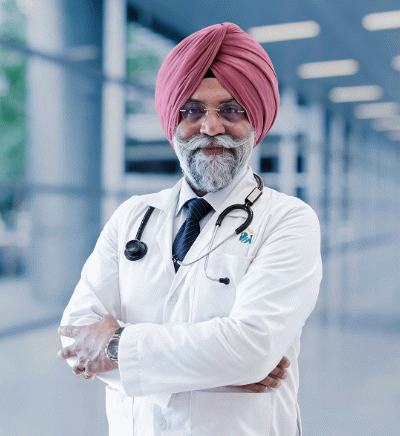
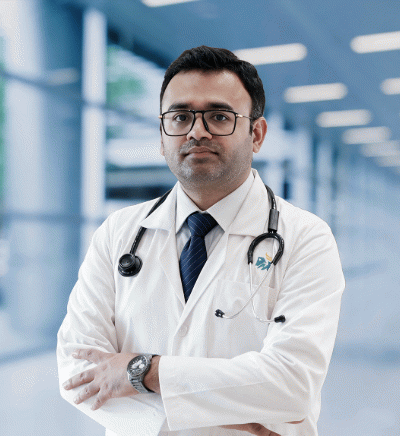
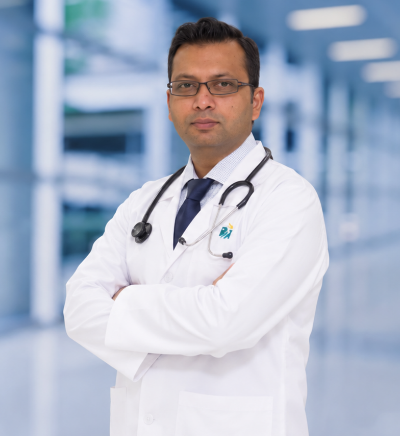
ศัลยแพทย์ผู้เชี่ยวชาญด้านศัลยกรรมกะโหลกศีรษะ ณ โรงพยาบาลอพอลโล เมืองคุรุแกรม




คำออกตัว:
ข้อมูลที่ให้ไว้ในหน้านี้มีวัตถุประสงค์เพื่อให้ข้อมูลและความรู้ทั่วไปเท่านั้น แม้ว่าเราจะพยายามอย่างเต็มที่เพื่อให้แน่ใจว่าข้อมูลมีความถูกต้อง น่าเชื่อถือ และได้รับการตรวจสอบอย่างสม่ำเสมอ แต่ไม่ควรใช้ข้อมูลนี้แทนคำแนะนำ การวินิจฉัย หรือการรักษาทางการแพทย์จากผู้เชี่ยวชาญ
ความเหมาะสมของขั้นตอนทางการแพทย์ ตลอดจนประโยชน์ ความเสี่ยง การเตรียมตัว การพักฟื้น ภาวะแทรกซ้อนที่อาจเกิดขึ้น และผลลัพธ์ที่คาดหวัง อาจแตกต่างกันไปในแต่ละบุคคล แพทย์ผู้ดูแลของคุณจะเป็นผู้พิจารณาว่าขั้นตอนดังกล่าวเหมาะสมหรือไม่ โดยพิจารณาจากสภาพร่างกายและประวัติทางการแพทย์ของคุณ
โปรดปรึกษาผู้เชี่ยวชาญด้านสุขภาพที่มีคุณสมบัติเหมาะสมเพื่อขอคำแนะนำเฉพาะบุคคลก่อนตัดสินใจเกี่ยวกับขั้นตอนทางการแพทย์ใดๆ
หากต้องการข้อมูลเพิ่มเติมเกี่ยวกับวิธีการสร้าง ตรวจสอบ ปรับปรุง และดูแลรักษาเนื้อหาทางการแพทย์ของเรา โปรดอ่าน[นโยบายด้านบรรณาธิการ] ของ เรา




