


Microneurosurgery at Apollo Hospitals, Gurugram (Gurgaon)
Revisat per l'equip editorial d'Apollo · Última revisió novembre 2026
Resposta ràpida
Microneurosurgery is surgery on the brain, spinal cord and nerves performed under an operating microscope with very fine instruments. The microscope provides strong magnification and bright light, allowing the surgeon to see tiny blood vessels and nerves clearly and to work between them through a relatively small opening. It is the standard technique for removing many brain and spinal tumours, clipping aneurysms, relieving nerve compression and removing slipped discs.
Factors clau
| Procediment | Microneurocirurgia |
| Disponible a | Hospitals Apollo, Gurugram (Gurgaon) |
| Horaris de l'OPD | 9 am a 4 pm |
| Nomenaments | 080 6999 1061 |
Descripció
Microneurosurgery is surgery on the brain, spinal cord and nerves performed under an operating microscope with very fine instruments. The microscope provides strong magnification and bright light, allowing the surgeon to see tiny blood vessels and nerves clearly and to work between them through a relatively small opening. It is the standard technique for removing many brain and spinal tumours, clipping aneurysms, relieving nerve compression and removing slipped discs.
Microsurgical techniques may help people with brain or spinal cord tumours, aneurysms and vascular malformations, nerve compression syndromes such as trigeminal neuralgia, disc herniation and peripheral nerve injuries. The decision to operate depends on the diagnosis, the size and position of the lesion, the symptoms it causes, your general health and the alternatives, which may include observation, medicines, radiosurgery or endovascular treatment. The surgeon explains what the operation aims to achieve and what risks are specific to the area involved.
Book a consultation at Apollo Hospitals, Gurugram to learn whether microneurosurgery is suitable for you.
Why is Microneurosurgery Necessary?
Structures in the nervous system are delicate and closely packed, and vessels less than a millimetre wide may supply vital areas. Magnification allows the surgeon to treat the problem while handling surrounding tissue as gently as possible.
Conditions That May Require Microneurosurgery
Microneurosurgery may be considered for the following conditions when surgery is indicated.
- Tumors cerebrals: Used to remove meningiomas, gliomas, vestibular schwannomas and metastases while aiming to preserve surrounding brain and nerves.
- Brain aneurysms and vascular malformations: Microsurgical clipping of an aneurysm or removal of a malformation may be advised depending on its shape, site and bleeding history.
- Spinal cord and nerve root tumours: Tumours within or beside the spinal cord are separated from it under magnification to relieve pressure.
- Disc herniation and spinal stenosis: Microdiscectomy or microscopic decompression may be recommended when nerve compression persists despite non-surgical treatment.
- Nerve compression and nerve injury: Microvascular decompression for trigeminal neuralgia and repair or grafting of injured peripheral nerves are carried out with microsurgical technique.
Signes i símptomes a tenir en compte
Symptoms vary with the condition, and commonly include the following.
- Progressive headache: Headache that is steadily worsening or accompanied by vomiting may be linked to a mass inside the skull.
- Convulsions: New seizures in an adult often lead to a scan that shows a tumour or vascular lesion.
- Debilitat o entumiment: Loss of power or feeling in the limbs may come from pressure on the brain, spinal cord or a nerve.
- Hearing loss or facial pain: One-sided hearing loss or sharp facial pain can arise from conditions affecting the cranial nerves.
- Difficulty walking or loss of hand dexterity: Stiff legs, imbalance or clumsy hands may suggest compression of the spinal cord.
- Radiating limb pain: Pain travelling down an arm or leg is typical of a compressed nerve root in the spine.
Quan altres tractaments ja no són suficients
Not every lesion needs an operation. Small, symptom-free tumours may be monitored, swelling may be eased with steroids, seizures and nerve pain are treated with medicines, and many disc problems improve with physiotherapy. Surgery is considered when a lesion is growing or causing neurological symptoms, when a diagnosis is required, when an aneurysm or malformation poses a risk of bleeding, or when pain and weakness continue in spite of appropriate non-surgical treatment.
Types of Microneurosurgery
Microsurgical technique is applied across several kinds of operation.
- Microsurgical tumour resection: The tumour is removed piece by piece or in one block through a craniotomy, with careful separation from normal tissue.
- Aneurysm clipping: A small metal clip is placed across the neck of the aneurysm to exclude it from the circulation while keeping normal arteries open.
- Descompressió microvascular: A blood vessel pressing on a cranial nerve is moved away and cushioned through a small opening behind the ear.
- Spinal microsurgery: Discs, bone spurs or tumours compressing the spinal cord or nerve roots are removed through a limited incision under the microscope.
- Peripheral nerve microsurgery: Injured nerves are released, repaired or bridged with grafts using stitches finer than a human hair.
Requisits legals i ètics a l'Índia
Abans del tractament, l'equip clínic explica la indicació, les alternatives, els beneficis esperats i els riscos, i obté el consentiment informat per escrit. Podeu fer preguntes, demanar una segona opinió i prendre-us el temps necessari per decidir.
Consulteu l'equip de neurociències dels Hospitals Apollo de Gurugram per a una avaluació individual.
Risks of Delaying Microneurosurgery
Postponing surgery that has been recommended may carry the following risks.
- Growth of the lesion: A larger tumour may be more firmly attached to vital structures and harder to remove safely.
- Irreversible neurological loss: Prolonged pressure on the brain, spinal cord or nerves can cause deficits that do not recover after later surgery.
- Sagnat: An aneurysm or vascular malformation may rupture and cause a sudden, serious haemorrhage.
- Pressió intracranial elevada: Increasing swelling or blocked fluid flow may cause drowsiness and require emergency treatment.
- Poorer nerve recovery: After a nerve injury, the chance of regaining muscle function falls if repair is delayed for many months.
Discuss with your surgeon how soon the operation should take place and what changes in symptoms to watch for meanwhile.
Benefits of Microneurosurgery
For suitable patients, microsurgical technique may offer the following.
- Precise removal or repair: Magnified vision helps the surgeon distinguish abnormal tissue from normal tissue during the operation.
- Protection of small vessels and nerves: Fine structures can be identified and preserved more reliably than with the naked eye.
- Smaller openings: Good light and magnification allow many operations to be done through limited exposures.
- Relief of pressure symptoms: Removing a mass or freeing a nerve may improve pain, weakness or other symptoms in many patients.
- Tissue for diagnosis: The removed tissue is examined in the laboratory to confirm the diagnosis and guide any further treatment.
- Durable treatment in selected conditions: Complete removal of some benign tumours, or secure clipping of an aneurysm, may provide long-lasting control.
The outcome depends on the nature and location of the condition and on each person's health, and cannot be guaranteed.
Microneurosurgery at Apollo Hospitals, Gurugram (Gurgaon)
Why Choose Apollo Hospitals, Gurugram for Microneurosurgery?
Apollo Hospitals, Gurugram combines specialist assessment with coordinated care for people who need microneurosurgery.
- Avaluació especialitzada: A neurosurgeon evaluates your symptoms, examination and imaging to decide whether surgery is advisable and what it can realistically achieve.
- Operative planning: The approach, position and any monitoring of nerve function during surgery are planned in advance with the anaesthesia and neurophysiology teams.
- Post-operative care and review: Recovery is supervised by nursing and rehabilitation staff, and the pathology report and further plan are discussed at follow-up.
- Planificació multidisciplinària: Els especialistes dels departaments pertinents revisen conjuntament els casos complexos abans de recomanar un pla.
- Tractament individualitzat: Les recomanacions tenen en compte els vostres símptomes, resultats de les proves, edat, estat de salut general i preferències.
- Comunicació centrada en el pacient: L'equip d'atenció explica la preparació, la recuperació prevista, els medicaments i els senyals d'alerta en un llenguatge planer.
- Continuïtat assistencial: Les visites de seguiment fan un seguiment de la recuperació i ajuden a controlar la condició subjacent al llarg del temps.
Microneurosurgery Care for Patients in Gurugram and Delhi NCR
Apollo Hospitals, Gurugram is located on Golf Course Road, Sector 28, Gurugram, Haryana 122009. It offers Microneurosurgery for patients from Gurugram, the wider Delhi NCR and Haryana, with specialist doctors, nursing and diagnostic teams working together from assessment to follow-up.
How to Reach the Microneurosurgery Team in Gurugram
- Adreça: Hospitals Apollo Gurugram, Carretera del Camp de Golf, Sector 28, Gurugram, Haryana 122009
- Telèfon: 0124-6501600 o 08069991061
- Reserveu en línia: Book a Microneurosurgery consultation in Gurugram
Indicacions per arribar a Apollo Hospitals, Gurugram
Els hospitals Apollo de Gurugram es troben a Golf Course Road, Sector 28. Obriu la ubicació de l'hospital i obteniu indicacions a Google Maps.
Si vius fora de Gurugram
If you are travelling from elsewhere in Delhi NCR or Haryana, ask the care team how to plan your consultation, tests and follow-up visits for Microneurosurgery so that you are not making more trips than needed.
Què cal portar a la primera consulta
- Exploracions, informes de proves i registres mèdics anteriors relacionats amb la teva condició
- Una llista dels medicaments actuals i de qualsevol al·lèrgia
- Document d'identitat amb foto i dades de l'assegurança, si en teniu
Atenció relacionada als hospitals Apollo, Gurugram
Exploreu el departament de Neurociències dels Hospitals Apollo de Gurugram per conèixer els especialistes i els serveis disponibles.
Preparation for Microneurosurgery
Valoració clínica
Your specialist first confirms the diagnosis and whether microneurosurgery is the right option.
- Comparteix la teva història: Describe how your symptoms began and changed, previous operations or radiotherapy, other illnesses, allergies and all medicines including blood thinners.
- Assistir a l'examen: A full neurological examination, sometimes with hearing, vision or nerve conduction tests, records your function before surgery.
- Discutiu les alternatives: Ask whether observation, radiosurgery, endovascular treatment or an endoscopic approach could be considered instead of microsurgery.
Proves abans del tractament
The following tests are commonly performed before a microneurosurgical operation.
- Ressonància magnètica amb contrast: Defines the lesion and its relationship to the brain, spinal cord, nerves and vessels.
- Escàner CT: Shows bone detail, calcification and any recent bleeding, and helps in planning the bone opening.
- Angiografia: CT, MR or catheter angiography maps the blood vessels when the lesion is vascular or lies next to major arteries.
- Nerve conduction and EMG studies: Assess the site and severity of a peripheral nerve problem before repair or release.
- Anàlisis de sang i avaluació anestèsica: Check blood count, clotting, kidney function and overall fitness for a long anaesthetic.
Medicaments i al·lèrgies
Els canvis de medicació només s'han de fer sota el consell de l'equip tractant.
- Proporcioneu una llista de medicaments: Inclou medicaments amb recepta, insulina, anticoagulants, suplements i medicaments sense recepta.
- Informar d'al·lèrgies: Informeu a l'equip sobre reaccions prèvies al contrast, medicaments, làtex o anestèsia.
- Seguiu instruccions específiques: És possible que se us demani que ajusteu els anticoagulants o els medicaments per a la diabetis abans del procediment.
Menjar i planificació pràctica
Seguiu les instruccions personalitzades d'ingrés i dejuni de l'hospital.
- Seguiu les pautes de dejuni: Si cal dejuni, interrompeu els aliments i els líquids a l'hora que us indiquin.
- Organitzar el suport: Demana a un adult responsable que t'acompanyi i t'ajudi després de l'alta.
- Planifica la teva estada: Porteu identificació, informes, roba còmoda i objectes personals essencials.
Consentiment i revisió final
L'equip realitza comprovacions de seguretat i respon preguntes abans del tractament.
- Entendre el pla: Revisar els beneficis esperats, les limitacions, les alternatives i les possibles complicacions.
- Confirma el consentiment: Signeu el formulari de consentiment només després de rebre la informació que enteneu.
- Informa de canvis: Informeu l'hospital sobre febre, infecció o qualsevol símptoma nou abans del procediment.
Recovery After Microneurosurgery
Immediatament després del tractament
El seguiment comença tan bon punt s'acaba el procediment.
- Intensive monitoring: After brain surgery you are usually observed in an intensive care or high-dependency area for the first night.
- Neurological checks and imaging: Staff repeatedly assess your alertness and limb strength, and a scan may be done to check the operated area.
- Pain relief and mobilisation: Pain and nausea are treated, and you are helped out of bed as soon as your condition allows.
Atenció domiciliària
Seguiu els consells d'alta que es donen per a la vostra situació.
- Cures de ferides: Keep the incision clean and dry, avoid scratching it, and return for removal of stitches or clips as advised.
- Medicaments: Take anti-seizure medicines, steroids and pain relief exactly as prescribed, tapering only on medical advice.
- Graded activity and rest: Expect to tire easily at first, balance short walks with rest, and avoid heavy lifting until permitted.
Medicaments i seguiment
L'atenció continuada afavoreix la recuperació i comprova el resultat del tractament.
- Prendre els medicaments correctament: Continueu prenent els medicaments receptats i no els deixeu sense consell.
- Assistir a les visites de revisió: El seguiment pot incloure exàmens i proves repetides.
- Símptomes de seguiment: Anota qualsevol canvi en els teus símptomes i comparteix-lo a la teva revisió.
Tornada a les activitats habituals
After a microdiscectomy many people resume desk work in two to four weeks, whereas after brain surgery four to eight weeks or longer is common, depending on the condition and any further treatment. Driving after brain surgery is not permitted until your doctor confirms it is safe, and seizure-related restrictions may apply. Begin with walking and increase activity gradually. Strenuous exercise and contact sports should be discussed with your surgeon before you restart them.
Senyals d'alerta que necessiten atenció mèdica urgent
Demaneu ajuda mèdica immediata si es desenvolupa algun dels següents símptomes.
- Severe or worsening headache with vomiting: Attend the emergency department promptly, as this may be due to bleeding or swelling.
- New weakness, numbness, confusion or speech difficulty: Seek urgent assessment and do not wait for a routine appointment.
- Confiscació: Call for emergency help and let your surgical team know as soon as possible.
- Fever, or a red, swollen or leaking wound: Contact the hospital the same day, particularly if clear fluid is draining.
- Leg swelling, chest pain or breathlessness: Seek emergency care, since these may be signs of a blood clot.
Take the Next Step Towards Microneurosurgery Care
A specialist consultation can clarify whether microneurosurgery is right for you and what the alternatives are.
Porteu els documents següents quan els tingueu:
- Historial mèdic: Porteu notes de consultes prèvies, resums d'alta i receptes.
- Informes de proves: Porteu exploracions, resultats d'anàlisis de sang i altres proves relacionades amb la vostra afecció.
- Llista de medicaments: Inclou les dosis actuals, els suplements i les al·lèrgies.
- Detalls d'identificació i cobertura: Porteu un document d'identitat vàlid, documents d'assegurança i documents de derivació.
Book your microneurosurgery consultation with Apollo Hospitals, Gurugram today.
Frequently Asked Questions About Microneurosurgery
What is the difference between microneurosurgery and conventional neurosurgery?
Microneurosurgery uses an operating microscope and fine instruments, whereas older conventional techniques relied on the naked eye or simple magnifying loupes. The microscope gives a magnified, brightly lit, three-dimensional view that allows more delicate work through smaller openings. Today most operations on the brain, spinal cord and nerves use microsurgical technique.
What are the risks of microneurosurgery?
The risks depend on the operation and the area involved. General risks include bleeding, infection, seizures, leakage of spinal fluid, blood clots and anaesthetic complications. There is also a risk of new or worsened neurological problems such as weakness, speech or vision difficulty. Your surgeon will explain the likelihood for your particular procedure.
How long does a microneurosurgical operation take?
The duration varies widely. A lumbar microdiscectomy often takes about one to two hours, while removal of a brain tumour or clipping of an aneurysm commonly takes three to six hours and occasionally longer for complex cases. Time for anaesthesia, positioning and waking up is in addition.
Quant de temps em quedaré a l'hospital?
Hospital stay depends on the procedure. After spinal microsurgery many patients go home within one to three days. After brain surgery a stay of about five to seven days is usual, including a period of close observation initially. Some patients need additional time for rehabilitation before they are ready for discharge.
Will I have pain after the operation?
Some pain is expected but is usually manageable. Headache and wound soreness after brain surgery tend to ease over one to two weeks and respond to regular pain relief. After spinal surgery, muscle soreness around the incision is common. Tell the nursing team if pain is not controlled so that medicines can be adjusted.
Which is the best hospital for Microneurosurgery in Gurugram?
The right hospital depends on your condition and your doctor's advice. Apollo Hospitals, Gurugram offers specialist assessment, diagnostics and coordinated care for microneurosurgery. Compare the team's experience, the facilities and the follow-up care on offer before you decide.
How do I book a consultation for Microneurosurgery at Apollo Hospitals, Gurugram?
Podeu reservar en línia a través de l'enllaç de reserves d'aquesta pàgina o trucar al 08069991061. L'horari de la consulta és de 9 a 4. L'equip d'atenció us orientarà cap a l'especialista adequat.
On es troba Apollo Hospitals, Gurugram?
Els hospitals Apollo de Gurugram es troben a Golf Course Road, Sector 28, Gurugram, Haryana 122009.
What should I bring to my first consultation for Microneurosurgery?
Porteu qualsevol exploració i informe de proves relacionades amb la vostra condició, historial mèdic anterior, una llista dels vostres medicaments i al·lèrgies actuals, un document d'identitat amb foto i les dades de la vostra assegurança si en teniu.
Can patients from outside Gurugram get Microneurosurgery care at Apollo Hospitals, Gurugram?
Sí. Els pacients de la regió central de Delhi, Haryana i altres parts de l'Índia poden consultar l'equip dels hospitals Apollo de Gurugram. Comparteix els teus informes quan facis la reserva perquè l'equip pugui planificar la teva visita.
Avís mèdic: Aquesta informació és per a educació general i no substitueix una consulta amb un metge qualificat. Les decisions de tractament depenen de l'avaluació individual.
Recentment afegit


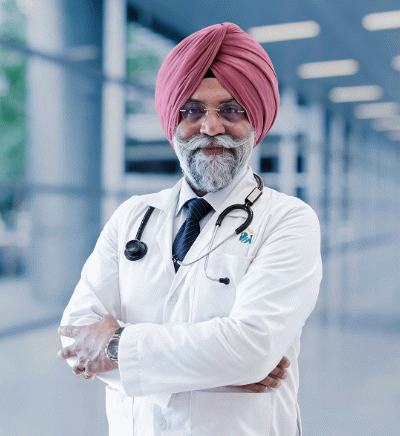
Microneurosurgery Specialists at Apollo Hospitals, Gurugram






Exempció de responsabilitat:
La informació proporcionada en aquesta pàgina només té finalitats informatives i educatives generals. Tot i que fem tots els esforços raonables per garantir que la informació sigui precisa, fiable i es revisi regularment, no s'ha de considerar un substitut del consell, el diagnòstic o el tractament mèdic professional.
La idoneïtat d'un procediment mèdic, juntament amb els seus beneficis, riscos, preparació, recuperació, possibles complicacions i resultats esperats, pot variar de persona a persona. El vostre professional sanitari determinarà si un procediment és apropiat en funció de la vostra condició individual i del vostre historial mèdic.
Si us plau, consulteu un professional sanitari qualificat per obtenir assessorament personalitzat abans de prendre decisions sobre qualsevol procediment mèdic.
Per obtenir més informació sobre com es crea, revisa, actualitza i manté el nostre contingut mèdic, llegiu la nostra [Política editorial].




