



The Department of Orthopedics at Indraprastha Apollo Hospitals diagnoses and treats disorders of the bones, joints, muscles, ligaments, tendons and spine. Serving adults, older people and children, the department manages conditions ranging from sprains and early arthritis to complex fractures, deformities and spinal disorders.
Patients receive consultation, imaging, non-surgical treatment, surgery and rehabilitation within the same hospital. This means most patients can stay with the same team through each stage of care.
Care follows a multidisciplinary model. Orthopedic surgeons work alongside radiologists, anaesthesiologists, physiotherapists and physicians. A patient's journey runs from diagnosis through treatment, rehabilitation and follow-up, with the plan adjusted as recovery progresses.
ศัลยกรรมกระดูกของเรา ศัลยแพทย์
The team brings together orthopedic surgeons, joint replacement specialists, spine surgeons, sports medicine and arthroscopy specialists, trauma surgeons, musculoskeletal radiologists, physiotherapists and rehabilitation specialists. They manage routine as well as complex cases. Treatment decisions for complex cases are discussed across specialities, so surgery, imaging and rehabilitation are planned together. ผู้เชี่ยวชาญของเรา รวมถึง:
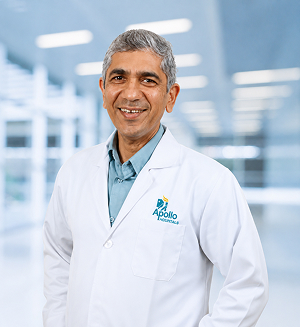



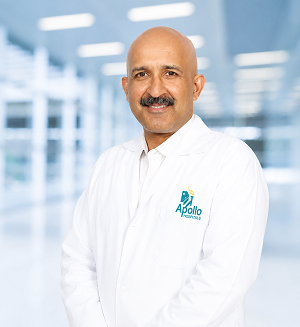
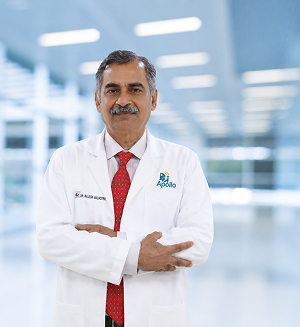

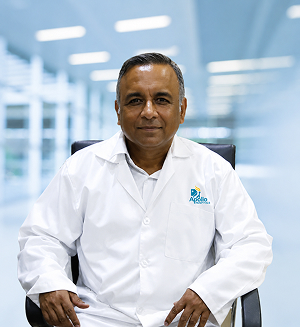
- ภาวะข้อต่อ
- สภาพกระดูกสันหลัง
- การบาดเจ็บที่กีฬา
- กระดูกหักและบาดแผล
- สุขภาพกระดูก
- Pediatric Orthopedic Conditions

- โรคข้อเข่าเสื่อม– Gradual wearing of the cartilage that cushions the ends of bones, most often in the knees, hips and hands. It is more common after middle age and with excess weight or previous joint injury. Typical signs include pain on walking or climbing stairs, stiffness after rest and, over time, reduced movement or a bowed leg.
- Rheumatoid and inflammatory arthritis - Conditions in which the immune system inflames the joint lining, often affecting several joints on both sides of the body. Morning stiffness lasting more than half an hour and swollen finger or wrist joints are common features. Orthopedic surgeons work with rheumatologists when joints become damaged.
- Avascular necrosis of the hip - Loss of blood supply to the head of the thigh bone, causing the bone to weaken and collapse. Long-term steroid use and heavy alcohol intake are among the known risk factors. Early stages may cause groin pain, and timely diagnosis widens treatment options.
- ไหล่แช่แข็ง - Thickening and tightening of the shoulder capsule that steadily restricts movement. It is more common in people with diabetes and usually passes through painful, stiff and recovery phases over many months.
- Slipped (herniated) disc - The soft centre of a spinal disc pushes out and may press on a nerve. In the lower back, this can cause sciatica, a pain that shoots down the leg, sometimes with numbness or tingling. Many cases improve with non-surgical care.
- โรคตีบแคบของกระดูกสันหลัง - Narrowing of the spinal canal, usually from age-related changes, that compresses nerves. It often causes leg pain or heaviness on walking that eases when sitting or bending forward.
- Scoliosis and spinal deformity- A sideways curve of the spine, often first noticed as uneven shoulders or a rib hump. In children, curves are monitored during growth because some progress.
- Anterior cruciate ligament (ACL) tear - A tear of a key stabilising ligament inside the knee, typically from twisting, sudden stopping or landing awkwardly. People often describe a pop, rapid swelling and a feeling of the knee giving way.
- Meniscus tear - Damage to the C-shaped cartilage pads that act as shock absorbers in the knee. It can cause pain, swelling, catching or locking of the knee.
- Rotator cuff injury - Strain or tear of the group of tendons that hold and move the shoulder. It often causes pain when lifting the arm or lying on the affected side, and weakness overhead.
- Fractures and dislocations - Breaks in bones or joints forced out of position after falls, road accidents or sports. Pain, swelling, deformity and inability to bear weight are common signs. Some fractures heal in a cast, while others need surgical fixation.
- Hip fractures in older adults - Breaks near the top of the thigh bone, usually after a fall in someone with weakened bones. They generally need prompt treatment, as prolonged immobility can lead to complications such as chest infections and blood clots.
- โรคกระดูกพรุน - Thinning of bone density that makes bones fragile, especially in older women after menopause. It often causes no symptoms until a fracture occurs, commonly in the wrist, spine or hip.
- Bone infections and tumours - Infections of bone (osteomyelitis) and benign or cancerous growths in bone need specialist assessment. Persistent bone pain, especially at night, should be evaluated.
- Clubfoot - A condition present at birth in which the foot turns inward and downward. It is usually treated early in infancy, often with gentle stretching and serial casting.
- Developmental dysplasia of the hip - An improperly formed hip socket in infants and young children. Early detection through newborn examination and imaging allows simpler treatment, such as a harness.




