


Kubuyekezwe yiThimba Lokuhlela le-Apollo
Impendulo esheshayo
Punch excision is a minor skin operation in which a small circular blade, called a punch, removes a deep scar or a small skin lesion in one piece. The tiny wound is then stitched, or in related techniques the scar base is raised (punch elevation) or replaced with a small skin graft (punch grafting). It is done under a numbing injection and takes a few minutes per scar or lesion. It exchanges a deep pit or a lesion for a fine, flat scar, so some mark always remains.
| Amaqiniso asemqoka | Yekuchumana |
|---|---|
| Yini | Removal of a scar or small lesion with a circular punch blade |
| Amasu ahlobene | Punch elevation and punch grafting |
| Ukusetshenziswa okuyinhloko | Deep ice pick and boxcar acne scars, chickenpox scars, small moles, cysts and other small growths |
| Ubani okwenzayo | Dermatologist or plastic surgeon |
| I-anesthesia | Numbing injection |
| Ukuhlala esibhedlela | None; an outpatient procedure |
| Ukumisa | Usually one or two per site, removed in about a week on the face |
| Result | A small, flat line or dot scar that fades over months |
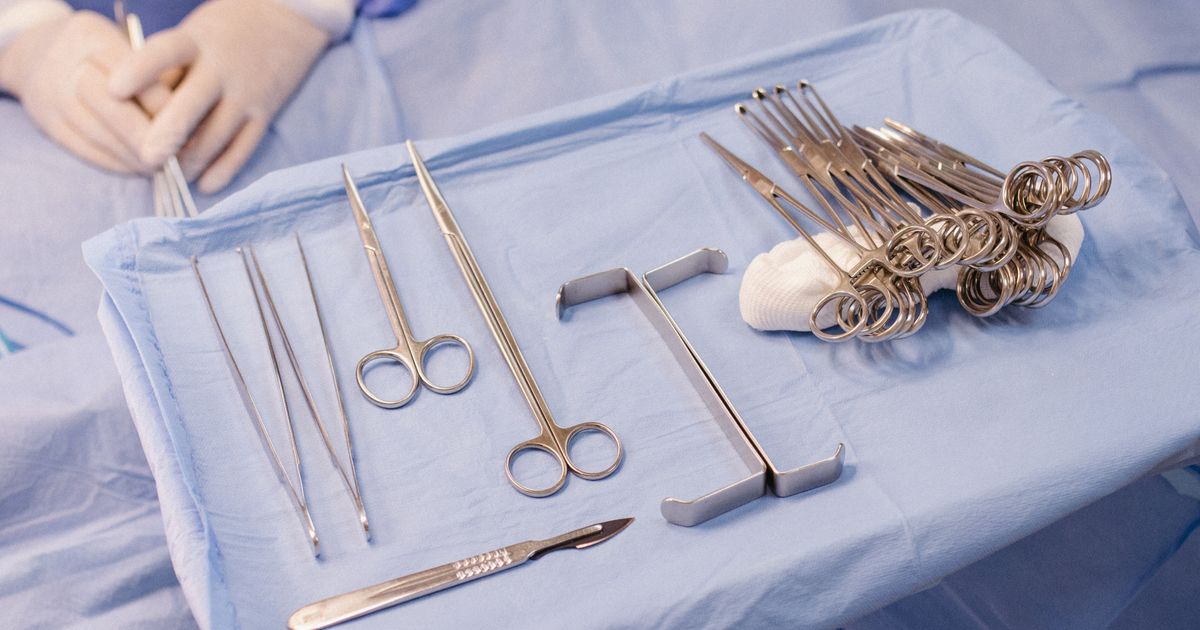
Yini i-punch excision?
A punch is a pen-like instrument with a hollow, circular cutting tip. Punches come in a range of small diameters, measured in millimetres. When the tip is pressed onto the skin and rotated, it cuts a neat cylinder through the full thickness of the skin. Doctors use the same tool to take a i-biopsy yesikhumba.
In punch excision, the punch is chosen to be just wider than the scar or lesion, so that the whole of it is removed along with its walls. The round wound is then closed with a fine stitch into a short line. Some scars are too deep or too sharply edged to respond to resurfacing treatments, and removing them outright can be the most direct answer.
Punch techniques are one part of the wider range of options described on our ukwelashwa kwe-acne scar ikhasi.
Other names for punch excision
- Punch removal
- Punch excision of acne scars
- Punch elevation or punch float technique
- Punch grafting or punch replacement grafting
- Punch excision of a mole or cyst
- Punch techniques for scars
Why is punch excision done?
Punch techniques are used for small, well-defined problems that are narrower than the widest punch.
- Ice pick acne scars: narrow, deep pits that lasers, peels and siphamandla often cannot reach to the base. See induna.
- Izibazi ezijulile zenqola yebhasikithi: round or oval dents with steep, sharp edges.
- Chickenpox and other pitted scars: isolated deep marks left by inqubulunjwana noma ukulimala.
- Small moles: a small, raised or flat mole that is being removed for comfort, appearance or testing. Read about moles and how they are removed.
- Small cysts and benign growths: for example a small epidermoid cyst, where a punch opening allows the contents and the sac to be removed through a small wound.
- Ukuxilongwa: any tissue removed can be sent to the laboratory to confirm what it is.
Punch grafting is also used by some specialists to repigment small patches of stable vitiligo. That use follows different rules and is not covered in detail here.
Types of punch techniques
- Punch excision: the scar or lesion is punched out and the wound is stitched. The stitch line is placed along the natural skin lines so that it is less visible. It suits ice pick scars and narrow boxcar scars.
- Ukuphakama kwe-Punch: used for boxcar scars with sharp walls but a normal-looking base. The punch cuts around the base, which is left attached underneath and lifted until it is level with the surrounding skin. It is held in place with skin tape, tissue glue or a fine stitch while it heals. No skin is discarded, so colour match is good.
- Ukufakelwa ngokucindezela: the scar is punched out and the hole is filled with a slightly larger plug of full-thickness skin, usually taken from behind the ear. It is used for deep ice pick scars, particularly when several lie close together and stitching each would pull on the skin. This is a very small form of full-thickness skin grafting.
| Technique | Kwenziwani | Suits best | Inkinga enkulu |
|---|---|---|---|
| Ukususwa kwesibhakela | Scar or lesion removed, wound stitched | Ice pick scars, narrow boxcar scars, small moles and cysts | Leaves a short line scar |
| Ukuphakama kwe-Punch | Scar base freed and raised to skin level | Boxcar scars with a smooth base | Base may sink back or sit slightly raised |
| Ukuxhunyelelwa ngesibhakela | Scar removed and replaced with a skin plug | Deep ice pick scars close together | Graft may differ in colour or texture, or may not take |
After any of these, a resurfacing treatment is often planned some weeks later to blend the treated spots with the surrounding skin. Options include i-laser resurfacing futhi ikhasi lamakhemikhali. Rolling scars are treated differently, with subcision.
Who is suitable for punch excision?
Ungafaneleka uma:
- You have a limited number of deep, narrow scars that have not improved with other treatment.
- You have a small mole, cyst or growth that your doctor agrees can be removed with a punch.
- Your acne is controlled.
- You accept that a small scar will replace the original scar or lesion.
Obani abangase bangafaneleki
- People who form a isibazi se-keloid or isibazi esingaphezulu kwe-trophic easily, because any cut can trigger one.
- People with active acne or a skin infection at the site.
- Those with very many scars spread over a wide area, where resurfacing is more practical.
- People with rolling scars or shallow scars, which respond better to other methods.
- People with bleeding disorders, on blood thinners, or with poorly controlled diabetes, who need individual assessment.
- Anyone with a mole that looks suspicious. A changing, irregular or dark mole needs proper assessment and may need a wider surgical removal. See melanoma futhi atypical moles.
How to prepare for punch excision
- Ukubonisana: the doctor examines each scar or lesion, decides which technique fits and explains the scar you should expect.
- Ukuhlolwa: usually none. Blood tests may be advised if you have a medical condition that affects bleeding or healing.
- Imithi okufanele ixoxwe ngayo: tell your doctor about blood thinners, pain relievers, steroid medicines, acne tablets and supplements. Do not stop a prescribed medicine without advice.
- Ukungezwani komzimba: mention any reaction to numbing injections, antiseptics, dressings or tape.
- Ngaphambi kosuku: avoid smoking, which slows wound healing and can affect graft survival.
- Ngosuku: eat normally, wash the area and avoid make-up or creams on it.
How is punch excision performed?
- Ukumaka: the scars or lesions to be treated are marked, and the direction of the natural skin lines is noted.
- Ukuhlanza: the skin is cleaned with antiseptic and draped.
- Ukufaka izinombolo: a small numbing injection is given under each site. Read about izinhlobo ze-anesthesia.
- Ukubhoboza: a punch slightly wider than the scar or lesion is pressed on and rotated until it passes through the skin.
- Removal, elevation or grafting: the core is lifted out and snipped free at its base. For elevation, the base is raised and left in place. For grafting, a plug of skin taken with a punch from behind the ear is fitted into the hole.
- Ukuvalwa: the wound is closed with one or two fine stitches, or the elevated base or graft is secured with tape, glue or a stitch. The donor site behind the ear is stitched or left to heal.
- Ukugqoka: ointment and a small dressing are applied.
- Ukuhlolwa kwelebhu: a removed mole, cyst or growth is sent for examination under a microscope. See i-biopsy.
What happens after punch excision?
You go home soon after the procedure. The numbness lasts an hour or two, after which mild soreness is usual. A little oozing on the dressing on the first day is normal. You will be told how long to keep the area dry, how to clean it and when to return. Stitches on the face are generally removed in five to seven days, and later on the body. If tissue was sent for testing, the report is usually discussed at the follow-up visit.
Risks and complications of punch excision
Common
- Mild pain, swelling and bruising
- Redness of the new scar for several weeks or months
- A visible fine line or dot scar
- Temporary darkening of the healed area, more often in darker skin. See hyperpigmentation.
Okungajwayelekile
- Bleeding or a small blood collection under the wound
- Wound infection, such as i-cellulitis
- The wound opening after stitches are removed
- A widened, depressed or raised scar, including keloid
- A graft that does not take, sits raised like a cobblestone, or differs in colour from the skin around it
- An elevated scar base that sinks back
- Regrowth of a mole or cyst if part was left behind
- Allergic reaction to the numbing injection, antiseptic or dressing
Results: how well does punch excision work?
For the right scars, punch techniques are among the more reliable ways of dealing with deep ice pick and sharp boxcar scars, because the scar is physically removed or raised and does not depend on the skin rebuilding collagen. Keep these points in mind:
- The treated spot does not become invisible. A deep pit that catches shadow is replaced by a flat scar that is usually far less noticeable.
- New scars look pink and slightly firm at first and take several months to settle and fade.
- Follow-up resurfacing often improves the blend with surrounding skin.
- Grafts and elevated bases do not always heal perfectly level, and a few may need a touch-up.
- For moles and cysts, removal is usually complete in one sitting, with a small chance of recurrence.
Recovery after punch excision
Most people continue normal daily activities straight away. Keep the dressing dry for the first day or as instructed. After that, gentle cleaning and a thin layer of the advised ointment are usually enough. Avoid stretching the area, heavy exercise and swimming until the stitches are out. Grafts need extra care: the dressing is left undisturbed for several days so that the plug is not dislodged.
Ungalufuna nini usizo lwezokwelapha
- Bleeding that soaks the dressing or does not stop with ten minutes of firm pressure
- Increasing pain, redness, swelling or warmth
- Pus or a bad smell from the wound
- Fever
- The wound edges separating, or a graft that turns dark or comes loose
- A rash, swelling of the face or difficulty breathing
Life after punch excision
- Protect the healing scar from the sun with clothing or sunscreen for several months, as sun can darken a new scar.
- Do not pick at scabs or stitches.
- Ask your doctor whether silicone gel or scar massage is advised once the wound has healed.
- Do not smoke while the wound is healing.
- Keep any planned resurfacing appointment, usually some weeks later.
- Collect and discuss the laboratory report if tissue was sent for testing.
- Check your skin regularly and report any mole that changes in size, shape or colour.
Benefits of punch excision
- Directly removes or raises scars that resurfacing cannot reach
- Quick, with local numbing only
- Small wounds with few stitches
- Tissue can be tested when a lesion is removed
- Can be combined with other scar treatments in a staged plan
What is the cost of punch excision in India?
Izindleko zincike kokuthi:
- The number of scars or lesions treated
- The technique used: excision, elevation or grafting
- Whether laboratory testing of the removed tissue is needed
- Whether later resurfacing sessions are planned
- The city and the hospital or clinic
- Consultation, dressings, medicines and follow-up
Izindleko ziyahlukahluka kumuntu nomuntu. Sicela uhlole esibhedlela ukuthola amanani angempela.
Scar treatment is usually regarded as cosmetic and not covered by insurance, while removal of a lesion for a medical reason may be covered, so confirm with your insurer.
Why choose Apollo Hospitals for punch excision?
- Examination by qualified dermatologists before any lesion is removed
- On-site pathology laboratories to examine removed tissue
- Plastic surgery and skin cancer expertise available if a lesion needs wider treatment
- Sterile procedure rooms and hospital infection control standards
- Ukutholakala kuyahluka phakathi kwezikhungo. Sicela uhlole esibhedlela.
To have a scar or skin lesion assessed, bhukha i-aphoyintimenti nodokotela wesikhumba.
Ukufunda okuhlobene
- Acne scar treatment: all the options
- Ukuzithoba
- Ukubuyekezwa kwesibazi
- Isikhumba biopsy
- Umdlavuza wesikhumba
Questions to ask your doctor about punch excision
- Which of my scars are suitable for a punch technique?
- Will you use excision, elevation or grafting, and why?
- What will the new scar look like, and how long will it take to fade?
- How many scars can be treated in one sitting?
- Will I need resurfacing afterwards?
- Am I at risk of keloid or dark marks?
- Will the removed tissue be tested?
- Ikhishwa nini imithungo?
- What should I do if the wound bleeds or opens?
Imibuzo Evame Ukubuzwa
1. Is punch excision painful?
The numbing injection stings briefly. After that the procedure itself is not painful. Mild soreness for a day or two is usual.
2. Does punch excision leave a scar?
Yes. It replaces a deep pit or a lesion with a small, flat line or dot scar. This is usually much less noticeable, but it is still a scar.
3. Ithatha isikhathi esingakanani inqubo?
A few minutes for each site. A session treating several scars usually takes 20 to 40 minutes.
4. How many scars can be treated at once?
Several, provided they are not too close together. Neighbouring scars may be treated in separate sittings a few weeks apart so that the stitches do not pull on each other.
5. When are the stitches removed?
On the face, usually in five to seven days. On the body, stitches stay a little longer.
6. What is the difference between punch excision, elevation and grafting?
Excision removes the scar and stitches the wound. Elevation frees the scar base and raises it to skin level. Grafting removes the scar and fills the hole with a plug of skin from behind the ear.
7. Which acne scars suit punch techniques?
Deep ice pick scars and sharp-edged boxcar scars. Rolling and shallow scars are better treated with subcision or resurfacing.
8. Will I need other treatment afterwards?
Often, yes. Resurfacing with laser, peel or microneedling some weeks later helps the treated spots blend with the rest of the skin.
9. Can a mole be removed by punch excision?
A small mole can be, if your doctor considers it suitable. The tissue is normally sent for testing. A suspicious mole may need a different, wider removal.
10. Can the scar or lesion come back?
A removed scar does not return, though the new scar can occasionally widen or sink. A mole or cyst can regrow if a part was left behind.
11. Is punch excision safe for darker skin?
Yes, but darker skin is more prone to dark marks and to keloids at some sites. Your doctor will assess your risk and advise sun protection.
12. How long until the final result is seen?
The wound heals in one to two weeks. The scar continues to soften and fade for six months to a year.
13. Can I wash my face after the procedure?
Keep the site dry for the first day or as advised. After that, gentle washing is usually allowed. Avoid make-up on the wound until the stitches are out.
14. Which doctor performs punch excision?
A dermatologist performs most punch procedures. A plastic surgeon may also carry them out, especially as part of wider scar revision.
Isiphetho
Punch excision, elevation and grafting are small, precise procedures for deep scars and small skin lesions that other treatments do not reach. They work by replacing a noticeable defect with a finer scar, and they are often followed by resurfacing for the best blend. A dermatologist can tell you which of your scars or lesions are suitable and what the healed result is likely to look like.
Leli khasi lingelolwazi olujwayelekile futhi alithathi indawo yeseluleko esivela kudokotela wakho. Izinqumo zokwelashwa kufanele zenziwe nochwepheshe oqeqeshiwe owazi umlando wakho wezokwelapha.
Okufakiwe Kamuva


Odokotela besikhumba ezibhedlela zase-Apollo




Disclaimer:
Ulwazi olunikezwe kuleli khasi luhloselwe izinjongo zolwazi olujwayelekile kanye nezemfundo kuphela. Nakuba senza imizamo efanele yokuqinisekisa ukuthi ulwazi lunembile, luthembekile, futhi lubuyekezwa njalo, akufanele lubhekwe njengoluthatha indawo yeseluleko sezokwelapha, ukuxilongwa, noma ukwelashwa kochwepheshe.
Ukufaneleka kwenqubo yezokwelapha, kanye nezinzuzo zayo, izingozi, ukulungiselela, ukululama, izinkinga ezingaba khona, kanye nemiphumela elindelekile, kungahlukahluka kumuntu nomuntu. Uchwepheshe wakho wezempilo uzonquma ukuthi inqubo iyafaneleka yini ngokusekelwe esimweni sakho kanye nomlando wezokwelapha.
Sicela uthintane nochwepheshe wezempilo ofanelekayo ukuze uthole iseluleko esiqondene nawe ngaphambi kokwenza izinqumo mayelana nanoma iyiphi inqubo yezokwelapha.
Ukuze uthole ulwazi olwengeziwe mayelana nendlela okuqukethwe kwethu kwezokwelapha okudalwa ngayo, okubuyekezwa ngayo, okubuyekezwa ngayo, nokugcinwa kwayo, sicela ufunde [Inqubomgomo Yokuhlela] yethu.




