


Kubuyekezwe yiThimba Lokuhlela le-Apollo
Impendulo esheshayo
Chelation therapy is a medical treatment that removes excess metals from the body. A chelating medicine binds to a metal such as iron, lead, mercury, arsenic or copper in the blood and tissues, and the body then passes it out in urine or stool. It is a proven treatment for heavy metal poisoning, for iron overload caused by repeated blood transfusions, and for Wilson's disease. It is not a proven treatment for heart disease or for general "detox".
| Amaqiniso asemqoka | Yekuchumana |
|---|---|
| Lokho ekwelaphayo | Iron overload, lead poisoning, mercury and arsenic poisoning, and copper build-up in Wilson's disease |
| Indlela enikezwa ngayo | Tablets, a drip into a vein, a slow infusion under the skin with a small pump, or injections |
| Setting | Hospital admission for poisoning. Day care or home treatment for long-term iron overload |
| Ubude besikhathi | Days to weeks for metal poisoning. Months to years, often lifelong, for iron overload and Wilson's disease |
| Ukuqapha | Regular blood and urine tests, kidney and liver checks, and hearing and eye tests |
| Okukhethekile | Haematology, paediatrics, hepatology and toxicology |
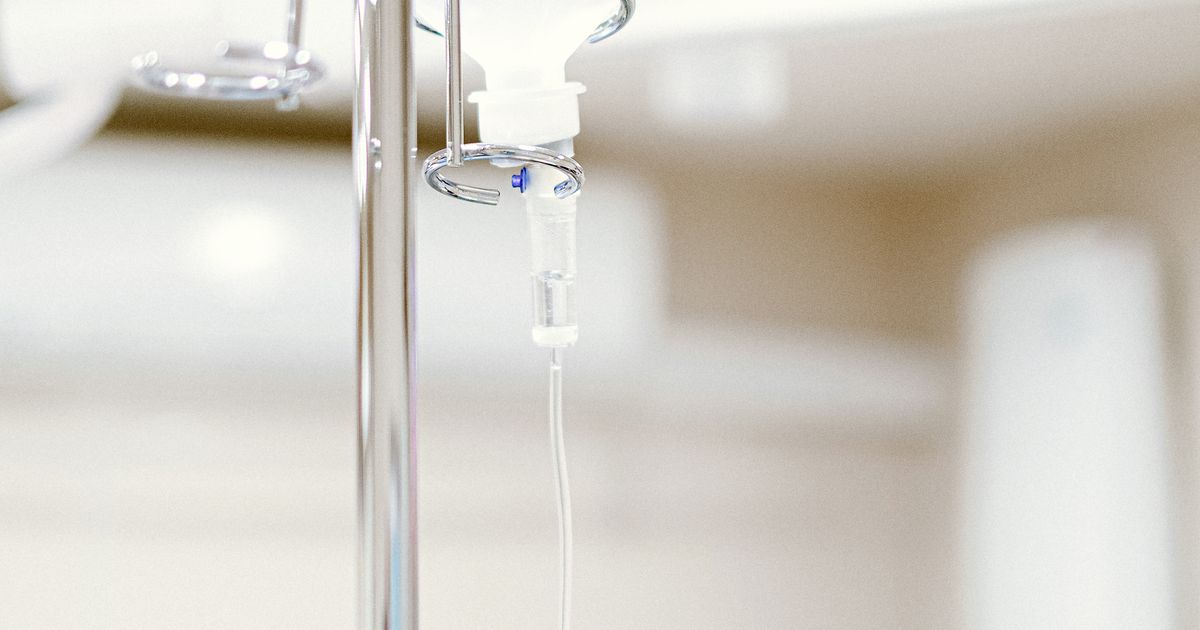
What is chelation therapy?
The word chelation comes from the Greek word for claw. A chelating medicine works like a claw: it grips a metal particle and holds it tightly, forming a compound that dissolves in water. The body cannot easily get rid of metals such as iron or lead by itself, but it can flush out this compound through the kidneys or the gut.
Different chelating medicines are used for different metals. The choice depends on which metal is involved, how much of it is in the body, the person's age and how well the kidneys and liver are working. Chelation therapy is a prescription treatment that needs medical supervision and regular monitoring.
Other names for chelation therapy
- Iron chelation therapy, when it is used for iron overload
- Chelation treatment or chelating therapy
- Heavy metal chelation or metal detoxification therapy
- Copper chelation, in Wilson's disease
- Lead chelation, in lead poisoning
Why is chelation therapy done?
Iron overload from blood transfusions
Every unit of blood carries iron, and the body has no natural way of removing the extra. People who need regular ukumpontshelwa igazi slowly collect iron in the heart, liver and hormone-producing glands. Without treatment this can lead to heart failure, liver scarring, diabetes and delayed growth and puberty in children. Iron chelation is a routine, life-protecting part of care for:
- I-Thalassemia, ikakhulukazi beta thalassaemia Staff
- I-Sickle cell anemia treated with regular transfusions
- Isifo seMyelodysplastic
- I-anemia ye-aplastic and other long-term anaemias that depend on transfusions
Inherited iron overload
In i-haemochromatosis, the body absorbs too much iron from food. The usual treatment is to remove blood at regular intervals. Chelation is used for people who cannot have blood removed, for example because of anaemia or heart problems.
Ubuthi obuholayo
Ubuthi obuholayo can harm the brain, nerves, kidneys and blood, and children are affected the most. Old paint, contaminated water, battery work, some traditional remedies and some imported cosmetics are known sources. Chelation is given when the lead level in the blood is high or when there are symptoms.
Mercury, arsenic and other metal poisoning
Chelation is also used for ubuthi be-mercury futhi ubuthi be-arsenic, and occasionally for other metals, after exposure at work, through contaminated food or water, or by accident.
Isifo sikaWilson
Isifo sikaWilson is an inherited condition in which copper builds up in the liver, brain and eyes. Copper chelation removes the excess and is continued for life to stop it collecting again.
Is chelation therapy useful for heart disease?
Chelation has been promoted as a way of clearing blocked arteries, on the theory that it removes calcium from the deposits in the artery wall. The evidence does not support this. Large clinical trials have given mixed results, and the most recent major trial found no reduction in heart attacks, strokes or deaths. Cardiology guidelines do not recommend chelation for isifo se-artery coronary.
There is also no reliable evidence that chelation helps in autism, Alzheimer's disease, diabetes or as a general cleansing treatment. Using it without a proven need exposes a person to side effects, some of them serious, for no benefit. If you have heart disease, speak to a cardiologist about treatments that are known to work.
Who needs chelation therapy?
Your doctor will advise chelation only after tests confirm that a metal is present at a harmful level.
- Iron overload. Treatment usually starts after about 10 to 20 transfusions, or when the blood ferritin level stays above 1,000 nanograms per millilitre on repeated tests. An MRI scan may be used to measure iron in the liver and heart
- Lead and other metals. The decision depends on the level of the metal in blood or urine, the symptoms and the person's age
- Wilson's disease. Treatment begins as soon as the diagnosis is made
Obani abangase bangafaneleki?
- People with severe kidney disease, since many chelating medicines are cleared by the kidneys. The dose or the medicine may need to be changed
- Women who are pregnant or planning a pregnancy. Some chelating medicines are not safe for the baby, so the plan is reviewed by a specialist
- People who have had a serious allergic reaction to a chelating medicine
- People with very low blood counts, for certain medicines
- Anyone without a confirmed metal overload
How is chelation therapy given?
| Indlela | Ukuthi isebenza kanjani | kuphi | Ijwayele ukusetshenziselwa i- |
|---|---|---|---|
| Tablets | Taken once or several times a day | Ekhaya | Long-term iron overload, Wilson's disease, milder lead poisoning |
| Infusion under the skin | A small battery-operated pump delivers the medicine through a fine needle over 8 to 12 hours, usually overnight, on most nights of the week | At home, after training | Long-term iron overload |
| Drip into a vein | The medicine runs in slowly over several hours | Hospital or day-care unit | Severe iron overload affecting the heart, severe metal poisoning |
| Injection into a muscle | Given at set intervals over a few days | Isibhedlela | Some types of metal poisoning |
Sometimes two chelating medicines are combined when one alone is not bringing the metal level down quickly enough.
How to prepare for chelation therapy
Tests before starting
- Blood tests for the metal concerned, such as a ferritin test for iron or a blood lead level
- Gcwalisa inani legazi
- Ukuhlolwa kokusebenza kwezinso futhi ukuhlolwa kwesibindi
- Ukuhlolwa komchamo
- Isisekelo ukuhlolwa kokuzwa and eye examination before long-term treatment
- MRI of the heart and liver to measure iron, where needed
- Height and weight in children, to follow growth
Ngaphambi kokwelashwa
- Give your doctor a full list of your medicines, vitamins and supplements
- Tell the team if you are pregnant, planning a pregnancy or breastfeeding
- In metal poisoning, the source of exposure must be found and removed. Treatment will not hold if the exposure continues
- If you will be using a pump at home, a nurse will teach you or a family member how to set it up, where to place the needle and how to keep the skin healthy
Kwenzekani ngesikhathi sokwelashwa?
For metal poisoning
You are usually admitted to hospital. The chelating medicine is given as a drip, injections or tablets in a course lasting several days. Blood and urine tests are repeated to see how much metal is being removed. After a break, the level is checked again, because metal stored in the bones and tissues can move back into the blood. A second or third course may be needed.
For iron overload
Treatment is long-term. Most people take tablets every day or use a pump at home on most nights. You will visit the clinic regularly so that the dose can be adjusted to your iron levels, weight and test results. People with very high iron levels in the heart may be admitted for a continuous drip.
For Wilson's disease
Chelation tablets are started at a low dose and increased slowly. Once copper levels are under control, a lower maintenance dose is continued for life.
Side effects and risks of chelation therapy
Chelating medicines are strong. Most side effects are mild and manageable, but monitoring matters because a few can be serious.
Okuvamile
- Nausea, vomiting, stomach pain or loose stools
- Ukukhwabanisa isikhumba
- Redness, swelling or soreness where the needle is placed
- Headache or tiredness
- A change in the colour of urine
- Ubuhlungu obuhlangene
Less common but important
- Izinguquko ekusebenzeni kwezinso
- A rise in liver enzymes
- A fall in white blood cells, which raises the risk of infection. A fever or sore throat during treatment needs urgent attention
- Ukulahlekelwa ukuzwa noma ukukhala ezindlebeni
- Blurred vision or changes in colour vision
- Loss of useful minerals such as zinc and calcium. A sudden drop in calcium can be dangerous, which is one reason chelation must never be taken without supervision
- Ukuphendula kwe-allergen
- Slower growth in children if the dose is too high for the amount of iron present
Monitoring during chelation therapy
- Ferritin or metal levels every 1 to 3 months
- Blood counts, kidney tests and liver tests at regular intervals, more often with some medicines
- Ukuhlolwa komchamo
- Hearing and eye tests once a year
- MRI of the heart and liver every 1 to 2 years in iron overload
- Growth and puberty checks in children and teenagers
These results tell your doctor whether to raise, lower or pause the dose. Taking too little allows the metal to keep building up. Taking too much when levels are already low increases side effects.
How well does chelation therapy work?
- Iron overload. Regular chelation has changed the outlook for people with thalassaemia. Those who take their treatment consistently have far fewer heart and liver complications and can expect a much longer life
- Lead and other metal poisoning. Chelation lowers the level of metal in the blood and relieves many symptoms. Damage that has already happened to the brain or nerves may not fully reverse, which is why early treatment and prevention matter
- Wilson's disease. Liver function often improves over months. Nerve-related symptoms improve more slowly and sometimes only partly
The single biggest factor in success with long-term chelation is taking it regularly, exactly as prescribed.
Living with long-term chelation therapy
- Make it part of the routine. Link tablets to a fixed time of day. If you use a pump, set it up at the same time each evening
- Rotate needle sites to avoid sore or hard patches of skin
- Drink enough fluids, unless your doctor has asked you to limit them
- Check before taking supplements. People with iron overload should not take iron tablets or high-dose vitamin C unless advised
- Follow dietary advice. People with Wilson's disease are usually asked to limit foods that are very high in copper, such as liver, shellfish, nuts and chocolate
- Report fever, a change in hearing or vision, or reduced urine ngaphandle kokulibala
- Plan pregnancy with your doctor, since treatment may need to change
- Keep every monitoring appointment, even when you feel well
- Ask for support. Daily treatment can be tiring, especially for children and teenagers. Counselling and patient groups can help
Benefits of chelation therapy
- Removes metals that the body cannot clear by itself
- Protects the heart, liver and glands from iron damage
- Allows people who depend on transfusions to live longer and healthier lives
- Can be life-saving in severe metal poisoning
- Stops copper from building up in Wilson's disease
- Tablet options make long-term treatment easier
What is the cost of chelation therapy in India?
The cost of chelation therapy in India depends on:
- The condition being treated and the medicine chosen
- How it is given: tablets, pump, drip or injections
- The dose, which is based on body weight and metal levels
- Isikhathi esingakanani ukwelashwa kuqhubeka
- Ukuhlolwa nokuskena okudingekayo ukuze kuqashwe
- Hospital admission, if required
- Idolobha kanye nesibhedlela
Izindleko ziyahlukahluka kumuntu nomuntu. Sicela uhlole esibhedlela ukuthola amanani angempela.
Many health insurance policies and government schemes for thalassaemia and other blood disorders cover part of the cost. The billing or insurance desk at the Apollo hospital nearest to you can guide you.
Why choose Apollo Hospitals for chelation therapy?
- Haematologists and paediatric haematologists who look after people with thalassaemia and other transfusion-dependent conditions
- Day-care units for transfusion and infusion
- MRI-based measurement of iron in the heart and liver
- Liver and nerve specialists for Wilson's disease
- Emergency and intensive care for poisoning
- Ukufakelwa kwamathambo programmes for people who may be cured of the underlying blood disorder
Book an appointment with a haematologist at Apollo Hospitals to discuss whether you or your child needs chelation therapy.
Ukufunda okuhlobene
- Ukumpontshelwa igazi
- Ukufakelwa kwe-stem cell
- Wilson's disease: diagnosis and long-term management
- Ferritin test
Questions to ask your doctor about chelation therapy
- Which metal is high in my body, and how high is it?
- Why do I need chelation, and what happens if I do not have it?
- Which form of treatment do you recommend for me: tablets, a pump or a drip?
- Ngizodinga ukwelashwa isikhathi esingakanani?
- What side effects should I watch for, and when should I call you?
- Which tests will I need, and how often?
- Are there foods, medicines or supplements I should avoid?
- Yini okufanele ngiyenze uma ngiphuthelwa umthamo?
- Is the treatment safe if I want to have a baby?
Imibuzo Evame Ukubuzwa
1. What is chelation therapy used for?
It is used to remove excess iron in people who need regular blood transfusions, to treat poisoning with lead, mercury or arsenic, and to remove copper in Wilson's disease.
2. Is chelation therapy safe?
Yes, when it is prescribed for a proven need and monitored with regular tests. It is not safe to take chelating medicines without medical supervision.
3. Does chelation therapy clear blocked arteries?
There is no reliable proof that it does. Major studies have not shown a clear benefit, and it is not recommended as a treatment for heart disease.
4. How long does chelation therapy take?
For metal poisoning, a course lasts days to weeks and may be repeated. For iron overload and Wilson's disease, treatment continues for years and is often lifelong.
5. What are the side effects of chelation therapy?
Common ones are nausea, stomach upset, rash and soreness at the needle site. Less common effects involve the kidneys, liver, blood counts, hearing and vision, which is why regular tests are needed.
6. Is chelation therapy painful?
Tablets are painless. With a pump, you may feel a small prick when the needle goes in and some soreness at the site. A drip involves a needle in a vein.
7. Can children have chelation therapy?
Yes. Children with thalassaemia usually start iron chelation after the first one to two years of regular transfusions, and children with lead poisoning are treated when levels are high.
8. When should iron chelation be started in thalassaemia?
Usually after about 10 to 20 transfusions or when ferritin stays above 1,000 nanograms per millilitre. Your haematologist will decide based on test results.
9. Can I stop chelation when my iron level comes down?
Do not stop on your own. If you are still having transfusions, iron will build up again. Your doctor may lower the dose or pause treatment when levels are low.
10. What foods should be avoided during iron chelation?
Avoid iron supplements and high-dose vitamin C unless prescribed. Your doctor or dietitian may give more specific advice based on your condition.
11. Can chelation therapy be taken during pregnancy?
Some chelating medicines are not safe in pregnancy. If you are pregnant or planning to be, your specialist will review and adjust the treatment.
12. Is chelation therapy a detox treatment?
No. It is a prescription treatment for confirmed metal overload. Using it for general cleansing has no proven benefit and can cause harm.
13. What happens if iron overload is not treated?
Iron collects in the heart, liver and glands. Over time this can cause heart failure, abnormal heart rhythms, liver scarring, diabetes, thyroid problems and delayed puberty.
14. Which doctor gives chelation therapy?
A haematologist or paediatric haematologist manages iron chelation. Metal poisoning is treated by physicians and emergency or critical care teams, and Wilson's disease by liver and nerve specialists.
Isiphetho
Chelation therapy is a reliable way of removing harmful metals from the body when there is a clear medical reason to do so. For people with thalassaemia and other transfusion-dependent conditions, it protects vital organs and adds years of healthy life. For metal poisoning and Wilson's disease, it is an essential part of treatment. It works best when taken regularly and monitored closely, and it should never be used without a confirmed diagnosis.
Leli khasi lingelolwazi olujwayelekile futhi alithathi indawo yeseluleko esivela kudokotela wakho. Izinqumo zokwelashwa kufanele zenziwe nochwepheshe oqeqeshiwe owazi umlando wakho wezokwelapha.
Okufakiwe Kamuva


Haematologists at Apollo Hospitals





 Kutholakala ngeSonto




Disclaimer:
Ulwazi olunikezwe kuleli khasi luhloselwe izinjongo zolwazi olujwayelekile kanye nezemfundo kuphela. Nakuba senza imizamo efanele yokuqinisekisa ukuthi ulwazi lunembile, luthembekile, futhi lubuyekezwa njalo, akufanele lubhekwe njengoluthatha indawo yeseluleko sezokwelapha, ukuxilongwa, noma ukwelashwa kochwepheshe.
Ukufaneleka kwenqubo yezokwelapha, kanye nezinzuzo zayo, izingozi, ukulungiselela, ukululama, izinkinga ezingaba khona, kanye nemiphumela elindelekile, kungahlukahluka kumuntu nomuntu. Uchwepheshe wakho wezempilo uzonquma ukuthi inqubo iyafaneleka yini ngokusekelwe esimweni sakho kanye nomlando wezokwelapha.
Sicela uthintane nochwepheshe wezempilo ofanelekayo ukuze uthole iseluleko esiqondene nawe ngaphambi kokwenza izinqumo mayelana nanoma iyiphi inqubo yezokwelapha.
Ukuze uthole ulwazi olwengeziwe mayelana nendlela okuqukethwe kwethu kwezokwelapha okudalwa ngayo, okubuyekezwa ngayo, okubuyekezwa ngayo, nokugcinwa kwayo, sicela ufunde [Inqubomgomo Yokuhlela] yethu.




