



Respuesta directa
A chikungunya test is a blood test that looks for either chikungunya virus RNA (RT-PCR) or antibodies against the virus (IgM and IgG). RT-PCR works best in the first few days of fever. IgM antibodies become detectable a little later. Test choice depends mainly on how many days symptoms have been present.
Puntos clave
- Timing decides the test: RT-PCR early in illness, IgM antibody testing from roughly the end of the first week onward.
- A negative test does not exclude chikungunya: samples taken too early or too late can miss infection.
- Chikungunya and dengue look alike: in India both circulate together, so dengue testing is usually done alongside, since dengue carries a different risk profile.
- Testing does not change core treatment: care is supportive, but a confirmed diagnosis helps explain prolonged joint pain and guides safe pain relief.
- Results need clinical interpretation by the doctor who ordered the test, alongside symptoms, day of illness and travel or outbreak history.
De un vistazo
| Parámetro | Detail |
|---|---|
| Muestra | Venous blood, usually a single draw; rapid kits may use fingerstick blood |
| Métodos principales | RT-PCR (viral RNA), IgM ELISA, IgG ELISA, rapid antibody cards |
| Best window for RT-PCR | Early febrile phase, generally the first several days of symptoms |
| Best window for IgM | Typically from around day 5-7 of illness onward |
| Semi-Ayuno | Not required for chikungunya testing |
| hora de extracción de sangre | Unos minutos |
| Suele ir acompañado de | Dengue NS1/IgM, complete blood count, platelet count, malaria testing |
| Lo que no puede hacer | Cannot predict how long joint pain will last; cannot grade severity |
También conocido como
- Chikungunya IgM ELISA; chikungunya antibody test
- CHIKV RT-PCR; chikungunya PCR test
- Chikungunya rapid card test
- Commonly asked for as "chikungunya blood test", "chikungunya fever test", or simply "chikungunya check"
What the chikungunya test is
Chikungunya is caused by chikungunya virus (CHIKV), spread by Aedes aegypti y Aedes albopictus mosquitoes, which bite mostly in daylight hours. The illness typically begins with abrupt fever and marked joint pain, often symmetrical, affecting hands, wrists, ankles and knees. Rash and headache are common.
The chikungunya test is not one single test. It is a group of laboratory methods:
- RT-PCR: detects viral genetic material while the virus is still circulating in blood. This confirms active infection.
- IgM antibody testing (ELISA): detects the early antibody response. Suggests recent infection.
- IgG antibody testing (ELISA): detects the later, longer-lasting antibody. Usually reflects past exposure.
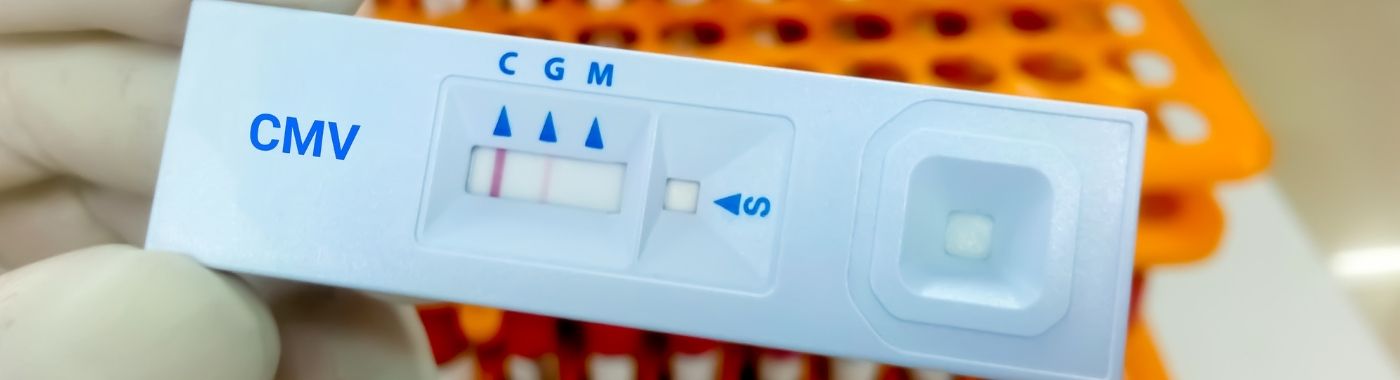
- Rapid antibody cards: quick point-of-care kits. Useful for triage, but performance varies considerably between kits and they are generally treated as presumptive rather than confirmatory.
Why the chikungunya test is done
- To confirm the cause of an acute febrile illness with joint pain during or after the monsoon, or after travel to an area with transmission.
- To separate chikungunya from dengue, which can share fever, rash and body ache but can progress to plasma leak, bleeding and shock.
- To explain persistent joint pain weeks or months after a fever, where past chikungunya is suspected.
- To support public health surveillance during outbreaks.
¿Quién debería hacerse esta prueba?
- People with sudden fever plus significant joint pain or joint swelling, especially where chikungunya is being reported locally.
- People with fever and rash returning from an area with known transmission.
- People with unexplained ongoing symmetrical joint pain following a febrile illness in the past few months.
- Newborns of mothers who had fever around the time of delivery, where the treating paediatrician suspects perinatal transmission.
- Older adults and people with diabetes, heart, kidney or liver disease who develop a dengue-like illness, since these groups need closer monitoring regardless of which virus is responsible.
Testing is not usually needed for every mild short fever without joint symptoms. The treating doctor decides based on the clinical picture and local outbreak activity.
What the chikungunya test cannot detect or exclude
- A negative RT-PCR does not exclude chikungunya. Viral levels in blood fall quickly, often within the first week. Sampled later, RNA may simply no longer be present.
- A negative IgM does not exclude chikungunya if the sample was taken very early, before antibodies developed. Repeat testing later may be advised.
- A negative chikungunya result does not exclude dengue, malaria, scrub typhus, leptospirosis, enteric fever, hepatitis E, COVID-19 or other causes of acute fever. These need their own tests.
- The test cannot measure severity or predict whether joint pain will resolve in weeks or persist for months.
- IgG positivity alone cannot date an infection. It does not tell you whether the exposure was last month or years ago, and it is not a reliable way to attribute current symptoms to chikungunya.
- The test does not assess joint damage. Persistent arthritis after chikungunya is diagnosed clinically, sometimes with imaging and rheumatology review, not by repeating serology.
Findings describe what was detected in that sample at that moment. If symptoms continue or worsen despite a normal or negative result, go back to your doctor rather than assuming the illness has been ruled out.
Exámenes relacionados pero diferentes
| Prueba | Pregunta que responde | Diferencia clave |
|---|---|---|
| Chikungunya RT-PCR | Is chikungunya virus circulating in blood right now? | Confirms active infection; useful only in the early window |
| Chikungunya IgM ELISA | Has there been a recent immune response to CHIKV? | Becomes useful once RT-PCR window has closed; may be negative very early |
| Chikungunya IgG ELISA | Has this person been exposed at some point? | Cannot date the infection; mainly of epidemiological or supportive value |
| Antígeno NS1 del dengue | Is this dengue, in the first few days of fever? | Different virus, different complications; often ordered together with chikungunya tests |
| IgM del dengue | Is this dengue, later in the illness? | Cross-reactivity issues differ from chikungunya serology |
| Complete blood count with platelets | Is there low platelet count, leucopenia or haemoconcentration? | Monitors risk, does not identify the virus |
| Malaria smear / rapid antigen test | Is this malaria? | Essential parallel consideration in fever in India |
| Rheumatoid factor / anti-CCP | Is persistent joint pain due to rheumatoid arthritis? | Used when joint pain persists long after fever; not a chikungunya test |
Which comes first depends on the presentation, not on any ranking of tests. Fever of two days with body ache is a different starting point from joint pain three months after a fever, and the sensible first test differs accordingly.
Cómo preparar
- No es necesario ayunar for chikungunya RT-PCR or antibody testing. If other tests are bundled on the same draw, the fasting requirement of those tests applies.
- Note the date your symptoms started. This is the single most useful piece of information for choosing and interpreting the test. Tell the collection staff.
- Mention travel history over the past few weeks, and whether others at home or at work have had similar fever.
- List all medicines, including painkillers, blood thinners, steroids and any AYUSH or over-the-counter preparations.
- Drink water normally unless your doctor has restricted your fluid intake. Dehydration does not falsify chikungunya serology, but it can make the blood draw harder.
Collection timings, sample handling and whether RT-PCR is offered in-house or referred out vary between laboratories. Your laboratory's own instructions take precedence over general advice.
Sí estas embarazada
Blood sampling is safe in pregnancy. Chikungunya in pregnancy needs obstetric input, particularly if fever occurs close to delivery, because of the risk of transmission to the newborn around the time of birth. Report fever in pregnancy promptly rather than waiting for test results.
If you are on fluid restriction, have heart failure or advanced CKD
Do not increase fluid intake before the test on general advice. Follow the limits set by your treating doctor. Pain relief also needs care in these groups, as some commonly used painkillers affect kidney function and fluid balance, ask your prescriber which analgesic is suitable for you.
Si usted tiene diabetes y está en tratamiento para reducir la glucosa
No fasting is required for chikungunya testing, so continue eating and taking medicines as usual unless your prescriber has told you otherwise. If another fasting test is being done at the same time, ask the prescriber how to time your medicines.
Niños
Paediatric sampling uses smaller volumes. A parent may usually stay with the child. Fever with reduced feeding, lethargy or poor urine output in a child needs medical review the same day, before results are back.
Personas que toman anticoagulantes
Tell the phlebotomist. Do not stop anticoagulants for a blood test. Firmer, longer pressure over the puncture site is usually enough.
¿Qué sucede durante la prueba?
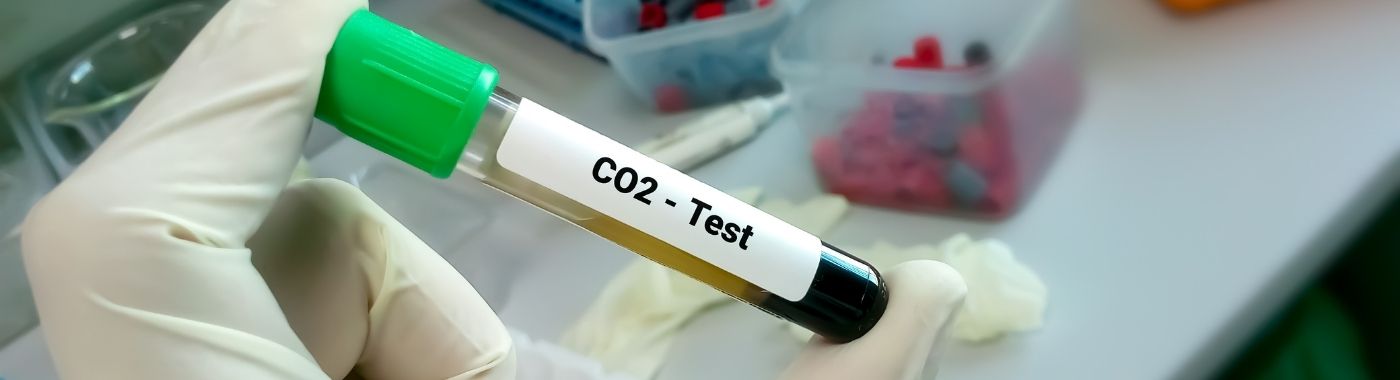
A phlebotomist cleans the skin, applies a tourniquet and draws blood from an arm vein into one or more tubes. Rapid card tests may instead use a fingerstick drop. You may feel a brief sting and, occasionally, mild bruising afterwards.
¿Cuánto tiempo tarda el proceso?
- Recolección de sangre: usually two to five minutes.
- Rapid antibody card: a result is typically read within about 15-30 minutes, as per the kit instructions.
- IgM/IgG ELISA: the assay itself takes a few hours, but laboratories usually run ELISA plates in batches, so reporting depends on batch scheduling.
- RT-PCR: the amplification run takes a few hours; total time depends on whether the sample is processed in-house or referred to a reference laboratory.
Actual reporting times differ between laboratories. Ask your collection centre for their current schedule.
Understanding your chikungunya report
Chikungunya results are usually reported as "detected / not detected" for RT-PCR and "reactive / non-reactive" or "positive / negative" for antibodies. Some laboratories also report an index or optical density ratio; the interpretive cut-off is defined by the kit used and is printed on that laboratory's report.
RT-PCR detected
Chikungunya virus RNA was present. This supports active, current infection.
RT-PCR not detected
No viral RNA was found in that sample. This does not exclude chikungunya, particularly beyond the first week of illness. Your doctor may add or repeat antibody testing.
IgM reactive
Suggests recent infection. IgM can remain detectable for weeks to months in some people, so an IgM-reactive result in someone with long-standing joint pain does not always mean the infection is new.
IgG reactive, IgM non-reactive
Usually indicates past exposure. It does not confirm that the current illness is chikungunya, and it is not proof of lifelong protection.
Both IgM and IgG reactive
Often seen in the recovering phase of a recent infection, or in a recent infection in someone previously exposed. Interpretation depends on day of illness.
Todo negativo
Either chikungunya is not the cause, or the sample was taken before antibodies developed. If fever and joint pain continue, other causes must be actively pursued.
No result should be read in isolation. The doctor who requested the test interprets it against your symptoms, day of illness, examination findings and other blood results.
When chikungunya results can be misleading
Falsely negative (infection present, test says no)
- RT-PCR sampled too late: viraemia is short-lived, so RNA may have cleared.
- IgM sampled too early: antibodies may not yet be measurable in the first few days.
- Inmunosupresión: people on immunosuppressive treatment or with significant immune compromise may mount a weaker or delayed antibody response.
- Rapid card limitations: point-of-care kits are generally less sensitive than laboratory ELISA, particularly early in illness.
- Manejo de muestras: delayed transport or improper storage can degrade RNA.
Falsely positive or over-interpreted (test suggests more than is true)
- Cross-reactivity with other alphaviruses and, with some assays, other flavivirus exposures or recent vaccination can complicate serology.
- Persisting IgM from an older infection may be misread as a new infection during a fresh febrile illness.
- Rheumatoid factor and some autoantibodies can interfere with certain IgM assays.
- IgG read as "immunity": a reactive IgG is not a certificate of protection and should not change mosquito-avoidance behaviour.
Results vary depending on individual clinical circumstances, the assay used and the day of illness on which the sample was taken.
Riesgos y seguridad
Extracción de sangre venosa
Generally low risk. Possible effects include brief pain, bruising, light-headedness and, uncommonly, a small haematoma. Infection at the puncture site is rare. People on anticoagulants bruise more readily.
Fingerstick rapid test
Minimal risk beyond transient pain at the fingertip and a small bruise.
Risk of the result itself
The main hazard is misplaced reassurance. A negative chikungunya test in someone who actually has dengue can delay recognition of warning signs. This is why parallel dengue assessment and platelet monitoring matter during the monsoon and post-monsoon months in India.
Red flags: when to seek help rather than wait for a result
Emergencia ahora
- Bleeding from gums or nose, blood in vomit, black stools, or bleeding under the skin
- Severe, persistent abdominal pain or repeated vomiting
- Cold, clammy skin, fainting, very low urine output, or confusion
- Dificultad para respirar o dolor en el pecho
- Seizure, or a child who is unusually drowsy or difficult to wake
- New weakness, numbness or difficulty speaking
Tratamiento
- Fever that is not settling after several days, or fever returning after a gap
- Inability to keep fluids down, or markedly reduced urine
- Rapidly increasing joint swelling with redness and inability to bear weight
- Fever in pregnancy, in an infant, in an older adult, or in anyone on immunosuppressive treatment
- Coloración amarillenta de los ojos o la piel.
Cita de rutina
- Joint pain or stiffness continuing for weeks after the fever has settled
- Persistent fatigue or low mood after recovery
- Uncertainty about a borderline or unexpected serology result
Situaciones especiales
Embarazo
Chikungunya during pregnancy is usually managed supportively, but fever near the time of delivery raises concern about transmission to the newborn. Obstetric and neonatal teams should be informed. Choice of painkiller in pregnancy must be discussed with the treating doctor.
Recién nacidos y niños
Neonatal chikungunya can present atypically, with poor feeding, irritability, rash or reduced activity rather than reported joint pain. Testing and interpretation in neonates is specialist territory. In children generally, dehydration develops faster than in adults.
Adultos mayores
Older adults are more likely to have prolonged joint symptoms and are more vulnerable to complications, dehydration and decompensation of existing heart, kidney or lung disease during any febrile illness.
People with diabetes, CKD or heart failure
Fever, poor intake and altered kidney perfusion can destabilise long-term conditions. Some analgesics commonly used for chikungunya joint pain are unsuitable in kidney disease or heart failure. Ask your prescriber which pain relief is appropriate for you rather than self-medicating.
People with existing arthritis
Chikungunya can flare or mimic inflammatory arthritis, and serology can be harder to interpret when rheumatoid factor is present. Rheumatology review is often helpful when joint symptoms persist.
Chikungunya testing in the Indian context
- Co-circulation is the rule, not the exception. In many Indian cities, dengue and chikungunya transmission peak together after the monsoon, and co-infection occurs. Testing for chikungunya alone can give an incomplete picture.
- Vector behaviour: Aedes mosquitoes breed in clean stored water, overhead tanks, coolers, flowerpot trays, discarded tyres and construction sites, and bite mainly during the day. Reducing household breeding sites is the practical control measure.
- Vigilancia: the National Center for Vector Borne Diseases Control (NCVBDC) under the Ministry of Health and Family Welfare compiles state-wise chikungunya data in India; current year figures are published on the NCVBDC website.
- Self-medication risk: painkillers bought over the counter, and some herbal or gym supplements taken during recovery, can cause liver or kidney injury. Combined with a viral illness, this can complicate matters. Tell your doctor everything you are taking.
- Test availability: IgM ELISA is widely available in India, including at designated sentinel surveillance laboratories; RT-PCR is offered mainly by larger or reference laboratories and may be sent out.
Costo y seguro en India
Chikungunya testing is generally an outpatient investigation. Costs differ substantially across the country, and antibody testing is usually far less expensive than RT-PCR.
Factores que influyen en el precio:
- Method used, rapid card versus ELISA versus RT-PCR
- Whether the sample is processed in-house or referred to a reference laboratory
- Whether tests are ordered singly or as a fever panel with dengue, malaria and a blood count
- City, type of facility (government, trust, corporate chain, standalone lab) and urgency or after-hours processing
- Home collection charges, if applicable
Seguro: outpatient diagnostic tests are frequently not reimbursed unless the policy includes OPD benefits. If admitted, investigations during the admission are usually considered as part of the hospitalisation claim, subject to the policy terms. Government facilities often provide chikungunya testing free or at nominal cost during outbreaks. Confirm charges with the laboratory and coverage with your insurer before testing.
Mitos y realidades
| Myth | Hecho |
|---|---|
| A negative chikungunya test means you do not have chikungunya | Timing determines the result. Both RT-PCR and IgM have windows in which infection can be missed. |
| Chikungunya and dengue are the same illness | They are different viruses spread by the same mosquitoes. Dengue can cause plasma leak and shock; chikungunya more often causes prolonged joint pain. |
| Chikungunya is fatal in most cases | Most people recover from the acute illness. Severe outcomes are uncommon and occur mainly in newborns, older adults and people with significant existing illness. |
| Once IgG is positive you cannot get chikungunya again | Reinfection is considered uncommon, but a positive IgG is not a guarantee of protection and should not change mosquito precautions. |
| Papaya leaf extract treats chikungunya | There is no reliable evidence that it treats chikungunya. Promoting it as a cure is also problematic under the Drugs and Magic Remedies (Objectionable Advertisements) Act, 1954. |
| Repeating the antibody test shows if you are cured | Serology does not track recovery. Antibodies persist after the illness resolves. Recovery is judged clinically. |
| Joint pain lasting months means the infection is still active | Post-chikungunya joint pain is usually an inflammatory and immune-mediated aftermath, not ongoing viral replication. |
Preguntas frecuentes
On which day of fever should a chikungunya test be done?
It depends on the method. RT-PCR is most informative in the first few days of symptoms, while the virus is still in the bloodstream. IgM antibody testing generally becomes useful from around day five to seven onward. Tell the laboratory your symptom start date so the right test is chosen.
Can chikungunya and dengue be tested from the same blood sample?
Yes. Laboratories commonly run dengue NS1 or IgM, chikungunya IgM, a complete blood count and malaria testing from one venous draw. This is often preferred in India, because the illnesses overlap clinically and co-infection occurs during shared transmission seasons.
Is the rapid chikungunya card test reliable?
Rapid cards give a fast answer and are useful for initial triage, but sensitivity varies between kits and they can miss early infection. A negative card in someone with a convincing clinical picture usually warrants laboratory ELISA or RT-PCR. Confirmatory testing is decided by the treating doctor.
Do I need to fast before a chikungunya test?
No. Chikungunya RT-PCR and antibody testing do not require fasting. If other investigations such as a lipid profile or fasting glucose are ordered together, follow the fasting instruction for those tests, and ask your prescriber about timing your diabetes medicines.
My joint pain has lasted months: will a test confirm chikungunya caused it?
Not definitively. A positive IgG or persisting IgM shows exposure but cannot prove that chikungunya is causing today's symptoms. Prolonged joint pain is assessed clinically, sometimes with rheumatology review and tests for other forms of arthritis, rather than by repeating chikungunya serology.
Should I get tested if I have no symptoms but someone at home has chikungunya?
Testing an asymptomatic contact is not usually helpful, as it will not change management and chikungunya does not spread directly person to person. Focus instead on removing mosquito breeding sites at home and using repellents, and get tested if fever or joint pain develops.
Does a positive result change the treatment?
Treatment remains supportive: rest, fluids and pain relief chosen by your doctor. A confirmed diagnosis still helps, because it explains prolonged joint symptoms, reduces unnecessary further testing, and prompts closer monitoring for complications in vulnerable groups such as newborns and older adults.
Can chikungunya be diagnosed without any test?
During an outbreak, doctors may treat clinically probable chikungunya without confirmation. However, because dengue shares early features and carries different risks, testing and a platelet count are frequently advised to avoid missing a condition that needs closer monitoring.
Is chikungunya testing needed again after recovery?
Routine repeat testing after recovery is not required. Repeat or additional testing is considered only when symptoms persist, change or worsen, and the treating doctor needs to reassess the diagnosis. Follow-up focuses on joint symptoms and function rather than on antibody levels.
Fuentes
- World Health Organization, Chikungunya fact sheet and laboratory diagnosis guidance
- National Center for Vector Borne Diseases Control (NCVBDC), Ministry of Health and Family Welfare, Government of India, chikungunya guidelines and state-wise surveillance data
- Indian Council of Medical Research (ICMR), National Institute of Virology, chikungunya diagnostic testing network
- US Centers for Disease Control and Prevention, Chikungunya virus: clinical evaluation and diagnostic testing
- Drugs and Magic Remedies (Objectionable Advertisements) Act, 1954, Government of India









 El mejor hospital cerca de mí en Chennai


