


Аполло Редакцийн Багийн шүүмж
Шуурхай хариулт
Angiography is a group of imaging tests that show blood vessels. A contrast dye is put into the bloodstream and pictures are taken with X-ray, CT or MRI to reveal narrowing, blockage, bulging or abnormal vessels. Some types need a thin tube (catheter) passed through an artery; others need only an injection in the arm. The right type depends on which part of the body is being examined.
| Гол баримтууд | Дэлгэрэнгүй |
|---|---|
| Энэ юу вэ | Imaging of arteries or veins using contrast dye |
| Үндсэн аргууд | Catheter (conventional) angiography, CT angiography, MR angiography |
| Common areas studied | Heart, brain, neck, lungs, kidneys, legs, eyes |
| Мэдээ алдуулах | Numbing injection for catheter tests; none for CT or MR angiography |
| Цаг авсан | From a few minutes for a scan to about an hour for a catheter test |
| Гэр лүүгээ явна | Usually the same day |
| Main cautions | Contrast allergy, kidney problems, pregnancy, bleeding risk |
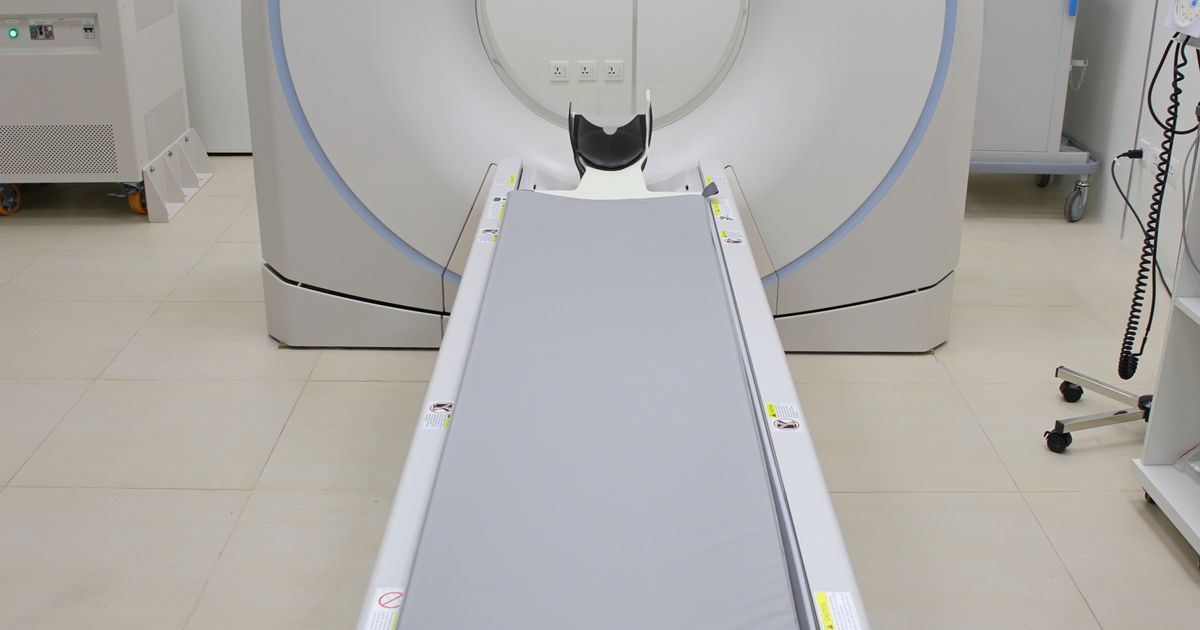
Ангиографи гэж юу вэ?
Blood vessels do not show up clearly on ordinary X-rays. In angiography, a contrast dye is injected so that the inside of the vessels stands out. The pictures are called angiograms. See our guide to what an angiogram is and why it is performed.
In catheter angiography, a doctor passes a catheter through an artery at the wrist or groin to the area of interest and injects dye directly while X-ray images are recorded. In CT and MR angiography, the dye is given through a vein in the arm and a scanner builds the pictures, so no catheter is needed.
Other names for angiography
- Angiogram or angio test
- Arteriography (arteries) and venography (veins)
- Дижитал хасах ангиографи (DSA)
- Катетер ангиографи
- CT angiography (CTA) and MR angiography (MRA)
Types of angiography
| Төрөл: | Энэ юу вэ | Үүнийг ашиглах үед | Цааш нь |
|---|---|---|---|
| Титэм судасны ангиографи | Catheter test showing the arteries that supply the heart | Chest pain, heart attack, abnormal stress test, before heart surgery | Титэм судасны ангиографи, титэм судасны ангиографи |
| КТ титэм судасны ангиографи | CT scan of the heart arteries with dye given in an arm vein | Lower to intermediate risk chest pain; checking for early disease | CT титэм судасны ангиографи |
| CT ангиографи | CT scan of vessels anywhere in the body | Aorta, lung, kidney, limb and brain vessels; emergencies | How a CT angiogram is performed |
| MR ангиографи | MRI-based pictures of vessels, with no X-rays | Brain, neck, kidney and limb vessels; when radiation should be avoided | МАЗ |
| Тархины ангиографи | Catheter test of the brain's arteries | Aneurysm, abnormal vessel tangles, stroke assessment | Тархины ангиографи |
| Каротид ангиографи | Imaging of the neck arteries that supply the brain | Narrowing that may cause stroke or mini-stroke | Каротид ангиографи |
| Захын ангиографи | Imaging of arteries in the legs or arms | Leg pain on walking, non-healing foot wounds, before angioplasty or bypass | Захын артерийн өвчин, peripheral angioplasty and stenting |
| Уушигны ангиографи | Imaging of the lung arteries, now mostly by CT | Suspected clot in the lung | Уушигны эмболи |
| Renal angiography | Imaging of the kidney arteries | Suspected narrowing causing high blood pressure or kidney damage | Бөөрний артерийн нарийсал |
| Венографи | Imaging of veins | Clots, blocked or abnormal veins, planning vein procedures | Венографи, венограмм |
| Флуоресцен ангиографи | Photographs of the retina after dye is injected in the arm | Diabetic eye disease and other retinal conditions | Флуоресцен ангиографи |
| Лимфангиографи | Imaging of lymph vessels | Lymph leaks and swelling | Лимфангиографи |
Coronary angiography is usually done as part of зүрхний катетержуулалт.
Why is angiography done?
- To find narrowed or blocked arteries caused by атеросклерозын эм, for example in people with angina
- To look for clots, bulges (aneurysms), tears or abnormal connections between vessels
- To plan surgery, angioplasty or stenting, and to check the result afterwards
A catheter angiogram can sometimes be followed at once by treatment, such as титэм судасны ангиопластик ба стент тавих. CT and MR angiography are tests only.
How is angiography done?
Before the test, tell the team about allergies, kidney disease, diabetes medicines, blood thinners and any chance of pregnancy. A kidney blood test is often needed, and you may be asked to fast for a few hours.
- Катетер ангиографи: the skin at the wrist or groin is numbed, a catheter is guided through the artery under X-ray, dye is injected and images are recorded. The catheter is removed and the puncture site is pressed or sealed. You rest for a few hours before going home.
- Компьютер томографийн ангиографи: a cannula is placed in an arm vein, you lie on the scanner table, and dye is injected while the scan is taken. It takes a few minutes. You may feel a brief warm flush.
- MR ангиографи: you lie inside the MRI scanner for longer, and a different type of contrast may or may not be used.
Risks of angiography
Serious problems are uncommon. The risks depend on the type of test and your health.
- Contrast dye: a warm flush or metallic taste is common; allergic reactions are uncommon, and kidney function can worsen in people who already have kidney disease.
- Цацраг: X-ray and CT tests use a controlled dose; MR angiography uses none.
- Catheter tests: bruising or bleeding at the puncture site is the most common problem. Damage to the artery, clots, stroke, heart rhythm disturbance or heart attack are rare.
- MRI: may not be possible with some implants or metal in the body.
Recovery after angiography
After CT or MR angiography you can usually return to normal activity straight away. After a catheter test, rest for the day, drink fluids unless told otherwise, avoid heavy lifting for a few days and do not drive for the first day.
Эмнэлгийн тусламжийг хэзээ авах вэ
- Bleeding or a growing swelling at the puncture site
- A cold, pale, numb or painful hand or leg
- Цээжний өвдөлт эсвэл амьсгал давчдах
- Weakness of the face or a limb, or trouble speaking
- Rash, itching, facial swelling or wheezing
What is the cost of angiography in India?
Зардал нь дараахь зүйлээс хамаарна.
- The type of angiography and the body area examined
- Whether a catheter, CT or MRI is used
- The amount and type of contrast
- Өдрийн асрамжийн газар эсвэл хонох байр, өрөөний ангилал
- Хот ба эмнэлэг
Үнэ нь хүн бүрт харилцан адилгүй байдаг. Бодит үнийг эмнэлэгээс лавлана уу.
Why choose Apollo Hospitals for angiography?
- Cardiologists, radiologists, neurologists and vascular specialists who select the type of test suited to your problem
- Catheterisation laboratories, CT and MRI under one roof at many centres
- Төвүүдээс төвүүдэд суух боломжтой эсэх нь харилцан адилгүй байна. Эмнэлэгтэй холбогдож лавлана уу.
For heart-related symptoms, зүрх судасны эмчтэй цаг товлох at Apollo Hospitals, who can advise which test you need.
Questions to ask your doctor about angiography
- Which type of angiography do I need, and why?
- Could a CT or MR angiogram answer the question instead of a catheter test?
- Should I stop or change any medicines beforehand?
- Is the contrast dye safe for my kidneys?
- Might treatment such as angioplasty be done at the same time?
- Би хэзээ үр дүнг нь авах вэ?
ТАХ
1. What is the difference between angiography and angiogram?
Angiography is the name of the test. An angiogram is the picture it produces. People often use the two words to mean the same thing.
2. Is angiography the same as angioplasty?
No. Angiography is a test that shows the vessels. Angioplasty is a treatment in which a narrowed vessel is widened with a balloon, often with a stent.
3. Is angiography painful?
The numbing injection or cannula stings briefly. The dye can cause a short warm feeling. Most people do not find the test painful.
4. How long does angiography take?
A CT angiogram takes a few minutes of scanning. A catheter angiogram usually takes about half an hour to an hour, followed by a few hours of rest.
5. Is CT angiography as good as catheter angiography?
CT angiography is very good at ruling out disease and avoids a catheter. Catheter angiography gives the finest detail and allows treatment in the same sitting.
6. Can I have angiography if I have kidney disease or a dye allergy?
Often yes, with precautions such as extra fluids, a smaller amount of dye or protective medicines, or by choosing a different test. Tell your doctor beforehand.
7. Do I need to stay in hospital?
Most angiography is done as a day procedure. You may stay overnight if treatment is carried out at the same time or if you need observation.
8. Which doctor performs angiography?
Cardiologists perform coronary angiography. Interventional radiologists, neuro-interventional specialists and vascular surgeons perform angiography of other areas, and radiologists report CT and MR angiograms.
Дүгнэлт
Angiography covers several tests that show blood vessels in different parts of the body, from quick CT scans to catheter studies that can lead directly to treatment. Use the links above to read about each test, and discuss the choice with your doctor.
Энэ хуудас нь ерөнхий мэдээлэл өгөх зорилготой бөгөөд эмчийн зөвлөгөөг орлохгүй. Эмчилгээний шийдвэрийг таны өвчний түүхийг мэддэг мэргэшсэн мэргэжилтэн гаргах ёстой.
Саяхан нэмэгдсэн


Аполло эмнэлгийн зүрхний эмч нар








Disclaimer:
Энэ хуудсан дээрх мэдээлэл нь зөвхөн ерөнхий мэдээлэл болон боловсролын зорилгоор зориулагдсан болно. Бид мэдээллийг үнэн зөв, найдвартай, тогтмол хянаж байхын тулд зохих ёсоор хүчин чармайлт гаргаж байгаа ч мэргэжлийн эмнэлгийн зөвлөгөө, оношлогоо, эмчилгээний орлуулалт гэж үзэж болохгүй.
Эмнэлгийн процедурын тохиромжтой байдал, түүний ашиг тус, эрсдэл, бэлтгэл, эдгэрэлт, болзошгүй хүндрэлүүд болон хүлээгдэж буй үр дүн нь хүн бүрт харилцан адилгүй байж болно. Таны эрүүл мэндийн мэргэжилтэн таны хувийн нөхцөл байдал, өвчний түүх дээр үндэслэн процедур тохиромжтой эсэхийг тодорхойлно.
Эмнэлгийн аливаа процедурын талаар шийдвэр гаргахаасаа өмнө хувийн зөвлөгөө авахын тулд мэргэшсэн эрүүл мэндийн мэргэжилтэнтэй зөвлөлдөнө үү.
Манай эмнэлгийн контентыг хэрхэн бүтээх, хянах, шинэчлэх, засвар үйлчилгээ хийх талаар дэлгэрэнгүй мэдээлэл авахыг хүсвэл манай [Редакцийн бодлого]-г уншина уу.




