


Шууд хариулт
The BAC test measures how much alcohol is circulating in the blood at the moment of sampling. Blood alcohol concentration is usually reported as a percentage (g/dL) or in mg/dL. The BAC test shows current alcohol exposure only, it does not measure long-term drinking, liver damage, or alcohol dependence.
Түлхүүрийг авах
- The BAC test reflects alcohol level at one point in time, not the pattern of drinking over weeks or months.
- Blood alcohol measured in an accredited laboratory is the reference method; breath, saliva and urine methods are screening or field methods with different error profiles.
- A BAC result cannot tell a doctor why a person is drowsy or confused, head injury, low blood sugar, sepsis, stroke and other drug ingestion can coexist with alcohol.
- Impairment varies between people at the same BAC, so a number below a legal limit does not mean a person is safe to drive or work.
- In India, legal alcohol limits for driving are set under the Motor Vehicles Act and enforced by police-approved devices; a hospital BAC result is a clinical test, and medico-legal use follows separate procedures.
Алсдаа
| Барааны | дэлгэрэнгүй |
|---|---|
| Туршилтын нэр | Blood Alcohol Concentration (BAC); blood ethanol level |
| Юу хэмждэг | Ethanol concentration in blood at the time of sampling |
| Дээж | Venous blood (laboratory); breath, saliva or urine for screening methods |
| Units used | % (g/dL), mg/dL, or mmol/L depending on laboratory |
| Мацаг барих шаардлагатай | Үгүй |
| Дээж цуглуулах цаг | Blood draw usually 2-5 minutes; breath test around 1-2 minutes plus a short waiting period |
| Энэ юу хийж чадахгүй вэ | Cannot assess chronic drinking, liver disease, dependence, or exclude other causes of altered consciousness |
| Тайлбар | Always by the treating clinician alongside history and examination |
Мөн түүнчлэн
- Blood alcohol level, blood ethanol, serum ethanol
- Alcohol test, "drink test", "sharab test" in everyday speech
- Breath alcohol test, breathalyser test, "breath analyser" (a different specimen, not the same as a blood BAC)
What the BAC test is
Ethanol is absorbed from the stomach and small intestine into the blood, distributes through body water, and is cleared mainly by the liver. The BAC test quantifies how much ethanol is present in blood at the instant the sample is taken.
Laboratory blood alcohol measurement typically uses an enzymatic (alcohol dehydrogenase) method on an automated analyser, or gas chromatography in forensic and reference laboratories. Gas chromatography is specific for ethanol; enzymatic assays can be affected by other alcohols in rare poisoning cases.
Breath devices do not measure blood directly. A breath analyser estimates blood concentration from the alcohol in deep lung air using an assumed blood-to-breath ratio. That assumption does not hold equally in every person or at every stage of absorption.
Why the BAC test is done
- Онцгой байдлын үнэлгээ: in a person who is drowsy, confused, agitated or unconscious, to see whether alcohol is contributing.
- Suspected alcohol poisoning: to support management of severe intoxication, especially in adolescents and children.
- Гэмтлийн эмчилгээ: alcohol influences the reliability of history and examination after injury.
- Unexplained metabolic disturbance: as part of the work-up of acidosis, hypoglycaemia or an unexplained osmolar gap.
- Treatment and monitoring programmes: to confirm abstinence at a given moment when this is clinically agreed with the patient.
- Medico-legal and occupational testing: performed under defined chain-of-custody procedures, which differ from routine clinical testing.
Энэ шинжилгээг хэн өгөх ёстой вэ
- Anyone brought to hospital with altered consciousness, seizure, or unexplained behaviour change where alcohol is possible.
- People with suspected acute alcohol poisoning, repeated vomiting, unsteadiness progressing to unresponsiveness, slow or irregular breathing.
- Children or teenagers with suspected accidental or deliberate alcohol ingestion, including ingestion of hand sanitiser or homemade brews.
- Trauma patients where intoxication may mask injury.
- People with suspected ingestion of illicit or spurious liquor, where methanol poisoning must also be considered.
- Individuals in an agreed treatment or workplace programme, where testing has been consented to and documented.
A BAC test is not a screening test for problem drinking in the general population. Structured questionnaires such as AUDIT, together with a clinical assessment, serve that purpose.
What the BAC test cannot detect or exclude
- It cannot measure chronic or past drinking. A person who drinks heavily every evening can have a BAC of zero the next afternoon.
- It cannot diagnose alcohol dependence or alcohol use disorder. Those are clinical diagnoses based on pattern, control, craving and consequences.
- It cannot assess liver damage. Alcohol-related liver disease requires clinical assessment, liver tests (SGPT/ALT, SGOT/AST, GGT, bilirubin, albumin, platelets), imaging and sometimes elastography.
- It cannot exclude other causes of altered consciousness. A raised BAC does not rule out head injury, intracranial bleed, hypoglycaemia, sepsis, stroke, seizure, hepatic encephalopathy or poisoning with other substances. These frequently coexist.
- It cannot identify other alcohols reliably. Methanol and ethylene glycol poisoning may produce serious illness with a low or zero ethanol result. Suspected methanol poisoning, often after spurious liquor, needs specific testing and urgent treatment.
- It cannot predict individual impairment. Tolerance, age, fatigue and other drugs mean two people at the same BAC may function very differently.
- A zero or low result does not exclude recent drinking. Alcohol may already have been metabolised, or drinking may have occurred outside the detection window.
If symptoms continue or worsen despite a normal or low BAC result, return to a doctor for reassessment.
Холбоотой боловч өөр өөр шалгалтууд
| туршилтын | Асуулт нь хариулдаг | Гол хязгаарлалт |
|---|---|---|
| Laboratory blood alcohol (BAC) | How much ethanol is in the blood now? | Single time point; needs venepuncture; no information on drinking pattern |
| Breath alcohol analyser | Rapid estimate of alcohol at the roadside or bedside | Estimates rather than measures blood level; affected by mouth alcohol, technique, device calibration |
| Urine alcohol / ethyl glucuronide (EtG) | Was there alcohol exposure in the recent past (hours to a few days for EtG)? | Does not reflect current impairment; EtG can react to incidental exposure such as some mouthwashes or sanitisers |
| Saliva alcohol strip | Quick semi-quantitative screen | Screening only; less precise; contamination-prone |
| Liver function tests (SGPT/ALT, SGOT/AST, GGT) | Is there liver injury or inflammation? | Not specific to alcohol; can be normal in significant liver disease; abnormal in MASLD, hepatitis, drug injury |
| Phosphatidylethanol (PEth), carbohydrate-deficient transferrin (CDT) | Has there been sustained heavy drinking over weeks? | Limited availability; not a measure of current intoxication |
| Serum osmolality and osmolar gap | Could another alcohol such as methanol be present? | Non-specific; needs interpretation with blood gases and clinical picture |
These tests answer different questions. No single one of them is superior across all situations, the right choice depends on whether the concern is current intoxication, recent exposure, sustained drinking, or organ damage.
Хэрхэн бэлдэх вэ
No fasting is required for a BAC test. Preparation instructions differ between hospitals, laboratories and testing programmes, and the instructions given by the unit performing the test take precedence over general guidance.
- Цусны дээж: no special preparation. Tell the staff about bleeding disorders or blood-thinning medicines. Do not stop any prescribed medicine, speak to the prescriber first. Skin is usually cleaned with a non-alcohol antiseptic such as povidone-iodine or chlorhexidine when forensic accuracy matters.
- Амьсгалын тест: most protocols require a short waiting period after the last drink, food, smoking, vomiting or use of an alcohol-containing mouthwash, so that alcohol trapped in the mouth does not distort the reading. The exact interval is set by the device and the unit.
- Urine or saliva: follow the collection instructions given, including any waiting interval after oral rinses or sanitiser use.
Тусгай бэлтгэлийн тэмдэглэл
- Хүүхдүүд: a small-volume paediatric tube is used; a parent or guardian should be present and consent recorded.
- Жирэмсэн: venepuncture is unchanged. Alcohol in pregnancy carries risk to the baby, and this is best discussed openly with the obstetric team.
- People with severe liver disease, advanced CKD or clotting problems: mention this before the draw, as pressure may need to be held longer.
- Unconscious or uncooperative patients: a breath test is not feasible; blood sampling is done as part of emergency care.
Туршилтын үеэр юу болдог, хэр удаан хугацаа шаардагддаг
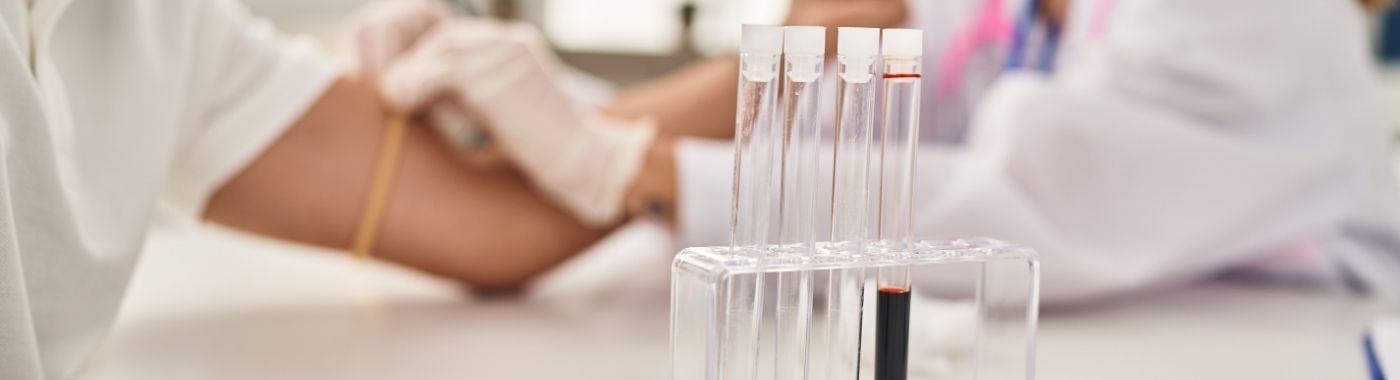
- Цус авах: a tourniquet is applied, the skin cleaned with a non-alcohol antiseptic, and blood drawn from an arm vein into a tube, often containing sodium fluoride to prevent alcohol being produced or lost in the sample. The draw itself takes about 2-5 minutes.
- Амьсгалын тест: after the required waiting period, the person blows steadily into a mouthpiece until the device accepts the sample. This takes a minute or two; a second confirmatory blow may be requested.
- Шээс: a clean sample is passed into a sterile container.
- Шүлс: a swab or strip is held in the mouth for the time specified by the manufacturer.
Breath devices display a reading within seconds. Laboratory blood alcohol reporting time depends on the laboratory, whether the test is run on an emergency or routine batch, and whether gas chromatography or a medico-legal chain-of-custody process is involved. Ask the collecting unit when the report will be available.
Таны тайланг ойлгох
Blood alcohol may be reported as a percentage (for example g/dL), as mg/dL, or as mmol/L. The same sample gives different-looking numbers in different units, so check which unit the laboratory has used before comparing a result with any threshold. The reporting laboratory's stated units and limits apply to your report.
Two things are worth understanding rather than memorising numbers:
- Higher concentrations generally mean greater risk of impairment, progressing from reduced judgement and slowed reactions, to poor coordination and vomiting, to loss of protective airway reflexes, depressed breathing and coma at very high levels.
- The relationship is not fixed.
Legal driving limits are set by legislation, not by laboratories, and differ between countries. A clinical BAC report is not a legal determination of fitness to drive.
Results vary depending on individual clinical circumstances. Any BAC result needs interpretation by the doctor who requested it, alongside the history, examination and other tests.
Үр дүн нь төөрөгдүүлж болох үед
Results that may be falsely raised or over-read
- Mouth alcohol from a recent drink, alcohol-containing mouthwash, breath spray, hand sanitiser or belching can inflate a breath reading if the waiting interval is skipped.
- Alcohol-based skin swab at the venepuncture site can, in theory, contaminate a forensic blood sample.
- Sample fermentation in a poorly preserved or delayed specimen, particularly if the tube lacks a preservative, can generate ethanol.
- Enzymatic assay cross-reactivity with other alcohols may raise the apparent ethanol level in mixed-alcohol poisoning.
- Rising limb of absorption: a breath value taken soon after drinking may overestimate the blood level.
- Чихрийн шижингийн кетоацидоз and some devices: certain older or non-specific breath sensors may respond to acetone-like substances.
Results that may be falsely lowered or under-read
- Delay in sampling: ethanol is cleared steadily, so a level drawn hours later understates the level at the time of an incident.
- Poor breath technique or incomplete exhalation gives a lower reading than deep lung air would.
- Зохисгүй хадгалалт of the specimen can allow ethanol to evaporate.
- Unpreserved, refrigerated samples analysed late may lose ethanol.
- Zero ethanol with severe illness can occur in methanol, ethylene glycol or isopropanol poisoning, a low ethanol result does not mean poisoning has been excluded.
Factors that change the level itself, not the accuracy
- Body size and body water content; women on average reach a higher concentration than men after the same intake.
- Food in the stomach slows absorption; drinking on an empty stomach raises levels faster.
- Time since the last drink, and rate of drinking.
- Liver disease, which slows clearance.
- Medicines and other substances that act on the brain can deepen impairment without changing the BAC number. Never adjust prescribed medication yourself; discuss alcohol with the prescriber.
Coffee, cold showers, exercise, sleep aids and "detox" drinks do not lower blood alcohol. Only time and hepatic metabolism do.
Эрсдэл ба аюулгүй байдал
Венийн цусны дээж авах
Common and usually minor: brief pain, a small bruise, light-headedness. Less common: a larger haematoma, or infection at the puncture site. Bruising is more likely in people on anticoagulants or antiplatelet drugs.
Breath, saliva and urine testing
These involve no needle. Breath testing requires sustained exhalation, which may be difficult or uncomfortable for people with significant lung disease, recent chest or abdominal surgery, or breathlessness; tell the operator if this applies. Single-use mouthpieces should be used.
Эмнэлгийн цэгийн төхөөрөмж
Consumer and roadside devices vary widely in accuracy and depend on calibration and correct technique. A negative reading on a personal device should not be used to decide whether to drive.
Улаан тугууд
Яаралтай тусламж: яаралтай тусламжийн үйлчилгээ рүү залгах эсвэл хамгийн ойрын яаралтай тусламжийн тасаг руу очих
- Unconscious, or cannot be roused fully
- Slow, shallow, irregular or noisy breathing
- Хураалт
- Repeated vomiting with drowsiness, or vomiting while barely conscious (risk of choking)
- Cold, clammy or bluish skin; very low body temperature
- Head injury after drinking, even if the person seems to recover
- Blurred vision, loss of vision, severe breathlessness or abdominal pain after drinking country or spurious liquor, possible methanol poisoning
- Suspected alcohol ingestion in a child or toddler, including sanitiser ingestion
- Confusion with high fever, stiff neck, weakness on one side, or slurred speech that persists as the person sobers
Тэр өдөр
- Tremor, sweating, agitation, hallucinations or rising pulse 6-48 hours after stopping heavy drinking, withdrawal can become dangerous
- Vomiting blood, black tarry stools, or new yellowing of the eyes or skin
- New swelling of the abdomen or legs
- Шингэнийг хадгалах чадваргүй байн байн бөөлжих
- A fall, injury or memory blackout after drinking
Ердийн цаг товлох
- Concern about how much you or a family member drinks, or failed attempts to cut down
- Morning drinking, drinking to relieve shakiness, or drinking despite medical advice
- Abnormal liver tests found on a health check
- Requirement for occupational or fitness assessment related to alcohol
Онцгой нөхцөл байдал
Жирэмсний
No level of alcohol has been shown to be safe in pregnancy; alcohol crosses the placenta. A BAC test may be done as part of emergency assessment, but the important step is an open, non-judgemental discussion with the obstetric team about support to stop.
Хүүхэд ба өсвөр насныхан
Children develop hypoglycaemia and dangerous central nervous system depression at lower alcohol levels than adults. Accidental ingestion of hand sanitiser, mouthwash or homemade liquor is a recognised paediatric emergency, and blood glucose should be checked alongside the alcohol level.
Хуучин насанд хүрэгчид
Less body water, slower clearance and frequent use of multiple medicines mean a modest level can cause confusion or falls. Alcohol intoxication in an older adult can also be confused with, or coexist with, delirium, infection or a subdural haematoma.
Чихрийн шижинтэй, глюкоз бууруулах эмчилгээ хийлгэж буй хүмүүс
Alcohol can cause delayed hypoglycaemia, especially with insulin or sulfonylureas and when meals are skipped. Symptoms of low blood sugar may be mistaken for drunkenness. Check blood glucose and discuss alcohol with the treating doctor rather than changing any dose independently.
Элэгний өвчин
In cirrhosis, alcohol clearance is slower and encephalopathy may be mistaken for intoxication. A BAC result does not distinguish the two; ammonia levels, examination and clinical context are needed.
Бөөрний архаг өвчин ба зүрхний дутагдал
The test itself needs no fluid loading, so it is not restricted by fluid limits. However, alcohol can worsen heart failure, arrhythmia and blood pressure control, and interacts with several cardiac and diuretic medicines, a point to raise with the treating team.
People with known alcohol dependence
Abrupt cessation after heavy sustained drinking can precipitate withdrawal seizures or delirium tremens. Stopping should be planned with a doctor, not attempted alone.
The BAC test in the Indian context
- Хууль эрх зүйн хүрээ: permissible alcohol limits for driving in India are prescribed under the Motor Vehicles Act and its amendments, with enhanced penalties introduced by the Motor Vehicles (Amendment) Act, 2019. Roadside enforcement uses police-approved breath analysers. Several states have their own prohibition or restriction laws.
- Medico-legal testing differs from clinical testing. It requires documented consent where applicable, chain of custody, a preservative-containing tube and a designated laboratory. A routine hospital ethanol result is not automatically admissible for legal purposes.
- Spurious and country liquor: outbreaks of methanol poisoning linked to illicit liquor occur periodically in India. Vision disturbance, severe acidosis or abdominal pain after drinking should be treated as a poisoning emergency, not simple intoxication, even when the ethanol level is unremarkable.
- Overlapping liver risks: in Indian practice, alcohol-related liver injury often coexists with metabolic steatotic liver disease (MASLD, formerly NAFLD), the combination is now recognised as MetALD under the 2023 multi-society nomenclature. Hepatitis B, hepatitis E, anti-tubercular therapy and herbal, AYUSH or gym-supplement products are additional important causes of liver injury and must be considered before attributing abnormal liver tests to alcohol alone.
- Lower-BMI metabolic disease: South Asians develop metabolic liver and cardiovascular disease at lower body mass index, so a person need not look unwell to have significant alcohol-related or metabolic liver injury.
- Нэр томьёо: patients often ask for the "breath analyser test", "alcohol test" or liver tests by their Indian names, SGPT and SGOT rather than ALT and AST. Both sets of names refer to the same enzymes.
- Нууцлал: alcohol test results are sensitive personal data. Handling of such data in India is governed by the Digital Personal Data Protection Act, 2023, alongside professional confidentiality obligations under NMC conduct regulations.
Энэтхэг дэх зардал ба даатгал
Charges for a blood alcohol estimation in India vary widely between government facilities, standalone laboratories and corporate hospitals. Factors that influence the price include:
- Хэрэглэсэн арга: enzymatic assay is cheaper than gas chromatography.
- Medico-legal versus clinical testing: chain-of-custody documentation, duplicate samples and forensic reporting add cost.
- Яаралтай байдал: emergency or after-hours processing usually attracts a premium.
- Specimen type: breath screening is inexpensive; laboratory blood testing costs more.
- Багцлах: the test is often part of a wider panel including glucose, electrolytes, liver tests and a blood gas, which changes the total.
- Хот болон байгууламжийн түвшин, and whether the test is done in a government, trust or private setting.
Insurance coverage also varies. Tests done as part of inpatient emergency treatment may be covered under the hospitalisation claim, while tests requested for employment, licensing or legal purposes are commonly excluded as non-medical. Confirm with the insurer and the hospital billing desk before the test where possible.
Домог ба баримтууд
| Төөрөгдөл | Баримт |
|---|---|
| Coffee, a cold shower or a heavy meal sobers you up. | None of these lowers blood alcohol. The liver clears alcohol at its own steady rate; time is the only factor that reduces BAC. |
| Eating before drinking prevents intoxication. | Food slows absorption, so the peak may be lower and later, but the same amount of alcohol is still absorbed. |
| Beer or wine does not raise BAC as much as spirits. | What matters is the total grams of alcohol consumed, not the type of drink. |
| A normal BAC means the person is fine. | A low or zero result does not exclude head injury, hypoglycaemia, poisoning with other substances or serious illness. |
| A breath analyser is the same as a blood test. | A breath device estimates blood alcohol from breath using an assumed ratio. Laboratory blood measurement is the reference method. |
| A high BAC proves alcohol dependence. | A single high level shows acute intoxication. Dependence is a clinical diagnosis based on pattern and control of drinking. |
| Mouthwash cannot affect the result. | Alcohol-containing mouthwash, sprays and sanitisers can raise a breath reading if the required waiting period is not observed. |
| A regular drinker with high tolerance is safe to drive. | Tolerance reduces outward signs but reaction time, judgement and coordination remain impaired. |
Түгээмэл асуултууд
What exactly does the BAC test measure?
The BAC test measures the concentration of ethanol in the blood at the moment the sample is taken, reported as a percentage, mg/dL or mmol/L. The BAC test describes current alcohol exposure. The BAC test does not measure drinking over past weeks, liver damage, or alcohol dependence.
How long does alcohol remain detectable?
Detection depends on the specimen, the amount consumed and individual clearance. Blood and breath alcohol usually become undetectable within hours of the last drink. Urine ethyl glucuronide can indicate exposure for longer. Because windows vary considerably, a negative result does not confirm that no alcohol was consumed.
Is a blood BAC more reliable than a breath test?
Laboratory blood measurement, especially by gas chromatography, is the reference method and is less influenced by technique. Breath devices are quick and practical but estimate blood alcohol indirectly and depend on calibration, waiting period and correct exhalation. Each method suits a different setting rather than one being universally better.
Can medicines change my BAC result?
Most medicines do not alter the measured ethanol level, though some can intensify alcohol's effects on the brain or affect how unwell a person becomes. Certain laboratory methods may be affected by other alcohols. Tell the testing staff what you take, and never stop or change a prescribed medicine without speaking to the prescriber.
Do men and women reach the same BAC after the same drinks?
Not usually. Because of differences in body water, body composition and enzyme activity, women often reach a higher blood alcohol concentration than men after the same intake and body weight. Age, liver health, food intake and drinking speed also shift the level substantially between individuals.
Can a BAC test show whether someone drinks heavily?
No. A BAC result reflects one moment only. Sustained heavy drinking is better assessed through clinical history, validated questionnaires such as AUDIT, and where available markers such as phosphatidylethanol or carbohydrate-deficient transferrin. Liver tests such as SGPT, SGOT and GGT may support the picture but are not specific to alcohol.
Бүх үйл явц хэр удаан үргэлжлэх вэ?
A blood draw takes roughly two to five minutes. A breath test takes a minute or two after the required waiting interval. Reporting time for laboratory blood alcohol depends on the laboratory, whether the sample is run urgently, and whether medico-legal documentation is involved, ask the collecting unit directly.
My relative is drunk and sleeping heavily. Is it safe to let them sleep?
Not always. Someone who cannot be woken fully, is breathing slowly or noisily, is vomiting while drowsy, or has cold or bluish skin needs emergency care immediately. Turn the person on their side, do not leave them alone, and do not wait for the alcohol to wear off.
Can a BAC test be used as legal evidence?
Only when collected and handled under the correct medico-legal procedure, with documented consent where applicable, chain of custody and a designated laboratory. A routine clinical ethanol result taken during treatment is not automatically admissible. Legal questions should be directed to a legal adviser.
эх сурвалж
- Ministry of Road Transport and Highways, Government of India, Motor Vehicles Act, 1988 and Motor Vehicles (Amendment) Act, 2019.
- World Health Organization, Global status report on alcohol and health.
- National Institute on Alcohol Abuse and Alcoholism, alcohol metabolism and overdose resources.
- Rinella ME et al. A multi-society Delphi consensus statement on new fatty liver disease nomenclature (2023), MASLD, MASH and MetALD terminology.
- Энэтхэгийн Засгийн газрын 2023 оны Дижитал Хувийн Мэдээллийг Хамгаалах тухай хууль.
- Үндэсний анагаах ухааны комисс, мэргэжлийн ёс зүй, нууцлалын журам.








 Ченнай хотын ойролцоох хамгийн сайн эмнэлэг


