


Revisado por el equipo editorial de Apollo.
Respuesta rápida
An osteotomy is an operation in which a surgeon cuts a bone and resets it in a better position, shape or length. It is done to correct a deformity, to shift weight away from a worn part of a joint, or to realign the jaws. The bone is held with plates, screws, a rod or a frame while it heals, which usually takes a few months.
| Datos de interés | Detalles |
|---|---|
| Lo que es | Surgery to cut and realign a bone |
| Sitios comunes | Shin bone and thigh bone around the knee, pelvis and hip, foot, jaw |
| Anestesia | General o espinal |
| Estancia en el hospital | Usually a few days, depending on the bone |
| Curación ósea | Often about three months or longer |
| Interpretado por | Orthopaedic surgeon; jaw osteotomy by an oral and maxillofacial surgeon |
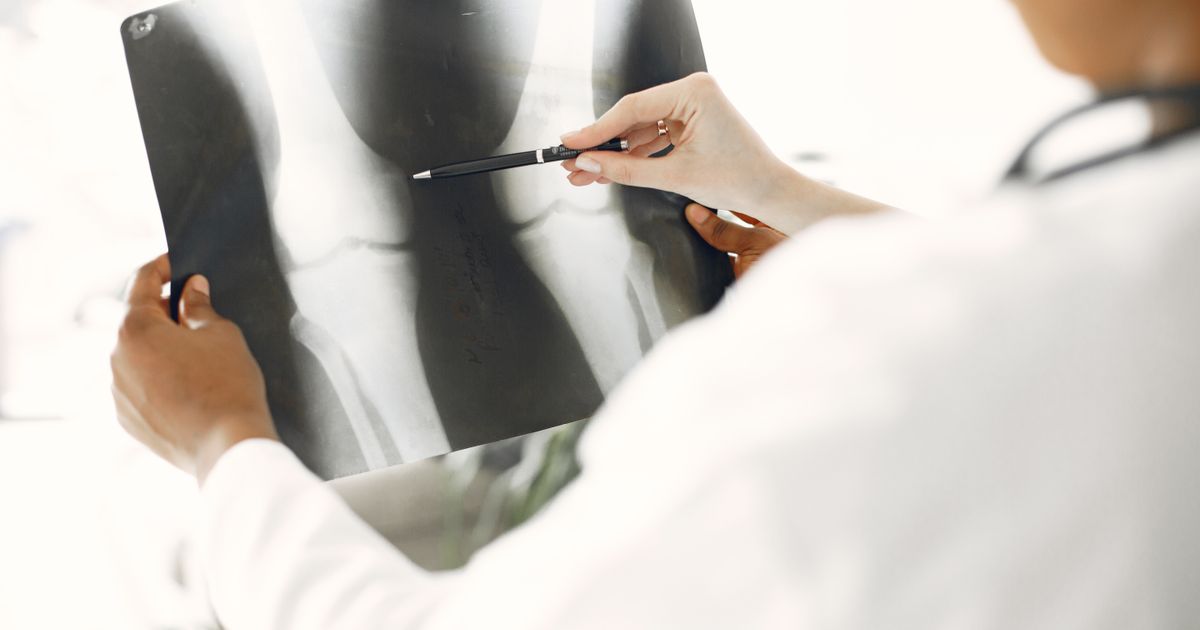
¿Qué es una osteotomía?
The word osteotomy means "cutting of bone". In this operation the surgeon makes a planned cut through a bone, then either opens the cut into a wedge, removes a wedge, or rotates or slides the two parts so that the bone sits in a new position. The new position is fixed with metal implants until the bone joins again, in the same way that a fracture heals.
Other names for osteotomy
- Cirugía de realineación ósea
- Osteotomía correctora
- Cirugía de corrección de deformidades
- Cirugía de corte de hueso
Types of osteotomy
Osteotomy is named after the bone that is cut. Each type has its own page with full details of preparation, steps, risks and recovery.
| Tipo | Lo que es | cuando se usa | LEER MÁS |
|---|---|---|---|
| Osteotomía de rodilla | Realignment of the bone just above or below the knee | Bow legs or knock knees with wear on one side of the knee | Knee osteotomy for malalignment |
| Osteotomía tibial alta (OTA) | A cut in the upper shin bone, the most common knee osteotomy | Bow legs with arthritis on the inner side of the knee, usually in younger, active adults | Osteotomía tibial alta |
| Tibia osteotomy | A cut at any level of the shin bone | Deformity from birth, growth problems or a fracture that healed in a poor position | Tibia osteotomy |
| Femur osteotomy | A cut in the thigh bone, near the hip or near the knee | Knock knees, twisted thigh bone, some hip problems | Femur osteotomy |
| Osteotomía pélvica | Cuts around the hip socket to change its angle | A shallow hip socket (hip dysplasia) in children and young adults | Osteotomía pélvica |
| Jaw osteotomy | Cuts in the upper jaw, lower jaw or both to reposition them | Bite problems and jaw imbalance that braces alone cannot correct | Cirugía ortognática |
Osteotomies are also done in the foot, for example for juanetes, and in the forearm, hand and spine.
¿Por qué se realiza una osteotomía?
- To unload a worn joint: a principios de osteoartritis limited to one side of the knee, realigning the leg moves body weight to the healthier side. This can ease pain and may delay the need for knee replacement.
- To correct a deformity: bow legs, knock knees or twisted bones, including those left by raquitismo or other growth problems.
- To correct a badly healed fracture: a bone that has joined at the wrong angle or with a twist.
- To improve the fit of the hip: in hip dysplasia or after childhood hip conditions such as Enfermedad de Perthes.
- To change bone length: as the first step of alargamiento de extremidades.
- To align the jaws: for bite, chewing and facial balance.
Osteotomy is not suitable for everyone. It works best when the joint surface is still in reasonable condition. When arthritis affects the whole joint, a joint replacement such as reemplazo total de cadera Suele ser la mejor opción.
How is an osteotomy done?
- Planificación: the surgeon measures the deformity on a full-length Radiografía., y a veces un Un TC, to decide where to cut and how much to correct.
- Anestesia: you are given a general or spinal anaesthetic.
- Corte de hueso: through a cut in the skin, the surgeon divides the bone with a fine saw, using X-ray guidance.
- Corrección: the bone is opened, closed, rotated or shifted to the planned position. A injerto óseo may be placed in the gap.
- Fijación: the bone is held with a plate and screws, a rod inside the bone, or an external frame, and the wound is closed.
¿Cuáles son los riesgos de una osteotomía?
- Más común: pain, swelling and stiffness for some weeks; discomfort from the plate or screws, which are sometimes removed later
- Poco común: infection, blood clots in the leg veins, injury to a nerve or blood vessel, slow healing or failure of the bone to join, too much or too little correction, and breakage or loosening of the implant
- Con el tiempo: arthritis may still progress, and some people need a joint replacement in later years
Recovery after an osteotomy
Recovery is slower than after many other bone and joint operations, because the cut bone has to heal. After a leg osteotomy you will usually use crutches or a walker for several weeks and put only part of your weight on the leg until the X-ray shows healing. Physiotherapy begins early to keep the joints moving and the muscles strong. Many people return to desk work within some weeks, while heavy work and sport often take six months or more.
Cuando buscar ayuda médica
- Fever, or redness, warmth or discharge at the wound
- Pain that is getting worse and is not eased by your medicines
- Swelling or pain in the calf
- Dolor en el pecho o dificultad para respirar
- Numbness, tingling or a cold, pale foot or hand
What is the cost of osteotomy in India?
El costo depende de:
- The bone treated and how complex the correction is
- The implant used (plate, rod or external frame) and any bone graft
- Duración de la estancia hospitalaria y categoría de habitación
- Scans, tests and planning
- Physiotherapy and walking aids
- La ciudad y el hospital
Los costos varían de persona a persona. Por favor, consulte con el hospital para conocer los precios exactos.
Health insurance often covers osteotomy done for a medical reason; confirm with your insurer before admission.
Why choose Apollo Hospitals for osteotomy?
- Orthopaedic surgeons experienced in joint preservation and deformity correction
- Careful measurement and planning on imaging before surgery
- Honest advice on whether osteotomy, joint replacement or non-surgical care suits you better
Availability differs between centres. Please check with the hospital. To discuss your options, you can book an appointment with an orthopaedic surgeon en los Hospitales Apollo.
Questions to ask your doctor about osteotomy
- Why do you advise an osteotomy and not a joint replacement or other treatment?
- Which bone will be cut, and how will it be fixed?
- ¿Cuánto tiempo tendré que usar muletas?
- When can I return to work, driving and sport?
- Will the plate or screws need to be removed later?
- How long is the benefit likely to last in my case?
Preguntas Frecuentes
1. Is an osteotomy a major surgery?
Yes. It involves cutting and fixing a bone under anaesthesia, a hospital stay and a recovery of several months.
2. How long does bone take to heal after an osteotomy?
Many osteotomies show sound healing at around three months, but it can take longer, depending on the bone, your age, your general health and whether you smoke.
3. Is osteotomy better than knee replacement?
Neither is better for everyone. Osteotomy suits younger, active people with damage on one side of the knee and a leg that is out of line. Knee replacement suits people with arthritis across the joint.
4. Can I have a joint replacement later if I need one?
Yes. Many people who have an osteotomy can still have a joint replacement in later years if arthritis progresses.
5. Will I have metal in my body permanently?
Plates, screws and rods can usually stay in place for life. They may be removed after the bone has healed if they cause discomfort.
6. Is osteotomy done in children?
Yes. Children and teenagers may need an osteotomy for limb deformities, hip dysplasia or other growth-related conditions.
7. Is an osteotomy painful?
You will not feel pain during the operation. Pain afterwards is expected for the first days and weeks and is managed with pain relief medicines.
8. Which doctor performs an osteotomy?
Osteotomies of the limbs and pelvis are performed by orthopaedic surgeons. Jaw osteotomy is performed by an oral and maxillofacial surgeon, usually together with an orthodontist.
Conclusión
An osteotomy corrects the position of a bone so that a limb, joint or jaw works better, and it keeps your own joint. It needs careful selection, a healing period of months and steady rehabilitation.
Esta página ofrece información general y no sustituye el consejo de su médico. Las decisiones sobre el tratamiento deben tomarse en consulta con un especialista cualificado que conozca su historial clínico.
Recientemente Añadido


Cirujanos ortopédicos en los hospitales Apollo




Descargo de responsabilidad:
La información que se ofrece en esta página tiene únicamente fines informativos y educativos generales. Si bien nos esforzamos por garantizar que la información sea precisa, fiable y se revise periódicamente, no debe considerarse un sustituto del consejo, diagnóstico o tratamiento médico profesional.
La idoneidad de un procedimiento médico, junto con sus beneficios, riesgos, preparación, recuperación, posibles complicaciones y resultados esperados, puede variar de una persona a otra. Su profesional de la salud determinará si un procedimiento es apropiado según su condición individual e historial médico.
Consulte con un profesional sanitario cualificado para obtener asesoramiento personalizado antes de tomar cualquier decisión sobre un procedimiento médico.
Para obtener más información sobre cómo se crea, revisa, actualiza y mantiene nuestro contenido médico, lea nuestra [Política editorial].




