


بررسی شده توسط تیم تحریریه آپولو
جواب سریع
An intra-aortic balloon pump (IABP) is a temporary device that helps a weak heart pump blood. A thin tube with a long balloon is passed through an artery in the groin into the main artery in the chest, where the balloon inflates and deflates in time with the heartbeat. It is used in intensive care or the cath lab for a few hours to a few days while the cause of the heart problem is treated. It supports the heart but does not cure the underlying condition.
| حقایق کلیدی | جزئیات |
|---|---|
| چه چیزی است | A balloon on a catheter, placed in the aorta and driven by a bedside console |
| هدف | Improves blood flow to the heart muscle and reduces the work of the heart |
| کجا استفاده میشود | Cardiac intensive care unit, cath lab or operating theatre |
| How it is inserted | Usually through the artery in the groin, under local numbing injection and X-ray or ultrasound guidance |
| Time to insert | Often about 20 to 30 minutes; faster in an emergency |
| How long it stays | Usually hours to several days |
| خطرات اصلی | Reduced blood flow to the leg, bleeding at the insertion site, infection, low platelet count |
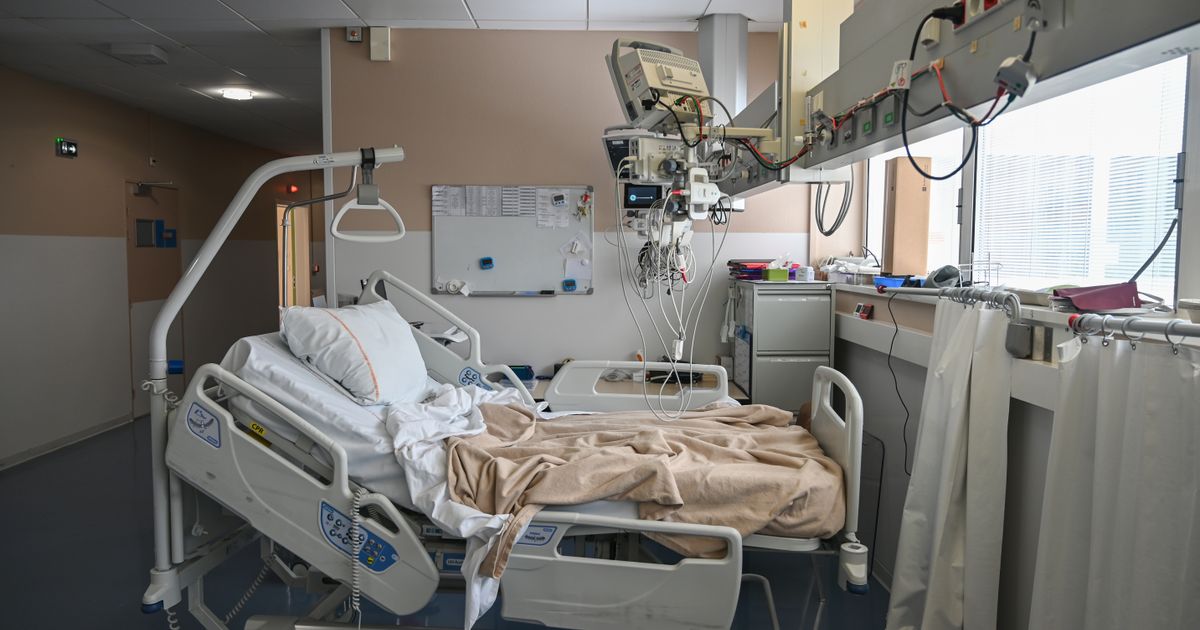
What is an intra-aortic balloon pump?
An intra-aortic balloon pump is a form of temporary mechanical support for the heart. It has two parts: a thin flexible tube (catheter) with a sausage-shaped balloon near its tip, and a console at the bedside that moves helium gas in and out of the balloon. The balloon sits in the aorta, the main artery leaving the heart, in the part that runs down through the chest.
The console reads the heart rhythm and blood pressure and times the balloon to each heartbeat. When the heart relaxes, the balloon inflates and pushes blood back towards the coronary arteries, so the heart muscle receives more oxygen. Just before the heart pumps, the balloon deflates quickly. This lowers the pressure the heart has to push against, so each beat takes less effort.
Other names for an intra-aortic balloon pump
- IABP
- Balloon pump or heart balloon pump
- Intra-aortic balloon counterpulsation
- Aortic balloon pump
- IABP support or IABP therapy
Why is an intra-aortic balloon pump used?
The pump is used when the heart cannot keep up with the body's needs, or when it needs protection during a risky period. Common situations include:
- شوک قلبی The heart suddenly pumps too little blood, most often after a large سکته. بیشتر بخوانید در مورد شوک قلبی.
- Mechanical problems after a heart attack. A torn valve support causing a sudden severe leak of the mitral valve, or a hole between the pumping chambers (an acquired نقص دیواره بین بطنی). The pump can steady the person until surgery.
- Support around angioplasty. In selected high-risk cases of آنژیوپلاستی و استنت گذاری عروق کرونر.
- Support around heart surgery. Before or after جراحی بای پس عروق کرونر یا دیگر عمل جراحی قلب باز, including when the heart is slow to recover after coming off the heart-lung machine.
- Chest pain that does not settle. شدید آنژین ناپایدار that continues despite medicines, while awaiting a procedure.
- نارسایی شدید قلبی. بدتر شدن ناگهانی نارسایی قلبی, sometimes as a bridge to a longer-term pump or a پیوند قلب.
Large studies in people with cardiogenic shock after a heart attack have not shown that routine use of a balloon pump improves survival. For this reason doctors no longer use it automatically, and choose it for selected patients.
Types of temporary heart support and how they compare
The balloon pump is the simplest and most widely used support device. It can be placed through the groin artery (the usual route) or, less often, through an artery near the shoulder, which allows the person to sit up. Stronger devices exist for people who need more support. Availability differs between centres. Please check with the hospital.
| دستگاه | چگونه کمک می کند | سطح پشتیبانی | استفاده معمولی |
|---|---|---|---|
| پمپ بالون داخل آئورت | Balloon in the aorta improves heart blood supply and eases the heart's workload | Modest; the heart must still pump | ساعتها تا روزها |
| Catheter-based heart pump | A small pump across the aortic valve moves blood out of the heart | بزرگتر | ساعتها تا روزها |
| ECMO | A machine outside the body adds oxygen to blood and pumps it round the body | Can replace heart and lung function for a time | روزها تا هفته ها |
| دستگاه کمک بطنی | A surgically implanted pump | High, long-term | ماهها به سالها |
You can read about long-term pumps in our guide to the دستگاه کمک بطن چپ (LVAD).
چه کسی مناسب است و چه کسی ممکن است مناسب نباشد؟
The decision is made by the cardiologist, heart surgeon and intensive care team, usually quickly. A balloon pump may be suitable when blood pressure and blood flow remain poor despite medicines, and the cause can be treated or the person can be bridged to another treatment.
It is generally avoided or used with great caution in people with:
- A significantly leaking aortic valve, since the balloon would make the leak worse. See leaky heart valve.
- A tear in the aorta (جداسازی آئورت) or a large آنوریسم آئورت.
- Severe narrowing of the leg arteries.
- Uncontrolled bleeding or uncontrolled blood infection.
- An illness so advanced that support would not change the outcome. In this situation the team will talk openly with the family.
نحوه تهیه
A balloon pump is often placed urgently, so there may be little time to prepare. Where time allows, the team will:
- Explain the reason, the risks and the alternatives, and ask for consent from the patient or the next of kin.
- Review recent tests such as the ECG, اکوکاردیوگرام, اشعه ایکس قفسه سینه and blood tests, including a شمارش کامل خون and clotting tests.
- Check the pulses in both legs and feet.
- Ask about blood thinners, allergies, previous leg artery problems or aortic surgery.
Families can help by giving the team a full list of the person's medicines and medical history, and by naming one family member to receive updates.
How is an intra-aortic balloon pump inserted?
- Positioning and monitoring. The person lies flat. Heart rhythm, blood pressure and oxygen levels are monitored throughout.
- Cleaning and numbing. The groin is cleaned with antiseptic and covered with sterile drapes. A numbing injection is given.
- Entering the artery. The doctor puts a needle into the femoral artery in the groin, often with ultrasound guidance, and passes a soft guide wire up the artery.
- Passing the balloon catheter. The folded balloon is threaded over the wire into the aorta in the chest. The tip is placed just below the artery to the left arm and above the arteries to the kidneys.
- Checking the position. X-ray imaging in the cath lab, or a chest X-ray at the bedside, confirms that the balloon is in the right place.
- Starting the pump. The catheter is connected to the console. The team sets the timing so that the balloon inflates and deflates at the correct points of each heartbeat.
- Securing the line. The catheter is stitched or fixed to the skin and covered with a sterile dressing.
What happens while the pump is in place?
This is the part families see most. The person stays in intensive care with a nurse close by at all times.
- Lying still. The leg with the catheter must be kept straight and the head of the bed is raised only a little, so that the catheter does not kink or move. This can be uncomfortable, and pain relief or light sedation may be given.
- چکاپهای منظم. Nurses check the colour, warmth and pulses of the feet, the insertion site, urine output and blood tests many times a day.
- رقیق شدگی خون. A blood thinner is often given through a drip to lower the risk of clots, unless bleeding risk is high.
- Noise and alarms. The console makes a steady rhythmic sound, and alarms are common. Most alarms are prompts for the nurse to check something and do not mean an emergency.
- Visiting. Relatives can usually visit and talk to the patient. Please do not bend the patient's leg, help them sit up or move the tubing.
Removing the pump
When the heart recovers or another treatment takes over, the support is reduced step by step, for example by assisting every second or third heartbeat. If the person stays stable, the balloon is deflated and withdrawn at the bedside. Firm pressure is applied to the groin for about 20 to 30 minutes, and the person lies flat for several hours afterwards to prevent bleeding.
خطرات و عوارض
People who need a balloon pump are already seriously ill, and some of the risk comes from the illness itself. Risks rise the longer the pump stays in.
بیشتر رایج
- Bruising or bleeding at the groin
- A fall in platelet count or mild anaemia
- Reduced blood flow to the leg, shown by a cool, pale or painful foot, which may require the pump to be removed or moved
غیرمعمول اما جدی
- Damage to the artery or the aorta
- Severe loss of blood flow to the leg needing a vascular procedure
- Infection at the site or in the blood
- Reduced blood flow to the kidneys or bowel if the balloon moves
- Balloon leak or rupture, which needs prompt removal
- Stroke, which is rare
نتایج: چقدر خوب کار میکند؟
A balloon pump can raise blood pressure, improve blood supply to the heart muscle and ease symptoms such as chest pain within minutes to hours. This can buy time for angioplasty, surgery or recovery of the heart muscle.
The pump gives only modest support, and the heart must still be able to pump to some degree. How the person does in the end depends mainly on the underlying heart problem, how quickly it was treated, age and the health of other organs. Some people recover well. Others need a stronger support device, and some do not survive despite full treatment. Ask the treating doctor for a frank view of your relative's outlook, and ask again as things change.
بهبود
After removal, the person stays in intensive care or a cardiac ward until the heart is stable. The groin is checked for bleeding and the foot pulses are checked again. Walking usually begins the next day if the heart allows. Overall recovery time depends on the heart attack, surgery or heart failure that led to the pump being used.
چه موقع به دنبال کمک پزشکی باشید
After going home, contact the hospital or go to the emergency department for:
- Bleeding, an enlarging lump or increasing pain in the groin
- A cold, pale, numb or painful leg or foot
- Fever, or redness or discharge at the insertion site
- Chest pain, breathlessness, fainting or palpitations
- Sudden weakness, or difficulty speaking
Life after an intra-aortic balloon pump
The pump itself leaves no lasting device in the body. Long-term care is aimed at the heart condition:
- Take prescribed heart medicines every day and do not stop them without advice.
- Attend follow-up visits and repeat heart scans.
- Avoid heavy lifting and strenuous leg exercise for about a week, or as advised, so the groin can heal.
- Stop smoking, eat a balanced diet low in salt, and keep diabetes, blood pressure and cholesterol controlled.
- Family members may also need support after an intensive care stay. Speak to the care team if you are struggling.
مزایا
- Can be inserted quickly, often at the bedside
- Increases blood supply to the heart muscle and lowers the heart's workload
- Can steady a person before angioplasty or surgery
- Does not need open surgery, and can be removed at the bedside
What is the cost of an intra-aortic balloon pump in India?
The balloon pump is rarely a stand-alone cost. It forms part of intensive care for a serious heart condition. The total depends on:
- The number of days in intensive care and on the pump
- The balloon catheter and other consumables
- The main treatment needed, such as angioplasty or heart surgery
- Medicines, blood tests, scans and any blood products
- Other support, such as a ventilator or dialysis
- شهر، بیمارستان و نوع اتاق
هزینهها از فردی به فرد دیگر متفاوت است. لطفاً برای اطلاع از قیمتهای واقعی با بیمارستان تماس بگیرید.
Health insurance policies usually cover intensive care for emergencies, so inform the insurer or the hospital insurance desk as early as possible.
Why choose Apollo Hospitals for intra-aortic balloon pump support?
- Cardiologists, heart surgeons, intensivists and cardiac anaesthetists work together in decisions about heart support.
- Cardiac intensive care units have nursing staff trained to care for patients on support devices.
- Cath labs and cardiac operating theatres allow the cause, such as a blocked artery, to be treated in the same hospital.
- Families receive regular updates and counselling from the treating team.
- Availability of stronger support devices differs between centres. Please check with the hospital.
For planned heart care or a second opinion, you can رزرو نوبت با متخصص قلب و عروق. In an emergency, go to the nearest emergency department.
خواندن مرتبط
- شوک قلبی
- Acute heart attack: causes, symptoms and treatment
- آنژیوپلاستی کرونر و استنت
- کاتتریزاسیون قلبی
- بیماری عروق کرونر
Questions to ask your doctor about the balloon pump
- Why does my relative need a balloon pump now?
- What is the main heart problem, and how will it be treated?
- How long do you expect the pump to stay in?
- What signs will show that the heart is recovering?
- What are the risks to the leg, and how are they watched?
- What happens if the pump is not enough?
- Who will update the family, and how often?
- What can we do, and not do, at the bedside?
سوالات متداول
1. Is an intra-aortic balloon pump life support?
It is a form of temporary heart support. It helps the heart work more easily but does not take over its function, so the heart must still be beating and pumping.
2. Does being on a balloon pump mean the condition is serious?
Usually yes. It is used when the heart is weak or at risk. Many people are taken off it after a few days once the cause has been treated, but outcomes vary.
3. How long can a person stay on a balloon pump?
Most people need it for hours to a few days. It can stay longer in selected cases, but the risk of leg, bleeding and infection problems rises with time.
4. Is the patient awake?
Some patients are awake and can talk. Others are sedated or on a ventilator because of their illness. The pump itself does not require a general anaesthetic.
5. Is it painful?
The numbing injection limits pain during insertion. Afterwards the main discomfort is from lying flat with one leg straight. Pain relief is given as needed.
6. Can the patient eat, sit up or walk?
With a groin catheter the person must stay in bed with the leg straight and the head only slightly raised. Eating may be allowed if they are awake and stable. Walking is not possible until it is removed.
7. What does the balloon do inside the body?
It inflates when the heart relaxes, pushing more blood into the coronary arteries, and deflates just before the heart pumps, which lowers the resistance the heart works against.
8. Why is helium used?
Helium is very light, so it moves in and out of the balloon quickly, which allows precise timing.
9. Does a balloon pump improve survival?
It improves blood pressure and blood flow, but large studies in shock after a heart attack have not shown that routine use improves survival. Doctors use it selectively, where they judge it will help.
10. What happens if the balloon pump is not enough?
The team may consider a stronger support device, urgent surgery or other treatment, depending on the cause and what is available.
11. How is the pump removed?
Support is reduced gradually. The balloon is then deflated and pulled out at the bedside, pressure is applied to the groin, and the person lies flat for several hours.
12. Can the balloon burst?
Balloon rupture is rare. The console detects leaks and stops pumping, and the catheter is then removed and replaced if still needed.
13. Is a balloon pump the same as angioplasty?
No. In angioplasty a small balloon is used briefly to open a blocked heart artery. A balloon pump sits in the aorta and assists the heart over hours or days.
14. Which doctor performs intra-aortic balloon pump insertion?
An interventional cardiologist or a heart surgeon usually inserts it, sometimes a trained intensivist or cardiac anaesthetist. Intensive care doctors and nurses manage it day to day.
نتیجه
An intra-aortic balloon pump is a temporary aid for a heart under severe strain. It improves blood supply to the heart muscle and eases its workload while doctors treat the cause. It offers modest support, carries risks to the leg and of bleeding, and does not by itself decide the outcome.
این صفحه برای اطلاعات عمومی است و جایگزین توصیههای پزشک شما نمیشود. تصمیمات درمانی باید توسط یک متخصص واجد شرایط که سابقه پزشکی شما را میداند، گرفته شود.
به تازگی اضافه شده


متخصصان قلب در بیمارستانهای آپولو







سلب مسئولیت:
اطلاعات ارائه شده در این صفحه فقط برای اهداف اطلاع رسانی عمومی و آموزشی در نظر گرفته شده است. اگرچه ما تلاش های معقولی را برای اطمینان از صحت، قابل اعتماد بودن و بررسی منظم اطلاعات انجام می دهیم، اما نباید آن را جایگزین مشاوره، تشخیص یا درمان پزشکی حرفه ای دانست.
مناسب بودن یک روش پزشکی، همراه با مزایا، خطرات، آمادگی، بهبودی، عوارض احتمالی و نتایج مورد انتظار آن، ممکن است از فردی به فرد دیگر متفاوت باشد. متخصص مراقبتهای بهداشتی شما بر اساس شرایط فردی و سابقه پزشکی شما، مناسب بودن یک روش را تعیین خواهد کرد.
لطفاً قبل از تصمیمگیری در مورد هرگونه اقدام پزشکی، برای مشاوره شخصی با یک متخصص مراقبتهای بهداشتی واجد شرایط مشورت کنید.
برای اطلاعات بیشتر در مورد نحوه ایجاد، بررسی، بهروزرسانی و نگهداری محتوای پزشکی ما، لطفاً [سیاست ویرایشی] ما را مطالعه کنید.




