

Ballon-aortaklepvalvuloplastiek - Kosten, indicaties, voorbereiding, risico's en herstel
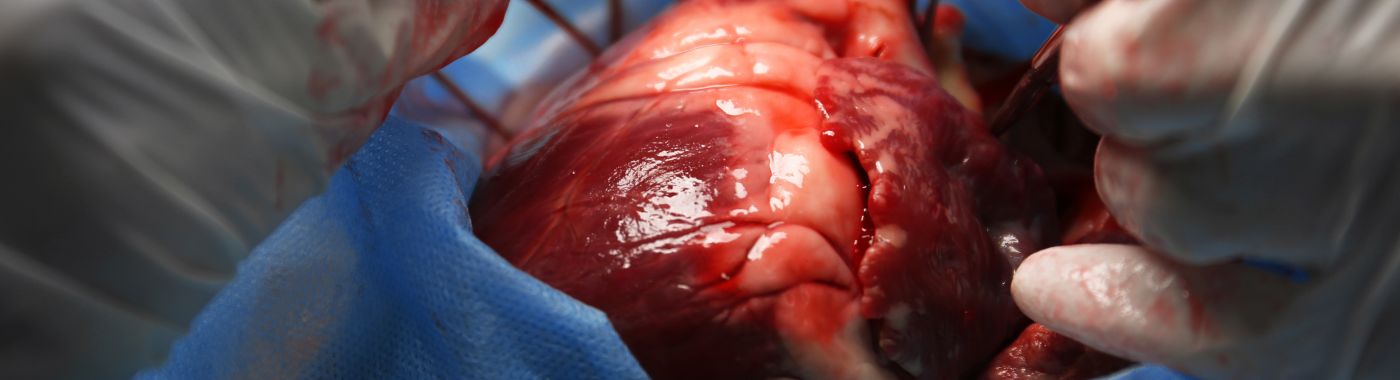
What is Balloon Aortic Valvuloplasty?
Balloon Aortic Valvuloplasty (BAV) is a minimally invasive medical procedure designed to treat aortic stenosis, a condition characterized by the narrowing of the aortic valve opening. This narrowing restricts blood flow from the heart to the rest of the body, leading to various health complications. During the BAV procedure, a thin, flexible tube called a catheter is inserted into a blood vessel, usually in the groin, and guided to the heart. Once in position, a small balloon at the tip of the catheter is inflated within the narrowed aortic valve. This inflation stretches the valve opening, allowing for improved blood flow and alleviating symptoms associated with aortic stenosis.
The primary purpose of Balloon Aortic Valvuloplasty is to relieve symptoms caused by aortic stenosis, such as chest pain, shortness of breath, and fatigue. It is particularly beneficial for patients who are not suitable candidates for surgical aortic valve replacement due to age, comorbidities, or other health issues. BAV can also serve as a temporary measure to stabilize patients awaiting surgical intervention.
Why is Balloon Aortic Valvuloplasty Done?
Balloon Aortic Valvuloplasty is typically recommended for patients experiencing significant symptoms related to aortic stenosis. Aortic stenosis can develop due to age-related calcification of the valve, congenital heart defects, or rheumatic fever. As the condition progresses, patients may experience a range of symptoms, including:
- Pijn op de borst: Often described as a feeling of pressure or tightness, chest pain can occur during physical activity or even at rest.
- Kortademigheid: Patients may find it increasingly difficult to breathe, especially during exertion or when lying flat.
- Vermoeidheid: A general sense of tiredness or lack of energy can be prevalent, making daily activities challenging.
- Duizeligheid of flauwvallen: Reduced blood flow can lead to episodes of lightheadedness or fainting, particularly during physical activity.
The decision to perform Balloon Aortic Valvuloplasty is based on a thorough evaluation of the patient's symptoms, overall health, and the severity of the aortic stenosis. Physicians often use echocardiograms and other imaging techniques to assess the degree of valve narrowing and its impact on heart function. BAV is particularly indicated for patients who are symptomatic and have a high risk of complications from traditional surgical options.
Indications for Balloon Aortic Valvuloplasty
Several clinical situations and diagnostic findings can indicate the need for Balloon Aortic Valvuloplasty. These include:
- Ernstige aortaklepstenose: Patients diagnosed with severe aortic stenosis, characterized by a significant reduction in the aortic valve area (typically less than 1.0 cm²), are prime candidates for BAV, especially if they exhibit symptoms.
- Symptomatische patiënten: Individuals who experience symptoms such as chest pain, shortness of breath, or syncope (fainting) related to aortic stenosis are often recommended for the procedure. The presence of these symptoms indicates that the heart is struggling to pump blood effectively.
- Hoog chirurgisch risico: Patients who are deemed high-risk for traditional surgical aortic valve replacement due to age, comorbidities (such as severe lung disease, kidney dysfunction, or other significant health issues), or previous heart surgeries may benefit from BAV as a less invasive alternative.
- Bridge to Surgery: In some cases, Balloon Aortic Valvuloplasty is performed as a temporary measure to stabilize patients who are awaiting surgical aortic valve replacement. This approach can help alleviate symptoms and improve the patient's condition before undergoing more definitive treatment.
- Acute Heart Failure: Patients presenting with acute heart failure symptoms due to severe aortic stenosis may require immediate intervention. BAV can provide rapid relief of symptoms and improve hemodynamics in these critical situations.
- Palliatieve zorg: For patients with advanced age or significant comorbidities who are not candidates for surgery, BAV may be performed to improve quality of life by alleviating symptoms, even if it does not provide a long-term solution.
In summary, Balloon Aortic Valvuloplasty is a valuable procedure for patients suffering from aortic stenosis, particularly those who are symptomatic and at high risk for surgical intervention. By understanding the indications for this procedure, patients and their families can engage in informed discussions with their healthcare providers about the best treatment options available.
Types of Balloon Aortic Valvuloplasty
While Balloon Aortic Valvuloplasty is primarily a single procedure, there are variations in technique and approach that can be tailored to individual patient needs. These variations may include:
- Standard Balloon Aortic Valvuloplasty: This is the most common approach, where a standard balloon catheter is used to dilate the narrowed aortic valve. The balloon is inflated for a short duration to achieve the desired expansion of the valve.
- Intra-Aortic Balloon Pump (IABP) Support: In some cases, especially in patients with severe heart failure or low cardiac output, an intra-aortic balloon pump may be used in conjunction with BAV. The IABP helps improve blood flow and reduce the workload on the heart during the procedure.
- Transcatheter Aortic Valve Replacement (TAVR) Preparation: In patients who are candidates for TAVR, BAV may be performed as a preparatory step to facilitate the placement of the transcatheter valve. This approach can help ensure that the aortic valve is adequately dilated for the successful deployment of the new valve.
- BAV in Pediatric Patients: In children with congenital aortic stenosis, BAV may be performed using specialized pediatric catheters and balloons designed for smaller anatomy. This approach requires careful consideration of the child's unique anatomical and physiological characteristics.
In conclusion, Balloon Aortic Valvuloplasty is a critical procedure for managing aortic stenosis, particularly in patients who are symptomatic and at high risk for surgical intervention. Understanding the procedure, its indications, and the variations in technique can empower patients and their families to make informed decisions about their heart health. In the next part of this article, we will explore the recovery process after Balloon Aortic Valvuloplasty, including what patients can expect during their healing journey.
Contraindications for Balloon Aortic Valvuloplasty
While balloon aortic valvuloplasty can be a beneficial procedure for many patients with aortic stenosis, certain conditions or factors may render a patient unsuitable for this treatment. Understanding these contraindications is crucial for both patients and healthcare providers.
- Ernstige aortaklepinsufficiëntie: Patients with significant aortic regurgitation may not be ideal candidates for balloon aortic valvuloplasty. This condition can complicate the procedure and lead to poor outcomes.
- Ernstige coronaire hartziekte: Individuals with extensive coronary artery disease may require more comprehensive treatment options, such as coronary artery bypass grafting (CABG), rather than balloon valvuloplasty alone.
- Ongecontroleerd hartfalen: Patients experiencing severe heart failure symptoms that are not well-managed may not tolerate the procedure well. It is essential to stabilize heart failure before considering valvuloplasty.
- Actieve infectie: Any active infection, particularly endocarditis (an infection of the heart valves), can pose significant risks during the procedure. Patients must be free of infections to proceed safely.
- Ernstige perifere vaatziekte: Patients with significant peripheral vascular disease may have difficulty with the catheterization process, which is essential for the procedure. This can increase the risk of complications.
- Anatomische overwegingen: Certain anatomical abnormalities, such as a heavily calcified valve or a very small aortic annulus, may limit the effectiveness of balloon aortic valvuloplasty.
- Algemene gezondheid van de patiënt: A patient's overall health status, including age, comorbidities, and functional capacity, will be assessed. Those with multiple serious health issues may not be suitable candidates.
- Eerdere hartklepoperatie: Patients who have undergone previous surgical interventions on the aortic valve may not be ideal candidates for balloon aortic valvuloplasty due to altered anatomy.
- Inability to Consent: Patients who cannot provide informed consent due to cognitive impairments or other reasons may not be eligible for the procedure.
It is essential for patients to discuss their medical history and any concerns with their healthcare provider to determine if balloon aortic valvuloplasty is a suitable option.
How to Prepare for Balloon Aortic Valvuloplasty
Preparation for balloon aortic valvuloplasty is a critical step in ensuring a successful outcome. Here are the key steps and considerations for patients:
- Overleg met zorgverlener: Before the procedure, patients will have a thorough consultation with their cardiologist or interventional cardiologist. This discussion will cover the procedure, its benefits, risks, and what to expect.
- Medische evaluatie: A comprehensive medical evaluation will be conducted, including a review of the patient’s medical history, current medications, and any existing health conditions. This may involve blood tests, imaging studies, and possibly a cardiac catheterization.
- Pre-procedure testen: Patients may undergo several tests to assess heart function and valve condition. Common tests include:
- Echocardiogram: Deze echografie geeft beelden van de structuur en functie van het hart.
- Elektrocardiogram (ECG): This test measures the heart's electrical activity and can identify any irregularities.
- Chest X-ray: This imaging test helps evaluate the heart and lungs.
- Medicatiebeoordeling: Patiënten moeten hun zorgverlener informeren over alle medicijnen die ze gebruiken, inclusief zelfzorgmedicijnen en supplementen. Sommige medicijnen moeten mogelijk worden aangepast of tijdelijk worden stopgezet vóór de ingreep.
- Instructies voor vasten: Patients are typically advised to refrain from eating or drinking for a specified period before the procedure, usually around 6 to 8 hours. This is important to reduce the risk of complications during sedation.
- Vervoer regelen: Since balloon aortic valvuloplasty is often performed under sedation or anesthesia, patients should arrange for someone to drive them home afterward. It is not safe to drive immediately after the procedure.
- Bespreking van anesthesieopties: Patients will discuss anesthesia options with their healthcare team. Most procedures are done under local anesthesia with sedation, but the specific approach will be tailored to the individual.
- De procedure begrijpen: Patients should take the time to understand the procedure, including what will happen before, during, and after. This knowledge can help alleviate anxiety and prepare them for the experience.
- Zorg na de procedure: Patients should be informed about what to expect after the procedure, including potential symptoms and when to seek medical attention. Having a plan for recovery can ease the transition back to daily life.
By following these preparation steps, patients can help ensure a smoother experience and better outcomes from balloon aortic valvuloplasty.
Balloon Aortic Valvuloplasty: Step-by-Step Procedure
Understanding the step-by-step process of balloon aortic valvuloplasty can help demystify the procedure for patients. Here’s what typically happens before, during, and after the procedure:
- Vóór de procedure:
- Aankomst in het ziekenhuis: Patiënten komen aan bij het ziekenhuis of de polikliniek en melden zich aan. Mogelijk wordt hen gevraagd om een ziekenhuisjas aan te trekken.
- Plaatsing van de IV-lijn: Er wordt een infuus in de arm van de patiënt geplaatst om medicijnen en vocht toe te dienen.
- Monitoring: Patiënten worden tijdens de procedure aangesloten op monitors die de hartslag, bloeddruk en zuurstofniveaus registreren.
- Tijdens de procedure:
- Sedatie: Patients will receive sedation to help them relax. Local anesthesia will be applied to the area where the catheter will be inserted, usually in the groin or wrist.
- Katheter inbrengen: A thin, flexible tube (catheter) is carefully inserted into a blood vessel and guided to the heart using imaging technology, such as fluoroscopy.
- Ballon inflatie: Once the catheter reaches the aortic valve, a small balloon at the tip of the catheter is inflated. This inflation stretches the narrowed valve opening, allowing for improved blood flow.
- Beoordeling: The healthcare team will assess the effectiveness of the balloon dilation. If necessary, the balloon may be inflated multiple times to achieve the desired result.
- Verwijderen van de katheter: After the procedure is complete, the catheter is carefully removed, and pressure is applied to the insertion site to prevent bleeding.
- Na de procedure:
- Herstelruimte: Patients will be taken to a recovery area where they will be monitored for a few hours. Healthcare providers will check vital signs and ensure there are no immediate complications.
- Instructies na de procedure: Zodra de toestand stabiel is, ontvangen patiënten instructies over bewegingsbeperkingen, medicatiebeheer en vervolgafspraken.
- Observation: Patients may need to stay in the hospital for a day or two for observation, especially if they have other health concerns.
- Vervolgzorg: Er wordt een vervolgafspraak ingepland om het succes van de ingreep te beoordelen en het herstel van de patiënt te volgen.
By understanding the procedure's steps, patients can feel more prepared and informed about what to expect during their balloon aortic valvuloplasty.
Risks and Complications of Balloon Aortic Valvuloplasty
Like any medical procedure, balloon aortic valvuloplasty carries certain risks and potential complications. While many patients experience positive outcomes, it is essential to be aware of both common and rare risks associated with the procedure.
Veelvoorkomende risico's:
- bloeden: There is a risk of bleeding at the catheter insertion site, which may require additional treatment.
- Infectie: As with any invasive procedure, there is a risk of infection. Proper sterile techniques are used to minimize this risk.
- Vasculaire complicaties: Damage to blood vessels can occur during catheter insertion, leading to complications such as hematoma (a localized collection of blood outside of blood vessels).
- Aritmieën: Some patients may experience irregular heartbeats during or after the procedure, which are usually temporary and resolve on their own.
- Klepregurgitatie: In some cases, the procedure may lead to worsening aortic regurgitation, which may require further intervention.
Zeldzame risico's:
- Beroerte: There is a small risk of stroke due to embolism (a blockage caused by a blood clot or debris) during the procedure.
- Hartaanval: Hoewel het zelden voorkomt, bestaat de kans dat er tijdens of kort na de procedure een hartaanval optreedt.
- Noodzaak van een operatie: In some cases, balloon aortic valvuloplasty may not provide sufficient relief, necessitating surgical intervention, such as valve replacement.
- Nierletsel: De contrastvloeistof die bij de beeldvorming wordt gebruikt, kan de nierfunctie beïnvloeden, vooral bij patiënten met reeds bestaande nierproblemen.
- Dood: While extremely rare, there is a small risk of mortality associated with the procedure, particularly in patients with significant comorbidities.
It is important for patients to discuss these risks with their healthcare provider to understand their individual risk factors and the potential benefits of balloon aortic valvuloplasty. By being informed, patients can make better decisions regarding their treatment options.
Recovery After Balloon Aortic Valvuloplasty
Recovery from balloon aortic valvuloplasty is generally swift, but it varies from patient to patient. Most individuals can expect to stay in the hospital for one to two days post-procedure. During this time, healthcare providers will monitor your heart function and overall health.
Verwachte hersteltijdlijn:
- Eerste 24 uur: After the procedure, you will be closely monitored in a recovery area. You may experience some discomfort or mild pain at the catheter insertion site, which is normal. Pain management will be provided as needed.
- Dagen-1 2: Once stable, you will be moved to a regular hospital room. You can gradually start to sit up, eat light meals, and engage in gentle activities. Your healthcare team will encourage you to walk short distances to promote circulation.
- Dagen-3 7: Most patients are discharged within a couple of days. At home, you should continue to rest and gradually increase your activity level. Light walking is encouraged, but avoid heavy lifting or strenuous exercise for at least a week.
- Weken 2-4: Follow-up appointments will be scheduled to monitor your recovery. By this time, many patients can return to normal daily activities, including work, depending on their job's physical demands.
- 1 maand en langer: Most patients can resume all normal activities, including exercise, after about four weeks. However, always consult your doctor before starting any new exercise regimen.
Nazorgtips:
- Keep the catheter insertion site clean and dry. Follow your doctor’s instructions on how to care for it.
- Monitor for any signs of infection, such as increased redness, swelling, or discharge at the site.
- Zorg dat u voldoende drinkt en een uitgebalanceerd dieet volgt om uw herstel te bevorderen.
- Attend all follow-up appointments to ensure your heart is functioning well post-procedure.
- Vermijd roken en beperk alcoholgebruik om het herstel te bevorderen.
Benefits of Balloon Aortic Valvuloplasty
Balloon aortic valvuloplasty offers several significant benefits, particularly for patients with aortic stenosis. Here are some key health improvements and quality-of-life outcomes associated with the procedure:
- Symptoomverlichting: Many patients experience a reduction in symptoms such as chest pain, shortness of breath, and fatigue shortly after the procedure. This improvement can lead to a better quality of life.
- Verbeterde hartfunctie: The procedure can enhance the heart's ability to pump blood effectively, which is crucial for overall cardiovascular health. Patients often report feeling more energetic and capable of engaging in daily activities.
- Minimaal invasieve: As a catheter-based procedure, balloon aortic valvuloplasty is less invasive than traditional open-heart surgery. This means a shorter recovery time and reduced risk of complications.
- Tijdelijke oplossing: For some patients, balloon aortic valvuloplasty can serve as a bridge to more definitive treatments, such as valve replacement surgery, especially in high-risk patients.
- Verbeterde mobiliteit: With improved heart function and reduced symptoms, many patients find they can return to physical activities they previously avoided, enhancing their overall lifestyle.
- Kortere ziekenhuisopname: Compared to surgical options, the hospital stay is typically shorter, which can reduce healthcare costs and the emotional burden of prolonged hospitalization.
Balloon Aortic Valvuloplasty vs. Surgical Aortic Valve Replacement
While balloon aortic valvuloplasty is effective, some patients may require surgical aortic valve replacement (SAVR) for more severe cases. Here’s a comparison of the two procedures:
| Kenmerk | Ballon-aortakleplastiek | Chirurgische vervanging van de aortaklep |
|---|---|---|
| Invasiviteit | Minimaal invasieve | invasieve |
| Hersteltijd | Short (1-2 days in hospital) | Langer (5-7 dagen in het ziekenhuis) |
| Symptoomverlichting | tijdelijk | Lange termijn |
| Risico's | Lager risico op complicaties | Hoger risico op complicaties |
| Ideale kandidaten | Patiënten met een hoog risico | Patients with severe aortic stenosis |
| Follow-up zorg | Regelmatig toezicht | Regular monitoring and possible further interventions |
Cost of Balloon Aortic Valvuloplasty in India
The average cost of balloon aortic valvuloplasty in India ranges from ₹1,50,000 to ₹3,00,000. For an exact estimate, contact us today.
FAQs About Balloon Aortic Valvuloplasty
What should I eat after balloon aortic valvuloplasty?
After the procedure, focus on a heart-healthy diet rich in fruits, vegetables, whole grains, and lean proteins. Avoid high-sodium and high-fat foods. Staying hydrated is also essential. Consult your doctor for personalized dietary recommendations.
Hoe lang moet ik na de ingreep medicijnen blijven slikken?
You may be prescribed medications to manage your heart health and prevent complications. The duration will depend on your specific condition and response to the procedure. Regular follow-ups will help determine when you can safely discontinue any medications.
Can I drive after balloon aortic valvuloplasty?
It’s generally advised to avoid driving for at least a week after the procedure. Your ability to drive will depend on how you feel and your doctor’s recommendations. Always prioritize safety and consult your healthcare provider.
Welke activiteiten moet ik vermijden tijdens mijn herstel?
During recovery, avoid heavy lifting, strenuous exercise, and activities that could strain your heart. Light walking is encouraged, but listen to your body and follow your doctor’s advice on resuming normal activities.
Is deze ingreep veilig voor oudere patiënten?
Yes, balloon aortic valvuloplasty can be safe for elderly patients, especially those who are high-risk for traditional surgery. However, each case is unique, and a thorough evaluation by a healthcare provider is essential to determine the best approach.
What signs of complications should I watch for after the procedure?
Watch for signs of infection at the catheter site, such as increased redness, swelling, or discharge. Additionally, report any unusual chest pain, shortness of breath, or dizziness to your healthcare provider immediately.
Hoe lang zal ik in het ziekenhuis?
Most patients stay in the hospital for one to two days after balloon aortic valvuloplasty. Your healthcare team will monitor your recovery and discharge you when it’s safe to do so.
Can children undergo balloon aortic valvuloplasty?
Yes, balloon aortic valvuloplasty can be performed on children with aortic stenosis. Pediatric cases are evaluated individually, and the procedure can be effective in improving heart function in younger patients.
What is the success rate of balloon aortic valvuloplasty?
The success rate of balloon aortic valvuloplasty is generally high, with many patients experiencing significant symptom relief. However, the effectiveness can vary based on individual health conditions and the severity of aortic stenosis.
Moet ik na de ingreep nog vervolgafspraken maken?
Yes, follow-up appointments are crucial to monitor your heart health and ensure the procedure's success. Your doctor will schedule these visits based on your recovery progress and overall health.
Hoe kan ik de pijn na de behandeling beheersen?
Pain management will be provided during your hospital stay. At home, over-the-counter pain relievers may be recommended. Always follow your doctor’s instructions regarding pain management and report any severe pain.
Met welke veranderingen in mijn levensstijl moet ik rekening houden na de behandeling?
After balloon aortic valvuloplasty, consider adopting a heart-healthy lifestyle, including regular exercise, a balanced diet, and avoiding smoking. These changes can significantly improve your heart health and overall well-being.
Kan ik na de ingreep mijn gebruikelijke medicijnen innemen?
You should consult your doctor about your regular medications. Some may need to be adjusted or temporarily stopped after the procedure. Always follow your healthcare provider’s instructions regarding medication management.
What is the difference between balloon aortic valvuloplasty and valve replacement?
Balloon aortic valvuloplasty is a less invasive procedure that temporarily widens the aortic valve, while valve replacement involves surgically removing the damaged valve and replacing it with a new one. The choice depends on the severity of the condition and patient health.
Hoe snel kan ik na de ingreep weer aan het werk?
Many patients can return to work within one to two weeks, depending on their job's physical demands and their recovery progress. Always consult your doctor before resuming work activities.
Is there a risk of the valve narrowing again after balloon valvuloplasty?
Yes, there is a possibility that the aortic valve may narrow again over time. Regular follow-up appointments will help monitor your heart health and determine if further intervention is needed.
What should I do if I experience shortness of breath after the procedure?
If you experience shortness of breath after the procedure, contact your healthcare provider immediately. It could be a sign of complications that need to be addressed promptly.
Zijn er na de ingreep beperkingen aan de lichamelijke activiteit?
Yes, it’s important to avoid heavy lifting and strenuous activities for at least a week after the procedure. Gradually increase your activity level as advised by your healthcare provider.
How can I support my heart health after balloon aortic valvuloplasty?
Support your heart health by maintaining a balanced diet, engaging in regular physical activity, managing stress, and attending all follow-up appointments. These steps can help ensure long-term success after the procedure.
What is the long-term outlook after balloon aortic valvuloplasty?
The long-term outlook after balloon aortic valvuloplasty is generally positive, especially for patients who adopt a heart-healthy lifestyle and attend regular follow-ups. However, individual outcomes can vary based on overall health and the severity of heart conditions.
Conclusie
Balloon aortic valvuloplasty is a valuable procedure for patients suffering from aortic stenosis, offering significant benefits in terms of symptom relief and improved quality of life. Understanding the recovery process, potential benefits, and lifestyle changes can empower patients to make informed decisions about their heart health. If you or a loved one is considering this procedure, it’s essential to speak with a medical professional to discuss your specific situation and explore the best options for your health.


 Beste ziekenhuis bij mij in de buurt in Chennai


