


Được nhóm biên tập Apollo xem xét và đánh giá
Câu trả lời nhanh
Tumour resection is surgery to remove a tumour, usually with a rim of healthy tissue around it. It is used for many cancers and for non-cancerous tumours that cause symptoms or may turn harmful. The operation differs greatly depending on the organ involved, so each type has its own page. For cancer, surgery is often combined with chemotherapy, radiotherapy or other treatment, and the plan is made by a team of specialists.
| Sự kiện chính | Chi Tiết |
|---|---|
| Nó là gì | Surgical removal of a tumour, in whole or in part |
| Được dùng cho | Cancerous (malignant) and non-cancerous (benign) tumours |
| Main aims | Cure, control of the disease, relief of symptoms, or diagnosis |
| Cách tiếp cận | Open, keyhole or robotic, and endoscopic surgery |
| Gây tê | Usually general anaesthesia |
| Thời gian nằm viện và hồi phục | Varies widely with the organ and the size of the operation |
| Được thực hiện bởi | Surgical oncologist or an organ-specific surgeon |
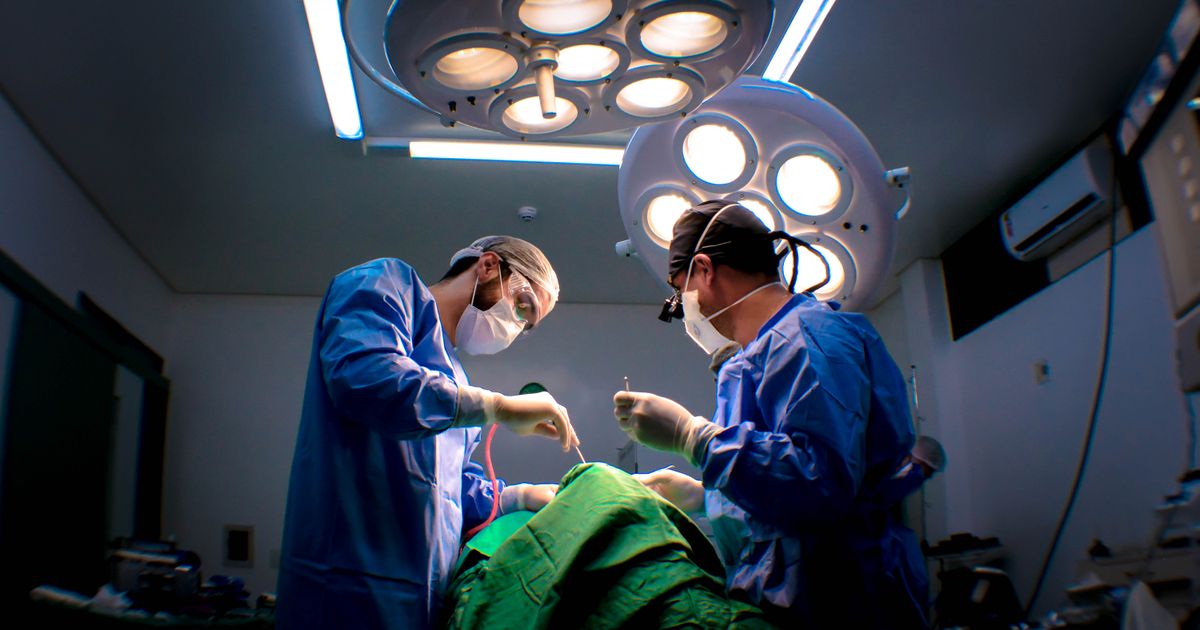
What is tumour resection?
A tumour is a lump formed by cells that grow more than they should. Some are lành tính and do not spread. Others are cancers that can invade nearby tissue and spread to other parts of the body. Resection means cutting out. In a tumour resection, the surgeon removes the tumour and, for cancers, a margin of normal tissue around it. Nearby lymph nodes may be removed too, to check whether the disease has spread.
Other names for tumour resection
- Tumour removal surgery
- Tumour excision
- Cancer surgery or oncosurgery
- Phẫu thuật cắt bỏ
- Tumor resection (American spelling)
Types of tumour resection
Tumour surgery is usually named after the organ or area treated. The table lists common types, with links to the detailed pages.
| Area | Những gì được thực hiện | Khi nó được sử dụng | Tìm hiểu thêm |
|---|---|---|---|
| Brain | The tumour is removed through an opening in the skull or through the nose | Brain and pituitary tumours that can be reached safely | Craniotomy for tumour, Pituitary tumour surgery |
| Brain, in children | Tumour removal planned for a growing child | U não ở trẻ em | Paediatric brain tumour resection |
| Tủy sống | The tumour is freed from the cord and nerves | Tumours pressing on the spinal cord | Spinal cord tumour surgery |
| Xương và mô mềm | The tumour is removed and the limb is rebuilt where possible | Bone tumours and sarcomas | Phẫu thuật cắt bỏ khối u xương, Cắt bỏ khối u sarcoma |
| Chest (mediastinum) | A tumour between the lungs is removed | Thymus and other mediastinal tumours | Mediastinal tumour resection |
| Bọng đái | The tumour is removed through the urine passage with a telescope | Diagnosis and treatment of bladder tumours | TURBT |
| Tụy tạng | The tumour alone, or part of the pancreas, is removed | Hormone-producing and other pancreatic tumours | Pancreatic endocrine tumour resection |
| Gan | The part of the liver holding the tumour is removed | Liver cancer and some tumours that have spread to the liver | Cắt bỏ gan |
| Tuyến thượng thận | The affected adrenal gland is removed | Khối u tuyến thượng thận | Cắt bỏ tuyến thượng thận |
| Vú | The lump or the breast is removed | Ung thư vú | Phẫu thuật ung thư vú |
| Children's tumours | Removal of solid tumours in children | Tumours of the kidney, abdomen and other sites in childhood | Paediatric tumour surgery |
When a cancer cannot be removed completely, the surgeon may remove as much as is safe. This is called debulking surgery.
Why is tumour resection done?
- To cure: when a cancer is confined to one area and can be removed completely
- To control: to reduce the amount of tumour so that other treatments work better
- Để giảm bớt các triệu chứng: such as pain, bleeding, blockage or pressure on an organ
- To diagnose: when removing the lump is the best way to find out what it is
- To prevent harm: for benign tumours that are growing or could become cancerous
Surgery is not right for every tumour. Blood cancers, cancers that have spread widely and tumours in places where removal would cause serious harm are usually treated in other ways, such as hóa trị, xạ trị, liệu pháp nhắm mục tiêu or miễn dịch.
How is tumour resection done in general?
The tumour is first studied with scans such as CT, MRI or a chụp PET-CT, và thường là một sinh thiết. For cancer, a team of surgeons, oncologists, radiologists and pathologists agrees on the plan. Some people have treatment before surgery to shrink the tumour, or afterwards to lower the chance of it returning. See hóa trị bổ trợ và tân bổ trợ.
Theo gây tê, the surgeon reaches the tumour by an open cut, by keyhole or robot surgery, or with an endoscope. The tumour is removed with a margin of healthy tissue where possible, and the area is repaired or reconstructed. A pathologist examines the tissue. The report shows the exact type of tumour and whether the edges are free of tumour cells, which guides further treatment.
Risks of tumour resection
Risks depend on the organ, the size of the operation and your general health. In general they include:
- Bleeding, sometimes needing a blood transfusion
- Infection of the wound or chest
- Cục máu đông ở chân hoặc phổi
- Damage to nearby organs, nerves or blood vessels
- Loss of some function of the organ operated on
- Phản ứng với thuốc gây mê
- Tumour cells left behind, or the tumour coming back later
Recovery after tumour resection
Recovery ranges from a day or two after a small endoscopic procedure to several weeks after major surgery. Follow-up visits and scans are needed to review the pathology report, plan any further treatment and watch for recurrence.
Khi nào cần tìm kiếm trợ giúp y tế
- Sốt hoặc ớn lạnh
- Bleeding, redness, swelling or discharge from the wound
- Pain that is getting worse
- Khó thở hoặc đau ngực
- Đau hoặc sưng ở một chân
- Repeated vomiting, or being unable to eat or drink
What is the cost of tumour resection in India?
Chi phí phụ thuộc vào một số yếu tố:
- The organ involved and the size of the operation
- Open, keyhole, robotic or endoscopic approach
- Need for reconstruction, implants or intensive care
- Scans, biopsy and pathology tests
- Thời gian lưu trú và loại phòng
- Other cancer treatments given before or after surgery
Chi phí có thể khác nhau tùy từng người. Vui lòng liên hệ với bệnh viện để biết giá chính xác.
Health insurance usually covers medically necessary tumour surgery. Check your policy terms before admission.
Why choose Apollo Hospitals for tumour resection?
- Surgical oncologists and organ-specific surgeons working in one team
- Tumour boards where each cancer case is discussed by several specialists
- Imaging, pathology, chemotherapy and radiotherapy services alongside surgery
- Keyhole and robotic surgery at selected centres. Availability differs between centres. Please check with the hospital.
To discuss treatment for a tumour, you can Đặt lịch hẹn với bác sĩ ung bướu. tại Bệnh viện Apollo.
Questions to ask your doctor about tumour resection
- Is my tumour benign or cancerous, and what stage is it?
- Is the aim of surgery to cure, to control or to relieve symptoms?
- Can the whole tumour be removed?
- Will I need treatment before or after surgery?
- How will the operation affect the way the organ works?
- Tôi cần làm gì tiếp theo?
Câu Hỏi Thường Gặp
1. Is tumour resection the same as cancer surgery?
Not always. Tumour resection includes surgery for cancers and for benign tumours.
2. What does a clear margin mean?
The surgeon removes a rim of normal tissue around a cancer. If the pathologist finds no tumour cells at the edge of this tissue, the margin is called clear or negative.
3. Can every tumour be removed by surgery?
No. Some tumours are too widespread, too close to essential structures, or better treated with medicines or radiotherapy.
4. Will I need chemotherapy or radiotherapy after tumour resection?
It depends on the type and stage of the tumour and the pathology report. Many benign tumours need no further treatment. Many cancers are treated with a combination of surgery and other therapy.
5. Can a tumour come back after it is removed?
Yes, some tumours can return in the same place or elsewhere. The risk varies with the type of tumour and how completely it was removed.
6. What is the difference between resection and debulking?
Resection aims to remove the whole tumour. Debulking removes as much as can be done safely when complete removal is not possible, to ease symptoms or help other treatments work.
7. How long does recovery take after tumour resection?
It can be a few days after a small procedure or several weeks after a major operation.
8. Which doctor performs tumour resection?
A surgical oncologist or a surgeon who specialises in the affected organ, such as a neurosurgeon, urologist, orthopaedic oncologist or gastrointestinal surgeon.
Kết luận
Tumour resection is a central part of treatment for many tumours, but the operation is very different from one organ to another. Use the links above to read about the surgery that applies to you, and discuss the aim, risks and follow-up plan with your treating team.
Trang này chỉ cung cấp thông tin chung và không thay thế lời khuyên từ bác sĩ của bạn. Quyết định điều trị nên được đưa ra cùng với chuyên gia có trình độ chuyên môn, người nắm rõ tiền sử bệnh lý của bạn.
Gần đây, thêm


Các chuyên gia ung thư tại Bệnh viện Apollo



Disclaimer:
Thông tin được cung cấp trên trang này chỉ nhằm mục đích cung cấp thông tin và giáo dục chung. Mặc dù chúng tôi nỗ lực hợp lý để đảm bảo thông tin chính xác, đáng tin cậy và được xem xét thường xuyên, nhưng thông tin này không nên được coi là sự thay thế cho lời khuyên, chẩn đoán hoặc điều trị y tế chuyên nghiệp.
Tính phù hợp của một thủ thuật y tế, cùng với lợi ích, rủi ro, sự chuẩn bị, quá trình phục hồi, các biến chứng tiềm ẩn và kết quả mong đợi, có thể khác nhau ở mỗi người. Chuyên gia chăm sóc sức khỏe của bạn sẽ xác định xem một thủ thuật có phù hợp hay không dựa trên tình trạng sức khỏe và tiền sử bệnh lý cá nhân của bạn.
Vui lòng tham khảo ý kiến chuyên gia chăm sóc sức khỏe có trình độ để được tư vấn cá nhân trước khi đưa ra bất kỳ quyết định nào liên quan đến thủ thuật y tế.
Để biết thêm thông tin về cách nội dung y khoa của chúng tôi được tạo ra, xem xét, cập nhật và duy trì, vui lòng đọc [Chính sách biên tập] của chúng tôi.




