


Được nhóm biên tập Apollo xem xét và đánh giá
Câu trả lời nhanh
Pyeloplasty is surgery to repair a blockage where the kidney joins the ureter, the tube that carries urine to the bladder. The surgeon removes or widens the narrow part and rejoins the tube so that urine drains freely. It can be done through an open cut, by laparoscopic (keyhole) surgery or with robotic assistance. It is done in babies, children and adults, and it relieves the blockage in most people.
| Sự kiện chính | Chi Tiết |
|---|---|
| Nó là gì | Repair of a blockage at the junction of the kidney and the ureter |
| Nguyên nhân chính | Ureteropelvic junction (UPJ or PUJ) obstruction causing a swollen kidney |
| Những loại chính | Open, laparoscopic and robotic |
| Gây tê | Gây tê tổng quát |
| Nam vien | About one to a few days, depending on the method and age |
| Stent | A soft internal tube is usually left in place for a few weeks |
| Thu gom | Around two to six weeks, depending on the method |
| Được thực hiện bởi | Urologist or paediatric urologist |
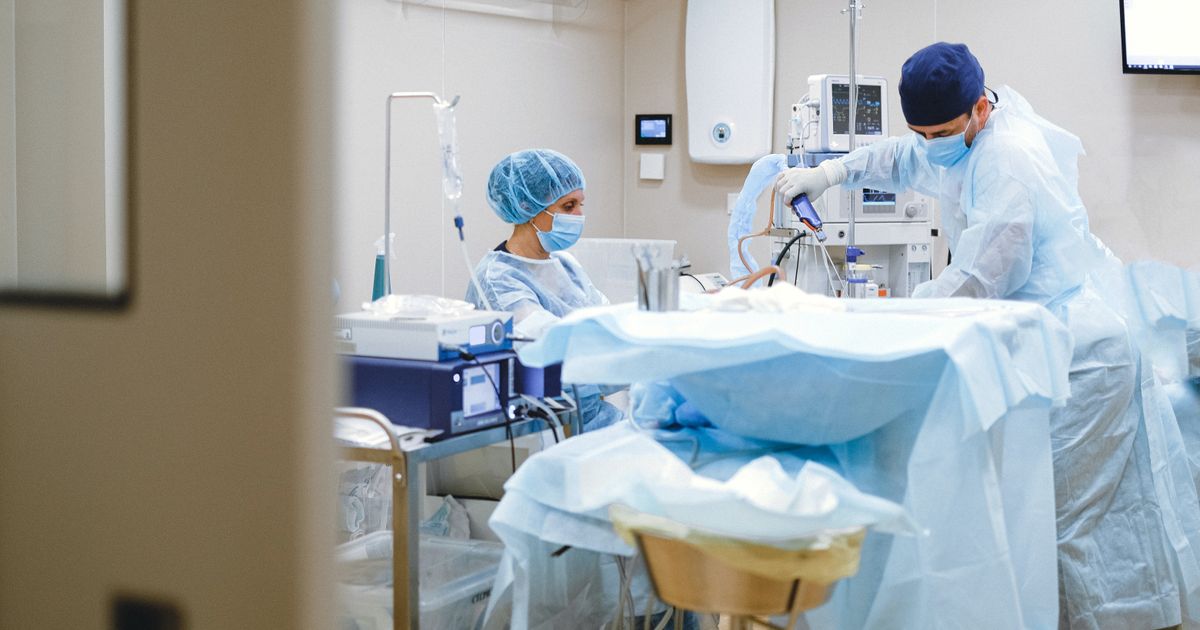
What is pyeloplasty?
Urine made by the kidney collects in a funnel-shaped area called the renal pelvis and then flows down the ureter. If the point where they meet is too narrow, urine backs up and the kidney swells. This is called ureteropelvic junction obstruction, and the swelling is called thận ứ nước.
In pyeloplasty, the surgeon reshapes this junction. In the most common technique, the narrow segment is cut out and the healthy ureter is stitched back to the renal pelvis with a wide opening.
Other names for pyeloplasty
- PUJ repair or UPJ repair
- Dismembered pyeloplasty
- Anderson-Hynes pyeloplasty
- Kidney blockage surgery
- Surgery for PUJ obstruction
Types of pyeloplasty
The repair inside the body is similar in all three methods. What differs is how the surgeon reaches the kidney. Each method has its own detailed page.
| Kiểu | Nó là gì | Khi nó được sử dụng phổ biến | Tìm hiểu thêm |
|---|---|---|---|
| Mở | The repair is done through one cut in the side or upper abdomen | Often in babies and small children, after earlier kidney surgery, or when keyhole surgery is not suitable | Phẫu thuật tạo hình bể thận mở |
| Nội soi | Phẫu thuật nội soi qua một vài vết rạch nhỏ, sử dụng camera và các dụng cụ nhỏ gọn. | Older children and adults who are fit for keyhole surgery | Phẫu thuật nội soi bể thận |
| Robot | Keyhole surgery in which the surgeon controls robotic instruments from a console | Similar cases to laparoscopic surgery; the instruments can make the fine stitching easier | Phẫu thuật bể thận bằng robot |
For children, see also the page on paediatric surgery for PUJ obstruction.
Why is pyeloplasty done?
Not every swollen kidney needs surgery. Mild cases, especially in babies found on pregnancy scans, are often watched with repeat scans. Pyeloplasty is usually advised when:
- Scans show that the kidney is draining poorly or losing function
- The swelling is getting worse over time
- There is repeated pain in the side or back, sometimes after drinking a lot of fluid
- There are repeated nhiễm trùng thận or sỏi thận linked to the blockage
The blockage is most often present from birth. In some people a blood vessel crossing the ureter presses on it, and less often scarring from stones, infection or earlier surgery is the cause. If the kidney is in severe pain or infected, a temporary drain such as a percutaneous nephrostomy may be placed first. If a kidney has already lost almost all its function, removal (cắt thận) may be discussed instead.
How is pyeloplasty done in general?
Before surgery, the kidney is assessed with a siêu âm thận và renal scan that shows how well each kidney works and drains. Some people also need a Chụp CT, along with blood and urine tests. Any urine infection is treated first.
Cuộc phẫu thuật được thực hiện dưới sự giám sát chung. gây tê. The surgeon reaches the kidney through an open cut or by lỗ khóa or robot surgery, removes the narrow segment and joins the ureter to the renal pelvis with fine stitches. A soft tube called a stent is usually placed inside the ureter to protect the join while it heals. The stent is removed some weeks later, usually through a short telescope procedure.
Risks of pyeloplasty
- Urine leaking from the new join, which usually settles with drainage
- Urinary infection or wound infection
- Chảy máu
- Stent discomfort, such as urgency, frequent urination or blood-tinged urine, until the stent is removed
- The blockage returning, which may need a further procedure
- Injury to nearby organs or blood vessels, which is uncommon
- A keyhole operation being changed to an open one for safety
- Hernia at a wound site, blood clots and reactions to anaesthesia
Recovery after pyeloplasty
Most people go home within one to a few days. After laparoscopic or robotic surgery, many return to light work in two to three weeks. After open surgery in adults, recovery often takes four to six weeks. Drink plenty of fluids unless told otherwise, walk daily, and avoid heavy lifting and contact sports until your surgeon agrees. Do not miss the appointment to remove the stent, because a stent left in too long can cause stones and infection. A follow-up ultrasound and renal scan a few months later check that the kidney is draining well.
Khi nào cần tìm kiếm trợ giúp y tế
- Sốt hoặc ớn lạnh
- Severe pain in the side or abdomen that is not eased by the prescribed pain relief
- Chảy máu nhiều hoặc có cục máu đông trong nước tiểu
- Đi tiểu rất ít hoặc không đi tiểu được.
- Redness, swelling or leaking fluid from a wound
- Ói mửa liên tục
- Pain or swelling in one leg, or breathlessness
What is the cost of pyeloplasty in India?
Chi phí phụ thuộc vào một số yếu tố:
- The method used (open, laparoscopic or robotic)
- The age of the patient and any other health conditions
- Scans and tests needed before and after surgery
- Thời gian nằm viện và loại phòng
- Stent placement and its later removal
- Thành phố và bệnh viện
Chi phí có thể khác nhau tùy từng người. Vui lòng liên hệ với bệnh viện để biết giá chính xác.
Health insurance usually covers medically necessary kidney surgery. Check your policy terms before admission.
Why choose Apollo Hospitals for pyeloplasty?
- Urologists experienced in open and keyhole kidney reconstruction
- Paediatric urology and paediatric anaesthesia for babies and children
- Ultrasound, CT and nuclear medicine scans for assessment and follow-up
- Phẫu thuật robot tại một số trung tâm được lựa chọn. Tính khả dụng khác nhau giữa các trung tâm. Vui lòng liên hệ với bệnh viện để biết thêm chi tiết.
To discuss a blocked or swollen kidney, you can đặt lịch hẹn với bác sĩ tiết niệu tại Bệnh viện Apollo.
Questions to ask your doctor about pyeloplasty
- Does my kidney, or my child's kidney, need surgery now, or can it be watched?
- Which type of pyeloplasty do you recommend, and why?
- How well is the affected kidney working at present?
- How long will the stent stay, and how will it be removed?
- What follow-up scans will be needed?
- What happens if the blockage comes back?
Câu Hỏi Thường Gặp
1. Is pyeloplasty a major surgery?
Yes, it is a reconstructive operation on the kidney done under general anaesthesia. With keyhole and robotic methods the cuts are small and recovery is usually quicker than with open surgery.
2. Which type of pyeloplasty is best?
All three methods aim for the same repair. The choice depends on age, body size, previous surgery, the anatomy of the kidney and what is available at the hospital.
3. How successful is pyeloplasty?
Pyeloplasty relieves the blockage in the large majority of patients. A small number have a narrowing again and need further treatment.
4. Why is a stent needed after pyeloplasty?
The stent keeps the new join open and lets urine drain while the tissues heal. It is temporary and is usually removed after a few weeks.
5. Can babies and children have pyeloplasty?
Yes. PUJ obstruction is often found before or soon after birth. Many babies only need monitoring, but those with poor drainage or falling kidney function are treated with pyeloplasty by a paediatric urologist.
6. Quá trình phục hồi mất bao lâu?
Most adults return to light activity in two to three weeks after keyhole or robotic surgery and in four to six weeks after open surgery.
7. Can the blockage come back after pyeloplasty?
It is uncommon, but scar tissue can narrow the join again. A repeat blockage can usually be treated with an endoscopic procedure or a second repair.
8. Which doctor performs pyeloplasty?
A urologist performs pyeloplasty in adults. In babies and children it is done by a paediatric urologist or paediatric surgeon.
Kết luận
Pyeloplasty repairs a blockage at the outlet of the kidney and protects kidney function. It can be done by open, laparoscopic or robotic surgery, and the right method depends on the patient and the surgeon's advice. Read the page for the type suggested to you and discuss the plan with your urologist.
Trang này chỉ cung cấp thông tin chung và không thay thế lời khuyên từ bác sĩ của bạn. Quyết định điều trị nên được đưa ra cùng với chuyên gia có trình độ chuyên môn, người nắm rõ tiền sử bệnh lý của bạn.
Gần đây, thêm


Các bác sĩ chuyên khoa tiết niệu tại Bệnh viện Apollo



Disclaimer:
Thông tin được cung cấp trên trang này chỉ nhằm mục đích cung cấp thông tin và giáo dục chung. Mặc dù chúng tôi nỗ lực hợp lý để đảm bảo thông tin chính xác, đáng tin cậy và được xem xét thường xuyên, nhưng thông tin này không nên được coi là sự thay thế cho lời khuyên, chẩn đoán hoặc điều trị y tế chuyên nghiệp.
Tính phù hợp của một thủ thuật y tế, cùng với lợi ích, rủi ro, sự chuẩn bị, quá trình phục hồi, các biến chứng tiềm ẩn và kết quả mong đợi, có thể khác nhau ở mỗi người. Chuyên gia chăm sóc sức khỏe của bạn sẽ xác định xem một thủ thuật có phù hợp hay không dựa trên tình trạng sức khỏe và tiền sử bệnh lý cá nhân của bạn.
Vui lòng tham khảo ý kiến chuyên gia chăm sóc sức khỏe có trình độ để được tư vấn cá nhân trước khi đưa ra bất kỳ quyết định nào liên quan đến thủ thuật y tế.
Để biết thêm thông tin về cách nội dung y khoa của chúng tôi được tạo ra, xem xét, cập nhật và duy trì, vui lòng đọc [Chính sách biên tập] của chúng tôi.




