


Reviewed by Apollo Editorial Team
Quick answer
Urethroplasty is an open operation to repair a narrowed section of the urethra, the tube that carries urine out of the bladder. The surgeon either removes the scarred segment and joins the healthy ends, or widens the narrow part with a patch of tissue, most often taken from the inner cheek. It gives the most lasting results of all treatments for urethral stricture, but it is a longer operation than stretching or cutting the stricture and needs a catheter for a few weeks afterwards.
| Key facts | Details |
|---|---|
| What it is | Surgical reconstruction of a narrowed or damaged urethra |
| Main reason | Urethral stricture, including strictures that return after dilation or endoscopic cutting |
| Main methods | Removal of the scar with rejoining of the ends; widening with a tissue graft or flap; staged repair |
| Anaesthesia | General or spinal anaesthesia |
| Hospital stay | Usually a few days |
| Catheter afterwards | Usually about two to three weeks, as advised by the surgeon |
| Who performs it | A urologist trained in urethral reconstruction |
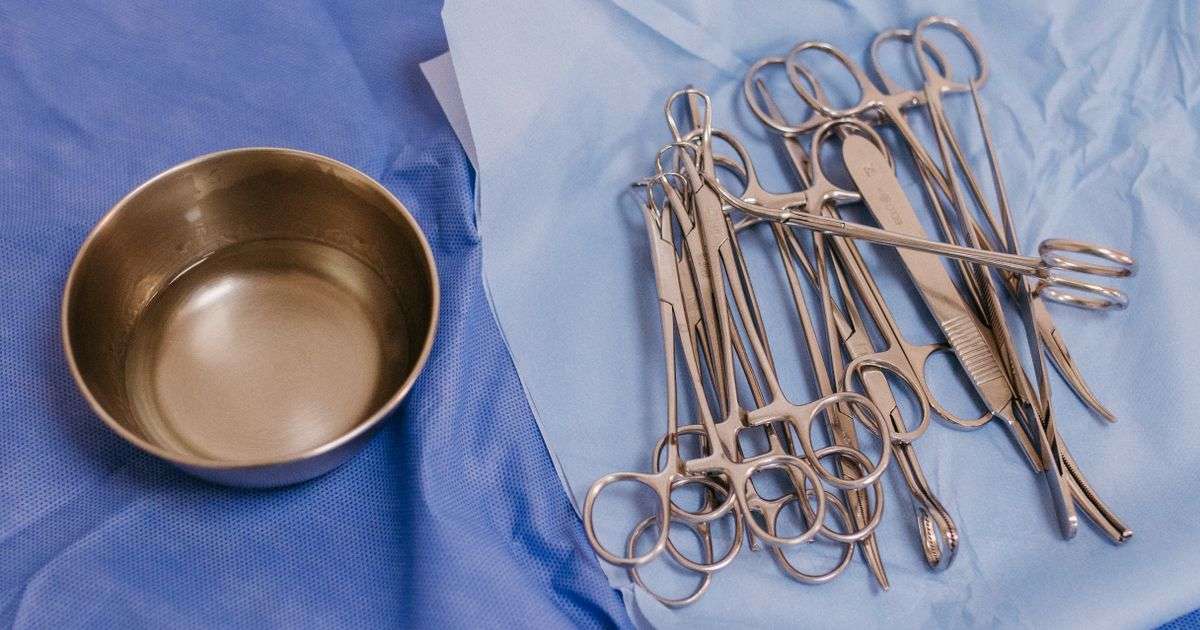
What is urethroplasty?
The urethra is the passage through which urine leaves the bladder. In men it is long and runs through the prostate, the area between the scrotum and the anus (the perineum) and the penis. Injury, infection, inflammation or earlier procedures can leave scar tissue that narrows this passage. The narrowing is called a urethral stricture. It causes a weak or split stream, straining, a feeling that the bladder does not empty, and sometimes repeated infections or a complete block.
Urethroplasty is surgery that rebuilds the narrowed part so that urine can flow freely again. Unlike stretching or cutting the stricture from inside, which leaves the scar in place, urethroplasty either removes the scar or adds new healthy tissue to widen the channel. It is done through a cut in the perineum or on the underside of the penis, depending on where the stricture lies.
Other names for urethroplasty
- Urethral reconstruction
- Urethral stricture surgery
- Open urethral repair
- Buccal mucosal graft (BMG) urethroplasty
- Anastomotic urethroplasty
Why is urethroplasty done?
Your urologist may recommend urethroplasty for:
- A stricture that has come back after dilation or after endoscopic cutting (internal urethrotomy). Repeating those procedures again and again rarely gives a lasting cure and can make the scar longer.
- A long or dense stricture that is unlikely to respond to simpler treatment in the first place.
- Strictures in the penile part of the urethra, where endoscopic treatment tends to fail.
- Urethral injury after a pelvic fracture, usually repaired some months after the accident, once the area has settled.
- Strictures linked to a skin condition called lichen sclerosus, which affects the foreskin, the tip of the penis and the urethra.
- Problems after childhood hypospadias repair, such as narrowing in adult life. Hypospadias is a condition in which the urinary opening is not at the tip of the penis.
- Complications of a stricture, such as urinary retention, repeated urinary infections, bladder stones or back pressure on the kidneys.
Not every weak stream is a stricture. In older men, an enlarged prostate is a far more common cause, and its treatment is different. Tests are needed to confirm the diagnosis before any surgery is planned.
Types of urethroplasty
- Excision and primary anastomosis: The scarred segment is cut out and the two healthy ends are stitched together. This suits short strictures in the bulbar urethra, the part that lies in the perineum.
- Graft (augmentation) urethroplasty: The narrow segment is opened along its length and a patch of tissue is stitched in to widen it. The patch is usually the lining of the inner cheek, called buccal mucosa, because it is strong, used to being wet and heals well.
- Staged urethroplasty: For complex strictures, the repair is done in two operations some months apart. In the first, the urethra is opened and a graft is laid down. In the second, the graft is rolled into a tube.
- Posterior urethroplasty: Repair of a gap in the urethra near the prostate after a pelvic fracture, by removing the scar and rejoining the ends.
- Perineal urethrostomy: Not a reconstruction, but an option for some men with very long or complex strictures. A new permanent opening for urine is made in the perineum, and the man sits to pass urine.
Urethroplasty compared with other stricture treatments
| Feature | Urethral dilation | Internal urethrotomy | Urethroplasty |
|---|---|---|---|
| What is done | The stricture is stretched with rods or a balloon | The stricture is cut from inside using a scope | The scar is removed or the channel is widened with new tissue |
| Skin cut | No | No | Yes |
| Hospital stay | Day care | Day care or one night | A few days |
| Catheter | None or a few days | A few days | About two to three weeks |
| Chance of the stricture returning | High | High, and higher with each repeat | Low for most stricture types |
| Usually suits | People who are unfit for or do not want surgery | A first, short stricture in the bulbar urethra | Recurrent, long or complex strictures |
Who is suitable for urethroplasty?
Urethroplasty is generally suitable for people who:
- Have a stricture confirmed on imaging or scope examination, with troublesome symptoms or complications.
- Have had the stricture return after one or more endoscopic treatments.
- Are fit enough for an operation lasting a few hours under anaesthesia.
Who may not be suitable, or may need another plan
- People with serious heart, lung or other illness that makes a long anaesthetic unsafe.
- People with an untreated urinary tract infection, which must be cleared first.
- People whose cheek lining is unhealthy, for example from heavy tobacco chewing, as it may not be usable for a graft. Another graft site may be chosen.
- People with very long strictures, earlier radiation to the area or several failed repairs, in whom results are less certain. A staged repair or perineal urethrostomy may be discussed.
How to prepare for urethroplasty
Tests before surgery
- A retrograde urethrogram, an X-ray taken while dye is passed into the urethra, to show the position and length of the stricture.
- A scope examination of the urethra (cystourethroscopy), in some cases.
- A urine flow test, and an ultrasound to check how well the bladder empties and whether the kidneys are affected.
- A urine culture, so that any infection is treated before surgery.
- Blood tests, including kidney function tests, and an ECG or other fitness checks if needed.
The urethra is often rested for some weeks before imaging and surgery. This means no dilation or self-catheterisation, so that the true extent of the stricture shows. If you cannot pass urine during this time, a tube may be placed into the bladder through the lower abdomen (a suprapubic catheter).
Medicines to discuss
- Blood thinners and medicines that affect clotting. Do not stop them yourself. Your doctors will tell you what to do.
- Allergies to antibiotics, anaesthetic medicines or latex.
On the day and before
- Stop smoking and chewing tobacco as early as you can. Both slow healing, and chewing tobacco damages the cheek lining needed for a graft.
- Keep your mouth clean. You may be given a mouthwash to use.
- Follow the fasting instructions from the anaesthesia team.
How is urethroplasty performed?
The operation usually takes two to four hours, depending on the type of repair.
- Anaesthesia: You are given a general or spinal anaesthetic. The types of anaesthesia are explained beforehand. Antibiotics are given to lower the risk of infection.
- Exposing the urethra: A cut is made in the perineum or on the underside of the penis, and the urethra is carefully freed from the surrounding tissue.
- Finding the stricture: The narrow segment is identified, often with the help of a scope or a soft catheter, and opened.
- Repair: For a short stricture, the scar is removed and the healthy ends are joined with fine dissolving stitches. For a longer one, a strip of lining is taken from inside the cheek, thinned and stitched into the opened urethra as a patch. The cheek heals on its own or is closed with dissolving stitches.
- Catheter: A soft catheter is left in the urethra to act as a splint and drain urine while the repair heals. Some people also have a suprapubic catheter.
- Closure: The tissue layers and skin are closed with dissolving stitches.
What happens after the operation?
You wake up in the recovery area and are moved to the ward once you are stable. Pain is usually moderate and controlled with regular pain relief. If a cheek graft was taken, your mouth will feel sore and tight for some days. You start with liquids and soft food and are shown how to rinse your mouth.
Nurses help you to walk within a day. Most people go home in a few days with the catheter in place, after being taught how to look after it.
Risks and complications of urethroplasty
Common and usually temporary
- Bruising, swelling and discomfort in the perineum or scrotum.
- Soreness, tightness or numbness in the mouth where the graft was taken. This usually improves over weeks.
- Dribbling of a few drops of urine after passing urine.
- Temporary numbness or tingling in the legs from the position during surgery.
Less common
- Wound infection or urinary infection.
- Bleeding or a collection of blood under the wound.
- Changes in erections or ejaculation. In most men these recover over some months, but a small number have lasting change, particularly after repair of pelvic fracture injuries.
- Return of the stricture, which may need a further procedure.
Uncommon
- A leak of urine through the wound, or an abnormal channel to the skin (fistula).
- Bending or slight shortening of the penis, mainly after some repairs in the penile urethra.
- Blood clots in the legs, and problems related to anaesthesia.
Results: how well does urethroplasty work?
Urethroplasty has the highest long-term success of the available treatments for urethral stricture. Most people pass urine with a strong stream afterwards and do not need further procedures. Results are best for short strictures in the bulbar urethra treated by removing the scar and rejoining the ends.
Success is somewhat lower for long strictures, strictures in the penile urethra, those caused by lichen sclerosus, and repairs after earlier failed surgery or radiation. A stricture can return even years later, so follow up matters.
Recovery after urethroplasty
- First two weeks: Rest, short walks and no heavy lifting. Sit on a soft cushion and avoid sitting for long periods. Keep the wound clean and dry as advised.
- Catheter removal: At about two to three weeks, an X-ray with dye is usually done to check that the repair has healed with no leak. If it has, the catheter is removed.
- Return to work: Desk work is often possible after two to three weeks. Physical jobs need longer.
- Activities to delay: Cycling, horse riding and anything that puts pressure on the perineum should wait for about three months. Ask your surgeon when sexual activity can resume. It is usually a few weeks after the catheter comes out.
- Follow up: Visits with flow tests, and sometimes a scope check, over the first year and at intervals after that.
When to seek medical help
- Fever or chills.
- Increasing pain, redness, swelling or discharge from the wound.
- The catheter stops draining, falls out or leaks heavily around the side.
- Heavy bleeding from the wound, the urethra or the mouth.
- After catheter removal, a stream that becomes weak again or inability to pass urine.
Life after urethroplasty
- Watch your stream. A slow return of weak flow, straining or infections should be reported early, not after it becomes severe.
- Keep your follow up appointments even if you feel well.
- Tell any doctor or nurse who plans to pass a catheter or scope that you have had a urethroplasty, so that a suitable size is used with care.
- To reduce dribbling after passing urine, press gently upwards behind the scrotum to empty the last drops.
- If you had lichen sclerosus, continue the skin care and reviews your doctor advises.
Benefits of urethroplasty
- The best chance of a lasting cure for urethral stricture.
- Freedom from repeated dilations, repeated endoscopic procedures or regular self-catheterisation.
- A stronger stream and better bladder emptying.
- Lower risk of the infections, stones and kidney problems that come with long-standing blockage.
What is the cost of urethroplasty in India?
The cost depends on several factors:
- The type of repair and whether a graft is needed.
- Whether the surgery is done in one stage or two.
- The length and position of the stricture and any previous surgery.
- Length of hospital stay and room category.
- City and hospital, and other health conditions that need extra care.
Costs vary from person to person. Please check with the hospital for actual prices.
Health insurance usually covers urethroplasty when it is medically necessary, but check the terms of your policy with your insurer.
Why choose Apollo Hospitals for urethroplasty?
- Urology teams that assess and treat urethral stricture, from first diagnosis to reconstruction.
- Imaging, including urethrography, and laboratory services on site.
- Anaesthesia and nursing teams experienced in the care of people after urological surgery.
- Structured follow up after surgery to pick up any recurrence early.
- Availability differs between centres. Please check with the hospital.
To discuss your symptoms and options, you can book an appointment with a urologist at Apollo Hospitals.
Related reading
Questions to ask your doctor about urethroplasty
- Where is my stricture, how long is it and what caused it?
- Which type of urethroplasty do you recommend for me, and why?
- Will I need a graft from my cheek?
- What are the chances of the stricture returning in my case?
- How might the surgery affect erections and ejaculation?
- How long will I have the catheter?
- When can I return to work, exercise and sexual activity?
- What follow up will I need, and for how long?
FAQs
1. Is urethroplasty a major operation?
Yes. It is an open operation lasting a few hours under anaesthesia, with a hospital stay of a few days and a catheter for some weeks. Serious complications are uncommon.
2. How long does urethroplasty take?
Usually two to four hours. Staged and complex repairs can take longer.
3. Is urethroplasty painful?
You feel nothing during surgery. Afterwards, pain in the perineum is usually moderate and settles over one to two weeks with regular pain relief.
4. Why is tissue taken from the cheek?
The inner cheek lining is tough, hairless and suited to a wet environment, and it heals quickly. This makes it a good patch for widening the urethra.
5. Will taking the graft affect eating or speaking?
The mouth is sore and tight for some days, and soft food is easier at first. Most people eat and speak normally within a few weeks.
6. How long will I have a catheter?
Usually about two to three weeks. It is removed after an X-ray shows that the repair has healed.
7. Can the stricture come back after urethroplasty?
It can, but this is much less likely than after dilation or internal urethrotomy. The risk is higher with long or complex strictures.
8. Does urethroplasty affect sexual function?
Some men notice changes in erections or ejaculation in the first months, and most recover. Lasting change is uncommon. Ask your surgeon about the risk for your type of repair.
9. Does urethroplasty affect fertility?
The operation does not involve the testicles or sperm production. Changes in the force of ejaculation can occur in some men. Discuss this with your surgeon if you plan to have children.
10. Is urethroplasty better than internal urethrotomy?
For a first, short bulbar stricture, urethrotomy is a reasonable start. For recurrent, long or penile strictures, urethroplasty gives far more lasting results.
11. When can I return to work?
Desk work is often possible after two to three weeks. Jobs involving lifting, cycling or long hours of sitting may need more time.
12. Can women have urethroplasty?
Yes. Strictures in women are rare, but when they occur, reconstruction with a graft or flap can be offered by surgeons experienced in this repair.
13. What if I am not fit for urethroplasty?
Options include occasional dilation, intermittent self-catheterisation, a long-term suprapubic catheter or perineal urethrostomy. Your urologist will explain what suits you.
14. Which doctor performs urethroplasty?
A urologist performs urethroplasty. Complex repairs are usually done by urologists with additional training in urethral reconstruction.
Conclusion
Urethroplasty rebuilds a narrowed urethra and offers the most lasting relief from urethral stricture. It asks more of the patient at the start than dilation or endoscopic cutting, with a longer operation, a catheter for a few weeks and a period of restricted activity, but most people do not need further treatment afterwards. The right repair depends on the length, position and cause of the stricture, so a careful assessment with a urologist is the first step.
This page is for general information and does not replace advice from your doctor. Treatment decisions should be made with a qualified specialist who knows your medical history.
Recently Added


Urologists at Apollo Hospitals



Disclaimer:
The information provided on this page is intended for general informational and educational purposes only. While we make reasonable efforts to ensure that the information is accurate, reliable, and regularly reviewed, it should not be considered a substitute for professional medical advice, diagnosis, or treatment.
The suitability of a medical procedure, along with its benefits, risks, preparation, recovery, potential complications, and expected outcomes, may vary from person to person. Your healthcare professional will determine whether a procedure is appropriate based on your individual condition and medical history.
Please consult a qualified healthcare professional for personalized advice before making decisions regarding any medical procedure.
For more information about how our medical content is created, reviewed, updated, and maintained, please read our [Editorial Policy].
Disclaimer: This information is for educational purposes only and not a substitute for professional medical advice. Always consult your doctor for medical concerns.




