


Reviewed by Apollo Editorial Team
Quick answer
Debulking surgery is an operation to remove as much of a cancer as can safely be taken out when removing every trace may not be possible. Doctors also call it cytoreductive surgery. It is used most often for advanced ovarian cancer and for cancers that have spread over the lining of the abdomen, and in a different form for some brain tumours and hormone-producing tumours. Leaving less tumour behind helps chemotherapy or radiotherapy work better and can relieve symptoms, but it does not help in every cancer.
| Key facts | Details |
|---|---|
| What it is | Surgery to remove most or all visible tumour |
| Medical name | Cytoreductive surgery |
| Most common use | Advanced ovarian, fallopian tube and peritoneal cancers |
| Other uses | Selected appendix and bowel cancers spread within the abdomen, some brain tumours, neuroendocrine tumours and sarcomas |
| Anaesthesia | General anaesthesia |
| Duration | Usually several hours, depending on the extent of disease |
| Usually combined with | Chemotherapy before or after surgery, and sometimes radiotherapy |
| Who performs it | Surgical oncologist, gynaecological oncologist or neurosurgeon, depending on the cancer |
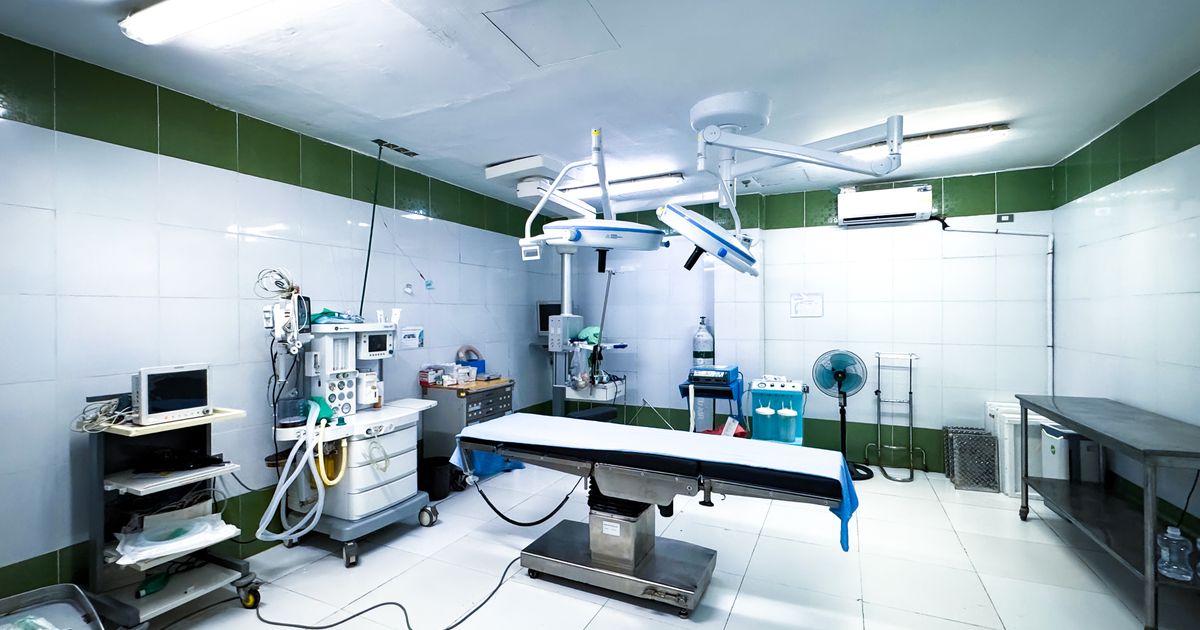
What is debulking surgery?
In most cancer operations the aim is to remove the whole tumour with a rim of healthy tissue around it. Sometimes this is not possible. The cancer may have spread as many deposits across the surfaces inside the abdomen, or it may be growing into a part of the body that cannot be removed without serious harm. In these situations the surgeon removes as much tumour as is safely possible. This is debulking.
The word describes a goal, not one fixed operation. The organs and tissues removed differ from person to person and are decided by where the disease is found. The less tumour that remains, the better other treatments tend to work, because medicines and radiation act more effectively on small amounts of disease than on large masses.
This page explains the term in plain language across different cancers. The technical details of the abdominal operation are covered on our cytoreductive surgery page, and the ovarian operation on the ovarian cancer surgery page.
Other names for debulking surgery
- Cytoreductive surgery or cytoreduction (CRS)
- Tumour debulking
- Primary debulking surgery and interval debulking surgery
- Optimal debulking
- Maximal safe resection (the term used for brain tumours)
Why is debulking surgery done?
- To make other treatment more effective: In cancers that respond well to chemotherapy, removing the bulk of the tumour first, or after a few cycles, improves results.
- To extend life: In advanced ovarian cancer, people who have no visible tumour left after surgery live longer on average than those with larger amounts left.
- To relieve symptoms: Removing large masses can ease pain, pressure, bloating and blockage.
- To control hormone effects: In some neuroendocrine tumours, reducing the tumour reduces the hormones it releases.
Cancers in which debulking is used
| Cancer | What debulking involves | How well established it is |
|---|---|---|
| Ovarian, fallopian tube and primary peritoneal cancer | Removal of the womb, ovaries, the fatty apron called the omentum, and all visible deposits. Sometimes part of the bowel. | A standard part of treatment, combined with chemotherapy |
| Pseudomyxoma peritonei and appendix cancer spread within the abdomen | Removal of affected abdominal lining and organs, often followed by heated chemotherapy in the abdomen | Established for selected patients at experienced centres |
| Bowel cancer with limited spread to the abdominal lining | Removal of the bowel tumour and deposits | Offered to carefully selected patients. The added benefit of heated chemotherapy is still debated. |
| Glioma and some other brain tumours | Removal of as much tumour as possible without damaging important brain areas | Standard, usually followed by radiotherapy and medicines |
| Neuroendocrine tumours spread to the liver | Removal of the main tumour and most liver deposits | Used in selected patients, mainly to control symptoms |
| Soft tissue sarcoma inside the abdomen and some kidney cancers | Removal of the main mass | Decided case by case |
For most other cancers that have spread widely, debulking has not been shown to help, and treatment with medicines is preferred. If a doctor suggests removing only part of a tumour, ask what benefit is expected and what the evidence is for your type of cancer.
Types of debulking surgery
- Primary debulking: Surgery is the first treatment, followed by chemotherapy.
- Interval debulking: A few cycles of chemotherapy are given first to shrink the disease, then surgery, then more chemotherapy. This is chosen when the disease is too extensive to remove safely at the start or when the person is not yet fit for a long operation.
- Secondary debulking: A further operation when cancer returns after a long gap. It helps only selected people in whom all the returned disease can be removed.
- Debulking with HIPEC: After the visible tumour is removed, heated chemotherapy is washed through the abdomen during the same operation. See hyperthermic intraperitoneal chemotherapy (HIPEC). It is used for selected cancers only.
Surgeons describe the result by what is left. Complete cytoreduction means no visible tumour remains. Optimal debulking means only very small deposits remain. Suboptimal means larger deposits could not be removed. For people in whom surgery is not suitable, other options such as PIPAC may be discussed at some centres.
Who is suitable, and who may not be?
Debulking is considered when the cancer type is one in which it is known to help, when scans suggest that all or nearly all visible disease can be removed, and when you are fit enough for a long operation.
It may not be advised if:
- The disease involves areas that cannot be cleared, such as extensive small bowel involvement or many deposits deep in the liver or lungs
- Heart, lung or kidney problems, poor nutrition or frailty make major surgery too risky
- The cancer is growing despite chemotherapy
- The type of cancer is one where debulking has not been shown to improve survival or comfort
The decision is usually made by a tumour board that includes surgeons, medical oncologists, radiologists and pathologists.
How to prepare
Tests
- A CT scan, and sometimes an MRI or PET-CT scan, to map the disease
- Blood tests, including tumour markers such as the CA-125 test in ovarian cancer
- A biopsy to confirm the cancer type
- Sometimes a keyhole look inside the abdomen to judge whether the disease can be removed
- Heart and lung checks and a pre-anaesthetic assessment
Building up before surgery
Good nutrition, daily walking, breathing exercises and stopping tobacco all lower the risk of complications. Low haemoglobin may be corrected before surgery. If a large amount of fluid has collected in the abdomen (ascites), it may be drained for comfort.
Medicines to discuss
Tell your team about all medicines and supplements. Blood thinners and diabetes medicines often need adjusting. Do not stop them yourself.
On the day
Follow the fasting and bowel preparation instructions given to you. You will be asked to consent to the possible removal of any organ found to be involved, and to a possible stoma, because the full extent is often clear only during surgery.
How is debulking surgery performed?
The steps below describe an abdominal debulking operation, which is the most common kind.
- Anaesthesia: General anaesthesia is given, often with an epidural or nerve block for pain control afterwards.
- Incision: A long cut is made down the middle of the abdomen so that every area can be examined.
- Assessment: The surgeon inspects all the surfaces and organs and judges how much disease there is and whether it can be cleared.
- Removing the tumour: Involved organs and tissues are removed. In ovarian cancer this usually means the womb (hysterectomy), both tubes and ovaries (salpingo-oophorectomy) and the omentum. Affected abdominal lining, a segment of bowel (colectomy), the spleen or enlarged lymph nodes (lymphadenectomy) may also be removed.
- Rejoining the bowel: If bowel is removed, the ends are joined. Occasionally a temporary or permanent stoma is needed.
- Heated chemotherapy: In selected cases, HIPEC is given at this point.
- Closure: Drains are placed and the abdomen is closed.
For a brain tumour, debulking is done by a neurosurgeon through an opening in the skull, using imaging guidance and sometimes brain mapping to protect speech and movement. Details are on our brain tumour surgery page.
What happens afterwards?
After a major abdominal debulking you are usually cared for in an intensive care or high dependency unit for a day or two. You will have a drip, a urine catheter, drains and good pain control. Blood thinning injections and leg stockings are used to prevent clots. You start with sips of fluid and move to food as the bowel recovers. Physiotherapists help you to breathe deeply and to walk from the first day. Hospital stay is commonly about a week and can be longer after extensive surgery.
Risks and complications
Debulking is major surgery, and the risk rises with the number of organs removed.
More common
- Pain, tiredness and a slow return of bowel function
- Wound infection
- Chest infection
- Blood loss that needs transfusion
- Fluid collections in the abdomen or around the lungs
Less common but serious
- Leak from a bowel join, which may need another operation
- Blood clots in the legs or lungs (deep vein thrombosis)
- Injury to the bladder, ureter or bowel
- The need for a stoma
- Later bowel blockage from scar tissue (intestinal obstruction)
- Heart, lung or kidney complications, and rarely death
Removal of both ovaries before the menopause causes sudden menopause and loss of fertility. Sometimes the surgeon finds that the disease cannot be removed, and the operation is ended early. This is disappointing, but it avoids harm from surgery that would not help.
Results: how well does it work?
In advanced ovarian cancer, the amount of tumour left after surgery is one of the strongest factors linked to survival, and the best results are seen when no visible disease remains. Even then the cancer often returns, and further treatment is commonly needed over the years. In pseudomyxoma peritonei, complete removal can give long-term control in many people. In brain tumours such as glioma, removing more tumour safely is linked with longer survival, but it is rarely a cure on its own.
Debulking is not a cure by itself. It is one part of a plan, and its benefit depends on the cancer type, how much could be removed, and how the remaining disease responds to other treatment.
Recovery
- In hospital: About a week in most cases.
- First six weeks: Rest with daily walking. Eat small, frequent meals rich in protein. Avoid lifting heavy objects.
- Six to twelve weeks: Energy returns slowly. Many people return to light work in this period.
- Further treatment: Chemotherapy usually starts or resumes a few weeks after surgery, once you have healed.
When to seek medical help
- Fever or chills
- Increasing abdominal pain or swelling
- Repeated vomiting, or no wind or stool passed for more than a day or two
- Redness, discharge or opening of the wound
- Calf pain or swelling, chest pain or breathlessness
- Heavy vaginal bleeding or foul-smelling discharge
Life after debulking surgery
- Keep all follow-up visits, which include examination, blood tests and scans when needed
- Eat a balanced diet and ask to see a dietitian if you are losing weight
- Build up activity gradually. Walking is the best start.
- If you have a stoma, a stoma nurse will teach you how to care for it
- Menopause symptoms after removal of the ovaries can be treated. Discuss the options with your doctor.
- Fear of recurrence and low mood are common. Counselling and support groups can help.
Benefits
- Reduces the amount of cancer that other treatments have to deal with
- Linked with longer survival in ovarian cancer and some other cancers
- Can relieve pain, bloating and blockage
- Provides tissue for accurate diagnosis and for tests that guide medicines
What is the cost of debulking surgery in India?
The cost depends on:
- The type of cancer and the number of organs operated on
- The length of the operation and whether HIPEC is added
- Intensive care and total days in hospital
- Blood products, scans and pathology tests
- Room category
- Treatment of any complications, and chemotherapy before or after surgery
Costs vary from person to person. Please check with the hospital for actual prices.
Most health insurance policies cover medically necessary cancer surgery. Confirm the details with your insurer before admission.
Why choose Apollo Hospitals for debulking surgery?
- Surgical, gynaecological and neurosurgical cancer teams who assess whether debulking is likely to help before recommending it
- Tumour board review of each case, with chemotherapy and surgery planned together
- Intensive care, anaesthesia, blood bank and imaging support for long operations
- Dietitians, physiotherapists and stoma care nurses involved in recovery
- Specialised services such as HIPEC and PIPAC are not offered at every hospital. Availability differs between centres. Please check with the hospital.
To discuss whether this surgery is right for you, book an appointment with a cancer specialist at Apollo Hospitals.
Related reading
Questions to ask your doctor about debulking surgery
- What is the aim of surgery in my case: cure, longer control or relief of symptoms?
- Do you expect to remove all the visible tumour?
- Should I have chemotherapy first and surgery later?
- Which organs might need to be removed?
- What is the chance that I will need a stoma?
- Is HIPEC advised for me, and what is the evidence?
- How long will I be in hospital and in intensive care?
- What happens if the tumour cannot be removed during the operation?
- When will my next treatment start?
FAQs
1. Is debulking surgery the same as cytoreductive surgery?
Yes. Debulking is the everyday word and cytoreductive surgery is the medical term. Both mean removing as much tumour as possible.
2. Does debulking surgery cure cancer?
Usually not on its own. It is combined with chemotherapy or other treatment. In some conditions, complete removal gives long-term control, but recurrence is possible.
3. What does optimal debulking mean?
It means that only very small deposits of tumour, or none that can be seen, are left at the end of the operation. The best outcome is no visible disease.
4. Why would I have chemotherapy before surgery?
If scans show that the disease cannot be removed safely at the start, or if you are too unwell for a long operation, a few cycles of chemotherapy can shrink the tumour and make surgery safer. Results are similar to surgery first in suitable patients.
5. How long does the operation take?
Abdominal debulking commonly takes several hours. The time depends on how widespread the disease is and whether HIPEC is added.
6. Will I need a stoma?
Most people do not. A stoma is needed only if a section of bowel is removed and cannot be joined safely. It is often temporary.
7. Is debulking done for all advanced cancers?
No. It helps in a limited number of cancers. For many cancers that have spread widely, removing part of the tumour adds risk without benefit.
8. Can debulking be done by keyhole surgery?
Most abdominal debulking needs an open operation so that every surface can be examined and cleared. Keyhole surgery is used mainly to assess the disease beforehand and in a few selected cases.
9. What is HIPEC and will I need it?
HIPEC is heated chemotherapy circulated in the abdomen straight after debulking. It is advised for certain cancers only, and your team will tell you whether it applies to you.
10. How long is the recovery?
Expect about a week in hospital and six to twelve weeks before you feel close to your usual strength. Recovery is longer after very extensive surgery.
11. When does chemotherapy start after surgery?
Usually within a few weeks, once the wound has healed and you are eating and moving well.
12. Can the surgery be repeated if the cancer returns?
Sometimes. A second operation is considered when the cancer returns after a long interval, is limited in extent and can be removed completely.
13. Will I be able to have children afterwards?
Standard debulking for ovarian cancer removes the womb and both ovaries, so pregnancy is not possible afterwards. If fertility matters to you, raise it before treatment begins.
14. Which doctor performs debulking surgery?
A surgical oncologist or gynaecological oncologist performs abdominal debulking. A neurosurgeon performs debulking of brain tumours.
Conclusion
Debulking surgery removes as much cancer as can safely be removed so that other treatments have less disease to work on. It has a clear role in ovarian cancer and a few other cancers, and little or none in many others. It is a major operation with real risks, so the decision should be made with a specialist team that can tell you honestly what it is expected to achieve for you.
This page is for general information and does not replace advice from your doctor. Treatment decisions should be made with a qualified specialist who knows your medical history.
Recently Added


Cancer Specialists at Apollo Hospitals


Disclaimer:
The information provided on this page is intended for general informational and educational purposes only. While we make reasonable efforts to ensure that the information is accurate, reliable, and regularly reviewed, it should not be considered a substitute for professional medical advice, diagnosis, or treatment.
The suitability of a medical procedure, along with its benefits, risks, preparation, recovery, potential complications, and expected outcomes, may vary from person to person. Your healthcare professional will determine whether a procedure is appropriate based on your individual condition and medical history.
Please consult a qualified healthcare professional for personalized advice before making decisions regarding any medical procedure.
For more information about how our medical content is created, reviewed, updated, and maintained, please read our [Editorial Policy].
Disclaimer: This information is for educational purposes only and not a substitute for professional medical advice. Always consult your doctor for medical concerns.




