1066

Ovulation Calculator

icon
Your Due Date is
--
Fertile Window --
Next Period --
Pregnancy Test --
Note: Only about 4% of babies are born on their exact due date. This calculation assumes a 40-week (280 day) gestation.

Ovulation Tracker

Estimate Your Fertile Window and Ovulation Date Online
Use Apollo Hospitals' Ovulation Calculator to estimate when ovulation is likely to occur during your menstrual cycle. Knowing your fertile window can help if you are planning a pregnancy or simply wish to understand your reproductive health better.
The calculator uses details such as the first day of your last menstrual period (LMP) and your average cycle length to estimate your most fertile days and likely ovulation date.
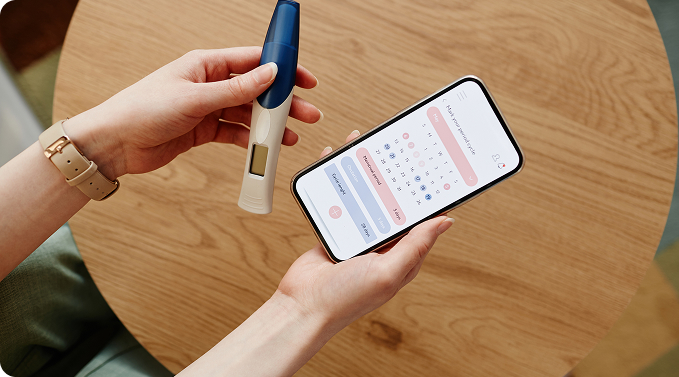
First Day of Last Period
Average Cycle Length (Days)
About the Ovulation Calculator
An Ovulation Calculator is a simple tool that estimates when an ovary is likely to release an egg during a menstrual cycle. This process, known as ovulation, usually occurs approximately 14 days before the start of the next menstrual period.
image

Pregnancy is most likely to occur during the fertile window, which includes the days leading up to ovulation and the day of ovulation itself.

The calculator helps estimate:

  • Ovulation date
  • Fertile window
  • Most fertile days
  • Menstrual cycle timing

While the calculator provides useful guidance, individual cycles can vary, and actual ovulation may occur earlier or later than predicted.

How Does the Ovulation Calculator Work?
The Ovulation Calculator estimates your fertile window using information about your menstrual cycle.
Menstrual Cycle Length
  • The menstrual cycle is measured from the first day of one menstrual period to the first day of the next.
    A typical cycle may range from 21 to 35 days, although individual variations are common.
Ovulation Timing
  • For many women, ovulation occurs about 14 days before the next expected period.

For example:

  • A 28-day cycle may have ovulation around Day 14.
  • A 30-day cycle may have ovulation around Day 16.
  • A 32-day cycle may have ovulation around Day 18.
Fertile Window
  • Sperm can survive within the female reproductive tract for up to five days, while the released egg remains viable for approximately 12 to 24 hours.

Therefore, the fertile window generally includes:

  • Five days before ovulation
  • The day of ovulation
  • Up to one day after ovulation
What Your Ovulation Calculator Result Means
The calculator provides an estimate of your fertility timing during the cycle.
icon
Fertile Window

These are the days during which conception is most likely to occur. Having intercourse during this period may improve the chances of pregnancy.

icon
Ovulation Day

The estimated ovulation day is when the ovary releases an egg. Conception is most likely to occur within 24 hours of ovulation.

icon
Non-Fertile Days

Pregnancy is generally less likely outside the fertile window, although no timing method can guarantee pregnancy prevention.

icon
Irregular Cycles

For women with irregular menstrual cycles, ovulation may occur at varying times each month, making predictions less precise. Additional tracking methods may be required to better identify ovulation.


A Note for Indian 
Women

Several health conditions commonly seen among Indian women may affect ovulation and fertility, including:

  • Polycystic Ovary Syndrome (PCOS)
  • Thyroid disorders
  • Obesity
  • Insulin resistance
  • Endometriosis
  • Nutritional deficiencies

Women experiencing irregular periods or difficulty conceiving should seek professional medical evaluation rather than relying solely on cycle-based predictions.

image
Factors That Can Affect Ovulation
Several factors can influence ovulation timing and fertility.
image
Age

Female fertility gradually declines with age, particularly after 35 years.

image
Hormonal Imbalances

Conditions affecting reproductive hormones may disrupt regular ovulation.

image
Polycystic Ovary Syndrome (PCOS)

PCOS is one of the most common causes of irregular ovulation and infertility.

image
Thyroid Disorders

Both underactive and overactive thyroid conditions can affect menstrual cycles and fertility.

image
Stress

Severe emotional or physical stress may alter hormone levels and delay ovulation.

image
Weight Changes

Significant weight gain, obesity, or being underweight can affect ovulatory function.

image
Medical Conditions

Diabetes, autoimmune disorders, and other chronic illnesses may influence reproductive health.


Understanding Fertility
and Conception
The probability of conception depends on multiple factors beyond ovulation timing.
Best Time to Try for Pregnancy

For most couples, intercourse during the fertile window provides the greatest chance of conception.

01
Healthy Lifestyle Choices

Maintaining a healthy weight, balanced nutrition, regular exercise, adequate sleep, and avoiding tobacco products can support fertility.

02
Prenatal Preparation

Women planning pregnancy should discuss folic acid supplementation and preconception health assessments with their healthcare provider.

03
Fertility Awareness

Understanding menstrual cycles and fertility signs may help improve pregnancy planning.

04
 
 
Improving Your Chances of
Conception: A Personalised Approach
Successfully achieving pregnancy often involves more than identifying ovulation alone.
image
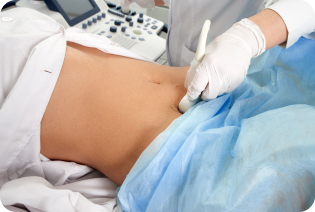
Tracking Menstrual Cycles

Monitoring cycle length over several months may help improve ovulation predictions.
image
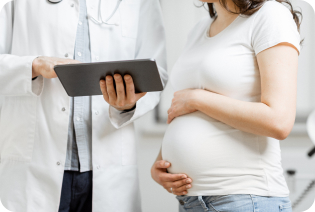
Monitoring Fertility Signs

Changes in cervical mucus and basal body temperature may provide additional clues about ovulation timing.
image
Optimizing Health Before Pregnancy

Managing medical conditions, maintaining healthy nutrition, and achieving a healthy weight can support fertility.

image
Seeking Early Medical Advice

Women with irregular cycles, recurrent pregnancy loss, PCOS, endometriosis, or infertility concerns may benefit from early medical evaluation.

Limitations of an Ovulation Calculator

An Ovulation Calculator provides an estimate rather than a definitive prediction of ovulation.

Several factors can affect accuracy, including:

  • Irregular menstrual cycles
  • PCOS
  • Perimenopause
  • Recent pregnancy
  • Breastfeeding
  • Hormonal medications
  • Stress
  • Illness

For women with irregular periods or ongoing fertility concerns, additional evaluation and testing may be required.


How Apollo Helps You on Your Fertility Journey
At Apollo Hospitals, fertility care extends beyond cycle tracking and ovulation estimation. Our specialists provide comprehensive fertility assessment, preconception counselling, and reproductive care tailored to individual needs.
image
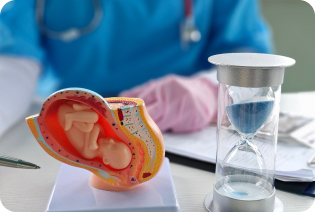
Fertility Evaluation

Comprehensive assessments help identify potential factors affecting fertility.
image
Ovulation Assessment

Specialised testing may help confirm whether ovulation is occurring regularly.

image
PCOS and Hormonal Care

Expert management of PCOS, thyroid disorders, and other hormonal conditions supports reproductive health.

image
Assisted Reproductive Services

Where appropriate, fertility specialists may recommend advanced treatments, including ovulation induction, intrauterine insemination (IUI), or in vitro fertilisation (IVF).

image
Preconception Counselling

Guidance on nutrition, supplements, lifestyle changes, and maternal health optimisation can improve pregnancy outcomes.


When Should You 
Consult a Doctor?

Consider consulting a healthcare professional if you:

  • Have irregular menstrual cycles
  • Miss periods frequently
  • Have PCOS or thyroid disease
  • Have been trying to conceive without success
  • Experience severe menstrual pain
  • Are older than 35 years and trying for pregnancy
  • Have experienced recurrent miscarriages
  • Have concerns about fertility or reproductive health

Early assessment can help identify treatable causes and improve fertility outcomes.

Frequently Asked Questions

Find answers to common questions about our services, treatments, appointments, and patient care options to help you make informed health decisions.
1 What is ovulation?
icon icon

Ovulation is the release of a mature egg from the ovary, usually once during each menstrual cycle.

2 When does ovulation typically occur?
icon icon

For many women, ovulation occurs approximately 14 days before the next menstrual period.

3 What is the fertile window?
icon icon

The fertile window includes the five days before ovulation, the day of ovulation, and approximately one day afterward.

4 Can I become pregnant outside the fertile window?
icon icon

Pregnancy is less likely but may still occur due to variations in ovulation timing and sperm survival.

5 Is an Ovulation Calculator accurate?
icon icon

The calculator provides an estimate based on menstrual cycle information. Actual ovulation may vary.

6 Can women with irregular periods use an Ovulation Calculator?
icon icon

Yes, but predictions may be less accurate. Additional fertility tracking methods may be helpful.

7 Does PCOS affect ovulation?
icon icon

Yes. PCOS commonly causes irregular or absent ovulation, which may affect fertility.

8 How long should I try before seeking fertility advice?
icon icon

Women younger than 35 years should generally seek medical advice after 12 months of trying to conceive. Women aged 35 years or older should consider evaluation after 6 months.

9 Can stress affect ovulation?
icon icon

Yes. Significant physical or emotional stress can alter hormonal balance and affect ovulation timing.

10 Need Personalised Fertility Advice?
icon icon

Get expert fertility, reproductive health, and preconception guidance from Apollo Hospitals.

View All
icon
Other Calculators
Pregnancy Calculator
A Pregnancy Calculator is a simple tool that helps estimate how far along a pregnancy is and predicts the expected due date (EDD)
TDEE  Calculator
TDEE Calculator
A TDEE (Total Daily Energy Expenditure) Calculator is a tool that estimates how many calories your body burns each day.
Ovulation Calculator
An Ovulation Calculator is a simple tool that estimates when an ovary is likely to release an egg during a menstrual cycle.
Calorie Calculator
Calorie Calculator
A calorie calculator is a useful tool that helps estimate the number of calories your body needs each day to maintain, lose, or gain weight.
GFR Calculator
GFR Calculator
The Glomerular Filtration Rate (GFR) is one of the most important indicators of kidney function.
Period Calculator
Period Calculator
Track Your Menstrual Cycle Online.
BMI Calculator
BMI Calculator
Quickly check if your weight is healthy for your height using Body Mass Index.
Color Vision Test
Color Vision Test
A quick screening to check how accurately you perceive colors
BMR Calculator
BMR Calculator
Calculate your Basal Metabolic Rate to know how many calories your body needs at rest
Body Fat Calculator
Body Fat Calculator
Quickly check if your weight is healthy for your height using Body Fat Calculator.
image image image
Request a Callback
Request A Call Back
Request Type
Image
Doctor
Book Appointment
Appointments
View Book Appointment
Image
Hospitals
Find Hospital
Hospitals
View Find Hospital
Chat
Image
health-checkup
Book Health Checkup
Health Checks
View Book Health Checkup
Image
phone
Call Us
Call Us
View Call Us
Image
Doctor
Book Appointment
Appointments
View Book Appointment
Image
Hospitals
Find Hospital
Hospitals
View Find Hospital
Image
health-checkup
Book Health Checkup
Health Checks
View Book Health Checkup
Image
phone
Call Us
Call Us
View Call Us

