


Reviewed by Apollo Editorial Team
Quick answer
ASD closure is a procedure to close a hole in the wall between the two upper chambers of the heart. Many defects can be closed with a device passed through a vein in the groin, without opening the chest. Others need surgery, in which the hole is stitched or covered with a patch. Closure is advised when the hole is large enough to overload the right side of the heart, and it is done in both children and adults.
| Key facts | Details |
|---|---|
| What it treats | Atrial septal defect (ASD), a hole between the right and left atria |
| Two main methods | Device closure through a catheter, and surgical closure |
| Who decides the method | The heart team, based on the type, size and edges of the defect seen on echocardiography |
| Anaesthesia | General anaesthesia for surgery and for most children; sedation or general anaesthesia for device closure in adults |
| Hospital stay | Usually one to two days after device closure; about five to seven days after surgery |
| Return to routine | About a week after device closure; six to eight weeks after open surgery |
| Follow-up | Echocardiograms at intervals; blood-thinning tablets for some months after a device |
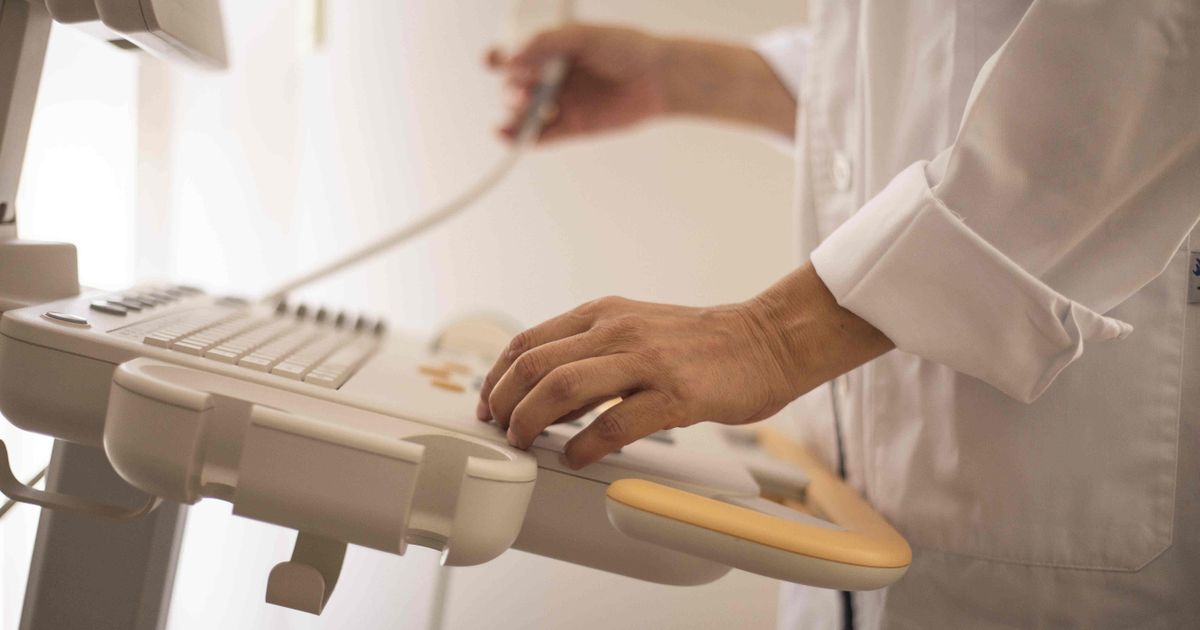
What is ASD closure?
The heart has two upper chambers, the right and left atria, separated by a thin wall called the atrial septum. An atrial septal defect is a hole in this wall that is present from birth. Blood leaks through it from the left side to the right, so the right side of the heart and the lungs handle more blood than they should. Over years this can enlarge the right heart and cause symptoms.
ASD closure seals the hole so that blood follows its normal path. This can be done with a closure device placed through a catheter, or with an operation. ASD is one of the more common forms of congenital heart disease and is often found in childhood, though many people are first diagnosed as adults.
Other names for ASD closure
- Atrial septal defect closure or ASD repair
- ASD device closure or transcatheter ASD closure
- Percutaneous ASD closure
- Surgical ASD closure or ASD patch repair
- Hole in the heart closure
Why is ASD closure done?
Small defects may cause no trouble and some close by themselves in early childhood. Closure is recommended when the defect is large enough to matter. Reasons include:
- Enlargement of the right side of the heart on echocardiography, with or without symptoms
- Breathlessness, tiredness or reduced exercise capacity
- Frequent chest infections or slow weight gain in a child
- Rhythm problems such as atrial fibrillation or atrial flutter
- A stroke thought to be caused by a clot crossing the defect
- Prevention of later problems such as heart failure and raised pressure in the lung arteries
A patent foramen ovale is a different, flap-like opening. It is described on our patent foramen ovale (PFO) page.
Types of ASD and methods of closure
Types of defect
- Secundum ASD. The most common type, in the middle of the septum. Many of these are suitable for device closure.
- Primum ASD. Low in the septum, close to the heart valves. It needs surgery, often with repair of a valve.
- Sinus venosus ASD. High or low in the septum near the large veins, often with a lung vein draining to the wrong side. It usually needs surgery.
- Coronary sinus ASD. A rare type that usually needs surgery.
Device closure
A folded closure device is passed through a vein in the groin to the heart and opened across the hole. It has two discs joined by a short waist, which grip the septum from both sides. Over a few months the heart's own lining grows over it. Device closure is possible only for secundum defects that are not too large and have enough firm tissue around the edges to hold the device.
Surgical closure
The surgeon opens the right atrium while a heart-lung machine supports the circulation, and closes the hole with stitches or a patch, often made from the person's own heart lining. Surgery can be done through the breastbone or, in suitable patients, through a smaller cut on the right side of the chest. See our pages on minimally invasive cardiac surgery and open heart surgery. For children, more detail is given under paediatric cardiac surgery for atrial septal defect.
| Feature | Device closure | Surgical closure |
|---|---|---|
| Access | Vein in the groin | Cut in the chest |
| Heart-lung machine | Not needed | Needed |
| Suitable defects | Secundum ASD with adequate edges | All types, including large or complex defects |
| Hospital stay | One to two days | About five to seven days |
| Scar | A small puncture mark | Chest scar |
| What remains in the heart | A permanent device | Stitches or a patch |
| Medicines afterwards | Blood-thinning tablets for some months | Usually short-term only |
Who is suitable, and who may not be suitable?
Closure is generally suitable for children and adults whose defect is causing the right heart to enlarge or is causing symptoms. In children with no symptoms, planned closure is often done in the preschool years, though timing is individual. Adults benefit from closure too, although the gain is greatest when it is done before the heart and lungs have been strained for many years.
Closure may not be advised, or may need further assessment, when:
- The defect is very small with no effect on the heart. These are usually just observed.
- Pressure in the lung arteries is severely and permanently raised, with blood flowing from right to left. Closing the hole in this situation can be harmful. Read about pulmonary hypertension.
- There is an active infection or a clot inside the heart.
- For device closure: the defect is too large, lacks adequate edges, is not a secundum defect, or the child is too small for the equipment. Surgery is then the usual choice.
How to prepare for ASD closure
Tests
- An echocardiogram through the chest wall. Adults and older children often also need an echocardiogram through the food pipe to measure the defect and its edges.
- An ECG and chest X-ray
- Blood tests, including blood group
- In some cases a cardiac MRI or cardiac catheterisation to measure lung pressures, and a coronary check in older adults
Medicines and health
Tell the team about all medicines, allergies (including any metal allergy) and recent illness. Blood thinners may need to be adjusted. A child with a fever, cough or cold on the day may have the procedure postponed. Dental infections should be treated beforehand.
On the day
You or your child must not eat or drink for the hours advised. Bring previous reports and scans. A parent can usually stay with a child until anaesthesia begins.
How is ASD closure performed?
Device closure
- Anaesthesia. Sedation or general anaesthesia is given in the cath lab.
- Access. A thin tube is placed in the vein at the top of the leg after a numbing injection.
- Imaging. X-ray and echocardiography guide the procedure. The defect is measured, sometimes with a soft sizing balloon.
- Placing the device. A delivery tube is passed across the hole. The first disc is opened on the left side, then the second on the right, so that the septum is held between them.
- Checking. The team confirms that the device is stable, that the hole is sealed and that nearby valves and veins are not affected. Only then is the device released.
- Finishing. The tubes are removed and pressure is applied to the groin. The procedure commonly takes one to two hours.
Surgical closure
- Anaesthesia. General anaesthesia is given.
- Opening. The surgeon reaches the heart through the breastbone or the right side of the chest.
- Heart-lung machine. The machine takes over circulation while the heart is opened.
- Repair. The hole is closed with stitches or a patch. Any associated problem, such as a wrongly draining lung vein or a leaking valve, is corrected.
- Closing. The heart is restarted, drains are placed and the chest is closed. Surgery usually takes two to four hours.
What happens afterwards?
After device closure you rest in bed for a few hours while the groin is checked. An ECG and echocardiogram are done before discharge, usually the next day. After surgery, the first day or two are spent in intensive care, followed by a few days on the ward with breathing exercises, walking and pain relief. Children usually recover quickly.
Risks and complications
Both methods have a good safety record, but no heart procedure is free of risk.
More common, usually minor
- Bruising at the groin after device closure
- Temporary rhythm disturbance or palpitations
- Headaches in the first weeks after a device, in some people
- Wound pain, fluid around the heart or lungs, and temporary tiredness after surgery
Uncommon but serious
- The device moving out of place, which needs retrieval by catheter or surgery
- A clot forming on the device, or a stroke
- The device rubbing through the heart wall (erosion). This is rare but can occur months or years later and needs emergency care.
- Slow heart rhythm needing a pacemaker
- A small leftover leak
- Bleeding, infection or reaction to anaesthesia
- Risks of the heart-lung machine in surgery, including stroke, though these are low in otherwise healthy patients
Results: how well does it work?
ASD closure has a high success rate with both methods, and complete closure is achieved in most patients. The right side of the heart usually shrinks towards normal size over the following months. Many people notice better stamina. Children closed early generally have a normal outlook.
In adults closed later in life, benefits are still seen, but rhythm problems such as atrial fibrillation may continue or appear later, and raised lung pressure may not fully reverse. This is why follow-up continues after closure.
Recovery after ASD closure
- After device closure. Most people return to school or desk work within about a week. Avoid heavy lifting for a week or two and contact sports for the period your doctor advises, often a few months.
- After surgery. The breastbone takes six to eight weeks to heal. Avoid lifting, pushing and pulling during this time. Children should avoid rough play and carrying heavy school bags until cleared.
- Follow-up. Echocardiograms are done at set intervals in the first year and then as advised.
When to seek medical help
- Chest pain, sudden breathlessness or fainting
- Fast, irregular or very slow heartbeat
- Fever, or redness, swelling or discharge at the wound or groin
- Bleeding or a growing lump at the groin
- Weakness of the face or limbs, or trouble speaking or seeing
- In a child: poor feeding, unusual sleepiness or fast breathing
Life after ASD closure
- Take blood-thinning tablets exactly as prescribed after a device, usually for some months.
- Keep teeth and gums healthy. Antibiotics may be advised before certain dental procedures for about six months after closure. Ask your cardiologist.
- Carry your device card. MRI scans are generally possible, but tell the scanning team.
- Most children and adults can return to full activity and sport once cleared.
- Women planning pregnancy should discuss timing with their cardiologist. Pregnancy is usually well tolerated after successful closure.
- Report palpitations at any time, even years later.
Benefits of ASD closure
- Stops the extra blood flow through the right heart and lungs
- Lowers the long-term risk of heart failure and raised lung pressure
- Often improves breathlessness and exercise capacity
- Device closure avoids a chest scar and allows a short hospital stay
- Surgery can correct associated defects in the same operation
What is the cost of ASD closure in India?
The cost depends on:
- Whether device closure or surgery is done
- The size and type of closure device
- The type of surgical approach and any additional repair
- Age of the patient and anaesthesia needs
- Length of stay in intensive care and on the ward
- Tests before and after the procedure
- The city, hospital and room category
Costs vary from person to person. Please check with the hospital for actual prices.
Insurance cover for congenital heart conditions differs between policies, so check the terms with your insurer before admission.
Why choose Apollo Hospitals for ASD closure?
- Adult and paediatric cardiologists and heart surgeons review each case together to choose between device and surgery.
- Echocardiography, including imaging through the food pipe, is available to assess the defect accurately.
- Cath labs and cardiac operating theatres are supported by cardiac anaesthesia and intensive care teams.
- Child-friendly care and family counselling are part of paediatric heart services.
- Structured follow-up with repeat echocardiograms is arranged after closure.
To have an ASD assessed, you can book an appointment with a cardiologist.
Related reading
- Atrial septal defect: symptoms, causes and treatment
- Paediatric cardiac surgery for atrial septal defect
- Ventricular septal defect
- Heart defects in children and their management
- Detecting congenital heart diseases
Questions to ask your doctor about ASD closure
- What type of ASD is it, and how large?
- Is closure needed now, or can we wait and watch?
- Is device closure possible, or is surgery the better option, and why?
- What are the risks of each method in my case or my child's case?
- How long will the hospital stay be?
- Which medicines will be needed afterwards, and for how long?
- When can school, work, sport and travel resume?
- How often will follow-up scans be needed?
FAQs
1. Can an ASD close without treatment?
Small secundum defects found in infancy sometimes close by themselves in the first few years. Larger defects, and the other types, do not close and usually need a procedure.
2. What is the best age for ASD closure in a child?
There is no single best age. If the child is well, planned closure is often done in the preschool years. It may be done earlier if there are symptoms. Your paediatric cardiologist will advise.
3. Is ASD closure worthwhile in adults?
Yes, if the defect is overloading the right heart and lung pressures allow it. Adults often feel better afterwards, though rhythm problems may persist.
4. Which is better, device closure or surgery?
Neither is better for everyone. A device avoids open surgery but suits only certain secundum defects. Surgery can close any type. Both give very good results when chosen correctly.
5. Is ASD device closure painful?
It is done under sedation or anaesthesia. Afterwards there may be mild soreness at the groin for a few days.
6. How long does the device last?
The device is permanent and is not changed as a child grows. The heart's lining covers it within months and it becomes part of the septum.
7. Will I need blood thinners after ASD closure?
After a device, blood-thinning tablets that reduce clotting are usually taken for some months. After surgery, long-term blood thinners are not normally needed unless there is another reason.
8. Can the device move or cause problems later?
Movement of the device is uncommon and usually happens early. Erosion of the heart wall is rare. Report chest pain, fainting or breathlessness immediately, and keep follow-up visits.
9. Will the scar from surgery be large?
It depends on the approach. A cut through the breastbone leaves a scar down the chest. A side approach leaves a smaller scar under the right breast or arm. Ask which is suitable.
10. When can my child return to school and sport?
Often within a week after device closure and a few weeks after surgery. Contact sports are delayed for longer. Follow the specific advice from your doctor.
11. Is ASD closure safe before pregnancy?
Closing a significant ASD before pregnancy is generally advised and makes pregnancy safer for most women. Discuss timing with your cardiologist.
12. What happens if a large ASD is left untreated?
Over years it can cause enlargement of the right heart, rhythm problems, heart failure, raised lung artery pressure and, occasionally, stroke. In advanced lung pressure disease, closure may no longer be possible.
13. Can I have an MRI or pass through airport security with the device?
Closure devices are generally safe in MRI scanners and do not usually set off security alarms. Carry your device card and inform the scanning staff.
14. Which doctor performs ASD closure?
Device closure is done by an interventional cardiologist, or a paediatric cardiologist for children. Surgical closure is done by a cardiac surgeon. They decide the method together.
Conclusion
ASD closure corrects a hole between the upper chambers of the heart, either with a device passed through a vein or with surgery. The choice depends on the type, size and edges of the defect. Results are very good at all ages, and are best when closure is done before the heart and lungs are strained. A cardiologist can confirm with an echocardiogram whether closure is needed and which method is suitable.
This page is for general information and does not replace advice from your doctor. Treatment decisions should be made with a qualified specialist who knows your medical history.
ASD Closure (Device and Surgical) at Apollo Hospitals near you
Choose your city to see the doctors, facilities and booking details at that hospital.
Recently Added


Heart Specialists at Apollo Hospitals





Disclaimer:
The information provided on this page is intended for general informational and educational purposes only. While we make reasonable efforts to ensure that the information is accurate, reliable, and regularly reviewed, it should not be considered a substitute for professional medical advice, diagnosis, or treatment.
The suitability of a medical procedure, along with its benefits, risks, preparation, recovery, potential complications, and expected outcomes, may vary from person to person. Your healthcare professional will determine whether a procedure is appropriate based on your individual condition and medical history.
Please consult a qualified healthcare professional for personalized advice before making decisions regarding any medical procedure.
For more information about how our medical content is created, reviewed, updated, and maintained, please read our [Editorial Policy].
Disclaimer: This information is for educational purposes only and not a substitute for professional medical advice. Always consult your doctor for medical concerns.




