


Reviewed by Apollo Editorial Team
Quick answer
Pulsed field ablation (PFA) is a newer type of catheter ablation for atrial fibrillation. It uses very short electrical pulses, not heat or cold, to switch off the small areas of heart tissue that trigger the irregular rhythm. Studies so far show that it controls atrial fibrillation about as well as older ablation methods, with a lower risk of injury to nearby structures such as the food pipe. Long-term data are still being collected, so it is not yet known whether results over many years are the same.
| Key facts | Details |
|---|---|
| What it treats | Atrial fibrillation (AF) that causes symptoms or has not responded to medicines |
| How it works | Short high-voltage electrical pulses create tiny pores in heart muscle cells, which then stop conducting abnormal signals |
| Access | Thin tubes passed through a vein in the groin; no cuts in the chest |
| Anaesthesia | General anaesthesia or deep sedation |
| Procedure time | Often one to two hours |
| Hospital stay | Usually one night |
| Recovery | Light activity in a few days; most routine activity within about a week |
| Evidence | Short and medium-term results are comparable to heat and cold ablation; long-term data are still accumulating |
What is pulsed field ablation?
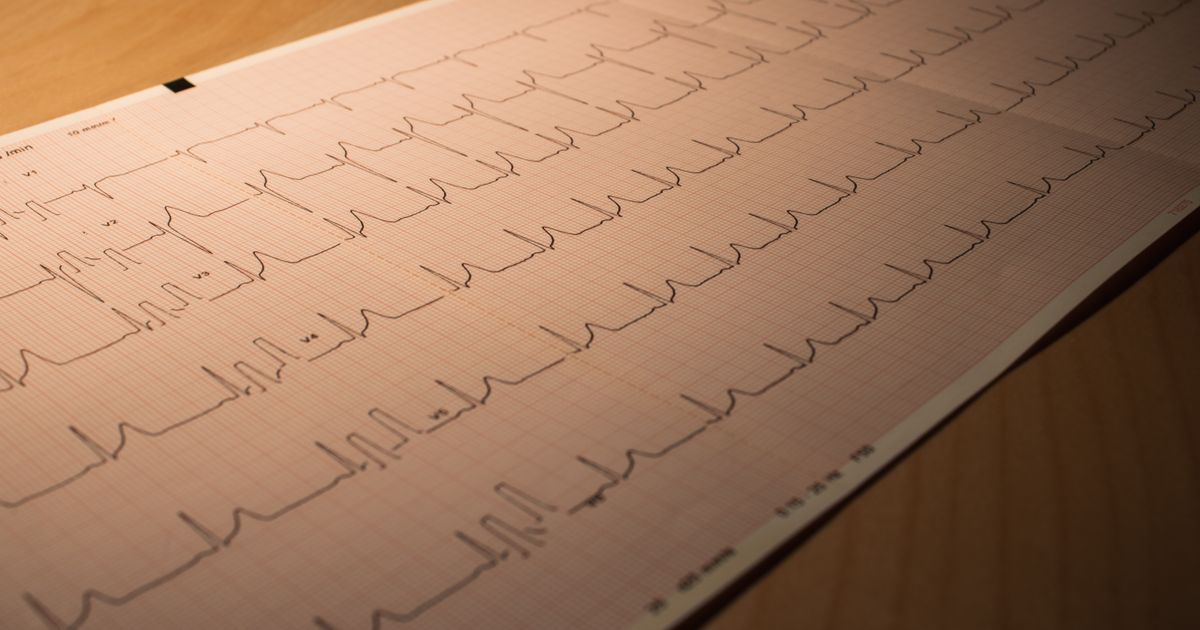
In atrial fibrillation, the upper chambers of the heart beat in a fast, disorganised way. In most people the abnormal electrical signals start in or around the pulmonary veins, the four veins that bring blood from the lungs into the left atrium. Ablation treats AF by creating a ring of non-conducting tissue around the opening of each vein, so the stray signals cannot reach the rest of the heart. This is called pulmonary vein isolation.
Older methods make this ring by heating the tissue (radiofrequency ablation) or freezing it (cryoablation). Pulsed field ablation does it with a series of extremely brief electrical pulses delivered through a catheter. The pulses open tiny pores in the membranes of heart muscle cells, and those cells die off and are replaced by scar that does not conduct electricity. Doctors call this process electroporation.
Heart muscle cells are more sensitive to these pulses than the tissues lying next to the heart, such as the food pipe, the nerve to the diaphragm and the walls of the veins. That is the main reason for interest in PFA: it is designed to treat the heart muscle while sparing its neighbours.
Other names for pulsed field ablation
- PFA
- Pulsed field ablation for atrial fibrillation or PFA for AF
- Pulsed electric field ablation
- Electroporation ablation
- Non-thermal ablation
Why is pulsed field ablation done?
The aim is to reduce or stop episodes of AF and the symptoms they cause, such as palpitations, breathlessness, tiredness and reduced ability to exercise. Ablation is usually considered when:
- AF keeps returning despite rhythm medicines, or the medicines cause side effects
- A person with troublesome AF that comes and goes prefers ablation as an early treatment, after discussion with the specialist
- AF is persistent and continues to cause symptoms after cardioversion
- AF is thought to be weakening the heart muscle, as in some people with heart failure
Ablation is done mainly to improve symptoms and quality of life. It does not remove the need to assess the risk of stroke, and many people continue a blood thinner afterwards. PFA is at present used mostly for AF. Its role in other rhythm problems, such as atrial flutter, is still being studied.
Types of AF ablation and how they compare
All catheter methods are carried out in the same way, through the leg vein. They differ in the energy used. General information is given on our catheter ablation and catheter ablation for atrial fibrillation pages.
| Feature | Pulsed field ablation | Radiofrequency ablation | Cryoablation |
|---|---|---|---|
| Energy | Short electrical pulses | Heat | Cold |
| How lesions are made | Several brief applications at each vein | Point by point | Balloon applied to each vein |
| Procedure time | Often shorter | Often longer | Intermediate |
| Effect on nearby tissues | Lower risk to food pipe, diaphragm nerve and veins | Small risk of heat injury | Small risk to diaphragm nerve |
| Control of AF at about one year | Comparable in trials | Established | Established |
| Long-term evidence | Still accumulating | Many years of data | Many years of data |
| Flexibility | Mainly pulmonary vein isolation at present | Can treat many different rhythm circuits | Mainly pulmonary vein isolation |
Read more about radiofrequency cardiac ablation and cryoablation. People having heart surgery for another reason may be offered surgical atrial fibrillation ablation or the maze procedure. PFA catheters also come in different shapes, and your doctor will use the system available and suited to your heart.
Who is suitable, and who may not be suitable?
PFA may be suitable for adults with symptomatic AF, whether it comes and goes (paroxysmal) or is continuous (persistent), who would otherwise be candidates for catheter ablation. Results tend to be better when AF is treated earlier and the left atrium is not greatly enlarged.
Ablation of any type may not be suitable, or may need to be delayed, if you:
- Have a blood clot in the left atrium
- Cannot take blood thinners around the procedure
- Have an active infection or uncontrolled thyroid, heart failure or other illness
- Have long-standing AF with a very enlarged atrium, where the chance of lasting benefit is low
- Have no symptoms and well-controlled heart rate, where treatment may add risk without clear gain
- Are pregnant
Some people are better served by a heat-based ablation, for example when other rhythm circuits also need treatment. The choice of energy is a medical decision made by the heart rhythm specialist.
How to prepare for pulsed field ablation
Tests
- An ECG and often a Holter monitor recording to document the rhythm
- An echocardiogram to check heart size, valves and pumping function
- A scan to rule out a clot in the heart, by echocardiogram through the food pipe or by cardiac CT scan
- Blood tests, including kidney function, blood count and clotting
Medicines to discuss
Most people take a blood thinner for some weeks before ablation and continue it without a break, or with only a short pause, as instructed. Rhythm medicines may be stopped a few days beforehand. Tell your doctor about diabetes medicines, allergies and any previous reaction to anaesthesia. Do not change any medicine unless you are told to.
On the day
- Do not eat or drink for the hours advised.
- Bring your medicines and previous reports.
- Arrange for someone to take you home and stay with you for the first night after discharge.
How is pulsed field ablation performed?
- Anaesthesia. You are given general anaesthesia or deep sedation in the electrophysiology lab. The pulses can cause brief muscle twitching, so most centres keep patients fully asleep.
- Vein access. After cleaning the groin, the doctor places thin tubes in the vein at the top of the leg, usually with ultrasound guidance.
- Reaching the left atrium. Catheters are guided to the right side of the heart under X-ray. A fine needle is used to cross the thin wall between the upper chambers into the left atrium. A blood thinner is given through the drip.
- Mapping. The pulmonary veins are identified with X-ray, ultrasound inside the heart or a three-dimensional mapping system. See electrophysiology study.
- Delivering the pulses. The PFA catheter is positioned at the opening of each vein in turn. Several sets of pulses, each lasting a few seconds, are delivered in different positions to complete the ring.
- Checking. The doctor tests that electrical signals can no longer pass between each vein and the atrium, and repeats applications where needed.
- Finishing. The catheters are removed. The puncture site is closed with pressure or a stitch.
What happens afterwards?
You lie flat for a few hours while the groin is observed and your heart rhythm and blood pressure are monitored. Most people stay overnight and go home the next day after an ECG. You will be told which medicines to continue, including the blood thinner and, often, a rhythm medicine for the first few months.
Risks and complications
PFA is generally well tolerated, but it is an invasive heart procedure and serious complications, though uncommon, can occur.
More common, usually minor
- Bruising, soreness or a small lump at the groin
- Mild chest discomfort or cough for a day or two
- Palpitations or short runs of AF in the first weeks
- Tiredness for several days
Uncommon but serious
- Bleeding around the heart that needs urgent drainage
- Stroke or transient ischaemic attack
- Damage to the groin blood vessels needing treatment
- Temporary spasm of a heart artery when pulses are delivered close to it
- Breakdown of red blood cells affecting the kidneys, reported mainly after a very large number of pulse applications
- Temporary effect on the nerve to the diaphragm
- Complications of anaesthesia
Injury to the food pipe and narrowing of the pulmonary veins, which are rare but feared complications of heat-based ablation, have been very uncommon with PFA in studies to date. Because the technique is newer, rare or late effects may not yet be fully known.
Results: how well does it work?
In clinical trials and large registries, the proportion of people free of AF about a year after PFA has been similar to that seen with radiofrequency ablation and cryoablation. As with other methods, results are better for AF that comes and goes than for persistent AF, and some people need a second procedure.
Heat and cold ablation have been followed for many years. PFA has been in wide use for a much shorter time, so evidence on how durable the results are over the long term, and on rare late effects, is still accumulating. Ablation controls AF in many people but is not a guaranteed permanent cure, and AF can return years later as the heart ages or if risk factors are not controlled.
Recovery after pulsed field ablation
- First few days. Rest, walk gently and avoid straining. Keep the groin clean and dry.
- First week. Avoid heavy lifting, strenuous exercise and long drives. Most people return to desk work within a week.
- First two to three months. Palpitations or brief episodes of AF are common while the heart heals and do not mean the procedure has failed. Doctors judge the result after this period.
- Follow-up. You will have ECGs and rhythm monitoring at intervals, and a review of your medicines.
When to seek medical help
- Chest pain, especially if it worsens on breathing in or lying down
- Breathlessness, fainting or marked light-headedness
- Weakness of the face, arm or leg, or trouble speaking or seeing
- Bleeding, increasing swelling or severe pain at the groin
- Fever, or pain or difficulty on swallowing
- Dark urine or passing very little urine in the first days
- Fast palpitations that do not settle
Life after pulsed field ablation
- Take your blood thinner exactly as prescribed. Whether you continue it long term depends on your stroke risk, not only on whether AF has stopped.
- Control blood pressure, diabetes and cholesterol.
- Lose excess weight and stay physically active. These steps improve the chance of staying free of AF.
- Limit or avoid alcohol, and do not smoke.
- Have loud snoring or daytime sleepiness assessed, since untreated sleep apnoea makes AF more likely to return.
- Keep follow-up appointments and report any return of symptoms.
Benefits of pulsed field ablation
- Control of AF comparable to established ablation methods in studies so far
- Lower risk of injury to the food pipe, the diaphragm nerve and the pulmonary veins
- Often a shorter procedure
- No surgical cut, and a short hospital stay
- May reduce or remove the need for long-term rhythm medicines in some people
What is the cost of pulsed field ablation in India?
The cost depends on:
- The PFA catheter system used, which is single-use
- Use of three-dimensional mapping or ultrasound inside the heart
- The type of anaesthesia
- Tests before the procedure, including scans to exclude a clot
- Length of hospital stay and room category
- Any additional treatment or complications
- The city and the hospital
Costs vary from person to person. Please check with the hospital for actual prices.
As PFA is a newer technology, insurance cover can differ between policies, so confirm with your insurer before admission.
Why choose Apollo Hospitals for pulsed field ablation?
- Pulsed field ablation for atrial fibrillation is offered at selected Apollo centres. Availability differs between centres. Please check with the hospital.
- Heart rhythm specialists (electrophysiologists) assess each person and advise on PFA, heat or cold ablation, medicines or other options.
- Electrophysiology labs are supported by cardiac anaesthesia, imaging and cardiac surgical back-up.
- Follow-up includes rhythm monitoring and review of blood thinning and risk factors.
To discuss treatment for atrial fibrillation, you can book an appointment with a cardiologist.
Related reading
- Atrial fibrillation: symptoms and treatment
- Catheter ablation for atrial fibrillation
- Cardioversion
- Left atrial appendage closure
- Arrhythmia
Questions to ask your doctor about pulsed field ablation
- Is ablation the right step for my AF now, or should I try other treatment first?
- Why do you recommend PFA and not heat or cold ablation for me, or the reverse?
- What is my chance of staying free of AF, and might I need a second procedure?
- What are the risks in my case?
- How much experience does the team have with PFA?
- Will I need to continue a blood thinner afterwards, and for how long?
- Which medicines should I stop or continue before the procedure?
- How will my rhythm be monitored afterwards?
FAQs
1. Is pulsed field ablation better than radiofrequency ablation?
It is not proven to be better at controlling AF. Trials show similar results at about a year, with fewer injuries to nearby structures and often a shorter procedure. Radiofrequency ablation has far longer follow-up and suits more types of rhythm problem.
2. Is pulsed field ablation safe?
Studies so far show a good safety record, with very low rates of food pipe and vein injury. Serious complications such as bleeding around the heart or stroke are uncommon but possible, as with any ablation.
3. Is PFA a permanent cure for atrial fibrillation?
No treatment can promise that. Many people stay free of AF or have far fewer episodes, but AF can return and some people need a repeat procedure.
4. How long does the procedure take?
Often one to two hours, though this varies with the heart anatomy and the equipment used. You will be in the hospital for longer because of preparation and recovery.
5. Will I be awake during pulsed field ablation?
Usually not. Most centres use general anaesthesia or deep sedation, since the pulses can cause muscle twitching and coughing.
6. How long will I stay in hospital?
Most people stay one night and go home the next day if the groin and heart rhythm are satisfactory.
7. Can I stop my blood thinner after ablation?
Not on your own. A blood thinner is needed for at least some weeks after ablation. After that, the decision depends on your stroke risk factors, and many people continue it.
8. Why do I still feel palpitations after the procedure?
The heart tissue takes two to three months to heal, and extra beats or short AF episodes are common in that time. Tell your doctor, but this often settles.
9. Is pulsed field ablation suitable for persistent AF?
It is used for both paroxysmal and persistent AF. Success rates are generally lower in persistent AF with any ablation method, and your specialist will advise on your likely benefit.
10. Can PFA be done if I have had an ablation before?
In some cases yes. Repeat procedures sometimes need treatment of areas beyond the pulmonary veins, where a different energy may be preferred. The specialist decides after reviewing your earlier procedure.
11. Can people with a pacemaker have pulsed field ablation?
Often yes, with precautions. The device is checked before and after the procedure. Tell the team about any implanted device.
12. How is PFA different from cardioversion?
Cardioversion resets the rhythm with a controlled shock or medicine but does not treat the source of AF, which often returns. Ablation aims to isolate the areas that trigger AF.
13. How much long-term data is there for PFA?
Less than for older methods. PFA has been in wide clinical use for only a few years. Results at one to a few years are encouraging, and longer follow-up studies are in progress.
14. Which doctor performs pulsed field ablation?
A cardiac electrophysiologist, a cardiologist with specialist training in heart rhythm problems, performs it with a cardiac anaesthetist and a trained lab team.
Conclusion
Pulsed field ablation treats atrial fibrillation with brief electrical pulses that act mainly on heart muscle. Evidence so far shows control of AF similar to heat and cold ablation, with fewer injuries to nearby structures and often a shorter procedure. It is a newer method, and long-term results are still being gathered. A heart rhythm specialist can advise whether ablation is right for you and which type of energy suits your heart.
This page is for general information and does not replace advice from your doctor. Treatment decisions should be made with a qualified specialist who knows your medical history.
Pulsed Field Ablation for Atrial Fibrillation at Apollo Hospitals near you
Choose your city to see the doctors, facilities and booking details at that hospital.
Recently Added


Heart Specialists at Apollo Hospitals








Disclaimer:
The information provided on this page is intended for general informational and educational purposes only. While we make reasonable efforts to ensure that the information is accurate, reliable, and regularly reviewed, it should not be considered a substitute for professional medical advice, diagnosis, or treatment.
The suitability of a medical procedure, along with its benefits, risks, preparation, recovery, potential complications, and expected outcomes, may vary from person to person. Your healthcare professional will determine whether a procedure is appropriate based on your individual condition and medical history.
Please consult a qualified healthcare professional for personalized advice before making decisions regarding any medical procedure.
For more information about how our medical content is created, reviewed, updated, and maintained, please read our [Editorial Policy].
Disclaimer: This information is for educational purposes only and not a substitute for professional medical advice. Always consult your doctor for medical concerns.




