


Direct antwoord
An electrolytes test is a blood test that measures sodium, potassium, chloride and bicarbonate, and often calcium. The electrolytes test helps assess hydration, kidney function, acid-base balance and the effects of medicines such as diuretics. The electrolytes test shows chemistry levels only; it does not identify the cause, which needs clinical interpretation.
Key afhaalrestaurants
- The electrolytes test measures concentrations, not causes, the reason behind an abnormal value still needs a clinical assessment.
- A normal electrolytes panel does not exclude kidney disease, heart disease, hormonal disorders or dehydration.
- Sample handling matters: a tight fist, a difficult draw or delayed processing can falsely raise potassium.
- Urgency depends on the value and on how fast it changed, not on the abnormal label alone.
- People on diuretics, ACE inhibitors, ARBs, spironolactone or with chronic kidney disease usually need periodic monitoring as advised by their prescriber.
In een oogopslag
| Item | Detail |
|---|---|
| Sample | Venous blood, usually from the arm; sometimes arterial or venous blood gas in emergencies |
| Usually measured | Sodium (Na?), potassium (K?), chloride (Cl?), bicarbonate (HCO3?); calcium and magnesium often added separately |
| Vastend | Not usually needed for electrolytes alone; fasting may be required if glucose or lipids are bundled, follow your lab's instruction |
| Tijd voor de bloedafname. | Meestal een paar minuten; het totale bezoek duurt vaak 15-30 minuten, inclusief registratie en wachttijd. |
| Tijd om te rapporteren | Varies by facility; urgent and ICU samples are processed faster than routine outpatient samples. Your lab's stated schedule applies. |
| Ongemak | Korte prik met een naald; af en toe een blauwe plek. |
| Wie interpreteert het? | De arts die de test heeft aangevraagd, in de context van uw symptomen, medicijnen en andere resultaten. |
Ook gekend als
- Serum electrolytes, Na K Cl, "electrolyte panel"
- "Sodium potassium test", "salt test" in common usage
- E/LFT-style bundles: part of a basic metabolic panel (BMP), renal function test (RFT/KFT) or comprehensive metabolic panel (CMP)
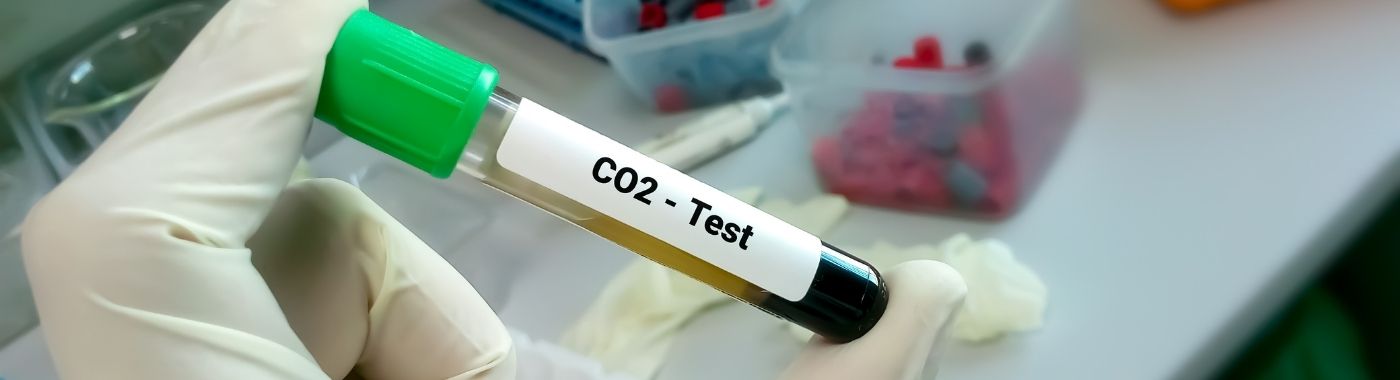
- Bicarbonate may be reported as "total CO2" or "TCO2"
What the electrolytes test is
Electrolytes are charged minerals dissolved in body fluid. They carry the electrical signals that let nerves fire, muscles contract and the heart beat in rhythm, and they govern how water is distributed between blood, cells and tissues.
- Natrium: mainly reflects water balance rather than salt intake. A low sodium value more often means excess water relative to salt than a lack of salt.
- Kalium: critical for cardiac and muscle electrical activity; strongly influenced by kidney function and by several common medicines.
- Chloride: moves with sodium and helps in interpreting acid-base problems.
- Bicarbonate (total CO2): a marker of acid-base status; low values may accompany metabolic acidosis, high values metabolic alkalosis.
- Calcium: usually reported as total calcium, which is affected by blood albumin. Ionised (free) calcium is a separate measurement and is not interchangeable with total calcium.
- Magnesium and phosphate: not part of every electrolyte panel and often must be requested specifically.
Laboratories differ in which analytes their "electrolyte" panel includes, in units used, and in the reference interval printed on the report. Always read your values against the range on your own report.
Why the electrolytes test is done
- Symptoms suggesting imbalance: confusion, marked weakness, persistent vomiting or diarrhoea, muscle cramps, palpitations, seizures, reduced urine output.
- Kidney assessment: alongside creatinine, urea and eGFR in acute kidney injury and chronic kidney disease.
- Medicine monitoring: diuretics, ACE inhibitors, ARBs, spironolactone, potassium supplements, lithium, some chemotherapy and antimicrobials.
- Fluid and acid-base problems: dehydration, diabetic emergencies such as diabetic ketoacidosis, prolonged gastrointestinal fluid loss.
- Hormonal conditions: adrenal insufficiency, Cushing's syndrome, parathyroid and thyroid disorders, SIADH.
- Hospital and perioperative care: before surgery, during intravenous fluid therapy, in ICU patients.
Wie zou deze test moeten ondergaan?
- People with known or suspected kidney disease, including those on dialysis, as scheduled by their nephrologist.
- Anyone newly started on or having a dose change of a diuretic, ACE inhibitor, ARB or mineralocorticoid antagonist, timing decided by the prescriber.
- Older adults with new confusion, falls, drowsiness or poor oral intake.
- People with heart failure or cirrhosis, where both sodium and potassium shift readily.
- Anyone with prolonged vomiting, diarrhoea or heat-related illness, and infants or small children with acute gastroenteritis.
- People with diabetes who are unwell, and anyone with suspected adrenal or parathyroid disease.
- Patients being prepared for surgery or receiving intravenous fluids.
Routine electrolyte testing in a well person with no symptoms, no risk factors and no relevant medicines adds little and is not automatically advisable. Results vary depending on individual clinical circumstances.
What the electrolytes test cannot detect or exclude
- Het geeft geen diagnose. Low sodium has many possible causes, medicines, heart failure, liver disease, SIADH, adrenal disease, excess water intake. The number alone cannot separate them; urine electrolytes, osmolality and clinical examination are usually needed.
- It does not exclude kidney disease. Sodium, potassium and chloride can remain within range well into chronic kidney disease. Creatinine, eGFR and urine protein assess kidney function; electrolytes do not replace them.
- It does not exclude heart disease. A normal panel says nothing about coronary arteries, heart valves or pump function. Chest pain needs an ECG and clinical assessment, not an electrolyte panel.
- It does not measure total body stores. Blood potassium and calcium reflect the fluid compartment sampled. Most body potassium sits inside cells and most calcium in bone, so blood values can look normal despite depletion.
- It does not assess bone health. Serum calcium is not a test of osteoporosis.
- It does not fully describe acid-base status. Bicarbonate on a serum panel is an estimate; blood gas analysis with pH and pCO2 is required to characterise an acid-base disorder.
- Standard panels omit magnesium and phosphate unless separately requested, so unexplained cramps or arrhythmia may need additional tests.
If your symptoms continue despite a normal electrolytes report, return to your doctor. A result that did not identify an abnormality is not proof that nothing is wrong.
Verwante maar verschillende onderzoeken
Electrolytes versus renal function test (RFT/KFT)
The electrolytes panel answers "is the salt, water and acid-base balance disturbed?" An RFT/KFT adds creatinine, urea and eGFR and answers "how well are the kidneys filtering?" They answer different questions and are often ordered together.
Serum electrolytes versus arterial or venous blood gas
A blood gas reports pH, pCO2, pO2, base excess and rapid electrolytes, and is used in acutely unwell patients. Serum panels are slower but analytically the reference method for sodium and potassium; blood gas electrolytes can differ slightly from lab values.
Total calcium versus ionised calcium and PTH/vitamin D
Total calcium is affected by albumin. Ionised calcium measures the biologically active fraction. Parathyroid hormone and vitamin D tests explain why calcium is abnormal; they are not substitutes for each other.
Serum electrolytes versus urine electrolytes and osmolality
Urine sodium, urine potassium and osmolality help work out the mechanism behind an abnormal serum sodium or potassium. Serum values alone often cannot distinguish the cause.
Electrolytes versus BMP/CMP packages
A BMP adds glucose and kidney markers; a CMP also adds liver enzymes (SGPT/ALT, SGOT/AST) and proteins. Ordering a bigger panel does not make the electrolyte values more accurate.
Which test comes first
The starting test depends on the problem. For new confusion or drowsiness in an older adult, serum electrolytes with kidney function usually come first. For chest pain or palpitations, an ECG comes first, with potassium, magnesium and calcium checked alongside. For breathlessness with suspected acidosis, a blood gas comes first. For cramps with normal potassium, magnesium is often the useful next test.
Voorbereiding
Preparation requirements are operational and differ between laboratories. The written instruction given by your collection centre takes precedence over any general guidance here.
- vasten: usually not required for electrolytes alone. If glucose, lipids or a full CMP are bundled, your lab may ask for an overnight fast.
- Medicijnen: bring a list, including diuretics, blood pressure medicines, potassium or calcium supplements, laxatives and any AYUSH or herbal preparations. Do not stop, start or change any prescribed medicine to "get a better result", speak to your prescriber about timing.
- Timing around doses: for some medicines the sample is best taken before the morning dose. Ask the prescriber.
- Vloeistoffen: drink normally unless your doctor has set a fluid restriction. Do not deliberately load up on water before the test, as excess water can lower sodium.
- Before the draw: avoid vigorous exercise immediately beforehand and avoid repeatedly clenching the fist during venepuncture, as both can falsely raise potassium.
- Vertel het aan het personeel about fainting during blood tests, bleeding disorders, blood thinners, or a lymphoedema/dialysis-fistula arm.
Zwangerschap
Sodium and bicarbonate levels normally run a little lower in pregnancy. Fasting and fluid instructions should be individualised, especially with hyperemesis. Interpretation should be against pregnancy-appropriate expectations.
Kinderen en baby's
Smaller sample volumes and paediatric collection technique are used. Haemolysis is commoner in small-vein and heel-prick samples, which can falsely raise potassium, so a repeat may be requested. Prolonged fasting is not appropriate for young children.
Diabetes die behandeld wordt met glucoseverlagende medicatie
If a fast is requested because of bundled tests, discuss insulin or sulfonylurea timing with the prescriber beforehand to avoid hypoglycaemia. Carry glucose with you.
Chronische nierziekte, dialyse en hartfalen
Do not increase fluid intake before the test if you are on a fluid restriction. Dialysis patients should follow the sampling schedule set by the renal unit, as pre- and post-dialysis values differ substantially.
Oudere volwassenen
Thirst perception, kidney concentrating ability and medicine burden all change with age, making low sodium common and easily missed. Veins may be fragile; bruising is more likely.
Wat gebeurt er tijdens de test?
A tourniquet is applied, the skin is cleaned, and blood is drawn into specific tubes, the tube type matters, since the wrong additive can alter potassium and calcium results. Pressure is applied afterwards and a small dressing placed. The needle itself takes seconds; the visit usually takes 15-30 minutes including waiting and registration. In hospital, samples may be taken from an existing line using a proper discard volume. Occasionally a second sample is requested if the first haemolyses.
Uw rapport begrijpen
Units differ: sodium, potassium, chloride and bicarbonate are usually reported in mmol/L (equivalent to mEq/L for these ions), calcium in mg/dL or mmol/L. Reference intervals differ between laboratories and by age, pregnancy and method, so compare each value with the range printed on your own report rather than any range found online.
- Abnormal ? dangerous. A value marginally outside the printed range may be clinically unimportant. A modest abnormality that developed within hours can matter far more than a larger one present for months.
- Patterns matter more than single numbers. Sodium, chloride and bicarbonate are read together, often with the anion gap, albumin and kidney markers.
- Trends zijn sterker dan momentopnames. Comparison with your previous reports is often the most informative part of the assessment.
- Named conditions are descriptions, not diagnoses. Hyponatraemia, hyperkalaemia, hypocalcaemia and similar terms simply name the direction of the abnormality; the cause still needs to be established.
Only the doctor who requested the test can interpret it properly, alongside your examination, medicines and history. Do not adjust salt, water, potassium-rich foods or any medicine on the basis of a report alone.
Wanneer de resultaten misleidend kunnen zijn.
Falsely raised results
- Kalium: haemolysis during collection, a prolonged tourniquet, fist clenching, delay before centrifugation, sample refrigeration or transport from a distant centre, and very high platelet or white cell counts (pseudohyperkalaemia).
- Kalium: contamination from a drip line containing potassium, or drawing from the same arm as an infusion.
- Calcium: dehydration and prolonged tourniquet use; high albumin raises total calcium while ionised calcium remains normal.
- Bicarbonaat: a sample left with the cap off or processed late may show shifted total CO2.
Falsely lowered or spuriously abnormal results
- Natrium: very high triglycerides or paraproteins can produce pseudohyponatraemia with some analytical methods; marked hyperglycaemia lowers measured sodium for osmotic reasons.
- Calcium: low albumin, common in liver disease, malnutrition and hospitalised patients, lowers total calcium while ionised calcium may be normal.
- All analytes: dilution by drawing blood downstream of an intravenous fluid line.
- Kalium: a sample kept warm for hours before analysis can read low.
Because of these effects, a doctor may reasonably ask for a repeat sample rather than act on a single surprising value, unless the situation is acute.
Risico's en veiligheid
Routinematige veneuze bloedafname
Risks are small: brief pain, bruising, light-headedness or fainting, and uncommonly a small haematoma. Infection at the puncture site is rare. People on anticoagulants or with bleeding disorders may bleed or bruise more and should tell the phlebotomist.
Arterial sampling for blood gas
This is a different, more uncomfortable procedure carrying a small risk of bruising, local bleeding, nerve irritation and, rarely, vascular injury. It is used only when acid-base and oxygenation data are required.
Repeat and serial sampling in hospital
Frequent sampling, particularly in small children and ICU patients, contributes to blood loss over time, which is why sample volumes are minimised.
rode vlaggen
Spoedgeval: zoek nu medische hulp.
- Seizure, unresponsiveness, rapidly worsening confusion or new severe drowsiness.
- Palpitations with fainting, chest pain or collapse.
- Severe generalised weakness or paralysis, or difficulty breathing.
- A laboratory telephoning a critically high or low potassium, sodium or calcium result.
- Persistent vomiting with no urine output, in anyone with kidney disease or on diuretics.
- In an infant: sunken eyes, no wet nappies, lethargy or refusal to feed.
Dezelfde dag
- New muscle cramps, tingling around the mouth or hands, or twitching.
- Ongoing diarrhoea or vomiting for more than a day, especially with diabetes, CKD or on diuretics.
- Dizziness on standing, marked reduction in urine, or unexplained new weakness.
- Any abnormal electrolyte result reported while you feel unwell.
Routine afspraak
- A borderline value with no symptoms, for review with previous reports.
- Scheduled monitoring on diuretics, ACE inhibitors, ARBs or in stable CKD.
- Long-standing mild cramps or fatigue without red flags.
Bijzondere situaties
Zwangerschap
Physiological changes shift baseline values; vomiting in early pregnancy and pre-eclampsia management both affect electrolytes. Interpretation and any treatment should be led by the obstetric team.
Kinderen
Acute gastroenteritis is a leading reason for testing in Indian paediatric practice. Children shift electrolytes quickly, and both dehydration and overly dilute oral fluids can cause problems. Paediatric reference intervals differ from adult ones.
Oudere volwassenen
Low sodium is frequent and often medicine-related. Presentation may be a fall or confusion rather than any specific symptom.
Diabetes
Poorly controlled diabetes, diabetic ketoacidosis and some glucose-lowering medicines alter sodium and potassium. Measured sodium needs interpretation against the glucose level.
Chronische nierziekte en dialyse
Potassium, bicarbonate, calcium and phosphate require regular, scheduled monitoring. Dietary potassium advice must come from the treating team and a renal dietitian, not from a report.
Heart failure and cirrhosis
Diuretic therapy and fluid retention make both low sodium and potassium shifts common. Diuretic doses should only be changed by the prescriber.
Electrolytes testing in the Indian context
- Heat and fluid loss: in much of India, heat exposure and outdoor work cause significant sweat losses. Rehydration with plain water alone during heavy sweating can lower sodium; ORS is formulated for this reason.
- Acute diarree remains a common reason for electrolyte disturbance in children and older adults, and appropriate ORS use is central to management.
- Pre-analytical delay: samples collected at home or at a small collection point and transported some distance in heat are a real cause of spuriously high potassium. Ask whether the sample can be processed locally.
- Terminologie: the panel is often written as "Na K Cl", asked for as a "sodium potassium test", and bundled with RFT/KFT. Liver enzymes in bundled CMP reports appear as SGPT/ALT and SGOT/AST.
- Medicijnen: over-the-counter NSAIDs, unlabelled herbal and gym supplements, and some AYUSH preparations can influence kidney function and potassium. Declare everything you take.
- Self-medication with salt substitutes: many "low sodium" salts are potassium-based and can be hazardous in CKD or for people on ACE inhibitors, ARBs or spironolactone. Ask your doctor before using them.
- Gegevensbescherming: digital reports and online booking forms involve personal health data handled under the Digital Personal Data Protection Act, 2023.
Kosten en verzekering in India
A standalone serum electrolytes panel is among the less expensive blood tests in India, while bundled panels and urgent or ICU testing cost more. Prices differ widely between government facilities, standalone laboratories and corporate hospitals, so obtain a current quote from the laboratory you plan to use rather than relying on published figures.
Factoren die van invloed zijn op wat u betaalt:
- Whether electrolytes are ordered alone or as part of an RFT/KFT, BMP or CMP package.
- Additions such as magnesium, phosphate or ionised calcium, each billed separately.
- Urgent or after-hours processing, and blood gas analysis instead of a serum panel.
- Home collection charges and city or tier of facility.
- Repeat sampling if the first specimen haemolyses.
- Accreditation status of the laboratory and any bundled consultation.
Verzekering: outpatient diagnostics are often not covered unless the policy includes an OPD or health-check benefit. During an admission, electrolyte testing is generally part of the hospital bill and covered subject to policy terms, sub-limits and waiting periods. Confirm with your insurer or the hospital insurance desk before testing.
Mythen en feiten
| Mythe | Feit |
|---|---|
| Low sodium means I am not eating enough salt. | Low sodium usually reflects excess water relative to salt, or a medicine or hormonal effect. Adding salt can be the wrong response and should never be self-prescribed. |
| A normal electrolytes report means my kidneys are fine. | Electrolytes can stay in range well into chronic kidney disease. Creatinine, eGFR and urine tests assess kidney function. |
| High potassium always means kidney failure. | Sample haemolysis, transport delay, medicines and a very high platelet count can all raise the value. A repeat sample is often needed. |
| Cramps mean low calcium. | Cramps have many causes, including low magnesium, low potassium, dehydration and neuromuscular problems. Calcium may be entirely normal. |
| Drinking lots of water before the test improves the result. | Excess water intake can lower measured sodium and mislead. Drink normally unless told otherwise. |
| Sports drinks and coconut water can correct a diagnosed imbalance. | They are ordinary fluids, not treatment. Significant imbalances need medical correction with monitoring. |
| "Low sodium" salt substitutes are safer for everyone. | Most are potassium-based and can be dangerous in kidney disease or with certain blood pressure medicines. |
Veelgestelde vragen
Do I need to fast before an electrolytes test?
Fasting is usually not needed for electrolytes alone. If the electrolytes panel is bundled with glucose, lipids or a comprehensive metabolic panel, your laboratory may ask for an overnight fast. Follow the written instruction from your collection centre, and speak to your prescriber first if you take insulin or sulfonylureas.
Hoe lang duurt het hele proces?
The blood draw itself takes only a couple of minutes. Allow roughly 15-30 minutes at the collection centre including registration and waiting. Reporting time depends entirely on the facility: urgent and inpatient samples are processed much faster than routine outpatient ones. Ask your laboratory for its current schedule.
Is an electrolytes test the same as a kidney function test?
No. An electrolytes panel measures sodium, potassium, chloride and bicarbonate. A renal function test adds creatinine, urea and eGFR, which assess filtration. They answer different questions and are frequently ordered together, since normal electrolytes do not exclude impaired kidney function.
Why was I asked to repeat the test the same day?
Usually because the sample may have been affected before analysis, haemolysis, a prolonged tourniquet, fist clenching, transport delay or contamination from a drip line. These commonly raise potassium falsely. Repeating with careful collection distinguishes a laboratory artefact from a genuine abnormality before any treatment is started.
Can I stop my diuretic if my potassium is abnormal?
Do not stop, reduce or restart any prescribed medicine on your own. Diuretics, ACE inhibitors, ARBs and spironolactone all influence potassium, but stopping them abruptly can worsen heart failure or blood pressure control. Contact the prescriber, who will decide on dose changes and repeat testing.
Does the test include magnesium and phosphate?
Not usually. Most standard electrolyte panels cover sodium, potassium, chloride and bicarbonate, sometimes with calcium. Magnesium and phosphate generally need to be requested separately, which matters when cramps, arrhythmia, refeeding or chronic kidney disease are being investigated.
My calcium is low but I feel well: should I worry?
Total calcium falls when blood albumin is low, which is common in liver disease, malnutrition and hospitalised patients, even when the active ionised calcium is normal. Your doctor may check albumin or ionised calcium. Do not start calcium supplements without advice.
How often should electrolytes be checked if I have chronic kidney disease?
Frequency depends on the stage of kidney disease, your medicines and how stable previous results have been. It may range from every few months to far more often after a dose change or illness. Your nephrologist or physician sets the schedule; follow that rather than a general rule.
Kan uitdroging mijn resultaat beïnvloeden?
Yes. Dehydration can raise sodium and concentrate other analytes, while excessive plain water intake can lower sodium. Both affect interpretation. Unless your doctor has restricted fluids, drink as you normally would and mention any vomiting, diarrhoea, heat exposure or heavy sweating to the doctor.
Bronnen
- National Institute of Diabetes and Digestive and Kidney Diseases (NIDDK), patient information on kidney function and blood chemistry tests.
- Kidney Disease: Improving Global Outcomes (KDIGO), clinical practice guidelines on chronic kidney disease evaluation and management, and on acute kidney injury.
- World Health Organization, guidance on oral rehydration salts and management of diarrhoeal dehydration.
- Clinical and Laboratory Standards Institute (CLSI), recommendations on venous blood collection and pre-analytical handling of potassium samples.
- Indian Council of Medical Research, national treatment guidelines relevant to fluid and electrolyte management.









 Beste ziekenhuis bij mij in de buurt in Chennai


