


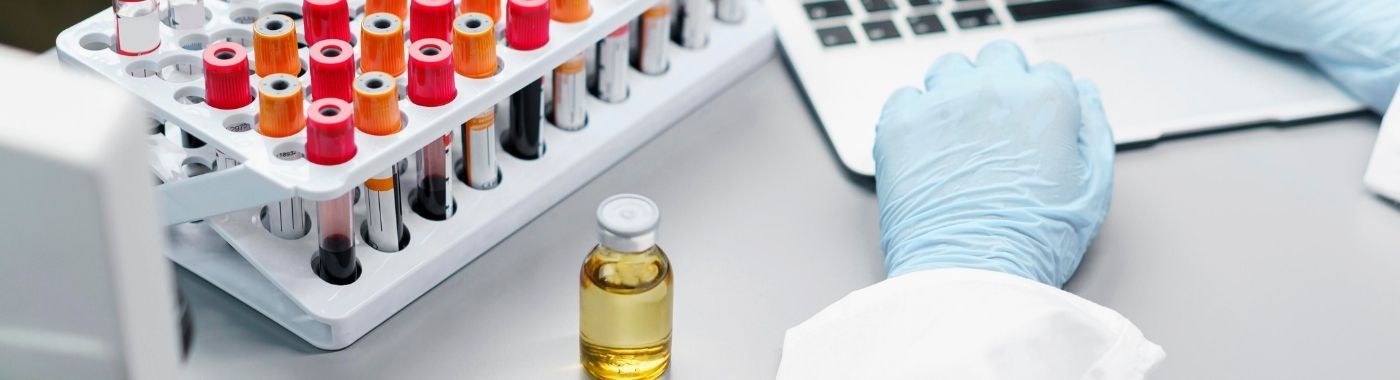
The creatine kinase test, also called the CPK test, measures the enzyme creatine kinase released into the blood when muscle cells are damaged. Creatine kinase rises with muscle injury, strenuous exercise, some medicines, myositis and muscular dystrophies. Creatine kinase is no longer the preferred test for diagnosing a heart attack, troponin is.
Key afhaalrestaurants
- Creatine kinase is a muscle marker, not a muscle diagnosis. A raised level shows muscle cells have leaked enzyme; it does not say why.
- Creatine kinase cannot diagnose a heart attack on its own. High-sensitivity cardiac troponin has replaced CK and CK-MB for this purpose in current cardiology practice.
- Exercise, injections, trauma and recent procedures commonly raise creatine kinase in people with no muscle disease at all.
- A normal creatine kinase does not exclude muscle or nerve disease. Some myopathies and most neurological conditions run with normal levels.
- Interpretation belongs to the doctor who ordered the test, alongside your symptoms, medicines and examination.
In een oogopslag
| Item | Detail |
|---|---|
| Test naam | Creatine kinase (CK), creatine phosphokinase (CPK) |
| Sample | Blood from a vein, usually in the arm |
| Tijd voor de bloedafname. | Usually 2-5 minutes; total visit often 15-30 minutes including registration and waiting |
| Vastend | Not usually needed for creatine kinase alone; follow your lab's instructions, especially if other tests are bundled |
| belangrijkste toepassingen | Suspected muscle injury or breakdown, muscle pain or weakness, statin-associated muscle symptoms, myositis, muscular dystrophy, monitoring known myopathy |
| Wat het niet doet | Does not diagnose heart attack (troponin does), does not identify the cause of muscle damage, does not localise the affected muscle |
| Gerelateerde testen | Troponin, aldolase, myoglobin, LDH, SGOT/SGPT (AST/ALT), TSH, creatinine, urine myoglobin, EMG, muscle MRI, muscle biopsy, genetic testing |
Ook gekend als
- CPK-test, CPK-bloedtest
- Creatine phosphokinase
- Serum CK, total CK
- CK-MB (a separate, heart-related fraction, ordered separately)
- Commonly asked for in Indian labs as "CPK total" or "CPK-NAC"; "muscle enzyme test" is the usual lay description
What creatine kinase is
Creatine kinase is an enzyme that helps muscle cells store and release energy by shuttling phosphate between creatine and ADP/ATP. Creatine kinase sits inside cells. When a muscle cell membrane is stressed or broken, creatine kinase leaks into the bloodstream, which is why blood levels rise after muscle damage.
Creatine kinase exists as three forms:
- CK-MM: the dominant form in skeletal muscle, and the main contributor to total CK in most people.
- CK-MB: present mainly in heart muscle, but also in small amounts in skeletal muscle, which is exactly why CK-MB is not a reliable stand-alone heart test.
- CK-BB: found in brain and smooth muscle. CK-BB is not used in routine clinical practice as a brain-injury test; it is not a standard investigation for stroke, seizure or head injury.
Why the creatine kinase test is done
- Muscle pain, cramps, weakness or dark urine: to check whether muscle breakdown is occurring.
- Suspected rhabdomyolysis: after crush injury, prolonged immobility, heat illness, seizures, extreme exertion, certain drugs or alcohol.
- Spierklachten als gevolg van statinegebruik: to help the prescriber decide whether the medicine is contributing.
- Suspected inflammatory myositis (polymyositis, dermatomyositis, immune-mediated necrotising myopathy).
- Suspected or known muscular dystrophy: creatine kinase is often markedly raised in Duchenne and Becker dystrophy, and the test is frequently the first clue in a boy with delayed walking or difficulty climbing stairs.
- Monitoren: tracking a known myopathy, or following recovery after muscle injury.
- Unexplained raised SGOT/SGPT (AST/ALT): muscle, not liver, is sometimes the source, and creatine kinase helps sort this out.
Wie zou deze test moeten ondergaan?
Creatine kinase is not a screening test for healthy people and is not part of a routine annual health package in most protocols. Testing is reasonable when a doctor is assessing:
- New muscle weakness, especially difficulty rising from a chair, climbing stairs, or lifting the arms above the head
- Muscle pain or tenderness that is persistent, severe, or out of proportion to activity
- Cola-coloured or tea-coloured urine after exertion, injury, seizure or heat exposure
- Muscle symptoms in someone taking a statin, fibrate, certain antipsychotics, colchicine or antiretroviral therapy
- A child with delayed motor milestones, calf enlargement or a waddling gait
- A family history of muscular dystrophy or metabolic myopathy
- Persistently raised liver enzymes with no liver cause identified
Muscle symptoms alone do not always need a creatine kinase test, many are mechanical or postural. Your doctor decides based on the pattern.
What the creatine kinase test cannot detect or exclude
- It cannot diagnose or exclude a heart attack. Creatine kinase and CK-MB have been superseded by high-sensitivity cardiac troponin, which is both more sensitive and more specific for heart muscle injury. If you have chest pain, do not rely on a CPK result.
- It cannot tell you the cause. The same value can come from a gym session, an injection, a viral illness, hypothyroidism, a statin, or a genetic myopathy.
- It cannot tell you which muscle is affected, or whether weakness is from muscle, nerve or the neuromuscular junction.
- A normal creatine kinase does not exclude muscle disease. Levels can be normal in inclusion body myositis, many mitochondrial and metabolic myopathies, longstanding dystrophies with little remaining muscle bulk, and most steroid myopathy.
- A normal result does not exclude a neurological disorder. Creatine kinase is not a test for stroke, epilepsy, neuropathy, multiple sclerosis or dementia.
- It cannot grade severity of kidney risk on its own in rhabdomyolysis, renal function, potassium, calcium, phosphate, bicarbonate and urine findings all matter.
- It cannot confirm or exclude fibromyalgia or chronic fatigue syndrome; creatine kinase is typically normal in both.
A finding that is "not identified" on a blood test describes what was measured, not what exists in your body. If your symptoms continue despite a normal creatine kinase, go back to your doctor rather than assuming nothing is wrong.
Verwante maar verschillende onderzoeken
These tests are often confused with creatine kinase. They answer different clinical questions, and one is not simply "better" than another.
| Test | Vraag het beantwoordt | Key difference from creatine kinase |
|---|---|---|
| Hooggevoelige cardiale troponine | Has heart muscle been injured? | The current standard for suspected heart attack. Far more specific to cardiac muscle than total CK or CK-MB. Skeletal muscle injury does not usually raise troponin I meaningfully. |
| CK-MB | Historically, cardiac injury; now occasionally used for re-infarction timing in specific settings | A fraction of total CK, not a separate organ test. Rises in skeletal muscle disease too, so it can mislead when total CK is high. |
| creatinine | How are the kidneys filtering? | Completely different substance despite the similar name. Creatinine is a waste product, not an enzyme. Confusing the two is the commonest error patients make with this report. |
| Myoglobin (blood or urine) | Is muscle protein being released and reaching the kidneys? | Rises and falls faster than creatine kinase; clears quickly, so timing matters more. |
| aldolase | Additional muscle-injury marker | Sometimes raised when creatine kinase is normal in certain myositis presentations; less widely available. |
| SGOT/SGPT (AST/ALT) | Liver injury, usually | Both enzymes are also present in muscle. Muscle disease can raise them without any liver problem. |
| EMG- en zenuwgeleidingsonderzoek | Is the problem in the muscle or the nerve? | A physiological test, not a blood test. Can indicate a myopathic or neurogenic pattern that blood tests cannot. |
| Spier-MRI | Which muscles are inflamed, oedematous or replaced by fat? | Shows distribution and guides where to biopsy; does not measure enzyme leak. |
| Muscle biopsy and genetic testing | What exactly is the disease? | Definitive characterisation. Creatine kinase only signals that further work-up may be needed. |
Which test comes first depends entirely on the presentation. For chest pain with suspected acute coronary syndrome, troponin and ECG come first. For proximal weakness over weeks, creatine kinase is often an early test. For dark urine after extreme exertion, creatine kinase plus renal function and electrolytes are ordered together.
How to prepare for the creatine kinase test
Preparation requirements are operational and vary between laboratories and hospitals. Instructions from your own collection centre always take precedence over general guidance.
- vasten: generally not required for creatine kinase alone. If the test is bundled with lipid profile or glucose, your lab may ask for fasting.
- Oefening: tell the requesting doctor about any strenuous exercise, gym session, long walk, sports match or heavy physical labour in the preceding 2-7 days. Many labs advise avoiding unaccustomed strenuous activity before the test; confirm with your unit.
- Recent events to report: intramuscular injections, vaccinations, falls or trauma, surgery, seizures, prolonged immobility, electromyography, or a road accident.
- Medicijnen en supplementen: bring a full list, including statins, fibrates, colchicine, antipsychotics, antiretrovirals, corticosteroids, and any gym or bodybuilding supplements, protein powders, AYUSH or herbal preparations. Creatine monohydrate supplements are widely used in Indian gyms and are relevant information for your doctor.
- Do not stop a prescribed medicine on your own: including a statin, to "get a better result". Speak to the prescriber, who will decide whether timing needs adjusting.
Als je zwanger bent
The blood draw itself is unchanged in pregnancy. Interpretation differs, because labour, uterine activity and delivery can themselves raise creatine kinase. Tell the collection staff and the interpreting doctor that you are pregnant.
Als de test voor een kind is
Children have different creatine kinase behaviour from adults, and crying, struggling or recent falls can raise levels. Paediatric blood collection should be done by staff experienced with children. If muscular dystrophy is being investigated, ask whether the sample should be taken when the child is settled and has not been unusually active.
If you have chronic kidney disease, heart failure or diabetes on glucose-lowering therapy
There is no fasting or fluid-loading requirement specific to creatine kinase, so the usual hazards of prolonged fasting or high water intake do not normally arise. If your lab bundles fasting tests, tell them about insulin or sulfonylurea use, a fluid restriction, or diuretic therapy before you agree to a prolonged fast.
Wat gebeurt er tijdens de test?
- Registratie en monstername: a tourniquet is applied, the skin is cleaned, and blood is drawn from an arm vein into a plain or gel tube.
- Tijdsduur: the needle is usually in the vein for well under a minute; the whole collection step commonly takes 2-5 minutes. Including registration, waiting and a short rest afterwards, allow 15-30 minutes at the collection centre.
- Daarna: pressure is applied for a minute or two. You can eat, drink and resume normal activity. Avoid heavy lifting with that arm for a short while if there is bruising.
- Serieel testen: in suspected rhabdomyolysis, creatine kinase is often repeated over hours to days to see whether the level is climbing or falling. This is normal and does not mean something has gone wrong.
Understanding your creatine kinase report
Creatine kinase is reported in units per litre (U/L). Reference ranges differ substantially between laboratories, analytical methods, sexes and ethnic groups, so use the range printed on your own report and not a range from the internet. Healthy men typically have higher values than healthy women, and people with greater muscle mass have higher baseline values. People of African ancestry commonly have higher baseline creatine kinase.
Broad patterns your doctor considers:
- Result within the laboratory's range: no evidence of significant ongoing muscle enzyme leak at the time of sampling. This does not exclude muscle disease.
- Mildly to moderately raised: very common and often benign, recent exercise, an intramuscular injection, a viral illness, hypothyroidism, a statin, or simply a high muscular baseline. Repeat testing after a period of rest from strenuous activity is a standard next step.
- Substantially raised: raises concern for an inflammatory myopathy, a dystrophy, a metabolic myopathy, or drug-induced muscle injury. Further tests are usually needed.
- Markedly raised with muscle pain, swelling, weakness or dark urine: suggests rhabdomyolysis and needs urgent assessment of kidney function and electrolytes.
- Low creatine kinase: usually of no clinical concern. Low values can occur with low muscle mass, prolonged bed rest, corticosteroid use, some connective tissue disease and in pregnancy.
There is no single cut-off that defines disease. A value must be read together with your symptoms, medicines, activity history and examination by the doctor who requested the test. Results vary depending on individual clinical circumstances.
When creatine kinase results can be misleading
Oorzaken van een vals verhoogde of niet-ziektegerelateerde verhoging
- Oefening: unaccustomed or eccentric exercise, marathon running, heavy gym work or a long trek can raise creatine kinase markedly for several days in a completely healthy person.
- Intramusculaire injecties en vaccinaties, including depot medicines.
- Trauma, surgery, falls, crush injury, prolonged immobility on a hard surface.
- Seizures, agitation, prolonged restraint, heat illness.
- Haemolysis or difficult venepuncture can affect some analytes and sample quality.
- Macro-CK: creatine kinase bound into large immune complexes circulates for longer and produces a persistently raised value with no muscle disease. This is an under-recognised cause of unexplained elevation.
- Benign familial or ethnic hyperCKaemia: a stable high baseline in an asymptomatic person.
- Hypothyroidism, alcohol excess, cocaine and amphetamine use, some supplements.
- CK-MB pitfall: when skeletal muscle is badly injured, CK-MB and the CK-MB fraction can rise without any heart injury, which historically led to over-diagnosis of heart attack.
Oorzaken van een onterecht laag of onterecht geruststellend resultaat
- Sampling too late: creatine kinase peaks roughly a day or so after acute muscle injury and then falls. Testing well after recovery can be normal.
- Low muscle mass: advanced dystrophy, cachexia, prolonged bed rest or older age can produce near-normal values despite significant disease.
- Corticosteroïdtherapie can suppress creatine kinase and mask an active myopathy.
- Some myopathies simply do not raise creatine kinase: steroid myopathy, many mitochondrial disorders, and often inclusion body myositis.
- Dilution effects in pregnancy or with large-volume fluid administration.
Risico's en veiligheid
Veneuze bloedafname
Blood collection for creatine kinase is a low-risk procedure. Expected effects include brief pain, a small bruise, and occasionally light-headedness. Less common problems include a larger haematoma, ongoing bleeding in people on anticoagulants or with bleeding disorders, fainting, and rarely infection at the puncture site or transient nerve irritation. Tell the phlebotomist if you take blood thinners, have a bleeding disorder, have had lymph node surgery on one side, or have fainted during blood tests before.
Repeat and serial sampling
People admitted with rhabdomyolysis may need repeated draws. The main added issues are bruising, discomfort and, with prolonged frequent testing, minor cumulative blood loss, relevant in anaemia, which is common in India.
No radiation, no contrast
The creatine kinase test involves no radiation, no injected dye and no sedation.
rode vlaggen
Spoedgeval: ga nu naar de dichtstbijzijnde spoedeisende hulp.
- Chest pain, pressure or heaviness, breathlessness, sweating, or pain spreading to the jaw, back or arm, this needs an ECG and troponin, not a CPK test
- Cola-coloured, tea-coloured or dark red-brown urine, especially with muscle pain or after extreme exertion, crush injury or heat exposure
- Zeer weinig of geen urine produceren
- Rapidly worsening muscle weakness, difficulty swallowing, or difficulty breathing
- Severe muscle swelling with tightness, numbness or a cold limb after injury
- Confusion, collapse, palpitations or fainting alongside muscle symptoms
- High fever with severe muscle pain and stiffness, or muscle rigidity after starting a new psychiatric medicine or anaesthetic
Medische beoordeling op dezelfde dag
- New muscle pain or weakness after starting or increasing a statin, fibrate or other new medicine
- A markedly raised creatine kinase result reported to you while you still have muscle pain
- Muscle symptoms with vomiting, poor fluid intake or reduced urine output
- Muscle pain with a rash, fever or breathlessness
Routine afspraak
- A mildly raised creatine kinase with no symptoms, particularly after a gym session or long walk
- Longstanding, stable, unexplained mild elevation
- Gradual difficulty climbing stairs, rising from the floor or lifting the arms over weeks to months
- Persistently raised SGOT/SGPT with no liver cause identified
- Family history of muscular dystrophy and a wish to discuss testing
Bijzondere situaties
Zwangerschap
Baseline creatine kinase tends to be lower in pregnancy, while labour and delivery raise it. Interpretation should be done by the obstetric or medical team with that context in mind.
Kinderen
A markedly raised creatine kinase in a boy with delayed walking, calf enlargement, frequent falls or difficulty rising from the floor is an important finding and warrants paediatric neurology referral; genetic testing rather than creatine kinase confirms the diagnosis. Newborns and infants have different values, and crying or a difficult draw can influence results.
Oudere volwassenen
Lower muscle mass can blunt the creatine kinase rise. Polypharmacy makes drug-induced myopathy more likely, and dehydration increases the kidney risk if muscle breakdown does occur.
People taking statins
Most muscle aches in statin users are not accompanied by a significant creatine kinase rise, and many prove unrelated to the statin on careful rechallenge. A raised value in this setting needs discussion with the prescriber, who will decide about dose, switching or temporary interruption. Do not stop the statin yourself.
Chronische nierziekte en dialyse
Creatine kinase can be mildly raised in chronic kidney disease. More importantly, reduced kidney reserve makes myoglobin-related kidney injury more dangerous, so a high creatine kinase with muscle symptoms deserves prompt attention.
Hartfalen
Creatine kinase is not a heart failure test. Troponin and natriuretic peptides answer cardiac questions. Where a person with heart failure has muscle symptoms, fluid balance and diuretic-related electrolyte disturbance also need review.
Diabetes die behandeld wordt met glucoseverlagende therapie
No special preparation is needed for creatine kinase. If a fasting sample is requested for other bundled tests, discuss timing of insulin or sulfonylurea doses with your doctor to avoid hypoglycaemia.
Schildklier aandoening
Untreated hypothyroidism is a common and easily missed cause of a raised creatine kinage and muscle aches. TSH is often checked alongside.
Creatine kinase in the Indian context
- Terminologie: Indian labs and prescriptions usually write "CPK" or "CPK total". Many patients confuse "creatine kinase" with "creatinine", they are unrelated tests measuring different things. Ask the lab to clarify if your prescription is unclear.
- Gym and supplement use: unaccustomed heavy resistance training, competitive fitness challenges and bodybuilding supplements are frequent explanations for markedly raised creatine kinase in young urban adults. Anabolic steroid use, which is not uncommon in gym settings, is also relevant and should be disclosed honestly to your doctor.
- Rhabdomyolyse door hitte en inspanning: high ambient temperatures across much of India increase the risk of exertional and heat-related muscle breakdown during military, police and sports training, and among outdoor manual workers.
- Medicijnen: statins are very widely prescribed in India for cardiovascular risk. Drug interactions that raise statin levels, including some antifungals and macrolides, can increase muscle risk. Anti-tubercular therapy, antiretrovirals and some AYUSH or herbal preparations can also affect muscle and liver enzymes.
- Anemie en hemoglobinopathieën are common in India; they do not directly change creatine kinage, but they matter when repeated blood sampling is required and when fatigue and weakness are being assessed.
- Rheumatic and infective illness: viral myositis following dengue or influenza-like illness is a recognised cause of transient creatine kinase elevation, particularly in children and young adults.
- Emergency pathway: for chest pain, Indian emergency departments use ECG and high-sensitivity troponin. A standalone CPK ordered at a neighbourhood lab is not an appropriate way to check for a heart attack.
Kosten en verzekering in India
Costs are not standardised across India and change over time, so ask for a current quotation before testing. In general terms:
- Total CK (CPK) is an inexpensive routine biochemistry test at most laboratories.
- CK-MB generally costs more than total CK, and high-sensitivity troponin more again.
- Specialised follow-on tests: myositis antibody panels, muscle MRI, EMG, muscle biopsy and genetic panels, cost substantially more and are usually done only after specialist assessment.
Wat beïnvloedt de prijs: whether the test is standalone or part of a package; NABL-accredited versus non-accredited laboratory; metro versus smaller-town pricing; private corporate hospital versus standalone diagnostic chain versus government facility; home sample collection charges; urgent or after-hours processing; serial repeat testing during admission; and whether the test is done during an inpatient stay, where it is usually bundled into the hospital bill.
Verzekering: outpatient diagnostic tests are often not covered unless your policy includes an OPD or diagnostic benefit. When creatine kinase is done during a covered hospital admission, for example for rhabdomyolysis or suspected myositis, it is normally payable as part of investigation charges, subject to your policy terms. Government schemes and employer health schemes have their own package rates. Confirm coverage with your insurer or the hospital's insurance desk before testing.
Mythen en feiten
| Mythe | Feit |
|---|---|
| "CPK is the test for a heart attack." | High-sensitivity cardiac troponin is the standard test for suspected heart attack. Creatine kinase and CK-MB are less specific and are no longer recommended for this purpose. |
| "Creatine kinase and creatinine are the same thing." | They are unrelated. Creatine kinase is a muscle enzyme. Creatinine is a waste product used to assess kidney function. |
| "A high CPK always means serious disease." | Exercise, injections, minor trauma, a viral illness, thyroid underactivity and a naturally high baseline all raise creatine kinase in people with no muscle disease. |
| "A normal CPK means my muscles are fine." | Several myopathies run with normal creatine kinase, and levels fall once acute injury has resolved. |
| "CK-BB is used to check for brain damage or stroke." | CK-BB is not part of routine stroke or head injury assessment. Imaging and clinical assessment are used instead. |
| "If my CPK is high I should stop my statin immediately." | Stopping a cardiovascular medicine without advice carries its own risk. Contact the prescriber, who will decide. |
| "Taking creatine supplements ruins the CPK test." | Creatine supplementation is not the same as creatine kinase, but supplement use alongside heavy training is worth disclosing, as the training itself raises creatine kinase. |
| "There is one normal CPK range for everyone." | Ranges differ by laboratory method, sex, muscle mass and ethnicity. Use the range on your own report. |
Veelgestelde vragen
What does a high creatine kinase level mean?
A high creatine kinase means muscle cells have released enzyme into the blood. The cause may be harmless, recent exercise, an injection, a viral illness, or significant, such as myositis, a muscular dystrophy, drug-induced muscle injury or rhabdomyolysis. The number alone cannot distinguish these; your doctor interprets it with your symptoms and history.
How long does the creatine kinase test take?
The blood draw itself usually takes two to five minutes, and most people are in and out of the collection centre within 15 to 30 minutes including registration. Reporting time depends on the laboratory and whether the sample is processed routinely or urgently; ask your collection centre for their current timeline.
Moet ik nuchter zijn voor een CPK-test?
Fasting is generally not required for creatine kinase alone. If your doctor has bundled it with a lipid profile or fasting glucose, fasting may be requested. Follow the instructions your own laboratory gives you, and mention diabetes medication, pregnancy or a fluid restriction before agreeing to fast.
Can exercise raise my creatine kinase?
Yes, substantially. Unaccustomed or intense exercise, heavy weight training, long runs and treks can raise creatine kinase for several days in healthy people. This is the single most common reason for an unexpected high result. Your doctor may repeat the test after a few days of rest from strenuous activity.
How long does creatine kinase take to come down?
After a single episode of muscle injury, creatine kinase usually peaks within about a day or two and then falls steadily over several days to a couple of weeks, depending on severity. Persistently raised levels suggest ongoing muscle injury, a drug effect, a chronic myopathy or macro-CK, and need further evaluation.
Is CPK enough to rule out a heart attack?
No. Creatine kinase and CK-MB are not adequate to exclude a heart attack and are no longer the recommended markers. If you have chest pain or related symptoms, seek emergency care for an ECG and high-sensitivity troponin testing rather than arranging a CPK test yourself.
What tests are usually done along with creatine kinase?
Depending on the clinical question, doctors commonly add renal function and electrolytes, urine examination for myoglobin, TSH, SGOT/SGPT, full blood count, inflammatory markers, vitamin D, and in suspected inflammatory muscle disease, myositis-specific antibodies. Further steps may include EMG, muscle MRI, muscle biopsy or genetic testing.
Can I lower my creatine kinase myself?
Creatine kinase is not a target to be lowered in isolation. It falls when the underlying cause is addressed, resting after exertional muscle injury, treating hypothyroidism, or reviewing a medicine with the prescriber. Adequate fluid intake matters in rhabdomyolysis, but that situation requires medical supervision, not self-treatment.
My CPK is slightly high but I feel completely fine. What now?
A mild elevation in someone without symptoms is often benign. The usual approach is to review recent exercise, injections, medicines and thyroid function, then repeat the test after a period of rest from strenuous activity. If it remains raised without explanation, your doctor may consider macro-CK or benign hyperCKaemia, or refer you for assessment.
Bronnen
- European Society of Cardiology, Guidelines for the management of acute coronary syndromes (troponin as the preferred biomarker; creatine kinase and CK-MB not recommended for routine diagnosis of myocardial infarction)
- Joint ESC/ACC/AHA/WHF Universal Definition of Myocardial Infarction
- European Atherosclerosis Society Consensus Panel statement on statin-associated muscle symptoms
- European Neuromuscular Centre and European Federation of Neurological Societies guidance on the investigation of asymptomatic or idiopathic hyperCKaemia
- Kidney Disease: Improving Global Outcomes (KDIGO) guidance on acute kidney injury, including rhabdomyolysis-associated AKI
- National Institute for Health and Care Excellence guidance on cardiovascular disease risk assessment and lipid modification (statin monitoring, including creatine kinase testing in muscle symptoms)
- Indian Council of Medical Research, Standard treatment workflows relating to acute kidney injury and neuromuscular disorders










 Beste ziekenhuis bij mij in de buurt in Chennai


